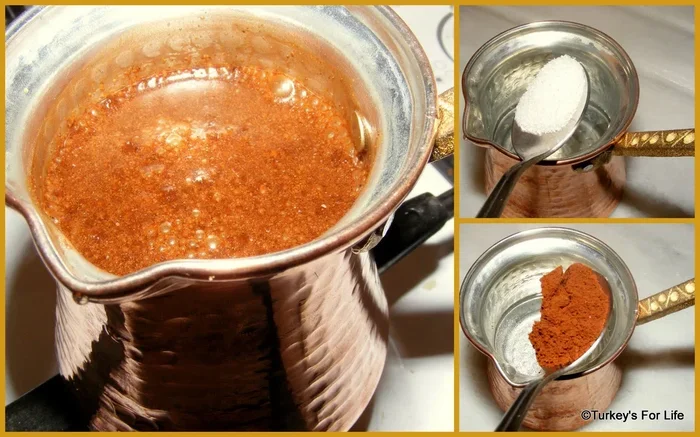
How To Make Coffee In Saucepan The Simplest Way Possible
Making coffee in a saucepan is the easiest and most affordable way to brew a great cup without a machine. This method gives you full control over strength, temperature, and flavor. Whether you are camping, renovating, or just want a classic brew, you can make coffee in a saucepan in under ten minutes with just a few simple ingredients.
There is something deeply satisfying about brewing a cup of coffee using nothing more than a saucepan and a few basic ingredients. Making coffee in a saucepan is one of the oldest and most reliable methods out there. It requires no fancy gadgets, no paper filters, and no electricity if you are cooking over a campfire. Whether you are in a tiny apartment kitchen or out in the wilderness, this technique always delivers.
If you have never tried this method before, you are in for a treat. The process is simple, the results are excellent, and the aroma that fills your kitchen is absolutely irresistible. In this guide, we will walk you through every single step to make coffee in a saucepan the simplest way possible. You will learn what you need, how to do it, and how to avoid common mistakes that ruin the flavor.
Making coffee in a saucepan is not just a backup plan. It is a legit way to brew coffee that many coffee lovers prefer over machine-made cups. The direct heat gives you more control, and the result is often richer and more full-bodied. Let us dive into everything you need to know.
Key Takeaways
- No Equipment Needed: You only need a saucepan, water, and coffee grounds to brew a delicious cup.
- Full Control Over Flavor: Adjust the water-to-coffee ratio and brewing time to get your perfect strength.
- Works Everywhere: This method is ideal for camping, small kitchens, or any situation where a coffee maker is unavailable.
- Quick and Simple: You can make coffee in a saucepan in as little as five to ten minutes.
- Budget-Friendly: Skip expensive machines and use what you already have in your kitchen.
- Rich, Bold Taste: Saucepan brewing extracts deep flavors that many other methods miss.
📑 Table of Contents
- What Is Saucepan Coffee And Why It Works
- What You Will Need To Make Coffee In A Saucepan
- Step-by-Step Guide To Making Coffee In A Saucepan
- Tips For The Perfect Cup Of Saucepan Coffee
- Saucepan Coffee vs Other Brewing Methods
- Common Mistakes To Avoid When Making Coffee In A Saucepan
- What Else Can You Make In A Saucepan
- Final Thoughts On Making Coffee In A Saucepan
What Is Saucepan Coffee And Why It Works
Making coffee in a saucepan means brewing ground coffee directly in water inside a saucepan on the stovetop. This method is sometimes called stovetop brewing or cowboy coffee. It has been used for centuries by travelers, ranchers, and anyone who needed a hot cup of coffee without modern equipment.
The science behind it is straightforward. When you heat water in a saucepan, it reaches a temperature that extracts the oils and flavors from coffee grounds. Because the grounds stay in direct contact with the hot water, the extraction happens quickly and thoroughly. This gives you a bold, robust cup that many people find more flavorful than drip coffee.
One of the biggest advantages of making coffee in a saucepan is that you control every variable. You decide the water temperature, the steeping time, the grind size, and the coffee-to-water ratio. This level of control is something that many coffee makers simply do not offer. If you are a coffee enthusiast who likes to fine-tune your brew, the saucepan method is a fantastic option.
Brewing coffee on the stove also means no paper filters. That might sound like a drawback, but it actually contributes to the flavor. The natural oils in the coffee grounds stay in the cup, giving you a fuller mouthfeel and a more complete flavor profile. Some people use a small mesh strainer to catch the grounds, while others embrace the slight sediment as part of the experience.
A Brief History of Stovetop Coffee
People have been brewing coffee on the stove for hundreds of years. In the Middle East and North Africa, traditional methods involved simmering coffee in small pots called ibriks or cezve. These are very similar to using a saucepan. Cowboys on the American frontier would throw coffee grounds into a pot of boiling water and call it a morning cup. The method has stood the test of time because it simply works.
What You Will Need To Make Coffee In A Saucepan
Making coffee in a saucepan requires very little. You probably already have everything you need in your kitchen. Here is the simple list of what you will need.
- A Saucepan: Any size works, but a medium saucepan (about two quarts) is ideal for making one to two cups. A smaller saucepan gives you more control over the heat.
- Fresh Water: Use clean, cold water. Filtered water tastes even better and avoids any chlorine flavor that can affect your coffee.
- Coffee Grounds: Use your favorite ground coffee. A medium to coarse grind works best for saucepan brewing. Fine grounds can make the coffee gritty and over-extracted.
- A Spoon or Stirrer: A simple wooden spoon or silicone spatula is perfect for stirring the grounds into the water.
- A Strainer or Cheesecloth (Optional): If you want to remove the grounds before pouring, a fine mesh strainer or a piece of cheesecloth does the job beautifully.
- A Mug: Your favorite coffee mug, of course.
That is it. No coffee maker, no pods, no filters. Just a saucepan, water, and grounds. This is what makes making coffee in a saucepan so appealing to so many people. The simplicity is part of the charm.
Choosing the Right Coffee Grounds
The type of coffee grounds you use matters a lot. For the best results, choose a medium to coarse grind. Pre-ground coffee from the store works fine, but freshly ground beans will give you a noticeably better flavor. If you have a hand grinder or a burr grinder, take the extra minute to grind your beans right before brewing.
When you make coffee in a saucepan, the grind size affects how the coffee tastes. Too fine and the coffee can become bitter and muddy. Too coarse and it might taste weak or sour. Aim for a texture similar to sea salt. This size grounds perfectly for stovetop brewing and gives you a clean, rich cup.
Step-by-Step Guide To Making Coffee In A Saucepan
Now that you have everything ready, let us walk through the process of making coffee in a saucepan step by step. Follow these instructions and you will have a great cup in no time.
Step One: Measure Your Water
Start by measuring the water you will need. A good rule of thumb is about six ounces of water per one tablespoon of coffee grounds. If you are making a single cup, use one cup of water (about eight ounces) and two tablespoons of grounds. Adjust to your taste as you get more comfortable with the method.
Pour the cold water into your saucepan. Using cold water ensures that the water heats evenly and reaches the right temperature throughout the brewing process.
Step Two: Add the Coffee Grounds
Add your measured coffee grounds directly into the saucepan with the cold water. Stir gently with a spoon to make sure all the grounds are wet. This helps the extraction process start evenly from the beginning.
Some people like to let the grounds sit in the water for a minute before heating. This pre-infusion step allows the coffee to “bloom” and release some of its gases. It is a small detail, but it can make a noticeable difference in the flavor of your coffee.
Step Three: Heat the Saucepan
Place the saucepan on the stove over medium heat. Let the water come to a gentle simmer. You want small bubbles forming at the edges of the pan, not a rolling boil.
Making coffee in a saucepan is all about heat control. If the water boils too aggressively, it can scorch the coffee grounds and create a bitter taste. A gentle simmer is the sweet spot. This usually takes about three to five minutes on a standard stovetop burner.
Once you see the first signs of bubbling, reduce the heat slightly. You want to maintain that gentle simmer for about two minutes. This is when the real flavor extraction happens.
Step Four: Stir and Let It Sit
Give the coffee one gentle stir after it starts simmering. Then remove the saucepan from the heat and let it sit for about two to three minutes. This resting period allows the grounds to settle to the bottom of the pan.
During this time, the coffee continues to extract flavor from the grounds without the harshness that comes from prolonged boiling. The result is a smoother, more balanced cup. Patience is the key here. Do not rush this step if you want the best possible flavor.
Step Five: Pour and Enjoy
Once the grounds have settled, carefully pour the coffee into your mug. Pour slowly and stop before the grounds reach the top. If you want a completely clean cup, pour through a fine mesh strainer or a piece of cheesecloth into your mug.
If you do not mind a little sediment at the bottom of your cup, just pour carefully and enjoy. Many traditional coffee drinkers around the world prefer their coffee with that slight texture. It is part of the authentic experience of making coffee in a saucepan.
Add milk, cream, sugar, or enjoy it black. The choice is entirely yours. A well-made saucepan coffee tastes great on its own, but a splash of steamed milk can turn it into something truly special.
Tips For The Perfect Cup Of Saucepan Coffee
Making coffee in a saucepan is simple, but a few pro tips can take your brew from good to great. Here are some expert recommendations to help you get the best results every time.
- Use Fresh, Cold Water: Always start with fresh cold water. Hot tap water can contain impurities or off-flavors that affect the taste of your coffee.
- Do Not Let It Boil Vigorously: A rolling boil extracts too many bitter compounds. Keep the heat at medium and watch for gentle bubbles.
- Stir Once, Not Too Much: One gentle stir is enough. Over-stirring can agitate the grounds and make the coffee cloudy or gritty.
- Let It Rest: The two to three minute rest after heating is crucial. It lets the grounds settle and the flavors develop fully.
- Experiment With Ratios: Start with the standard ratio and adjust from there. Some people prefer stronger coffee and use more grounds. Others like it milder and use less.
- Preheat Your Saucepan: Warming the saucepan with a little hot water before adding cold water and grounds helps maintain a more even temperature during brewing.
- Clean Your Saucepan Well: Residual flavors from previous cooking can affect the taste of your coffee. Make sure your saucepan is clean and free of any lingering food odors.
Quick Tips
- If your coffee tastes too bitter, try using a slightly coarser grind or reducing the brewing time.
- If it tastes too weak, add more grounds next time or let it simmer for an extra minute.
- A pinch of salt added to the grounds before brewing can reduce bitterness and enhance flavor.
- For a richer taste, try adding a small dash of cinnamon or vanilla extract to the saucepan while brewing.
Saucepan Coffee vs Other Brewing Methods
How does making coffee in a saucepan compare to other popular brewing methods? Let us take a look at the differences.
| Method | Time | Equipment Needed | Flavor Profile | Best For |
|---|---|---|---|---|
| Saucepan Brewing | 5-10 minutes | Saucepan, spoon, mug | Bold, rich, full-bodied | Camping, emergencies, simplicity lovers |
| French Press | 4-6 minutes | French press, coarse grounds | Smooth, heavy, aromatic | Home brewing, flavor enthusiasts |
| Drip Coffee Maker | 5-10 minutes | Drip machine, paper filter | Clean, light, consistent | Daily home brewing, busy mornings |
| Instant Coffee | 1-2 minutes | Hot water, spoon | Mild, convenient, simple | Quick cups, office, travel |
| Pour Over | 3-5 minutes | Pour over dripper, filter, grounds | Clean, bright, nuanced | Coffee purists, slow mornings |
What makes making coffee in a saucepan stand out is the combination of simplicity and flavor. You get bold, rich coffee without any special equipment. A French press makes excellent coffee too, but it requires a specific device. A drip coffee maker is convenient but uses paper filters that remove some of the natural oils. Instant coffee is fast but lacks the depth of flavor that stovetop brewing provides.
Brewing coffee on the stove also has a unique advantage: you can make as much or as little as you want. Need a single cup? Use a small saucepan. Making coffee for a family? Use a larger one. The scalability is one of the most practical benefits of this method.
Common Mistakes To Avoid When Making Coffee In A Saucepan
Even though making coffee in a saucepan is straightforward, there are a few common mistakes that can ruin your cup. Here is what to watch out for.
Using Water That Is Too Hot
The biggest mistake people make is letting the water reach a hard boil. Boiling water is too hot for coffee and will extract bitter, unpleasant compounds. The ideal temperature for brewing coffee is between 195 and 205 degrees Fahrenheit. A gentle simmer is all you need. If you see large, rolling bubbles, your water is too hot. Pull the pan off the heat and let it cool for a moment.
Using the Wrong Grind Size
Using finely ground coffee in a saucepan is a recipe for a gritty, over-extracted cup. Fine grounds pass through most strainers and create a muddy texture. They also extract too quickly, leading to bitterness. Always use a medium to coarse grind when you make coffee in a saucepan. This gives you a cleaner cup and a much better mouthfeel.
Skipping the Resting Period
Some people pour the coffee immediately after removing the saucepan from the heat. This is a mistake. The resting period allows the grounds to settle and the flavors to balance. Without it, your coffee will be murky and uneven in flavor. Be patient and let the coffee sit for two to three minutes before pouring.
Using Stale Coffee Grounds
Old, stale grounds produce flat, lifeless coffee. Always check the expiration date on your coffee grounds and store them in an airtight container. For the best flavor, buy whole beans and grind them just before brewing. Fresh grounds make a world of difference when you make coffee in a saucepan.
Not Cleaning the Saucepan Properly
Residue from previous uses can affect the taste of your coffee. Always wash your saucepan thoroughly with hot water and mild soap before brewing. If you use the same pan for cooking other foods, make sure there are no lingering flavors that could transfer to your coffee.
Overfilling the Saucepan
When water heats, it expands and can bubble over the edges of the pan. Leave plenty of room in your saucepan to prevent a mess on your stovetop. A good rule is to never fill the pan more than two-thirds full when heating water for coffee.
What Else Can You Make In A Saucepan
The saucepan is one of the most versatile tools in any kitchen. Once you master making coffee in a saucepan, you will find all sorts of other uses for this humble pot. For example, if you are making a breakfast spread, you can warm pita bread in the oven while your coffee brews on the stovetop. The combination of warm bread and fresh stovetop coffee makes for a wonderful morning meal.
A saucepan also works great for reheating leftovers. If you are meal prepping and need to warm mashed potatoes in the oven for the week, the saucepan can handle that task on the stovetop just as well. And when you are cooking a big weekend breakfast, knowing how to keep burgers warm in the oven alongside your saucepan coffee means you can serve a full, hot breakfast without any hassle.
The kitchen skills you build from simple techniques like stovetop coffee brewing carry over into so many other areas of cooking. Once you are comfortable with heat control and timing on the stovetop, you will find yourself more confident tackling all kinds of recipes.
Final Thoughts On Making Coffee In A Saucepan
Making coffee in a saucepan is one of the simplest, most rewarding kitchen skills you can learn. It requires almost no equipment, costs very little, and produces a rich, flavorful cup of coffee that rivals anything a machine can make. Whether you are out camping, dealing with a broken coffee maker, or simply looking for a more traditional brewing method, the saucepan method delivers every time.
The beauty of this approach is in its simplicity. You control the heat, the timing, the strength, and the flavor. There is no waiting for a machine to finish its cycle or worrying about expensive pods running out. Just you, a saucepan, water, and your favorite coffee grounds. That is all it takes to make coffee in a saucepan that tastes genuinely great.
Give this method a try the next time you are in the kitchen. Once you experience the difference that stovetop brewing makes, you might just find yourself reaching for the saucepan instead of the coffee maker. It is a timeless technique that deserves a place in every coffee lover’s kitchen. Happy brewing!
Frequently Asked Questions
Can I Use Any Type of Saucepan To Make Coffee?
Yes, you can use any type of saucepan to make coffee. Stainless steel, aluminum, and copper saucepans all work well. Avoid non-stick pans if possible, as the high heat can damage the coating over time. A medium-sized saucepan with a heavy bottom is ideal because it distributes heat evenly and prevents the coffee from scorching.
How Long Should I Let The Coffee Simmer In The Saucepan?
Let the coffee simmer gently for about two minutes after the water reaches a low boil. This is the sweet spot for extraction. Simmering too long can make the coffee bitter, while not simmering long enough may result in weak, under-extracted coffee. Two minutes gives you a balanced, flavorful brew every time.
Is Saucepan Coffee The Same As Cowboy Coffee?
Yes, saucepan coffee is essentially the same as cowboy coffee. Both methods involve brewing coffee grounds directly in hot water without a filter. The name “cowboy coffee” comes from the tradition of cowboys brewing coffee over an open flame using a pot or pan. The technique is identical whether you use a campfire or a kitchen stovetop.
Can I Reheat Saucepan Coffee Without Losing Flavor?
It is best to make only as much coffee as you plan to drink right away. Reheating coffee can cause it to taste bitter and flat because the compounds in the coffee continue to break down as it sits. If you must reheat, do so gently over low heat and add a small splash of fresh water to help refresh the flavor.
What Is The Best Coffee Grind Size For Saucepan Brewing?
A medium to coarse grind works best for saucepan brewing. Think of the texture of sea salt. A coarse grind prevents the coffee from becoming too bitter and makes it easier to strain if you choose to filter out the grounds. Avoid fine or espresso grinds, as they will create a muddy, gritty cup of coffee.
Can I Make Multiple Cups Of Coffee In One Saucepan?
Absolutely. You can scale up the recipe easily by using more water and more coffee grounds. A good ratio is one tablespoon of coffee grounds per six ounces of water. For a larger batch, use a bigger saucepan and adjust the heat accordingly. Just make sure you do not fill the pan more than two-thirds full to prevent boiling over.
=== CONCLUSION ===
Making coffee in a saucepan is a timeless, simple, and incredibly satisfying way to brew your daily cup. It requires minimal equipment, gives you full control over the flavor, and works in virtually any setting. Whether you are at home, at camp, or just looking for a change from your usual routine, this method delivers rich, bold coffee every single time.
Follow the steps outlined in this guide, avoid the common mistakes, and experiment with ratios and brew times until you find your perfect cup. Once you start making coffee in a saucepan, you will wonder why you ever relied solely on a machine. The simplicity, the flavor, and the ritual of stovetop brewing are truly something special. Enjoy your next cup!