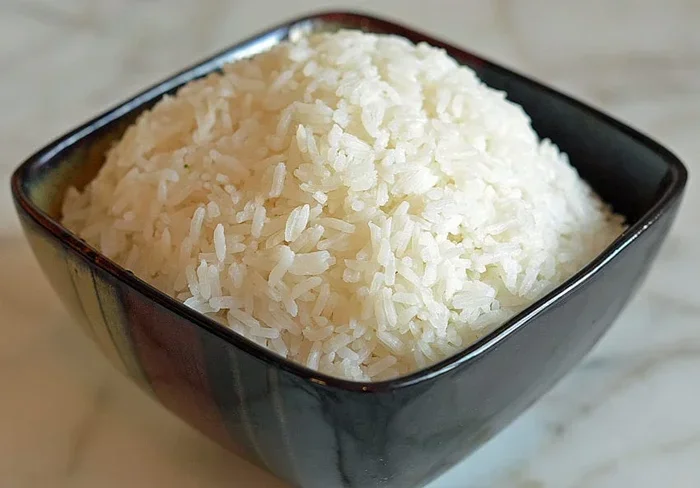
How To Cook Perfect Jasmine Rice In Pressure Cooker
Cooking jasmine rice in a pressure cooker is the fastest way to get fluffy, perfectly steamed rice at home. With the right grain-to-water ratio and a few simple steps, you can prepare aromatic white rice in under 20 minutes. This guide covers everything from preparation to serving so you can master this kitchen staple.
There is something truly satisfying about a pot of perfectly cooked jasmine rice. It is light, fluffy, and fragrant. It pairs with almost any meal. Yet so many people struggle to get it right on the stovetop. That is where a pressure cooker changes everything. If you want to learn how to cook jasmine rice in pressure cooker the right way, you are in the right place. This guide walks you through every single step with zero guesswork.
Whether you are a beginner in the kitchen or a seasoned home cook looking to speed up your rice preparation, this method delivers consistent results. You will learn the ideal water ratio, the best techniques for rinsing, and how to get that signature fluffy rice texture every time. No more clumpy, sticky, or undercooked grains. Just perfectly steamed aromatic rice that tastes like it came from a restaurant.
Key Takeaways
- Perfect Rice Every Time: A 1:1 grain-to-water ratio in a pressure cooker gives you fluffy, non-mushy jasmine rice consistently.
- Fast and Efficient: Pressure cooking cuts rice prep time dramatically compared to stovetop methods.
- Fewer Mistakes: Pressure cookers eliminate guesswork and prevent common issues like sticking or uneven cooking.
- Versatile Side Dish: Perfect jasmine rice pairs with almost any protein, vegetable, or cuisine style.
- Easy Scaling: You can adjust the recipe for any serving size without changing the method.
- Soaking Helps: A quick rinse and optional soak improves texture and removes excess starch.
- Resting Matters: Letting the rice sit after cooking ensures the best fluffy texture.
📑 Table of Contents
- Why Use a Pressure Cooker for Jasmine Rice
- What You Need to Cook Jasmine Rice in a Pressure Cooker
- Step-by-Step Guide to Cooking Jasmine Rice
- Common Mistakes to Avoid
- How to Adjust for Different Serving Sizes
- Serving Ideas and Meal Pairings
- Storing and Reheating Leftover Rice
- Pro Tips for the Best Jasmine Rice
- Frequently Asked Questions About Cooking Jasmine Rice
- Final Thoughts on Cooking Jasmine Rice in a Pressure Cooker
Why Use a Pressure Cooker for Jasmine Rice
A pressure cooker is one of the most useful kitchen appliances you can own. It cooks food faster by trapping steam and building pressure inside the pot. This creates an environment that cooks white rice evenly and efficiently. Here is why this method works so well for jasmine rice.
Speed and Convenience
Traditional stovetop rice can take 20 to 30 minutes of active attention. With a pressure cooker, your quick rice is done in about 12 to 15 minutes total. The sealed environment heats the water faster, so the grains absorb moisture more efficiently. This means less waiting and more time enjoying your meal.
Consistent Results
One of the biggest challenges with stovetop cooking is uneven heat distribution. Some grains get mushy while others stay hard. A pressure cooker eliminates this problem. The sealed environment maintains a steady temperature throughout the cooking process. Every batch of pressure cooking rice comes out the same way. Reliable results build confidence in the kitchen.
Better Texture and Flavor
Jasmine rice is known for its delicate floral aroma and slightly sticky yet separate grain texture. Pressure cooking preserves these qualities beautifully. The controlled environment prevents excess moisture loss. Your rice stays perfectly cooked rice with a soft, pillowy feel that is hard to achieve on the stovetop.
What You Need to Cook Jasmine Rice in a Pressure Cooker
Before you start, make sure you have everything ready. Having your ingredients and tools prepared makes the process smooth and stress-free. Here is your complete shopping and prep list.
Ingredients
- Jasmine rice: Use fresh, quality white jasmine rice for the best results.
- Water: Filtered water works best for clean flavor.
- Salt (optional): A pinch enhances the natural flavor of the grains.
- Butter or oil (optional): A small amount adds richness and prevents sticking.
Equipment
- A pressure cooker (stovetop or electric, such as an Instant Pot).
- A measuring cup for rice and water.
- A fine mesh strainer for rinsing.
- A spatula or wooden spoon for fluffing.
Understanding Your Rice
Jasmine rice is a long-grain aromatic rice popular in Southeast Asian cooking. It has a slightly sticky texture when cooked but should not be clumpy. The grains elongate and stay separate, which makes it ideal for pairing with curries, stir-fries, and grilled meats. Knowing your rice variety helps you adjust the water ratio and cooking time correctly.
Step-by-Step Guide to Cooking Jasmine Rice
Now let us get into the heart of the matter. This rice recipe is simple, foolproof, and hard to mess up. Follow each step carefully for the best outcome.
Step 1: Measure Your Rice
Start by measuring your rice. For two servings, use one cup of dry jasmine rice. For four servings, use two cups. The beauty of pressure cooking is that the ratio stays the same regardless of batch size. Always use the measuring cup that comes with your pressure cooker for accuracy.
Step 2: Rinse the Rice Thoroughly
Place your rice in a fine mesh strainer and rinse it under cold running water. Use your fingers to gently agitate the grains. You will notice the water turning cloudy. This is excess starch washing away. Keep rinsing until the water runs mostly clear, usually about three to four rounds. Rinsing prevents your rice from becoming gummy and helps achieve a lighter rice texture.
Step 3: Add Rice and Water to the Pot
Transfer the rinsed rice into the pressure cooker pot. Add one cup of water for every cup of rice. This 1:1 grain-to-water ratio is the golden standard for jasmine rice in a pressure cooker. Some people prefer a splash more water for extra-soft rice, but 1:1 is the sweet spot for fluffy results.
Step 4: Add Seasoning (Optional)
If you like, add a pinch of salt and a small knob of butter or a drizzle of oil. This step is optional but adds a subtle richness. The butter coats the grains slightly and enhances the natural fragrance of the jasmine rice.
Step 5: Close the Lid and Set the Pressure
Secure the lid on your pressure cooker. Make sure the valve is set to the sealed position. For electric pressure cookers, select the pressure cook or manual setting on high pressure. Set the timer for three minutes. For stovetop models, bring the cooker to high pressure, then reduce to low heat and cook for three minutes.
Step 6: Let the Pressure Release Naturally
Once the timer goes off, do not open the lid right away. Let the pressure release naturally for about 10 minutes. This resting period allows the rice to finish absorbing any remaining moisture. After 10 minutes, carefully release any remaining pressure by moving the valve to the venting position.
Step 7: Fluff and Serve
Open the lid and use a fork or spatula to gently fluff the rice. Run the utensil through the grains from the bottom to the top. This separates the grains and releases steam. Your jasmine rice should be light, fluffy, and ready to serve. If you notice any excess water at the bottom, simply drain it off.
Common Mistakes to Avoid
Even with a pressure cooker, small mistakes can affect your results. Here are the most common pitfalls and how to avoid them.
Using Too Much Water
The biggest mistake people make is adding too much water. Unlike stovetop cooking where you might use a 1:2 ratio, pressure cooking requires less liquid because the sealed environment traps moisture. Stick to the 1:1 ratio for perfect results every time. Too much water leads to mushy, overcooked grains.
Skipping the Rinse
Skipping the rinse step leaves excess starch on the surface of the grains. This creates a sticky, clumpy mess instead of separate fluffy grains. Always rinse your jasmine rice before cooking. It only takes a minute and makes a noticeable difference in the final rice texture.
Opening the Lid Too Early
Resist the urge to open the lid immediately after cooking. The rice needs time to finish absorbing moisture as the pressure drops. Opening too early can result in undercooked or watery rice. Wait at least 10 minutes for natural pressure release before opening.
Not Letting the Rice Rest After Fluffing
After fluffing, let the rice sit with the lid off for a couple of minutes. This allows any remaining steam to escape and firms up the grains slightly. Rushing to serve can leave your rice overly soft. A short rest improves the overall rice texture noticeably.
How to Adjust for Different Serving Sizes
One of the best things about this method is how easy it is to scale. The 1:1 ratio works whether you are cooking for two or for a crowd.
| Servings | Rice (cups) | Water (cups) | Cook Time |
|---|---|---|---|
| 2 | 1 | 1 | 3 minutes |
| 4 | 2 | 2 | 3 minutes |
| 6 | 3 | 3 | 4 minutes |
| 8 | 4 | 4 | 5 minutes |
For larger batches above four cups, add one extra minute to the cooking time. The pressure cooker needs slightly more time to reach full pressure with a larger volume of rice and water. Always keep an eye on your specific model since cook times can vary slightly.
Serving Ideas and Meal Pairings
Jasmine rice is incredibly versatile. It works as a side dish or as the base for a full meal. Here are some ideas to inspire your next dinner.
- Pair your fluffy rice with grilled chicken and roasted vegetables for a balanced plate.
- Use it as a bed for curry or stir-fry sauce so every bite is flavorful.
- Make rice bowls topped with roasted sprouts and a fried egg for a quick weeknight lunch.
- Serve alongside honey-glazed honeynut squash for a sweet and savory combo.
- Add oven-roasted asparagus on the side for a fresh, healthy meal.
- Use leftover rice to make fried rice the next day. Day-old rice fries up beautifully.
For a complete Asian-inspired meal, serve your jasmine rice with teriyaki salmon, steamed broccoli, and a drizzle of sesame oil. The possibilities are truly endless. This aromatic rice complements bold flavors and mild flavors alike.
Storing and Reheating Leftover Rice
Sometimes you cook more rice than you need. That is perfectly fine. Leftover jasmine rice stores well and reheats beautifully when done correctly.
Storing Rice
Let the rice cool to room temperature before storing it. Place it in an airtight container and refrigerate within two hours of cooking. Properly stored cooked rice lasts up to four days in the fridge. Do not leave rice at room temperature for too long, as it can develop bacteria.
Reheating Rice
To reheat, add a splash of water to the rice before microwaving. Cover the container with a damp paper towel to trap steam. Heat in 30-second intervals, stirring between each round. Alternatively, you can reheat rice in a saucepan with a little water over medium-low heat. Stir gently until heated through. The goal is to restore moisture without drying out the grains.
Freezing Rice
You can also freeze cooked jasmine rice for up to three months. Portion the rice into freezer-safe bags, press out excess air, and label with the date. When ready to eat, thaw overnight in the fridge or reheat directly from frozen with a splash of water.
Pro Tips for the Best Jasmine Rice
Here are some expert-level tips that separate good rice from great rice. These small adjustments make a big difference in your final result.
- Let the rice soak for 20 minutes before cooking. This helps the grains absorb water evenly and reduces cooking time slightly.
- Always use the same measuring cup for both rice and water to maintain consistency.
- Do not skip the resting phase after cooking. The 10-minute natural release is crucial for texture.
- Use a 1:1 ratio for jasmine rice but try a 1:1.25 ratio for stickier results.
- Add a bay leaf or a pandan leaf to the pot while cooking for an extra layer of fragrance.
- Never stir the rice during pressure cooking. Stirring releases starch and can make the rice gummy.
- Invest in a good quality pressure cooker. Electric models with precise temperature control give the most consistent results.
These tips might seem small, but they elevate your rice cooking game significantly. Once you get into the habit, you will never go back to the stovetop method.
Frequently Asked Questions About Cooking Jasmine Rice
Can I use jasmine rice in any pressure cooker?
Yes, jasmine rice works in both stovetop and electric pressure cookers. The method and ratios are the same for both types. Electric models like the Instant Pot are especially popular for cooking rice because they are hands-off and easy to use. Just make sure your pressure cooker has at least a four-quart capacity for smaller batches.
What is the best water-to-rice ratio for jasmine rice in a pressure cooker?
The ideal ratio is 1:1, meaning one cup of water for every cup of dry jasmine rice. This ratio produces fluffy, separate grains every time. If you prefer softer rice, you can add a tablespoon more water per cup, but start with 1:1 for the most reliable results.
How long does it take to cook jasmine rice in a pressure cooker?
The total time is about 15 to 20 minutes. This includes three minutes of active cooking under pressure, 10 minutes of natural pressure release, and a couple of minutes to fluff and serve. Compare this to the 20 to 30 minutes it can take on the stovetop, and the time savings are significant.
Why is my jasmine rice mushy after pressure cooking?
Mushy rice usually means too much water was used. Double-check that you are using the 1:1 ratio and not adding extra water beyond what the recipe calls for. Also, make sure you are not stirring the rice during the cooking process, as this releases excess starch and creates a gummy texture.
Can I cook jasmine rice without rinsing it first?
You can, but rinsing is highly recommended. Rinsing removes surface starch that causes the rice to stick together. Unrinsed jasmine rice tends to come out clumpier and slightly gummy. The rinse step only takes about a minute and makes a real difference in the final rice texture.
Is jasmine rice the same as regular white rice for pressure cooking?
Jasmine rice is a specific variety of long-grain white rice with a distinctive floral aroma and slightly sticky texture. While you can use the same pressure cooking method for other types of white rice, the water ratio and cooking time may vary slightly. Basmati rice, for example, works well with a similar 1:1 ratio but may need one additional minute of cook time.
Final Thoughts on Cooking Jasmine Rice in a Pressure Cooker
Mastering how to cook jasmine rice in pressure cooker is one of the simplest yet most rewarding skills you can build in the kitchen. It takes minutes, requires minimal effort, and delivers restaurant-quality results every single time. The pressure cooker removes the stress and guesswork from rice preparation, leaving you with fluffy, aromatic, perfectly cooked grains that complement any meal.
Once you try this method, you will wonder how you ever cooked rice any other way. The speed, consistency, and ease of this approach make it a go-to technique for busy weeknights and relaxed weekend meals alike. Keep this guide handy, experiment with the tips above, and enjoy perfectly cooked jasmine rice whenever you want it. Your kitchen will thank you.


