How To Cook Fresh Pizza Dough In Oven At Home Today
Learning how to cook fresh pizza dough in oven at home is easier than you think. This guide walks you through every step, from mixing the dough to pulling a golden, crispy fresh pizza dough out of your oven. You will discover the best oven temperature for pizza dough, essential homemade pizza tips, and simple tricks that transform your baked pizza base into restaurant-quality results. Whether you are a beginner or a seasoned home cook, this guide has everything you need to make amazing oven-baked pizza today.
There is something magical about pulling a fresh, hot pizza out of your own oven. The smell fills your kitchen. The crust turns golden brown. And the cheese bubbles just right. If you have ever wondered how to cook fresh pizza dough in oven at home, you are in the right place. This guide breaks everything down into simple, easy-to-follow steps. You do not need a fancy pizza oven or years of experience. All you need is a regular home oven, a few simple ingredients, and a little patience.
Making homemade pizza dough from scratch is one of the most rewarding things you can do in the kitchen. Once you master the basics, you can customize every pizza to match your taste. Want extra cheese? Go for it. Prefer a thin, crispy pizza crust? Easy. Love a thick, chewy base? That works too. The beauty of baking pizza dough at home is that you control every ingredient and every step. Let us dive in and get you started.
Key Takeaways
- Use a hot oven: The ideal oven temperature for pizza dough is between 450°F and 500°F for a crispy crust.
- Let the dough rise properly: Allow your fresh pizza dough at least 1 to 2 hours to rise before baking.
- A pizza stone makes a big difference: It absorbs moisture and helps create an even, crispy pizza crust.
- Keep it simple: Less is more when it comes to pizza toppings and sauce.
- Store leftover dough correctly: Proper pizza dough storage keeps it fresh for up to 3 days in the fridge.
- Experiment with heat: Try different high-heat baking techniques to mimic a wood-fired oven at home.
- Kneading matters: Proper pizza dough kneading develops gluten and gives you that chewy, stretchy base.
📑 Table of Contents
- Why Cooking Pizza Dough at Home Beats Store-Bought
- Gathering Your Ingredients and Tools
- Step-by-Step Guide to Making Fresh Pizza Dough
- The Best Oven Temperature for Cooking Pizza Dough
- Common Mistakes to Avoid When Baking Pizza Dough
- Tips for Achieving Restaurant-Quality Results at Home
- Storing and Reheating Your Pizza Dough
- Conclusion
Why Cooking Pizza Dough at Home Beats Store-Bought
Before we get into the how-to, let us talk about why making your own fresh pizza dough is worth the effort. Store-bought dough often contains preservatives and additives. It can taste flat and lack the airy, bubbly texture of a truly homemade pizza dough. When you make dough from scratch, you control the quality of every ingredient. You choose the flour. You decide how much yeast to use. And you set the pizza dough rising time to get exactly the texture you want.
Another big advantage is freshness. There is nothing quite like the taste of freshly baked pizza dough straight from the oven. The crust puffs up beautifully. It develops those little charred spots that give Italian pizza its signature flavor. Plus, making dough is surprisingly simple. Once you do it a few times, it becomes second nature. You will never go back to store-bought again.
The Science Behind a Great Pizza Crust
Understanding a little bit about how dough works helps you make better pizza. When you mix flour, water, yeast, and salt, something amazing happens. The yeast eats the sugars in the flour and produces carbon dioxide gas. These tiny gas bubbles get trapped in the dough and make it rise. This process is called fermentation. It is what gives homemade pizza its light, airy texture.
During high-heat baking, the heat causes the dough to expand quickly. This is called oven spring. The outside of the crust sets fast while the inside stays soft and chewy. This is exactly what creates that perfect crispy pizza base with a pillowy interior. The better you understand this process, the easier it is to control your results every time you bake.
Gathering Your Ingredients and Tools
Before you start mixing, make sure you have everything ready. Having all your ingredients and tools measured out beforehand makes the whole process smoother. It is called mise en place, and it is a habit that every great cook follows.
Ingredients You Will Need
Here is what goes into a basic pizza dough recipe:
- All-purpose flour or bread flour — about 2 ½ cups. Bread flour gives a chewier crust.
- Active dry yeast — 1 packet or 2 ¼ teaspoons. This is the engine that makes your dough rise.
- Warm water — about 1 cup, around 110°F. Not too hot, not too cold.
- Olive oil — 1 tablespoon. It adds flavor and keeps the dough soft.
- Salt — 1 teaspoon. It brings out the flavor and strengthens the gluten.
- Sugar — 1 teaspoon. This feeds the yeast and helps it activate.
Tools You Will Need
You do not need a lot of equipment to make great fresh pizza dough. Here is what helps:
- A large mixing bowl
- A measuring cup and spoons
- A wooden spoon or your hands for mixing
- A clean kitchen towel or plastic wrap for covering
- A pizza stone or baking sheet
- A rolling pin (optional)
- A pizza cutter or sharp knife
Step-by-Step Guide to Making Fresh Pizza Dough
Now comes the fun part. Making homemade pizza dough is straightforward, but each step matters. Take your time and enjoy the process. Good dough cannot be rushed.
Step 1: Activate the Yeast
Start by warming your water to about 110°F. It should feel warm but not hot to the touch. Add the sugar and stir until it dissolves. Then sprinkle the yeast on top. Let it sit for about 5 to 10 minutes. You will know it is working when the mixture becomes foamy and bubbly. This tells you the yeast is alive and ready to do its job.
Step 2: Mix the Dough
In a large bowl, combine the flour and salt. Make a well in the center and pour in the yeast mixture and olive oil. Stir with a wooden spoon until a shaggy dough forms. Then turn it out onto a lightly floured surface. This is where the real magic happens.
Step 3: Knead the Dough
Pizza dough kneading is essential for developing gluten. Gluten is the protein network that gives your crust its structure and chewiness. Knead the dough for about 8 to 10 minutes. You want it smooth, elastic, and slightly sticky but not mushy. If it is too dry, add a tiny bit of water. If it is too wet, sprinkle in a little more flour.
Here is a quick test. Stretch a small piece of dough gently. If it stretches thin without tearing, the gluten is well developed. This is called the windowpane test, and it is a favorite trick among pizza baking tips experts.
Step 4: Let the Dough Rise
Place the dough in a lightly oiled bowl. Cover it with a damp towel or plastic wrap. Put it in a warm spot and let it rise for 1 to 2 hours. The dough should double in size. This dough rising time is crucial. It allows the yeast to create those air pockets that make the crust light and airy.
If you are short on time, you can speed things up by placing the bowl in a slightly warm oven (around 100°F) for about 45 minutes. Just do not let the temperature get too high, or you will kill the yeast.
Step 5: Shape the Dough
Once the dough has risen, punch it down gently to release the air. Divide it into two or three portions depending on the size of pizza you want. Roll each piece into a ball and let them rest for 15 minutes. This relaxes the gluten and makes the dough easier to shape.
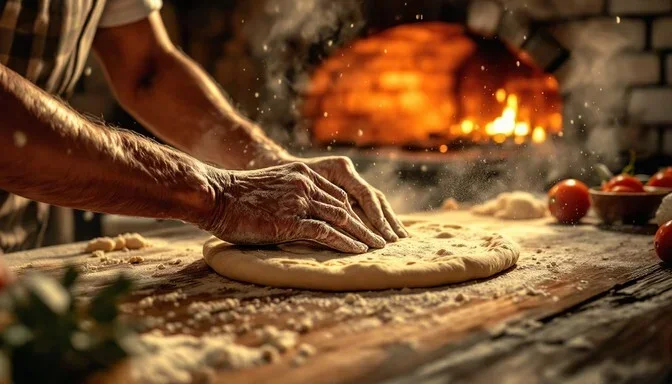
Now, place a dough ball on a floured surface. Use your hands to press it outward from the center, leaving a slightly thicker edge for the crust. If you prefer a thin crust, stretch it carefully with your hands rather than a rolling pin. This preserves the air bubbles and gives you a lighter result.
Step 6: Add Your Toppings
Transfer the shaped dough to a piece of parchment paper or a floured pizza peel. Add your pizza toppings of choice. Keep it simple for the best results. A thin layer of sauce, a generous amount of cheese, and a few fresh ingredients go a long way. Too many toppings can make the baked pizza base soggy.
The Best Oven Temperature for Cooking Pizza Dough
Getting the oven temperature for pizza dough right is one of the most important factors in making great pizza. The wrong temperature can leave you with a pale, doughy crust or a burnt, crispy mess. Let us break down the ideal settings.
Recommended Temperature Range
For most home ovens, the sweet spot is between 450°F and 500°F. This range provides enough heat to create a crispy pizza crust while cooking the toppings and melting the cheese evenly. If your oven goes higher, even better. Some home ovens can reach 550°F, which gets you closer to the intense heat of a wood-fired oven.
Here is a quick reference guide:
- 425°F — Good for thick, pan-style pizzas. The longer bake time allows the thick dough to cook through.
- 475°F to 500°F — The ideal range for thin and classic oven-baked pizza. Produces a crispy base with a chewy interior.
- 500°F to 550°F — Best for thin, Neapolitan-style crusts. This high heat mimics a wood-fired oven and creates beautiful char marks.
How Long to Bake Pizza Dough
Baking time depends on the temperature and thickness of your crust. At 475°F, a thin-crust pizza typically bakes for 10 to 12 minutes. Thicker pizzas may need 15 to 20 minutes. Keep an eye on your pizza during the last few minutes. You want the crust to turn golden brown and the cheese to bubble with a few light brown spots.
If you are using a pizza stone, preheat it in the oven for at least 30 minutes before baking. The stone absorbs moisture from the dough and radiates heat evenly. This is one of the best pizza baking tips for achieving a crispy bottom crust.
Common Mistakes to Avoid When Baking Pizza Dough
Even experienced home cooks make mistakes with fresh pizza dough. Knowing what to avoid saves you time and frustration. Here are the most common pitfalls.
Skipping the Rise Time
Rushing the dough rising time is the number one mistake. If you bake the dough too soon, it will not have developed enough structure. The result is a dense, flat crust that lacks the airy, chewy texture you want. Always give your dough the full 1 to 2 hours to rise. Trust the process.
Using Too Many Toppings
It is tempting to pile on the cheese, sauce, and toppings. But overloading your pizza leads to a soggy pizza crust. The excess moisture from vegetables and sauce soaks into the dough before it has a chance to crisp up. Keep your toppings moderate and let the fresh pizza dough shine.
Not Preheating the Oven
Always preheat your oven fully before baking. Putting pizza into a cold or lukewarm oven leads to uneven cooking and a pale crust. Give your oven at least 20 to 30 minutes to reach the target temperature. If you are using a pizza stone, preheat it for even longer — at least 30 minutes.
Opening the Oven Door Too Often
Every time you open the oven door, heat escapes. This drops the temperature and can affect how your oven-baked pizza turns out. Try to resist the urge to peek too frequently. Trust that your oven is doing its job. Check on the pizza through the oven window instead.
Tips for Achieving Restaurant-Quality Results at Home
Want to take your homemade pizza to the next level? These expert tips make a huge difference.
Use a Pizza Steel Instead of a Stone
A pizza steel conducts heat better than a traditional stone. It heats up faster and transfers that heat directly to the dough. This creates an even crispier bottom crust. Many professional pizzaiolos prefer steel over stone for this reason.
Try the Broiler Method
This is one of the best-kept pizza baking tips secrets. After baking your pizza on the lower rack for 5 to 7 minutes, switch your oven to broil and move the pizza to the upper rack. The intense top heat melts the cheese perfectly and creates beautiful golden-brown spots. Just watch it closely — broiling happens fast.
Brush the Crust with Olive Oil
Before baking, brush the edges of your pizza crust with a little olive oil. This adds flavor and helps the edges turn golden and crispy. It is a simple trick that elevates the look and taste of your bake pizza dough every single time.
Experiment with Different Flours
Not all flour is created equal. Bread flour has a higher protein content, which produces more gluten and a chewier crust. All-purpose flour gives a softer, more tender result. You can even try a mix of both for the best of both worlds. Playing with dough hydration levels also changes the texture significantly.
Storing and Reheating Your Pizza Dough
Making extra fresh pizza dough is always a good idea. Leftover dough stores beautifully and saves you time on busy weeknights. Here is how to handle it properly.
Storing Raw Dough
Place leftover dough in a lightly oiled bowl and cover it tightly with plastic wrap. It will keep in the refrigerator for up to 3 days. For longer storage, wrap the dough balls individually in plastic wrap, place them in a freezer bag, and freeze for up to 3 months. When you are ready to use it, thaw the dough in the fridge overnight and let it come to room temperature before shaping.
Reheating Baked Pizza
Reheated pizza never tastes quite as good as fresh out of the oven. But you can still get decent results. Place slices on a pizza stone or baking sheet in a 375°F oven for 5 to 7 minutes. This reheats the crust and melts the cheese without making the base soggy. Avoid microwaving if you can — it makes the crust rubbery and limp.
Conclusion
Making fresh pizza dough in oven at home is one of the most satisfying things you can do in the kitchen. It is simpler than it looks, and the results are worth every minute of effort. From activating the yeast to shaping your perfect pizza crust, each step brings you closer to a homemade oven-baked pizza that rivals your favorite pizzeria.
Remember the key principles. Use the right oven temperature for pizza dough. Give your dough enough time to rise. Preheat your oven and your pizza stone properly. Keep your toppings balanced. And most importantly, have fun with it. Once you master the basics, you can experiment with different flours, sauces, and pizza toppings to create your own signature recipes.
So go ahead. Gather your ingredients. Fire up your oven. And enjoy the incredible satisfaction of pulling a beautiful, golden fresh pizza dough pie out of your very own oven. Your family and friends will love it. And you will wonder why you ever ordered delivery.
Frequently Asked Questions
What is the best oven temperature to cook fresh pizza dough?
The best oven temperature for pizza dough is between 450°F and 500°F. This range produces a crispy pizza crust while cooking the toppings evenly. If your oven can go higher, up to 550°F, you will get results closer to a wood-fired oven experience.
How long should I let pizza dough rise before baking?
Let your fresh pizza dough rise for 1 to 2 hours at room temperature. The dough should double in size. This dough rising time allows the yeast to create air pockets that give the crust its light, airy texture. Skipping this step leads to a dense, flat pizza base.
Can I use a regular baking sheet instead of a pizza stone?
Yes, you can absolutely bake pizza dough at home on a regular baking sheet. A pizza stone or pizza steel does produce a crispier bottom crust because it absorbs moisture and conducts heat better. But a baking sheet works perfectly fine and still delivers delicious oven-baked pizza results.
How do I store leftover pizza dough?
Wrap leftover homemade pizza dough tightly in plastic wrap and store it in the refrigerator. It stays fresh for up to 3 days. For longer storage, freeze the dough balls in a sealed freezer bag for up to 3 months. Always let frozen dough thaw in the fridge overnight before using.
Why is my pizza crust soggy even after baking?
A soggy pizza crust usually happens for a few reasons. Too many wet toppings release moisture during baking. Not preheating your oven or pizza stone long enough prevents the base from crisping up. Also, baking at too low a temperature keeps the dough from setting properly. Try reducing toppings, preheating longer, and increasing the temperature to fix this.
Can I make pizza dough ahead of time?
Absolutely. Fresh pizza dough can be made a day ahead and stored in the refrigerator. In fact, letting the dough rest overnight in the fridge improves its flavor. The yeast continues to ferment slowly, which develops a more complex, slightly tangy taste. Just bring it to room temperature before shaping and baking.
=== CONCLUSION ===
Cooking fresh pizza dough in oven at home is a skill anyone can learn. With the right ingredients, the correct oven temperature for pizza dough, and a little practice, you can create stunning homemade pizza that impresses everyone at the table. The key is to enjoy the process and not be afraid to experiment. Try different flours, adjust your pizza dough kneading time, and explore new pizza toppings combinations. Every batch you make teaches you something new. So roll up your sleeves, preheat that oven, and start your pizza baking journey today. The perfect crispy pizza base is just one delicious bake away.