How To Clean Oven Stove Top With Natural Ingredients
Discover how to clean oven stove top naturally using simple, non-toxic ingredients like baking soda, vinegar, and lemon. This guide provides easy, effective methods to remove grease, burnt food, and stubborn stains without harsh chemicals. You will learn practical tips, daily routines, and expert tricks to keep your stove sparkling clean. Say goodbye to toxic cleaners and hello to a safer, fresher kitchen. Follow our step-by-step instructions for a spotless cooktop in under 30 minutes.
Your oven stove top takes a beating every single day. Splatters, spills, and grease build up fast, making your kitchen look messy and feel unpleasant. The good news is that you do not need expensive chemical sprays to get it clean. With a few simple natural ingredients, you can clean oven stove top effectively and safely. This guide will walk you through everything you need to know.
Many people reach for harsh commercial cleaners without thinking twice. These products often contain toxic fumes that linger in your kitchen. They can also leave behind chemical residues that touch your food. Natural cleaning methods solve both problems at once. They are safe, affordable, and surprisingly powerful. You will be amazed at what baking soda, vinegar, and lemon can do.
In this article, we will cover every aspect of oven stove top cleaning. From everyday maintenance to tackling stubborn burnt stains, you will find practical advice. We will share step-by-step instructions, quick tips, and common mistakes to avoid. By the end, you will feel confident cleaning your stove top the natural way. Let us get started.
Key Takeaways
- Natural cleaners work wonders: Baking soda, vinegar, and lemon can tackle even the toughest grease and burnt stains on your stove top.
- No harsh chemicals needed: Using natural ingredients keeps your kitchen safe for kids, pets, and the environment.
- Regular maintenance saves time: A quick daily cleaning routine prevents buildup and makes deep cleaning effortless.
- DIY cleaning solutions are affordable: You likely already have most natural cleaning supplies in your kitchen pantry.
- Different surfaces need different care: Stainless steel, glass, and ceramic cooktops each require specific cleaning techniques.
- Avoid common mistakes: Using abrasive scrubbers or the wrong products can damage your stove top permanently.
📑 Table of Contents
- Why You Should Clean Your Oven Stove Top Naturally
- What You Need: Natural Cleaning Supplies
- Step-by-Step Guide to Clean Oven Stove Top
- How To Deal With Tough Grease and Burnt Stains
- Maintaining a Sparkling Stove Top Every Day
- Common Mistakes to Avoid When Cleaning
- Expert Tips for a Perfectly Clean Stove Top
- Comparison: Natural vs Chemical Cleaners for Stove Top Cleaning
- Conclusion
Why You Should Clean Your Oven Stove Top Naturally
Switching to natural cleaning methods is one of the best decisions you can make for your kitchen. Commercial cleaners often contain ammonia, bleach, and other harsh substances. These chemicals can irritate your lungs, skin, and eyes. They also release volatile organic compounds into the air you breathe every day.
Natural ingredients like baking soda and white vinegar are non-toxic and biodegradable. They break down grease and grime without leaving harmful residues. This makes them ideal for cooktop cleaning in homes with children and pets. You can clean confidently knowing that your family is not exposed to dangerous fumes.
Health Benefits of Natural Cleaning
Using natural solutions reduces your exposure to synthetic chemicals. Many commercial oven cleaners contain strong solvents that can trigger asthma and allergies. Natural alternatives like lemon juice and baking soda are gentle yet effective. They deodorize your stove top while cutting through grease safely.
Another major benefit is cost savings. Most natural cleaning ingredients cost just a few dollars. A box of baking soda and a bottle of vinegar can last you months. You will save money compared to buying specialty cleaners every few weeks.
Environmental Impact
Chemical cleaners eventually wash down your drain and into the water supply. They can harm aquatic life and pollute the environment. Natural ingredients break down safely and do not contribute to water contamination. Choosing eco-friendly stove top cleaning methods is a small change with a big impact.
What You Need: Natural Cleaning Supplies
Before you start, gather your supplies. You do not need anything fancy or expensive. Most of these items are already in your kitchen. Here is a simple list of what you need to clean oven stove top naturally:
- Baking soda – your best friend for cutting grease
- White vinegar – a natural degreaser and disinfectant
- Lemon juice – cuts through grime and leaves a fresh scent
- Dish soap – mild and effective for everyday cleaning
- Warm water – the base for most cleaning solutions
- Spray bottle – for mixing and applying solutions
- Soft cloths or microfiber towels – safe for all surfaces
- Sponge with a soft side – for gentle scrubbing
- Old toothbrush – perfect for hard-to-reach corners
- Plastic scraper – removes burnt-on food without scratching
Making Your Own Natural Stove Top Cleaner
You can mix a powerful all-purpose cleaner right in your kitchen. Combine three tablespoons of baking soda with one tablespoon of dish soap. Add enough warm water to form a thick paste. This paste works wonders on grease and food residue. Apply it to your stove top and let it sit for 15 to 20 minutes.
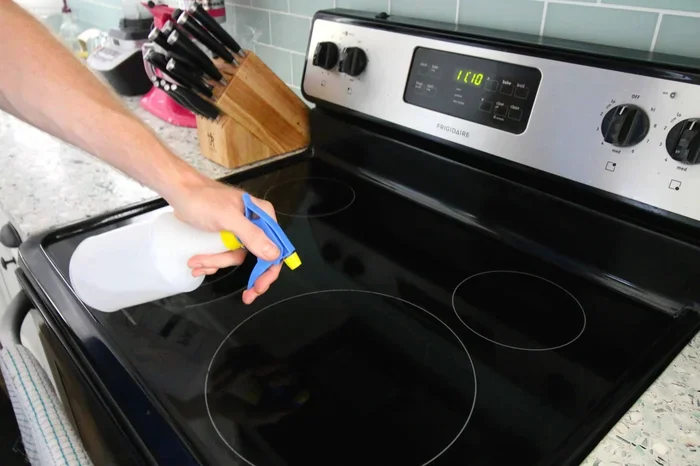
For a quick degreasing spray, mix equal parts white vinegar and warm water in a spray bottle. This solution is perfect for daily stove cleaning and light grease removal. The acidity in vinegar breaks down grime on contact. It also leaves your stove top streak-free and shiny.
Step-by-Step Guide to Clean Oven Stove Top
Now that you have your supplies ready, let us walk through the cleaning process. Follow these steps for a thorough and effective oven stove top cleaning session. Whether you have a gas or electric stove, these methods work well.
Step One: Remove the Burner Caps and Drip Pans
Start by removing all removable parts. Take off the burner caps, drip pans, and any grates. These pieces collect the most grease and food debris. Soak them in hot soapy water while you clean the main surface. This makes scrubbing them much easier later.
For tough grease on drip pans, make a paste of baking soda and water. Apply it generously and let it sit for at least 30 minutes. The paste will loosen the built-up grime so you can scrub it away easily. Use an old toothbrush to get into the small crevices.
Step Two: Apply the Baking Soda Paste
While the removable parts are soaking, focus on the main stove top surface. Spread a generous layer of baking soda paste over the entire surface. Pay extra attention to areas with heavy grease or burnt-on food. The baking soda will start breaking down the grime immediately.
Let the paste sit for 15 to 20 minutes. This gives it time to penetrate and loosen stubborn stains. For particularly tough spots, you can apply a second layer of paste and let it sit longer. The longer it sits, the easier the cleaning will be.
Step Three: Spray with Vinegar Solution
After the paste has had time to work, spray your vinegar and water solution over the baking soda. You will notice a fizzing reaction. This is completely normal and actually helpful. The reaction helps lift dirt, grease, and grime from the surface.
Let the fizzing subside, then use a soft cloth to wipe away the paste and grime. You will be surprised at how much dirt comes off. For any remaining residue, use a damp sponge to gently scrub the surface. Avoid using steel wool or abrasive pads, as they can scratch your stove top.
Step Four: Tackle Stubborn Stains
Some stains need extra attention. For burnt-on food that will not budge, make a stronger paste. Mix baking soda with a few drops of lemon juice instead of water. The citric acid in lemon helps dissolve hardened food particles. Apply it to the problem areas and let it sit for 30 minutes.
Use a plastic scraper to gently lift away any remaining burnt bits. Work slowly and carefully to avoid damaging the surface. For glass cooktops, a razor scraper designed for glass works well. Just be sure to use it at a low angle to prevent scratches.
Step Five: Wipe Down and Buff
Once all the grime is removed, wipe the entire stove top with a clean damp cloth. This removes any remaining baking soda or vinegar residue. Dry the surface with a microfiber towel to prevent water spots. For stainless steel stoves, follow the grain direction when buffing for the best shine.
Replace the burner caps, drip pans, and grates once they are fully dry. Your oven stove top should now look and smell fresh. The natural ingredients will leave behind a pleasant lemon or citrus scent instead of harsh chemical odors.
How To Deal With Tough Grease and Burnt Stains
Some messes are harder than others. Heavy grease buildup and burnt food can seem impossible to remove. But natural ingredients can handle even the toughest jobs when used correctly. Here are some targeted methods for the most common stubborn stains.
Removing Baked-On Grease
Baked-on grease is one of the most common problems in any kitchen. It happens when oil and food residue heat up repeatedly over time. To tackle this, create a thick baking soda and water paste. Apply it directly to the greasy areas and let it sit for at least one hour.
After an hour, spray vinegar over the paste and scrub gently with a soft sponge. The chemical reaction between baking soda and vinegar helps dissolve the grease. For extremely greasy stove tops, you can add a few drops of dish soap to the paste for extra cutting power.
Cleaning Burnt Food Residue
Burnt food stains are frustrating but not impossible to remove. The key is patience and the right technique. Start by soaking the burnt area with warm water for 10 minutes. This softens the hardened food and makes it easier to remove.
Next, apply a paste of baking soda and lemon juice. The combination of the mild abrasive baking soda and the acidic lemon juice works together to break down burnt residue. Use a non-scratch sponge to scrub the area in circular motions. Repeat if necessary until the stain is completely gone.
Dealing With Discolored Stove Top Surfaces
Over time, stove tops can become discolored from heat and spills. White vinegar is excellent for restoring the original shine. Simply spray undiluted white vinegar on the surface and wipe with a clean cloth. For white stoves, this can remove yellowish stains caused by food spills.
For black or dark-colored stoves, avoid using vinegar as it may leave a slight haze. Instead, use a paste of baking soda and water. Apply it gently and wipe with a damp cloth. This will lift discoloration without affecting the surface color.
Maintaining a Sparkling Stove Top Every Day
The best way to keep your stove top clean is to prevent buildup in the first place. A few simple habits can save you hours of deep cleaning later. Daily stove cleaning takes just a few minutes and keeps your kitchen looking great.
Quick Daily Cleaning Routine
After each cooking session, wipe down your stove top while it is still warm. A quick wipe with a damp cloth removes fresh spills before they harden. This takes less than two minutes and makes a huge difference over time.
Keep a small spray bottle of vinegar and water solution on your stove. A quick spritz and wipe after cooking prevents grease from accumulating. You can also place a splatter guard over your stove when cooking foods that tend to splatter.
Weekly Deep Cleaning Habits
Set aside 10 to 15 minutes once a week for a deeper clean. Remove the burner caps and drip pans. Wash them with warm soapy water and a soft sponge. Wipe down the main surface with your baking soda paste or vinegar solution.
Regular weekly cleaning prevents tough stains from forming. It also keeps your kitchen smelling fresh and inviting. Once you make this a habit, you will never want to go back to neglecting your stove top.
Seasonal Maintenance Tips
Every few months, give your stove top a thorough deep clean. Remove all parts and soak them in hot water with baking soda. Clean the ignition ports on gas stoves using a toothpick or compressed air. Check for any damaged parts that need replacing.
Seasonal maintenance extends the life of your stove top and keeps it performing at its best. It also gives you a chance to inspect for any wear or damage that could become a bigger problem later.
Common Mistakes to Avoid When Cleaning
Even with the best intentions, people make mistakes when cleaning their stove tops. Avoiding these common errors will protect your stove and give you better results.
Using Abrasive Cleaners or Scrubbers
Steel wool, harsh scouring pads, and abrasive powders can scratch and damage your stove top surface. Scratches trap grease and make future cleaning even harder. Always use soft cloths, microfiber towels, or gentle sponges. If you need to remove tough stains, use a plastic scraper instead of a metal one.
Ignoring the Drip Pans and Burner Caps
Many people clean only the visible surface and forget the parts underneath. Drip pans and burner caps collect a lot of grease and food particles. If you ignore them, the buildup can cause odors and even affect how your stove performs. Always remove and clean these parts regularly.
Using Too Much Water on Electric Stoves
Excess water can seep into the electric elements or control knobs of your stove. This can cause damage over time. Always use damp cloths rather than soaking wet ones. Wipe up any excess moisture immediately after cleaning.
Skipping the Drying Step
Leaving your stove top wet after cleaning can lead to water spots and mineral deposits. These are especially common on stainless steel and glass surfaces. Always dry your stove top thoroughly with a clean microfiber towel after washing. This simple step keeps your stove looking polished and new.
Expert Tips for a Perfectly Clean Stove Top
Professional cleaners share some tricks that make the job faster and easier. Here are a few expert insights to elevate your stove top cleaning routine.
One pro tip is to clean your stove top right after it cools down but while it is still slightly warm. Warm surfaces help cleaning solutions penetrate grease faster. However, never clean a hot stove top, as the heat can cause cleaning solutions to evaporate too quickly and leave residue.
Another expert recommendation is to keep a dedicated cleaning kit near your stove. Store a spray bottle of vinegar solution, a pack of microfiber cloths, and a small container of baking soda right on or near your stove. This makes it easy to clean spills immediately instead of letting them sit and harden.
For glass cooktops, many experts recommend using a dedicated glass cooktop cleaner. These products are specifically formulated for glass surfaces and do not contain abrasive particles. You can also make a natural version by mixing vinegar with a small amount of rubbing alcohol in a spray bottle.
Finally, always test any new cleaning solution on a small, hidden area first. This ensures the solution does not damage or discolor your specific stove top material. Even natural ingredients can sometimes react with certain surfaces, so a quick test is always a smart move.
Comparison: Natural vs Chemical Cleaners for Stove Top Cleaning
It helps to understand the differences between natural and chemical cleaning methods. Here is a simple comparison to guide your decision.
| Factor | Natural Cleaners | Chemical Cleaners |
|---|---|---|
| Safety | Non-toxic, safe for families and pets | Contains harsh chemicals and fumes |
| Cost | Very affordable, uses pantry staples | Moderate to expensive per bottle |
| Effectiveness | Works well on most grease and stains | Strong on tough stains but overkill for daily cleaning |
| Environmental Impact | Biodegradable and eco-friendly | Contributes to water and air pollution |
| Surface Safety | Gentle on all stove top materials | Can damage certain surfaces if misused |
| Availability | Found in every kitchen | Must be purchased from a store |
As you can see, natural cleaners have many advantages. They are safer, cheaper, and just as effective for most cleaning tasks. Chemical cleaners do have their place for extremely tough jobs, but for everyday oven stove top cleaning, natural methods are the clear winner.
Conclusion
Cleaning your oven stove top naturally is easier, safer, and more affordable than you might think. With simple ingredients like baking soda, vinegar, and lemon, you can tackle grease, burnt food, and stubborn stains without any harsh chemicals. The methods in this guide work for all stove top types and take just minutes to complete.
Remember that consistency is key. A quick daily wipe and a weekly deep clean will keep your stove top looking brand new. Avoid the common mistakes we covered, and follow the expert tips for the best results. Your kitchen will smell fresh, your family will be safer, and you will save money on expensive cleaners.
Start today with the natural cleaning supplies you already have at home. You will be amazed at how well they work. A sparkling clean stove top is just a few simple steps away. Enjoy the satisfaction of a spotless kitchen without any of the worries that come with chemical cleaners.
Frequently Asked Questions
Can I use lemon juice instead of vinegar to clean my stove top?
Yes, lemon juice works great as a natural alternative to vinegar. The citric acid in lemon helps dissolve grease and remove stains effectively. Simply squeeze fresh lemon juice into a spray bottle with water and use it the same way you would use vinegar.
How often should I deep clean my oven stove top?
A deep clean every one to two weeks is ideal for most households. If you cook frequently or deal with a lot of spills, you may want to clean more often. Daily quick wipes combined with weekly deep cleaning will keep your stove top in excellent condition.
Are natural cleaners safe for glass cooktops?
Yes, natural cleaners are generally safe for glass cooktops. Baking soda paste and vinegar solution are gentle enough not to scratch the surface. Just avoid using abrasive scrubbers and always wipe dry to prevent water spots and streaks.
What is the best natural degreaser for stove tops?
A mixture of baking soda, dish soap, and warm water is one of the best natural degreasers. For lighter grease, a simple spray of equal parts vinegar and water works well. Both options are effective, affordable, and completely non-toxic.
Can I leave baking soda on my stove top overnight?
Yes, leaving a baking soda paste on tough stains overnight can help loosen very stubborn grime. Cover the paste with a damp cloth to keep it from drying out too quickly. In the morning, wipe it away and you will find the stains have softened significantly.
How do I remove burnt sugar from my stove top naturally?
Soak the burnt sugar area with warm water for 15 minutes to soften it. Then apply a thick baking soda and lemon juice paste and let it sit for 30 minutes. Use a plastic scraper and soft sponge to gently remove the softened residue. Repeat if needed until the surface is clean.