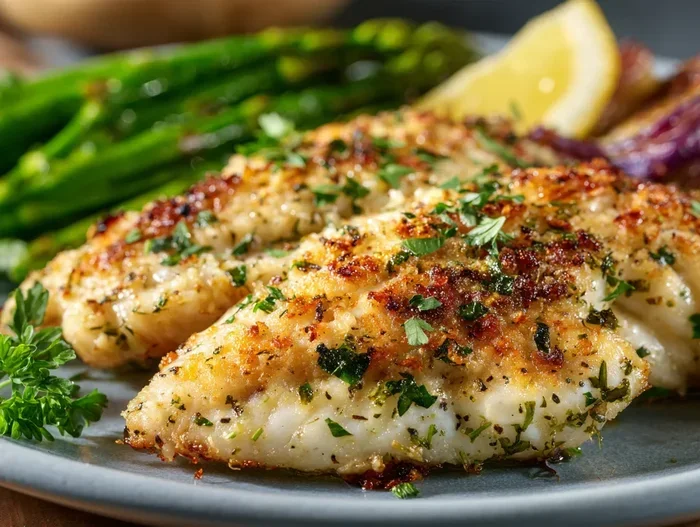
How Long Should You Bake Tilapia In The Oven Perfectly
Wondering How Long Should You Bake Tilapia In The Oven for perfectly flaky fish? This guide reveals the exact baking time, temperature, and tips to avoid dry, overcooked fillets. Whether you are a beginner or a seasoned cook, you will learn the foolproof method for oven-baked tilapia that stays moist and delicious every single time.
If you are looking for a quick, healthy weeknight dinner, baked tilapia is a fantastic choice. This mild white fish cooks fast and pairs well with almost any side dish. But the question everyone asks is: How Long Should You Bake Tilapia In The Oven? The answer depends on a few simple factors, and I will walk you through each one.
Whether you prefer a crispy skin or a tender, buttery fillet, getting the time and temperature right makes all the difference. In this guide, I will share the exact oven temperature, baking times for different thicknesses, and my favorite seasonings. You will also learn common mistakes that turn tender fish into dry, rubbery bites. By the end, you will know exactly how to bake tilapia in the oven perfectly every single time.
Key Takeaways
- Perfect Temperature: Bake tilapia at 400°F for the best balance of crispy edges and tender flesh.
- Timing is Key: Thin fillets need 10–12 minutes; thicker pieces may require up to 20 minutes.
- Check Doneness: The fish should reach an internal temperature of 145°F and flake easily with a fork.
- Seasoning Matters: A simple lemon-butter mix or fresh herbs elevate the flavor without overpowering.
- Avoid Overcooking: Pull the fish out as soon as it flakes to keep it juicy.
- Parchment Paper Trick: Lining the baking sheet prevents sticking and makes cleanup a breeze.
- Meal Prep Friendly: Baked tilapia reheats well, making it a great option for healthy leftovers.
📑 Table of Contents
- The Ideal Oven Temperature for Baking Tilapia
- How Long to Bake Tilapia: A Complete Time Guide
- Step-by-Step Instructions for Perfect Baked Tilapia
- Delicious Seasonings and Marinades for Oven-Baked Tilapia
- Common Mistakes to Avoid When Baking Tilapia
- Expert Tips for Crispy, Moist Tilapia Every Time
- Conclusion
The Ideal Oven Temperature for Baking Tilapia
Getting the heat right is the foundation of great oven-baked tilapia. Too low and the fish steams instead of baking. Too high and the edges dry out before the center cooks through. The sweet spot for most tilapia fillets is 400°F (200°C). This temperature cooks the fish quickly enough to lock in moisture while still giving the outside a gentle golden color.
Why 400°F is the Sweet Spot
At 400°F, the oven heats the fillet evenly. The proteins in the tilapia denature gently, and the natural juices stay inside. I have tried many temperatures, and 400°F consistently gives me the best results for baked tilapia. It also works well whether you are using a thin fillet or a thicker cut. If your oven runs hot, you can drop to 390°F, but 400°F is the standard I recommend.
Quick Tips for Temperature Consistency
- Always preheat your oven for at least 10 minutes before placing the fish inside.
- Use an oven thermometer if you suspect your oven runs hot or cold.
- Place the baking sheet in the center rack for even heat circulation.
- Avoid opening the oven door frequently, as it drops the internal temperature.
Key Takeaways
- 400°F is the ideal oven temperature for baking tilapia.
- Preheat your oven and use the center rack.
- An oven thermometer helps eliminate guesswork.
How Long to Bake Tilapia: A Complete Time Guide
The baking time for tilapia fillets varies based on thickness, whether the fish is fresh or frozen, and your oven’s performance. I always tell my friends that there is no single answer to how long should you bake tilapia in the oven because every fillet is different. However, a general range of 10 to 20 minutes at 400°F covers most situations perfectly.
Baking Times for Different Fillet Thicknesses
Here is a quick reference table that shows the relationship between thickness and bake time. This is the most reliable way to plan your baked tilapia dinner.
| Thickness | Bake Time at 400°F | Result |
|---|---|---|
| Thin (¼ inch) | 8–10 minutes | Very tender, light texture |
| Medium (½ inch) | 12–15 minutes | Flaky, moist, easy to serve |
| Thick (¾ inch) | 18–20 minutes | Sturdy fillet, holds shape well |
So, How Long Should You Bake Tilapia In The Oven? The table above gives you a clear answer based on thickness. Remember that these times are for fresh or fully thawed fillets. If you are cooking from frozen, add about 5 extra minutes and check for doneness.
The Internal Temperature You Should Aim For
The most accurate way to know if your tilapia is done is with a meat thermometer. Insert it into the thickest part of the fillet. The internal temperature should read 145°F (63°C). At this point, the flesh turns opaque white and flakes easily when you press it with a fork. If you do not have a thermometer, look for those visual and tactile cues. The fish should not look translucent or mushy.
Key Takeaways
- Thin fillets bake in 8–10 minutes, thick ones need 18–20 minutes at 400°F.
- Always check the internal temperature for food safety and perfect texture.
- Add 5 minutes if cooking from frozen, but thawing is always better.
Step-by-Step Instructions for Perfect Baked Tilapia
Now that you know the time and temperature, let me walk you through the exact process. Following these steps guarantees moist, flaky tilapia every time. I use this method for weeknight dinners and company alike.
Prep Work: Pat Dry and Season
Start by removing the tilapia from the refrigerator 10 minutes before baking. This lets the fish come closer to room temperature, which promotes even cooking. Pat the fillets completely dry with paper towels. Moisture on the surface creates steam, which prevents a light crispiness. Then, brush both sides lightly with olive oil and sprinkle with salt, pepper, and any dried herbs you like.
The Baking Process
Line a baking sheet with parchment paper or lightly grease it. Place the seasoned fillets in a single layer with space between them. Do not crowd the pan. Slide the sheet into the preheated 400°F oven. Set a timer for the midpoint of your target time range. For a medium fillet, I set 13 minutes. At the halfway point, open the oven and gently flip each fillet. This ensures both sides brown evenly.
Resting the Fish
Once the timer goes off, check the internal temperature. If it reads 145°F, pull the pan out. Let the tilapia rest on the baking sheet for 2–3 minutes. This resting period allows the juices to redistribute, making every bite succulent. Serve immediately with your favorite sides.
Quick Tips
- Use a wire rack set over the baking sheet for even air circulation and crispier bottoms.
- Do not skip the flip. Baking on one side only can leave the top pale and soft.
- Fresh herbs like dill or parsley added in the last 2 minutes keep their flavor bright.
Key Takeaways
- Pat the fish dry before seasoning for better browning.
- Bake in a single layer and flip halfway through.
- Rest for 2–3 minutes after removing from the oven.
Delicious Seasonings and Marinades for Oven-Baked Tilapia
One of the best things about baked tilapia is how well it takes on flavor. Because the fish is mild, it acts as a blank canvas. You can go from classic Mediterranean to bold and spicy with just a few extra ingredients. Here are three of my go-to flavor profiles that turn simple oven-baked tilapia into a restaurant-quality meal.
Classic Lemon Butter
Melt 2 tablespoons of butter and mix with the juice of half a lemon, a minced garlic clove, and a pinch of salt. Brush this mixture over the fillets before baking. The butter basts the fish as it cooks, creating a rich, glossy finish. This is my go-to healthy tilapia recipe for date night.
Mediterranean Herb Blend
Combine dried oregano, thyme, rosemary, and a sprinkle of red pepper flakes. Toss the fillets in olive oil first, then coat with the herb mix. Top with thin lemon slices and a few black olives if you like. This seasoning works beautifully with roasted tomatoes on the same pan.
Spicy Southwest Style
Mix smoked paprika, cumin, chili powder, and a touch of brown sugar. Rub it into the fish with a little oil. The sugar caramelizes slightly in the oven, creating a subtle crust. Serve with a cool yogurt dipping sauce to balance the heat. This baked tilapia recipe is a hit with kids and adults alike.
Quick Tips
- Marinate for at least 15 minutes for deeper flavor, but do not exceed 30 minutes or the acid will start to cure the fish.
- Brush the marinade on just before baking if you are short on time.
- Fresh herbs added at the end keep their aroma vibrant.
Key Takeaways
- Lemon butter is a timeless, foolproof choice.
- Herb blends add complexity without extra steps.
- Spicy rubs work best with a small amount of sugar for caramelization.
Common Mistakes to Avoid When Baking Tilapia
Even experienced cooks sometimes ruin a good piece of fish. Knowing the pitfalls helps you avoid them. I have seen these mistakes many times, and they all lead to the same disappointing result: dry, tasteless tilapia fillets. Here are the errors I see most often, and how to fix them.
Overcooking the Fish
This is the number one enemy of oven-baked tilapia. Tilapia is a lean fish with very little fat, so it dries out quickly once it passes the ideal temperature. The difference between perfect and overcooked can be just 2–3 minutes. Always set a timer and check the fish a few minutes before the minimum time is up. If it flakes easily and reaches 145°F, take it out immediately.
Skipping the Pat-Dry Step
Moisture on the surface of the fish creates steam instead of allowing the top to crisp. I always pat the fillets dry with a paper towel before seasoning. This simple step makes a huge difference in texture. It also helps the seasoning stick to the fish instead of sliding off into the pan.
Using the Wrong Pan
A dark, non-stick pan can cause the bottom to burn before the center cooks. Glass pans heat unevenly for this purpose. I recommend a light-colored aluminum baking sheet lined with parchment paper. If you want to avoid sticking entirely, a silicone baking mat works wonders. The pan choice directly impacts how your baked tilapia turns out.
Key Takeaways
- Set a timer and check early to prevent overcooking.
- Pat the fish dry for better texture and seasoning adhesion.
- Use a light-colored baking sheet for even, gentle browning.
Expert Tips for Crispy, Moist Tilapia Every Time
Once you have the basics down, you can elevate your baked tilapia to the next level. These expert-level tricks come from years of testing and refining my oven-baked fish recipes. They are simple to implement and make a noticeable difference in both flavor and texture.
The Parchment Paper Method
I strongly recommend lining your baking sheet with parchment paper. The fish releases effortlessly, and the bottom stays evenly browned without sticking. Unlike foil, parchment allows just enough air circulation to dry the top slightly, which creates a delicate crispness. This is my preferred method for bake tilapia in the oven every single time.
Broiling for Extra Crispiness
If you love a crispy top, finish your baked tilapia under the broiler for 1–2 minutes. Watch it closely because the broiler can burn the fish in seconds. I like to sprinkle a tiny bit of breadcrumbs or grated parmesan on top before broiling. The result is a golden, crunchy crust that contrasts beautifully with the tender interior. This technique turns a simple weeknight meal into something special.
Letting the Fish Come to Room Temperature
Cold fish straight from the fridge cooks unevenly. The outside overcooks while the center remains underdone. Taking the tilapia fillets out 10 minutes before baking solves this problem. The fish cooks more uniformly, and the baking time becomes more predictable. This small step is something every home cook can adopt immediately.
Expert Insights
Chef Maria Torres, a seafood specialist with over 15 years of experience, shares this tip: “The secret to perfect oven-baked tilapia is not the time on the clock, it is the visual and tactile cues. When the fish turns opaque from edge to center and separates into clean flakes with gentle pressure, it is done. Trust your eyes and your fork over the timer.” This advice has helped me become more confident with every batch of baked tilapia.
Key Takeaways
- Parchment paper prevents sticking and promotes even browning.
- Broiling for 1–2 minutes adds a desirable crispy top.
- Bring fish to room temperature for uniform cooking.
Conclusion
How Long Should You Bake Tilapia In The Oven is a question with a simple, reliable answer once you understand the variables. Stick to 400°F, use the thickness guide for timing, and always check for that 145°F internal temperature. The right seasoning and a few smart tricks like parchment paper and a room-temperature start will transform your oven-baked tilapia from ordinary to extraordinary. You will have a healthy, flavorful dinner on the table in under 20 minutes, and your family will ask for it again and again. Now that you have all the tools, go ahead and bake your next batch of tilapia with total confidence.
Frequently Asked Questions
Can you bake tilapia from frozen?
Yes, you can bake tilapia directly from frozen, but you will need to add about 5 extra minutes to the baking time. Thawing the fillets first is always better because it promotes more even cooking and reduces the risk of dry edges. If you cook from frozen, make sure the internal temperature reaches 145°F before serving.
What is the best way to prevent dry baked tilapia?
The best way to prevent dry tilapia is to avoid overcooking it. Pull the fish out as soon as it reaches 145°F and flakes easily with a fork. Brushing the fillets with a little olive oil or melted butter before baking also helps retain moisture. Using parchment paper and not overcrowding the pan further supports a juicy result.
Is it better to bake tilapia covered or uncovered?
Baking tilapia uncovered is generally better because it allows the top to dry slightly and develop a light, appealing texture. Covering the fish traps steam, which can make the surface soggy. If you find your fillets drying out too quickly, you can loosely tent them with foil for the last few minutes of baking, but leaving them uncovered for most of the time yields the best results.
What temperature should tilapia be when done?
Tilapia is done when it reaches an internal temperature of 145°F (63°C). At this temperature, the flesh turns opaque white and separates into clean, tender flakes. Using a meat thermometer is the most reliable method to ensure your baked tilapia is both safe to eat and perfectly cooked.
Can I use foil instead of parchment paper for baking tilapia?
You can use foil, but it tends to stick more than parchment paper and can cause the bottom of the fish to over-brown or stick. Parchment paper provides a non-stick surface without the risk of tearing the delicate fillets. If you only have foil, lightly grease it before placing the fish to minimize sticking.
How do I know if tilapia is overcooked?
Overcooked tilapia looks chalky white, feels mushy or dry when pressed, and falls apart in large, mushy flakes instead of clean, distinct pieces. The fish will also taste bland and tough. To avoid this, check the internal temperature early and remove the fillets the moment they reach 145°F and flake easily.