How Do U Make Espresso Coffee With These Simple Tips
Making espresso coffee at home is easier than you think. This guide covers everything you need to know about choosing beans, grinding, tamping, and pulling the perfect shot. You will learn simple techniques that turn your kitchen into a mini coffee shop.
There is something magical about a perfectly crafted espresso. The rich aroma, the creamy crema, and the bold flavor all come together in a small cup that wakes up your senses. If you have ever wondered how do u make espresso coffee at home, you are in the right place. This guide walks you through every step with simple, practical advice. You do not need to be a professional barista to make amazing espresso. With the right tools and a little patience, you can enjoy café-quality espresso right in your own kitchen.
Espresso is more than just strong coffee. It is a brewing method that uses pressure to extract flavor from finely ground beans. The result is a concentrated drink with a layer of golden crema on top. Whether you like it straight, with a splash of milk, or as a base for lattes and cappuccinos, learning to make espresso opens up a world of possibilities. Let us dive into the essentials and get you brewing.
Key Takeaways
- Right Equipment Matters: A quality espresso machine or maker is the foundation of great espresso at home.
- Bean Freshness Is Key: Always use freshly roasted beans and grind them just before brewing for the best flavor.
- Tamping Technique Counts: Even pressure when tamping ensures a balanced and rich espresso shot.
- Temperature and Timing Matter: Water temperature and extraction time directly impact the taste of your espresso.
- Practice Makes Perfect: Like any skill, making great espresso improves with repetition and attention to detail.
📑 Table of Contents
What Is Espresso And Why Do People Love It
Espresso is a method of brewing coffee where hot water is forced through finely ground coffee at high pressure. This process extracts flavors and oils much faster than regular drip coffee. The result is a small, concentrated shot that packs intense flavor and aroma. A single espresso shot is typically about one ounce, but it delivers a powerful coffee experience.
People love espresso for many reasons. First, it tastes bold and rich. The pressure extraction pulls out more flavor compounds than other brewing methods. Second, espresso is versatile. You can drink it on its own, or use it as the base for drinks like lattes, cappuccinos, and americanos. Third, making espresso at home gives you control over every variable. You decide the bean type, grind size, water temperature, and extraction time. This level of control is what draws so many coffee lovers into the world of home espresso.
The history of espresso dates back to Italy in the early 1900s. Luigi Bezzera patented the first espresso machine in 1901, and the rest is history. Today, espresso machines range from simple stovetop models to advanced professional-grade equipment. No matter what type you use, the basic principles remain the same. Fine grounds, hot water, pressure, and time. Master these, and you are well on your way to espresso perfection.
Essential Equipment For Making Espresso At Home
Before you start brewing, you need the right equipment. You do not need to spend a fortune, but having the proper tools makes a big difference. Here is what you will need to get started with your espresso journey.
Espresso Machine Options
The espresso machine is the heart of your setup. There are several types to choose from. Manual machines give you full control over every step of the process. They require more skill but offer the most flexibility. Semi-automatic machines handle some tasks for you while still letting you manage key variables. They are a great choice for beginners. Fully automatic machines do almost everything at the push of a button. They are convenient but offer less room for experimentation.
If you are just starting out, a simple stovetop espresso maker, also known as a Moka pot, is an affordable option. It uses steam pressure to brew a strong coffee that is similar to espresso. While it is not true espresso, it produces a rich and flavorful cup that many coffee lovers enjoy. You can also find compact espresso makers that fit on any countertop without breaking the bank.
Many kitchen enthusiasts also own multi-function appliances. For instance, if you already use a How To Use Farberware Air Fryer Toaster Oven in your kitchen, you know how versatile modern appliances can be. Some toaster ovens even come with steam functions that can assist in warming milk or keeping your espresso cups at the right temperature.
Grinder And Other Essential Tools
A burr grinder is essential for making espresso. It grinds coffee beans evenly, which is critical for consistent extraction. Blade grinders work but they do not produce a uniform grind size. This can lead to uneven extraction and a messy cup of coffee. Invest in a good burr grinder if you are serious about espresso.
You will also need a tamper, which is used to press the coffee grounds into the portafilter. A scale helps you measure the right amount of coffee and water. A knock box makes cleanup easy by letting you discard used grounds quickly. Finally, a good quality kettle with temperature control ensures your water is at the perfect heat. Each of these tools plays a role in making great espresso at home.
Choosing The Right Espresso Beans
The beans you choose shape the flavor of your espresso more than anything else. Not all coffee beans are created equal, and espresso demands specific qualities. Understanding what to look for will elevate your home brewing game.
Bean Roast Levels
Espresso beans are typically roasted medium to dark. Dark roasts produce bold, smoky flavors with lower acidity. They are the classic choice for traditional espresso drinks. Medium roasts offer a balance of flavor and acidity. They bring out more of the bean’s original characteristics, including fruity or floral notes. Light roasts can work for espresso too, but they require more careful brewing to bring out the best flavors.
When you are learning how do u make espresso coffee, start with a medium-dark roast. This roast level is forgiving and produces consistent results. As you gain experience, you can experiment with different roast levels to find your preferred taste profile.
Freshness And Storage
Freshness is critical for great espresso. Always buy beans that have a roast date on the bag, not just an expiration date. Beans taste best within two to four weeks of roasting. Store them in an airtight container away from light and heat. Never store coffee beans in the freezer, as moisture can damage the flavor.
Grind your beans just before brewing. Once ground, coffee starts to lose its flavor within minutes. This is why investing in a good burr grinder is so important. The fresher your grounds, the better your espresso will taste. Think of it this way: stale beans make stale coffee, no matter how good your machine is.
Grinding And Tamping Like A Pro
Grinding and tamping are two of the most important steps in making espresso. They directly affect how water flows through the coffee and what flavors get extracted. Getting these steps right takes practice, but the results are worth the effort.
Getting The Grind Right
Espresso requires a very fine grind, finer than what you would use for drip coffee. The texture should resemble powdered sugar or table salt. If your grind is too coarse, water flows through too quickly and your espresso will be weak and sour. If it is too fine, water cannot pass through and your shot will take too long, resulting in a bitter taste.
Here are some quick tips for dialing in your grind:
- Start with a fine setting on your burr grinder.
- Pull a shot and time it. A single espresso shot should take about 25 to 30 seconds.
- If the shot runs too fast, grind finer.
- If the shot takes too long, grind slightly coarser.
- Make small adjustments each time. Big changes throw off your results.
Keep notes on your grind settings and extraction times. This helps you replicate your best shots consistently. Over time, you will develop an instinct for the right grind size.
The Art Of Tamping
Tamping is the process of pressing the coffee grounds into the portafilter with even pressure. The goal is to create a uniform surface that water can flow through evenly. Uneven tamping causes channeling, where water finds weak spots and bypasses the coffee. This leads to under-extraction and a sour, thin shot.
Use about 30 pounds of pressure when tamping. That is firm but not forceful. Place the tamper on the grounds and press straight down with a smooth motion. The surface should be level and compact. Think of it like pressing down a snowball. You want it firm and even all around.
Some baristas twist the tamper slightly at the end to create a smooth surface. This is called a WDT technique, which stands for Weiss Distribution Technique. It uses a thin needle or tool to break up clumps before tamping. This method produces more consistent results, especially for beginners. Try it out and see if it improves your espresso shots.
Pulling The Perfect Espresso Shot
This is the moment you have been working toward. Pulling the shot is where all your preparation comes together. Understanding the process helps you troubleshoot problems and refine your technique.
The Extraction Process
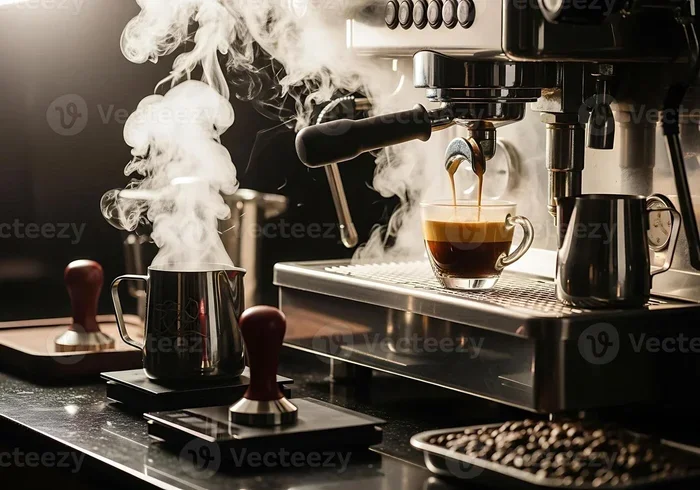
With your grounds tamped and ready, it is time to brew. Lock the portafilter into your machine and start the extraction. Hot water at around 195 to 205 degrees Fahrenheit is forced through the coffee at high pressure. This process should take about 25 to 30 seconds for a single shot.
Watch the espresso as it comes out. It should start as a dark stream and gradually turn into a golden honey-like color. The first part of the shot is called the heart. The middle is the body. The last part is the tail. A well-pulled shot has a thick layer of crema on top, which is a sign of good extraction.
Temperature plays a big role in extraction. Just like you need to know how long to preheat oven for cinnamon rolls to get the right results, your espresso machine needs the right water temperature. Too hot and your shot will be bitter. Too cool and it will be sour and weak. Most machines allow you to adjust temperature settings. Take the time to find what works best for your beans.
Troubleshooting Common Problems
Even experienced home baristas run into issues from time to time. Here are some common problems and how to fix them:
- Shot runs too fast: Your grind is too coarse. Try grinding finer and tamping with more pressure.
- Shot takes too long: Your grind is too fine. Adjust to a slightly coarser setting.
- Espresso tastes sour: This usually means under-extraction. Grind finer, tamp harder, or increase the extraction time.
- Espresso tastes bitter: This indicates over-extraction. Grind coarser, use less coffee, or shorten the brew time.
- No crema: Your beans may be stale or the extraction temperature is too low. Try fresher beans and check your machine settings.
Keep experimenting. Each adjustment teaches you something new about your machine and your beans. The process of troubleshooting is part of the fun of making espresso at home.
Tips For The Best Espresso At Home
Now that you know the basics, here are some expert tips that will help you improve your espresso game. These small details can make a big difference in the quality of your cup.
Keep Your Equipment Clean
Clean equipment brews better coffee. Oils and residue build up in your machine and portafilter over time, which can make your espresso taste rancid or off. Backflush your machine regularly with cleaning solution if it has a three-way valve. Remove the portafilter and basket after each use and rinse them thoroughly.
Think about how you maintain other kitchen equipment. Just as you would clean the bottom tray of a toaster oven to keep it working properly, regular cleaning of your espresso machine ensures consistent performance and great taste every time you brew.
Use Quality Water
Water makes up over 90 percent of your espresso shot. If your tap water tastes bad, your espresso will taste bad too. Use filtered water for the best results. Avoid distilled water because it lacks the minerals that help extract flavor from coffee grounds. The ideal water temperature is between 195 and 205 degrees Fahrenheit. If your machine does not have temperature control, let the water heat up for a few extra seconds before brewing.
Warm Your Cups Before Serving
Nothing ruins a perfect espresso shot faster than a cold cup. Cold cups absorb heat from the espresso, which causes the crema to dissipate quickly and the flavor to fade. Before you pull your shot, place your cups in a warm spot. You can warm them on a tray near your machine or use a cup warmer.
Some people warm their cups by rinsing them with hot water. Others place them on a warming plate. Whatever method you choose, warm cups help preserve the crema and keep your espresso at the perfect drinking temperature longer.
Practice Your Timing
Timing is everything in espresso. From grinding to tamping to brewing, each step has an ideal time window. Grind your beans just before you brew. Tamp immediately after grinding to prevent the grounds from drying out. Start the shot right after tamping for the best extraction.
Consider the whole process as a flow. When you first start learning, it helps to write down each step and how long it takes. Over time, the process becomes second nature. You will move through each step with confidence and consistency.
Common Mistakes To Avoid
Even the best intentions can lead to mistakes when making espresso. Here are some common errors to watch out for:
- Using pre-ground coffee: Pre-ground coffee loses flavor quickly. Always grind fresh for the best results.
- Skipping the purge: Flush a little water through the group head before pulling your shot. This clears any old coffee grounds and ensures the water temperature is correct.
- Ignoring the dose: Use a scale to measure your coffee. Too much or too little coffee throws off the entire shot.
- Rushing the process: Espresso takes patience. Do not skip steps or rush through them. Each step matters.
- Neglecting maintenance: Descale your machine regularly. Mineral buildup affects temperature and pressure, which directly impacts your espresso quality.
Avoiding these mistakes will save you time and frustration. More importantly, it will help you produce better espresso from day one.
Quick Tips For Better Espresso
Here are some quick tips you can start using right away to improve your espresso:
- Always use freshly roasted beans within two to four weeks of the roast date.
- Grind your beans just before brewing for maximum freshness.
- Use a scale to measure both coffee and water for consistency.
- Tamp with firm, even pressure and a level surface.
- Clean your machine and accessories after every use.
- Experiment with different bean origins and roast levels to find your favorite flavor profile.
- Keep your water filtered and at the right temperature.
- Warm your cups before pulling a shot.
- Take notes on your process and adjust one variable at a time.
- Be patient. Great espresso takes practice and persistence.
These tips may seem simple, but they form the foundation of excellent espresso. Start with a few and add more as you grow comfortable with the process. Before long, making espresso will feel like second nature.
Wrapping Up Your Espresso Journey
Learning how do u make espresso coffee is a rewarding journey that starts with simple steps and grows into a lifelong passion. From choosing the right beans to mastering your grind and tamp, every detail matters. The beauty of making espresso at home is that you control every variable. You decide the strength, the flavor, and the style of every cup.
Start with the basics and build from there. Do not worry about being perfect from the start. Every shot you pull teaches you something new. Keep experimenting, keep tasting, and keep improving. Soon enough, you will be pulling espresso shots that rival your favorite coffee shop. And the best part is, you get to enjoy them in the comfort of your own home.
Remember, great espresso is not about expensive equipment. It is about understanding the process and paying attention to the details. With the tips and techniques in this guide, you are well equipped to make amazing espresso every single day. So go ahead, pull up a chair, and enjoy the journey. Your perfect espresso shot is waiting for you.
Frequently Asked Questions
What type of coffee beans are best for espresso?
Medium to dark roast beans work best for most espresso drinks. They produce bold flavors with rich crema. Freshly roasted beans within two to four weeks of the roast date give you the best taste. Experiment with different origins to find the flavor profile you enjoy most.
Do I need an expensive espresso machine to make good espresso?
No, you do not need an expensive machine to start. A simple stovetop Moka pot can produce a strong, espresso-like coffee on a budget. As you get more serious, you can upgrade to a semi-automatic machine. The key is mastering your technique regardless of the equipment you use.
How long should it take to pull a single espresso shot?
A single espresso shot should take about 25 to 30 seconds to pull. If it runs faster, your grind is too coarse. If it takes longer, your grind is too fine. Timing is one of the most important indicators of a well-extracted shot.
Can I use pre-ground coffee for espresso?
You can, but freshly ground beans produce significantly better flavor. Pre-ground coffee loses its aroma and oils quickly after grinding. If you must use pre-ground coffee, store it in an airtight container and use it as soon as possible for the best results.
Why is my espresso bitter?
Bitter espresso usually means over-extraction. This can happen if your grind is too fine, your water is too hot, or your extraction time is too long. Try grinding coarser, lowering your water temperature slightly, or shortening the brew time to fix the issue.
How often should I clean my espresso machine?
You should rinse your portafilter and basket after every use. Do a deeper cleaning and descaling once a month, or more often if you live in an area with hard water. Regular cleaning prevents oil buildup and mineral deposits that can affect the taste and performance of your machine.
=== CONCLUSION ===
Making espresso coffee at home is a skill anyone can learn with the right guidance. You now have the knowledge to choose beans, grind them properly, tamp with confidence, and pull the perfect shot. Start simple, stay patient, and enjoy the process. Each cup you make brings you one step closer to espresso mastery. Happy brewing!