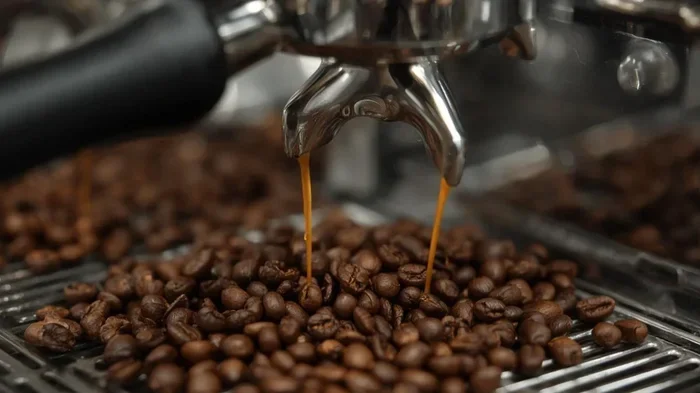
Can You Brew Espresso Beans Just Like Regular Coffee
Yes, you can brew espresso beans just like regular coffee. Espresso beans are simply coffee beans roasted longer and ground finer, but they work in any brewer. Whether you use a drip machine, French press, or pour-over, espresso beans make a bold, rich cup of coffee that many coffee lovers prefer.
Have you ever stared at a bag of espresso beans and wondered if you could brew them just like your regular coffee? Maybe you ran out of your usual beans and only had espresso beans left. Or perhaps you bought a bag of espresso beans by mistake. Whatever the reason, the question is simple: can you brew espresso beans like regular coffee?
The short answer is yes, absolutely. You can brew espresso beans in a drip coffee maker, a French press, a pour-over, or any other method you prefer. Espresso beans are not some magical, mysterious ingredient. They are just regular coffee beans that have been roasted longer and ground finer. But there are some things you should know to get the best cup of coffee from them.
In this guide, we will walk you through everything you need to know about brewing espresso beans like regular coffee. We will cover what makes espresso beans different, which brewing methods work best, common mistakes to avoid, and practical tips to improve your morning cup. Whether you are a coffee beginner or a seasoned drinker, this article will help you get more out of your espresso beans.
Key Takeaways
- Espresso beans can be brewed like regular coffee: They work in any brewing method you already own.
- Grind size matters a lot: Using the right grind prevents over-extraction and bitter flavors.
- Dark roast vs. light roast changes the flavor: Espresso beans are typically darker, giving a bolder taste.
- Brewing time and water temperature are key: Adjust these to get the best results with espresso beans.
- French press and pour-over are great methods: They bring out the full flavor profile of espresso beans.
- You don’t need an espresso machine: Regular coffee makers can handle espresso beans just fine.
- Freshly ground beans taste better: Grind your espresso beans right before brewing for the best aroma.
📑 Table of Contents
- What Are Espresso Beans?
- Espresso Beans vs Regular Coffee Beans
- Can You Brew Espresso Beans in a Regular Coffee Maker?
- Best Brewing Methods for Espresso Beans
- Common Mistakes When Brewing Espresso Beans Like Regular Coffee
- Quick Tips for the Best Cup of Espresso Bean Coffee
- Expert Insights on Brewing Espresso Beans
- Conclusion
What Are Espresso Beans?
Before we dive into brewing, let us clear up what espresso beans actually are. Many people think espresso beans are a completely different type of coffee bean. That is not true. Espresso beans are regular coffee beans that have been roasted longer and at a higher temperature. This longer roast gives them a dark, bold flavor and an oily surface.
The Roast Difference
Coffee beans go through different roast levels. Light roast beans are roasted for a shorter time and keep more of their original flavors. Medium roast beans balance acidity and body. Dark roast beans, which include most espresso beans, are roasted the longest. They taste bolder, smokier, and less acidic.
When you buy a bag labeled “espresso beans,” it usually means the roaster designed those beans to work well with high-pressure espresso machines. But that does not mean you cannot use them in other ways. Espresso beans are versatile and can be brewed in many different coffee makers.
Why Are Espresso Beans Ground Finer?
Espresso beans are typically ground finer than regular drip coffee beans. This is because espresso machines use high pressure to push water through the grounds quickly. A finer grind gives the water more surface area to extract flavor in a short time. When you brew these same beans in a regular coffee maker, the grind size still matters a lot.
If you want to learn more about how grind size affects coffee strength, check out our guide on will grinding coffee beans finer make it stronger. It covers how fine-tuning your grind changes everything about your cup.
Espresso Beans vs Regular Coffee Beans
So what is the real difference between espresso beans and the beans you use for your morning drip coffee? The answer might surprise you. In most cases, the difference comes down to roast level, grind size, and blending. Let us break it down.
Roast Level
Espresso beans are almost always dark roasted. Regular coffee beans can be light, medium, or dark roasted. The dark roast gives espresso beans a rich, smoky, and sometimes chocolatey flavor. Regular medium roast beans tend to be more balanced and brighter in acidity.
Blend vs Single Origin
Many espresso beans are blends, meaning they mix beans from different regions. Blends are designed to create a consistent flavor profile. Single origin beans come from one specific region and have unique tasting notes. You can use either type to brew regular coffee.
Caffeine Content
Here is a common myth. Many people think espresso beans have more caffeine. In reality, the roast level has a small effect on caffeine. Dark roast beans weigh less because they lose more moisture during roasting. So if you measure your coffee by weight, dark roast beans might give you slightly more caffeine per scoop. But if you measure by volume, the difference is tiny.
Can You Brew Espresso Beans in a Regular Coffee Maker?
This is one of the most common questions coffee lovers ask. The answer is a resounding yes. You can absolutely put espresso beans in a drip coffee maker, a pod machine, or any other standard brewer. The key is to adjust a few things so the coffee tastes great.
Adjusting the Grind Size
If your espresso beans come pre-ground, they will likely be ground very fine. This fine grind can cause problems in a drip coffee maker. The water may not flow through properly, leading to a slow brew or a clogged filter. The result can be bitter, over-extracted coffee.
The best solution is to grind your espresso beans to a medium or medium-coarse size before brewing in a regular coffee maker. A medium grind looks similar to sand or kosher salt. This size allows water to flow through at the right speed and extracts the flavors evenly.
For more tips on brewing coffee without special equipment, take a look at our article on how to make coffee without filter or machine. It covers simple methods that work with any type of coffee bean.
Water Temperature and Brew Time
Espresso beans extract differently than lighter roasts. Because they are roasted longer, the cell structure of the bean changes. This means they release flavors more quickly. When brewing with a regular coffee maker, use water that is between 195°F and 205°F for the best results.
Brew time should be around 4 to 6 minutes for a standard drip machine. If your coffee tastes too bitter, try using slightly cooler water or reducing the brew time. If it tastes weak or sour, try hotter water or a longer brew.
Coffee-to-Water Ratio
A good starting point is 2 tablespoons of coffee per 6 ounces of water. Since espresso beans are denser due to the longer roast, you might want to use a little less coffee than you normally would. Start with 1.5 tablespoons and adjust to your taste. You can always add more, but you cannot take it away.
Best Brewing Methods for Espresso Beans
Not all brewing methods work equally well with espresso beans. Some methods bring out the best in dark roasted beans, while others can make them taste harsh. Here are the best ways to brew espresso beans like regular coffee.
French Press
The French press is one of the best methods for brewing espresso beans. It uses a full immersion brewing process, which means the coffee grounds sit in hot water for the entire brew time. This brings out the rich, bold flavors that dark roasted beans are known for.
To use a French press with espresso beans, grind them to a medium-coarse size. Use water just off the boil, around 200°F. Let the coffee steep for 4 minutes, then press the plunger down slowly. You will get a full-bodied, rich cup of coffee that highlights the chocolatey and smoky notes of the dark roast.
Pour Over
Pour-over brewing gives you more control over the extraction process. This method works well with espresso beans because you can adjust the pour speed and water temperature. Use a medium grind and a paper filter to keep the coffee clean and smooth.
Pour-over coffee made from espresso beans tends to have a cleaner, brighter flavor than French press coffee. The paper filter removes some of the oils, which can reduce bitterness. This is a great option if you find espresso beans taste too heavy in a French press.
Drip Coffee Maker
The drip coffee maker is the most common method for brewing regular coffee, and it works fine with espresso beans. Just remember to use a medium grind and a clean filter. Drip machines heat water to the right temperature automatically, so you do not have to worry about that part.
The main challenge with drip coffee makers and espresso beans is the fine grind. If the grind is too fine, it can slow down the water flow and cause over-extraction. Stick to a medium grind for the best results.
AeroPress
The AeroPress is a versatile brewing tool that works wonderfully with espresso beans. It uses air pressure to push water through the coffee grounds, similar to an espresso machine but at much lower pressure. This method produces a smooth, rich coffee with low acidity.
Use a medium-fine grind with the AeroPress and brew for about 1 to 2 minutes. The short brew time works perfectly with the fast extraction properties of dark roasted beans.
Common Mistakes When Brewing Espresso Beans Like Regular Coffee
Even though brewing espresso beans is straightforward, there are a few common mistakes that can ruin your cup. Here is what to watch out for.
Using Too Fine a Grind
This is the number one mistake people make. Espresso beans are already ground fine for espresso machines. If you use them at that fineness in a drip coffee maker or French press, the coffee will taste over-extracted and bitter. Always grind your beans to the appropriate size for your brewing method.
Using Water That Is Too Hot
Boiling water can scorch dark roasted beans and bring out unpleasant flavors. Water that is too hot extracts too many compounds too quickly, leading to a harsh, burnt taste. Let your water cool for about 30 seconds after boiling before pouring it over your grounds.
Using Stale Beans
Coffee beans lose their freshness quickly after grinding. If you want the best flavor, grind your beans right before brewing. Store whole espresso beans in an airtight container away from light and heat. Fresh beans make a noticeable difference in taste and aroma.
Ignoring the Coffee-to-Water Ratio
Using too much coffee or too little water can throw off the balance of your cup. Stick to a consistent ratio and adjust based on your taste preferences. A kitchen scale can help you measure both coffee and water accurately.
Quick Tips for the Best Cup of Espresso Bean Coffee
- Always use fresh beans. Buy whole beans and grind them just before brewing for the best flavor.
- Match the grind size to your method. Medium for drip, medium-coarse for French press, medium-fine for AeroPress.
- Use filtered water. Good water makes a big difference in coffee taste.
- Experiment with brew times. Try different steep or brew times to find your perfect cup.
- Store beans properly. Keep them in a cool, dark place in an airtight container.
- Clean your equipment regularly. Old coffee oils can go rancid and affect the taste of your next cup.
- Try different brands. Not all espresso beans are the same. Different roasters produce different flavor profiles.
Expert Insights on Brewing Espresso Beans
We asked a few coffee professionals for their thoughts on using espresso beans for regular brewing. Here is what they had to say.
Sarah Chen, Specialty Coffee Roaster: “Espresso beans are some of the most flavorful beans you can find. When brewed in a French press or pour-over, they produce a rich and satisfying cup. The key is not to over-extract them. Use a coarser grind than you would for espresso and you will be amazed at the results.”
Marcus Rivera, Barista and Coffee Educator: “People often think they need an expensive machine to enjoy espresso beans. That is simply not true. A basic drip coffee maker or a $20 French press can bring out incredible flavors from dark roasted beans. Do not let the name ‘espresso’ limit your brewing creativity.”
Dr. James Park, Food Scientist: “The chemistry of dark roasted beans is different from light roasted beans. They have fewer acidic compounds and more caramelized sugars. This is why they taste sweeter and smoother when brewed correctly. The brewing method you choose can highlight or mask these qualities.”
Conclusion
So, can you brew espresso beans just like regular coffee? Yes, you absolutely can. Espresso beans are not limited to espresso machines. They work beautifully in drip coffee makers, French presses, pour-overs, AeroPress devices, and more. The key is to adjust your grind size, water temperature, and brew time to match the method you are using.
Espresso beans bring a bold, rich flavor to your regular coffee routine. They are perfect for people who love a strong, full-bodied cup of coffee without the need for expensive equipment. Next time you find yourself with a bag of espresso beans, do not hesitate to brew them your way. Experiment with different methods and find the one that brings out the best in your beans.
The beauty of coffee is that there are no strict rules. Your morning cup should taste the way you like it. So grab those espresso beans, grind them to the right size, and enjoy a delicious cup of coffee that fits your style.
Frequently Asked Questions
Can I use espresso beans in a regular drip coffee maker?
Yes, you can use espresso beans in a drip coffee maker. Just make sure to grind them to a medium size before brewing. The fine grind that comes pre-ground for espresso can clog filters and cause over-extraction. A medium grind will give you a smooth, balanced cup of coffee.
Do espresso beans have more caffeine than regular coffee beans?
Not really. The caffeine content depends more on the type of bean and the brewing method than the roast level. Dark roasted espresso beans actually have slightly less caffeine per gram because they lose moisture during the longer roasting process. The difference is very small and not noticeable in a typical cup.
What is the best grind size for brewing espresso beans in a French press?
For a French press, use a medium-coarse grind. This size allows the coffee to brew evenly over the 4-minute steep time without letting fine particles slip through the filter. A medium-coarse grind looks similar to rough sand or sea salt and produces a clean, full-bodied cup.
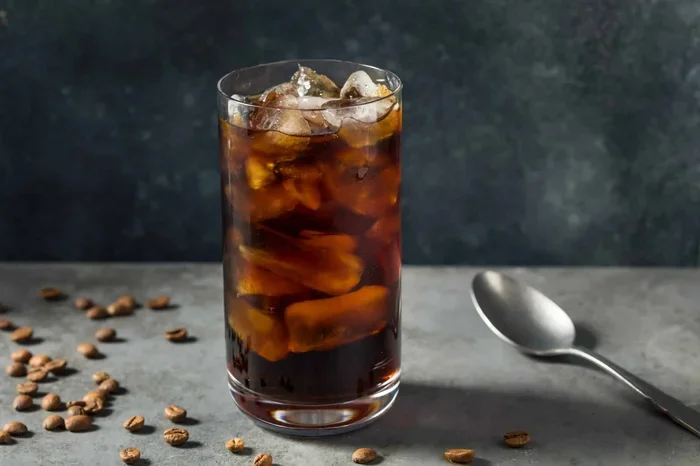
Can I use espresso beans for cold brew?
Absolutely. Espresso beans work great for cold brew. Their bold, dark flavors stand up well to the long steeping process. Use a coarse grind and steep the beans in cold water for 12 to 24 hours. The result is a smooth, concentrated coffee with low acidity and rich chocolatey notes.
Why does my coffee taste bitter when I use espresso beans?
Bitterness usually comes from over-extraction. This happens when the grind is too fine, the water is too hot, or the brew time is too long. Try using a coarser grind, slightly cooler water, and a shorter brew time. These adjustments should reduce bitterness and bring out a smoother flavor.
How long do espresso beans stay fresh after opening the bag?
Whole espresso beans stay fresh for about 2 to 4 weeks after opening the bag if stored properly. Keep them in an airtight container in a cool, dark place. Avoid storing them in the fridge or freezer, as moisture can degrade the flavor. For the best taste, try to use them within two weeks of opening.