Can Plastic Go In Air Fryer Here Is What You Need To Know
Can plastic go in air fryer? The short answer is no — most plastics will melt, warp, or release harmful chemicals when exposed to high air fryer temperatures. Using plastic in an air fryer can damage your appliance and create health risks. This guide covers exactly why plastic is dangerous, which materials are safe, and what you should use instead for air fryer cooking.
You have leftover food in a plastic container and you want to reheat it quickly. The air fryer sits on your counter, calling your name. But then a thought hits you — can plastic go in air fryer? This is one of those questions that seems simple but actually matters a lot for your health and your kitchen equipment.
Many people assume that because air fryers cook faster than ovens, they are more forgiving. That is not the case at all. Air fryers use rapid hot air circulation to cook food at high temperatures. And most plastics simply cannot handle that kind of heat. In this article, we will walk through everything you need to know about air fryer safety when it comes to plastic. You will learn why plastic is dangerous, what happens when it goes wrong, and which materials you should use instead.
Whether you are a beginner with your first air fryer toaster oven or a seasoned cook looking for safer habits, this guide has you covered. Let us get into it.
Key Takeaways
- Plastic should never go in an air fryer: Most plastics melt at temperatures far below what air fryers reach, creating toxic fumes and mess.
- Air fryer temperatures exceed plastic limits: Typical air fryers run between 350°F and 400°F, while most plastics soften around 150°F to 250°F.
- Safe alternatives exist: Parchment paper, silicone, aluminum foil, and glass containers work perfectly in air fryers.
- Accidental plastic use can damage your unit: Melted plastic can clog the heating element and ruin the air fryer basket.
- Always check container labels: Look for “air fryer safe” or “oven safe” markings before placing any container inside.
- Health risks are real: Burning plastic releases harmful chemicals that can contaminate your food and irritate your lungs.
📑 Table of Contents
Why Plastic and Air Fryers Do Not Mix
The reason plastic and air fryers are a bad combination comes down to temperature. Air fryers work by blowing hot air around food at very high speeds. Most models operate between 350°F and 400°F. Some even go higher for specific recipes. Now think about what plastic does when it gets hot. It softens, warps, and eventually melts.
Here is the problem. The melting point of most common plastics ranges from about 150°F to 250°F. That is way below the minimum temperature your air fryer reaches. So even before your food is cooked, the container holding it could already be falling apart.
The Science Behind Plastic Melting
Different types of plastic have different melting points. But the truth is, none of the everyday plastics you find in your kitchen are built for air fryer heat. Here is a quick look at common plastics and what happens to them under high heat.
- Polyethylene (PE): Found in water bottles and plastic bags. Melts around 230°F to 250°F. An air fryer easily exceeds this.
- Polypropylene (PP): Used in some microwave-safe containers. Melts around 320°F. Still too low for most air fryer settings.
- Polyethylene Terephthalate (PET): Found in soda bottles. Softens at around 160°F. Dangerously low for air fryer use.
- Polystyrene (PS): Used in styrofoam. Melts at around 212°F. Will absolutely fail in an air fryer.
Even the so-called “microwave-safe” plastics are not designed for the intense, direct heat of an air fryer. Microwave heat works differently than the rapid convection heat an air fryer uses. So do not let the microwave-safe label fool you.
What Happens When You Put Plastic in an Air Fryer
So what actually happens if you forget and toss a plastic container in there? Several bad things, and none of them are good.
First, the plastic will start to soften and warp within minutes. It will lose its shape and may stick to the food or the air fryer basket. Second, melting plastic releases toxic fumes. These fumes contain chemicals like formaldehyde and styrene, which are harmful to breathe. Your kitchen will fill with unpleasant and potentially dangerous smoke.
Third, the melted plastic can damage the heating element and the fan inside your air fryer. Cleaning melted plastic out of an air fryer is a nightmare. It gets into hard-to-reach spots and can affect how your unit works going forward. If you have a Farberware air fryer or any other brand, the repair or replacement cost is not worth the risk.
Safe Materials You Can Use in an Air Fryer
Now that you know what not to use, let us talk about what you can use safely. The good news is there are plenty of great alternatives that work perfectly in an air fryer.
Parchment Paper
Parchment paper is one of the best accessories for air fryer cooking. It is heat resistant up to about 450°F, which covers most air fryer temperatures. Parchment paper helps prevent food from sticking to the basket and makes cleanup a breeze. Just make sure you weigh it down with food so it does not blow into the heating element.
You can buy pre-cut parchment liners designed specifically for air fryers. These are reusable in some cases and make the whole process more convenient. They are also a great substitute for the disposable air fryer liners you find in stores.
Silicone Accessories
Silicone is another excellent choice. High-quality silicone can withstand temperatures up to 500°F or more. You can find silicone air fryer baskets, molds, and baking cups. Silicone is flexible, easy to clean, and does not release harmful chemicals when heated.
When shopping for silicone, look for food-grade or platinum-cured options. These are the safest and most durable. They work great for baking small treats or holding vegetables in place while they crisp up.
Aluminum Foil
Aluminum foil is safe to use in an air fryer in moderation. It helps with cleanup and can even improve air circulation if used correctly. The trick is to poke a few small holes in the foil so the hot air can still flow through. Blocking airflow completely will mess up your cooking results.
Just be careful not to cover the bottom of the basket entirely. Air fryers need that airflow to work properly. Think of foil as a helper, not a full barrier.
Glass Containers
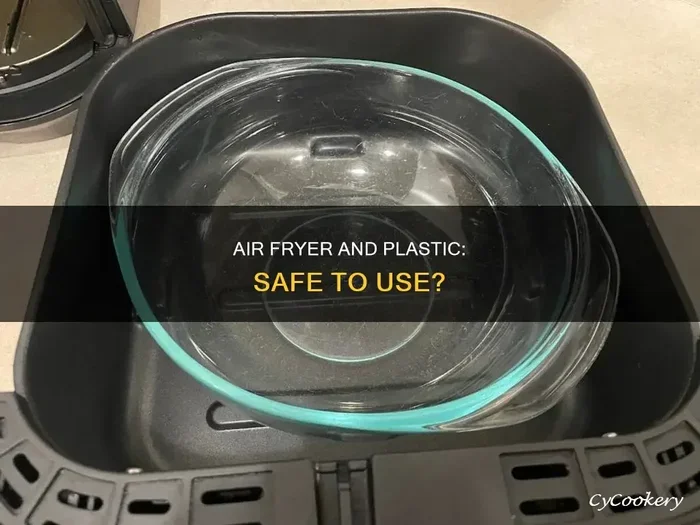
Glass is one of the safest materials for air fryer use. Borosilicate glass, like Pyrex, handles high temperatures without cracking or releasing chemicals. Glass containers are great for reheating leftovers, baking small dishes, or even cooking full meals in your air fryer.
The downside is glass is heavier and can break if it experiences sudden temperature changes. Let it come to room temperature before placing it in a hot air fryer. And always check that the glass dish fits properly inside the basket without touching the heating element.
Ceramic and Stoneware
Ceramic dishes and stoneware work well in air fryers too. They distribute heat evenly and look great for serving. Just make sure the piece does not have any plastic handles or decorations that could melt. Plain ceramic and stoneware are completely safe and add a nice touch when you pull your food out of the air fryer.
Understanding Air Fryer Temperatures and Plastic Limits
To really understand why plastic fails in an air fryer, it helps to look at the numbers. Air fryers are designed to cook food fast and crispy, and they do that by reaching very high temperatures quickly.
Most air fryers have a temperature range of 180°F to 400°F. Some models go even higher. Compare that to the softening and melting points of common plastics, and the problem becomes obvious. Plastic simply cannot survive the heat cycle.
Even if you set your air fryer to a lower temperature, the heat is concentrated and circulated rapidly. That means plastic is exposed to intense heat from all sides at once. There is no safe way to use regular plastic containers inside an air fryer, no matter what temperature you choose.
What About “Heat Resistant” Plastic?
You might have heard of heat-resistant plastics like polyether ether ketone (PEEK) or certain industrial-grade materials. These exist, but they are not the kind of plastic you have in your kitchen. They are expensive, used in specialized medical and aerospace applications, and not meant for food cooking.
Do not confuse “heat resistant” marketing claims on cheap plastic containers with actual air fryer safety. A container labeled “heat resistant” might mean it can handle warm soup. It does not mean it can survive 400°F of circulating hot air. Always look for containers specifically labeled as air fryer safe or oven safe.
Common Mistakes People Make with Air Fryer Containers
Mistakes happen, especially when you are busy cooking. But some errors come up again and again when people use the wrong containers in their air fryer. Here are the most common ones to avoid.
Using Takeout Containers
This is probably the number one mistake. You order food, bring home the styrofoam or plastic container, and toss it straight into the air fryer. Styrofoam will melt almost immediately. Even plastic takeout containers are not designed for air fryer heat. Transfer your food to a safe container before reheating.
Covering the Basket Completely
Some people use foil or parchment paper to line the entire basket. While this can work, covering it completely blocks airflow. Air fryers rely on that airflow to cook food evenly. Without it, your food will steam instead of crisp, and you might even damage the heating element.
Ignoring Manufacturer Guidelines
Every air fryer comes with a manual. Most people throw that manual away. But it contains important safety information, including what materials are safe to use. If you own a Breville smart oven air fryer or another popular model, check the manual for specific guidance on accessories and containers.
Reusing Damaged Containers
A scratched or warped plastic container might seem fine, but it is more likely to release chemicals when heated. Cracks and scratches create weak spots where heat can penetrate faster. When in doubt, throw it out and use a new safe container.
Expert Tips for Air Fryer Cooking Safety
Staying safe in the kitchen does not have to be complicated. A few simple habits can make a big difference. Here are some expert tips to keep in mind every time you use your air fryer.
Always Preheat Your Air Fryer
Preheating helps your air fryer reach the right temperature before food goes in. This leads to better cooking results and more even crisping. Most air fryers only need 3 to 5 minutes to preheat. Just set the temperature and let it run empty before adding your food.
Use the Right Amount of Oil
Air fryers use much less oil than traditional frying. But a light spray or brush of oil on your food helps it get crispy. Too much oil can cause smoke and mess. A thin layer is all you need for great results.
Do Not Overcrowd the Basket
It is tempting to fill the basket to the top, especially when cooking for a crowd. But overcrowding blocks airflow and leads to uneven cooking. Food in the center will stay soggy while food on the edges gets crispy. Work in batches if you need to.
Clean Your Air Fryer Regularly
Grease and food buildup can affect how your air fryer performs. Remove the basket after every use and wash it with warm soapy water. Wipe down the interior and check the heating element for any debris. A clean air fryer cooks better and lasts longer.
Store Leftovers Properly
When you have leftovers, let them cool first and then store them in a safe glass or ceramic container. This way, you are ready to reheat them in the air fryer without any guesswork. Proper storage also keeps your food fresh and safe to eat.
Final Thoughts on Air Fryer Safety
So, can plastic go in air fryer? The answer is a clear and firm no. Plastic melting, toxic fumes, damaged equipment, and ruined food are all real risks. The good news is that safe alternatives are easy to find and use. Parchment paper, silicone, aluminum foil, glass, and ceramic all work beautifully in air fryers.
Taking a few extra minutes to use the right container can save you from a dangerous situation and keep your air fryer running smoothly for years. Your health and your kitchen are worth the small effort.
Next time you are tempted to toss a plastic container in the air fryer, reach for parchment paper or a glass dish instead. Your taste buds, your lungs, and your air fryer will all thank you. Stay safe, cook smart, and enjoy all the great meals your air fryer can deliver.
Frequently Asked Questions
Can I put a plastic lid on my food in the air fryer?
No, you should never put a plastic lid inside an air fryer. The high temperatures will cause the lid to melt or release harmful chemicals. Instead, use a glass or ceramic dish with a compatible lid, or leave the food uncovered for best results.
What happens if a small piece of plastic accidentally falls into the air fryer?
If a small piece of plastic falls in, stop the air fryer immediately. Remove the basket and carefully take out the plastic. Check the heating element and basket for any melted residue. Clean thoroughly before using the air fryer again to avoid contamination or damage.
Are silicone air fryer liners safe to use?
Yes, silicone air fryer liners are safe as long as they are rated for high temperatures. Look for food-grade silicone that can withstand at least 400°F. These liners make cleanup easier and are a great reusable alternative to parchment paper.
Can you use microwave-safe plastic in an air fryer?
No, microwave-safe plastic is not safe for air fryers. Microwave heat works differently from the rapid convection heat of an air fryer. Microwave-safe containers are not designed to handle the high temperatures and intense airflow of an air fryer.
What is the safest container for reheating food in an air fryer?
The safest containers are glass, ceramic, or silicone. Glass dishes like Pyrex handle high heat well, ceramic distributes heat evenly, and silicone is flexible and heat resistant. Always make sure the container is labeled as oven safe or air fryer safe before use.
Can you use aluminum foil in every air fryer model?
Aluminum foil is safe in most air fryer models, but you should always check your specific unit’s manual. Some manufacturers advise against using foil because it can block airflow or damage the non-stick coating. Use foil sparingly and never cover the entire basket or block the holes.