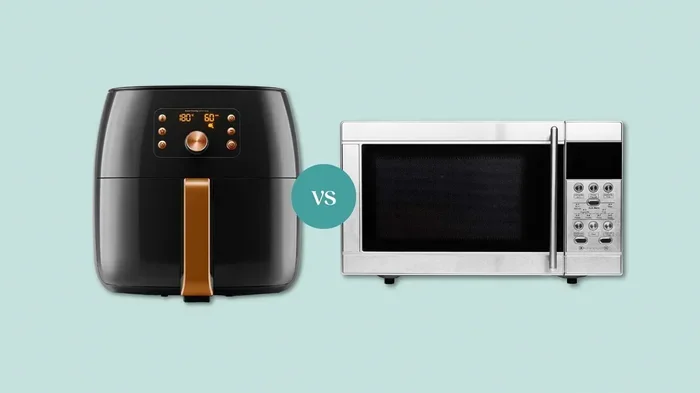
Can Air Fryer Work As Microwave The Surprising Truth Inside
Can an air fryer work as a microwave? The short answer is no, not exactly. While both appliances heat food, they use completely different methods that produce distinct results. An air fryer uses hot air circulation to crisp and brown food, while a microwave uses radiation to vibrate water molecules and heat food quickly. Understanding these differences helps you choose the right tool for every meal.
Have you ever stood in your kitchen, staring at your air fryer and your microwave, wondering if you could just use one of them for everything? It is a fair question. After all, both appliances sit on your countertop and both deal with hot food. But here is the thing: they are actually very different machines that do very different jobs.
The idea of replacing your microwave with an air fryer sounds appealing. Air fryers have taken the kitchen world by storm. They promise crispy fries, golden chicken, and delicious roasted veggies with way less oil. Microwaves have been around forever and are all about speed and convenience. So can one replace the other? Let us dig into the surprising truth about whether an air fryer can work as a microwave.
In this guide, we will break down exactly how each appliance works, where they overlap, where they fall short, and whether swapping one for the other makes sense for your kitchen. By the end, you will know exactly which tool to reach for every time you heat up a meal.
Key Takeaways
- Air fryers and microwaves work differently: One uses hot air, the other uses electromagnetic waves.
- You cannot reheat leftovers the same way: Microwaves excel at quick reheating, while air fryers make food crispy.
- An air fryer cannot defrost food like a microwave: The microwave’s quick heat penetration is unmatched for thawing.
- Both appliances have unique strengths: Knowing when to use each saves time and improves food quality.
- Some models combine both functions: Air fryer toaster ovens offer more versatility in one unit.
- Cooking times vary significantly: Air fryers take longer but deliver better texture for many foods.
- Using the wrong appliance ruins food: Putting microwave-safe tasks in an air fryer leads to dry, overcooked meals.
📑 Table of Contents
- How Does an Air Fryer Actually Work?
- How Does a Microwave Actually Work?
- Air Fryer vs Microwave: Key Differences
- Can You Really Replace Your Microwave with an Air Fryer?
- How to Use Both Appliances Together
- Common Mistakes When Using an Air Fryer Instead of a Microwave
- Expert Tips for Getting the Most from Your Air Fryer
- When Should You Keep Your Microwave?
- Final Thoughts
How Does an Air Fryer Actually Work?
An air fryer is really just a small countertop convection oven. It works by blowing hot air around food at high speed. This rapid hot air circulation cooks the outside of food quickly and creates that signature crispy texture people love.
Inside an air fryer, you will find a heating element and a powerful fan. The fan blows hot air in a circular motion around the food basket. This constant flow of hot air removes moisture from the surface of your food. That is what gives you the crunch without submerging anything in oil.
Most air fryers cook at temperatures between 180°F and 400°F. They use a convection cooking method that surrounds food with even heat. This is very different from how a microwave heats things. The air fryer takes longer because it has to build up heat and circulate it properly.
What Makes Air Frying Unique
The key to air frying is the Maillard reaction. This is a chemical reaction that happens when food is exposed to high heat. It is what gives roasted potatoes their golden color and fried chicken its crispy crust. A microwave simply cannot achieve this because it heats from the inside out using water molecules.
When you use an air fryer toaster oven, you get the same benefits but with more space. These larger units can handle bigger meals and multiple racks of food at once. The principle remains the same: hot air does all the work.
How Does a Microwave Actually Work?
A microwave oven uses a completely different approach to heating food. Inside every microwave is a component called a magnetron. This generates microwave radiation, which is a form of electromagnetic energy. These waves penetrate food and cause water molecules to vibrate rapidly.
That vibration creates friction, which produces heat. This is why microwaves heat food so quickly. They are not heating the air around the food. They are heating the food itself from the inside out.
This is why a microwave excels at reheating leftovers, making popcorn, and heating up a cup of soup in seconds. The energy goes directly into the water content of your food. No waiting for hot air to build up. No waiting for circulation.
Why Microwaves Heat So Fast
Microwaves can bring a bowl of soup from cold to hot in about two minutes. An air fryer would take fifteen to twenty minutes for the same task. The speed difference is massive. That is the microwave’s biggest advantage: convenience.
However, speed comes with tradeoffs. Microwaves do not crisp food. They do not brown anything. They do not create that satisfying crunch. Food that comes out of a microwave often feels soggy or rubbery. This is because the moisture inside the food stays trapped and does not evaporate the way it would with dry heat.
Air Fryer vs Microwave: Key Differences
Understanding the core differences between these two appliances helps you make better cooking decisions. Let us look at what sets them apart.
| Feature | Air Fryer | Microwave |
|---|---|---|
| Heating Method | Hot air circulation (convection) | Microwave radiation (electromagnetic waves) |
| Cooking Speed | Slower (15-30 minutes) | Very fast (1-5 minutes) |
| Texture Results | Crispy, browned, crunchy | Soft, moist, sometimes soggy |
| Best For | Roasting, baking, crisping | Reheating, defrosting, quick meals |
| Energy Use | Higher (longer cook times) | Lower (shorter cook times) |
| Capacity | Small to medium | Medium to large |
| Preheating Required | Yes, usually 3-5 minutes | No |
| Oil Needed | Little to none | None |
The table above shows you the big picture. Each appliance has its own superpower. An air fryer creates texture and browning. A microwave creates speed and convenience. Neither one is better overall. They are just built for different purposes.
Can You Use an Air Fryer to Reheat Food?
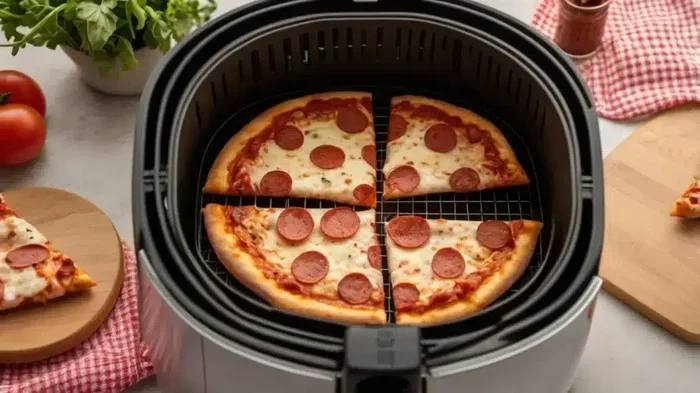
Yes, you can use an air fryer to reheat food, but the results will be different from a microwave. Leftover pizza comes out crispy and delicious in an air fryer. Fried chicken gets even crunchier. Roasted vegetables regain their texture. However, a bowl of soup or a plate of pasta will not heat the same way.
When you reheat soup in an air fryer, it can dry out or burn on the edges while staying cold in the middle. A microwave heats soup evenly because the waves penetrate throughout the liquid. For soups, stews, and liquids, the microwave is still the clear winner.
Can You Defrost Food in an Air Fryer?
This is where things get tricky. You should not defrost food in an air fryer the way you would in a microwave. Microwaves have a dedicated defrost setting that uses low-power waves to gently thaw frozen items. An air fryer does not have this capability.
If you put frozen food directly into a hot air fryer, the outside will start cooking while the inside remains frozen. This creates uneven cooking and can be a food safety risk. Always thaw food properly before air frying. Some people use the microwave for quick defrosting and then transfer food to the air fryer for cooking. This two-step process works well.
For example, you might defrost a potato in the microwave first and then finish it in the air fryer for a crispy skin. This combination approach gives you the best of both worlds.
Can You Really Replace Your Microwave with an Air Fryer?
The honest answer is no, not completely. An air fryer cannot do everything a microwave does. But it can do some things better. Let us break down what happens when you try to use an air fryer as your primary heating device.
What an Air Fryer Can Do Instead of a Microwave
An air fryer can handle many tasks that people normally assign to a microwave. Here are some examples:
- Reheating fried foods: Fries, chicken nuggets, and onion rings come out crispy again in an air fryer. A microwave makes them soggy.
- Reheating baked goods: Pizza, bread rolls, and pastries stay crispy and warm in an air fryer.
- Cooking frozen foods: Frozen samosas, spring rolls, and fish sticks cook beautifully in an air fryer.
- Making snacks: You can make chips, roasted nuts, and crispy snacks without added oil.
Using an Farberware air fryer toaster oven for these tasks works wonderfully. The convection heat surrounds the food and restores texture that a microwave simply cannot provide.
What a Microwave Can Do That an Air Fryer Cannot
Now let us look at the other side. There are many tasks where a microwave is essential and an air fryer simply cannot compete.
- Reheating liquids: Coffee, tea, soup, and sauces heat evenly in a microwave. An air fryer would evaporate the liquid or create hot spots.
- Defrosting frozen items: The microwave’s defrost setting is unmatched for thawing meat, vegetables, and frozen meals quickly.
- Steaming vegetables: A microwave with a little water creates steam that cooks veggies perfectly. An air fryer would roast them instead.
- Quick breakfasts: Heating up a breakfast burrito or scrambled eggs takes seconds in a microwave. An air fryer would take much longer.
- Melting butter or chocolate: A microwave does this in moments. An air fryer would dry them out.
The bottom line is that both appliances serve important roles in a modern kitchen. Ditching one entirely means losing capabilities you use every day.
How to Use Both Appliances Together
Rather than choosing between an air fryer and a microwave, many home cooks use both together. This combination approach gives you the best results for every type of meal.
The Two-Step Cooking Method
One popular technique is to use the microwave for initial heating and the air fryer for finishing. This works great for many foods. Here is how it works:
- Start by reheating your food in the microwave for half the time you normally would.
- Transfer the food to the air fryer basket.
- Cook for an additional 3-5 minutes at 375°F to crisp up the surface.
- Enjoy food that is both hot and crispy.
This method is perfect for leftover pizza, fried chicken, and roasted vegetables. You get the speed of the microwave with the texture of the air fryer.
Using a Breville Smart Oven Air Fryer
If you want even more flexibility, consider a Breville Smart Oven Air Fryer. These countertop ovens combine multiple cooking functions in one sleek unit. They offer air frying, toasting, baking, roasting, and even dehydration. While they still cannot match a microwave for speed, they offer far more cooking versatility than a standard air fryer alone.
Many of these combo units also come with larger capacities. You can cook a full sheet of vegetables or a small chicken in a Breville smart oven. This makes them a great middle ground between a basic air fryer and a full-size oven.
Meal Prep with Both Appliances
Meal preppers love using both an air fryer and a microwave together. Here is a simple weekly routine:
- Sunday: Roast a batch of chicken, vegetables, and sweet potatoes in the air fryer.
- Monday-Thursday: Reheat portions in the microwave for lunch at work or a quick dinner.
- Friday: Use the air fryer to reheat Friday night favorites for a crispy dinner.
This approach saves time during the week while still enjoying great texture on the weekends. Both appliances earn their place on your countertop.
Common Mistakes When Using an Air Fryer Instead of a Microwave
People often make mistakes when they try to swap their microwave for an air fryer. Here are the most common errors and how to avoid them.
Mistake 1: Expecting the Same Speed
The biggest mistake is expecting an air fryer to heat food as fast as a microwave. Air fryers take longer because they rely on hot air rather than direct radiation. If you are in a rush, an air fryer will frustrate you.
Mistake 2: Putting Liquids in the Air Fryer
Never put soups, sauces, or liquids in an air fryer. The hot air will cause the liquid to splatter and create a mess. It will also not heat the liquid evenly. Always use a microwave for anything liquid-based.
Mistake 3: Overcrowding the Basket
Air fryers need proper airflow to work. If you pack the basket too full, food will cook unevenly and steam instead of crisp. Leave space between items for the hot air to circulate properly.
Mistake 4: Skipping Preheating
Many people skip preheating their air fryer. This leads to longer cook times and uneven results. Always preheat for 3-5 minutes before adding food. Just like a regular oven, an air fryer performs better when it is already hot.
Expert Tips for Getting the Most from Your Air Fryer
Want to get better results from your air fryer? Here are some expert tips that make a big difference.
- Shake the basket halfway through cooking. This ensures even browning on all sides of your food.
- Use a light coating of oil. Even though air fryers need little oil, a quick spray helps with browning and flavor.
- Do not overcrowd. Cook in batches if needed. Crowding leads to steaming instead of crisping.
- Preheat before adding food. This small step cuts cooking time and improves texture significantly.
- Use the right temperature. Different foods need different temperatures. Follow recipes closely at first until you get a feel for your specific model.
- Line the basket with parchment paper. This makes cleanup easier and prevents small foods from falling through the holes.
Expert Insight: According to kitchen testing professionals, air fryers work best when you treat them like a small convection oven. They are not magic machines. They need proper food placement, correct temperatures, and a little patience to deliver the best results. Think of them as a tool for texture and browning, not a replacement for speed.
When Should You Keep Your Microwave?
Despite all the wonderful things an air fryer can do, there are plenty of reasons to keep your microwave. Here are situations where the microwave is the better choice:
- When you need food hot in under two minutes. Nothing beats the microwave for speed.
- When reheating liquids like coffee, tea, or soup. An air fryer cannot handle these tasks well.
- When defrosting frozen ingredients quickly. The microwave defrost setting is purpose-built for this.
- When cooking for a large family. Microwaves typically have larger capacities than air fryers.
- When making popcorn or melting ingredients. These quick tasks are microwave specialties.
Having both appliances gives you options. The microwave handles speed and liquid-based tasks. The air fryer handles texture and browning. Together, they cover almost every heating and cooking need in a home kitchen.
Final Thoughts
So, can an air fryer work as a microwave? The truth is, they are built for different purposes. An air fryer cannot match a microwave for speed, and it certainly cannot reheat liquids or defrost food effectively. But it can deliver something a microwave never will: crispy, golden, beautifully textured food.
The surprising truth is that these two appliances are not competitors. They are partners. Each one excels at tasks the other struggles with. Smart cooks keep both on their countertop and use each one for what it does best.
If you are thinking about replacing your microwave, think again. But if you are looking for a way to add crispiness and better texture to your reheated meals, an air fryer is a fantastic addition to any kitchen. The real magic happens when you learn to use both tools together.
Understanding the strengths of each appliance helps you cook better, waste less food, and enjoy meals that taste their best every single time. That is the real surprising truth inside the world of air frying and microwaving.
Frequently Asked Questions
Can you reheat pizza in an air fryer instead of a microwave?
Yes, reheating pizza in an air fryer is actually better than using a microwave. The hot air circulation makes the crust crispy again while the cheese melts evenly. A microwave makes pizza crust soggy. Use 350°F for 3-4 minutes for the best results.
Can an air fryer boil water or heat soup?
No, you should not use an air fryer to boil water or heat soup. Air fryers use dry hot air and are not designed for liquids. Soup will splatter and cook unevenly. Always use a microwave or stovetop for heating liquids safely.
Is it cheaper to run an air fryer or a microwave?
Microwaves are generally cheaper to run because they cook food faster and use less energy overall. An air fryer uses more electricity because it runs for longer periods. However, air fryers use less energy than a full-size oven, making them efficient for small meals.
Can you cook raw meat in an air fryer like you would in a microwave?
You can cook raw meat in an air fryer, but the results are very different from a microwave. An air fryer will cook meat thoroughly and create a crispy exterior. A microwave heats meat quickly but can leave it rubbery. Always ensure meat reaches a safe internal temperature regardless of the appliance used.
Do air fryers use the same type of radiation as microwaves?
No, air fryers and microwaves use completely different technology. Microwaves use electromagnetic radiation to heat water molecules inside food. Air fryers use a heating element and fan to circulate hot air around food. There is no radiation involved in air frying at all.
Should I buy an air fryer if I already have a microwave?
Yes, if you enjoy crispy textures and better reheating results for fried and baked foods, an air fryer is a great addition. It does not replace your microwave but complements it. Together, they cover a wider range of cooking tasks and improve the quality of your meals.
=== CONCLUSION ===
The air fryer vs microwave debate comes down to understanding what each appliance does best. An air fryer cannot truly work as a microwave, and a microwave cannot replace the crispy perfection an air fryer delivers. Both have unique strengths that make them valuable in any kitchen.
Use your microwave for speed, reheating liquids, and defrosting. Use your air fryer for crispy textures, browning, and cooking from scratch. When you combine both tools, you unlock a whole new level of cooking convenience and food quality.
The surprising truth is simple: you do not need to choose. Embrace both appliances and enjoy the best of what each has to offer. Your kitchen and your taste buds will thank you.