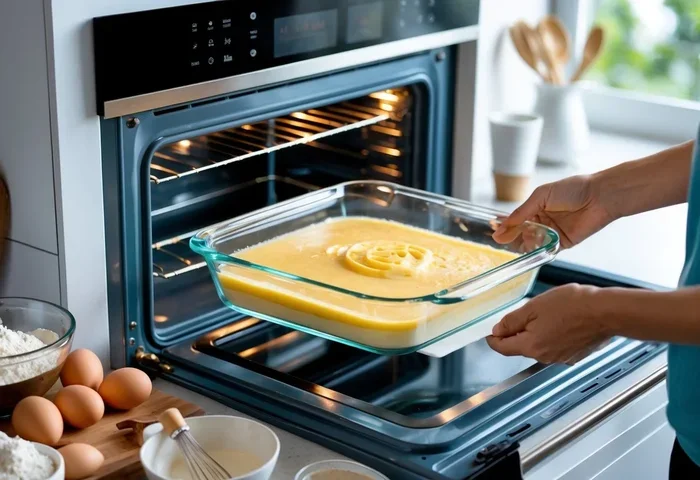
Are Glass Pans Oven Safe Everything You Need to Know
Are glass pans oven safe? Yes, most glass bakeware is designed to handle oven heat, but not all glass is created equal. Understanding oven-safe glass, thermal shock, and proper temperature limits can save your dishes and keep your kitchen safe. This guide covers everything from Pyrex to tempered glass so you can bake with confidence.
You pull out your favorite glass baking dish, preheat the oven, and start getting dinner ready. Then a thought hits you. Are glass pans oven safe? It is a question many home cooks ask, especially when they want to skip the hassle of switching between metal pans and glass dishes. The answer is not as simple as a yes or no. Some glass pans are perfectly safe for oven use, while others can crack, shatter, or even break apart mid-cook. Let us walk through everything you need to know about using glass bakeware in your oven.
Glass pans have been a kitchen staple for decades. They look great, they double as serving dishes, and they make cleanup a breeze. But their oven safety depends on several factors. The type of glass, the temperature, and how you handle the pan all play a role. In this guide, we will break it all down in plain, simple language. By the end, you will know exactly what to look for and how to use your glass pans safely every single time.
Key Takeaways
- Not all glass is oven safe: Only tempered or borosilicate glass can handle high oven temperatures.
- Thermal shock is the biggest risk: Sudden temperature changes can cause glass to shatter.
- Check manufacturer labels: Always look for oven-safe markings before placing glass in the oven.
- Temperature limits matter: Most oven-safe glass pans handle up to 350-450°F depending on the brand.
- Preheating matters: Never place cold glass in a preheated oven or on a hot surface.
- Glass pans cook differently: They heat slower but retain heat longer, affecting baking times and browning.
- Inspect before every use: Cracks, chips, or scratches weaken glass and increase breakage risk.
📑 Table of Contents
- What Makes a Glass Pan Oven Safe?
- Understanding Temperature Limits for Glass Pans
- Common Mistakes That Cause Glass Pans to Break
- Glass Pans vs. Metal Pans: Which Is Better for Baking?
- How to Safely Use Glass Pans in the Oven
- Expert Insights: What Bakers and Chefs Say About Glass Pans
- Key Takeaways
- Conclusion
What Makes a Glass Pan Oven Safe?
The short answer is the type of glass used. Not all glass is built to handle high heat. There is a big difference between a regular drinking glass and a baking dish made for the oven. Let us look at what makes certain glass pans safe for oven use.
Tempered Glass vs. Regular Glass
Tempered glass is the most common type used in oven-safe bakeware. It is treated with heat or chemicals to make it much stronger than regular glass. When tempered glass does break, it shatters into small, less dangerous pieces instead of sharp shards. This is why it is the go-to choice for most glass bakeware brands.
Regular glass, on the other hand, is not designed for high heat. A standard glass dish from your kitchen cabinet might look sturdy, but it can crack or explode in a hot oven. Never put regular glass in the oven. Always check the bottom of your pan for an oven-safe label or symbol.
Borosilicate Glass: The Heat-Resistant Champion
Borosilicate glass is the gold standard for oven-safe bakeware. Brands like Pyrex have historically used this material. Borosilicate glass can handle rapid temperature changes better than other types. It expands less when heated, which means it is far less likely to crack from thermal shock.
Thermal shock happens when glass experiences a sudden temperature change. For example, taking a cold glass dish straight from the fridge and putting it into a hot oven. The outside of the glass heats up fast while the inside stays cold. This uneven expansion creates stress, and the glass can break. Borosilicate glass handles this stress much better than soda-lime glass, which is what most regular glass is made from.
Look for Oven-Safe Symbols and Labels
Every reputable glass bakeware brand includes an oven-safe symbol on the bottom of the dish. This might look like a little oven icon or a temperature rating. Some pans are marked as safe up to 350 degrees Fahrenheit, while others can handle 450 degrees or more. If you do not see a label, do not guess. Contact the manufacturer or assume it is not oven safe.
Here are some quick tips for checking your glass pans:
- Flip the pan over and look for an oven-safe symbol on the bottom.
- Check the packaging or product manual if you still have it.
- Visit the manufacturer website if you are unsure.
- When in doubt, do not put it in the oven.
Understanding Temperature Limits for Glass Pans
Temperature limits are one of the most important things to know about glass pans oven safe use. Every pan has a maximum temperature it can handle, and going over that limit can be dangerous. Let us break down the typical temperature ranges and what they mean for your cooking.
Common Temperature Ranges
Most oven-safe glass pans are rated for temperatures between 350 and 450 degrees Fahrenheit. Some high-quality borosilicate glass dishes can handle even higher temperatures, but 450 degrees is the general ceiling for most consumer glass bakeware. Here is a quick comparison of common glass pan types and their temperature limits.
| Glass Type | Typical Max Temperature | Common Brands |
|---|---|---|
| Borosilicate Glass | 450-500°F | Pyrex (older versions), Schott Duran |
| Tempered Soda-Lime Glass | 350-400°F | Pyrex (newer versions), Anchor Hocking |
| Regular Glass | Not oven safe | Drinking glasses, decorative dishes |
| Ceramic-Coated Glass | 350-400°F | Various budget bakeware brands |
As you can see, not all glass pans are the same. The brand, the material, and the manufacturing process all affect how much heat a pan can handle. Always follow the manufacturer’s guidelines. These limits exist for a reason, and pushing past them can lead to broken glass, ruined food, or even injury.
Why Temperature Matters More Than You Think
Glass is a poor conductor of heat compared to metal. This means it heats up more slowly and cools down more slowly. That can actually be a benefit in some cases. Glass pans hold heat well, which makes them great for dishes that need to stay warm at the table. But it also means that glass pans take longer to heat up in the oven, which can affect your cooking time.
When you use a glass pan, you may need to lower your oven temperature by about 25 degrees Fahrenheit compared to what a metal pan recipe calls for. This is because glass retains heat more intensely, and your food can overcook or burn on the edges while the center is still underdone. Adjusting your temperature and keeping an eye on your food helps you get the best results.
Common Mistakes That Cause Glass Pans to Break
Glass pans break for a reason. In most cases, it comes down to how they are used. Understanding the common mistakes people make can help you avoid a messy and potentially dangerous situation in your kitchen.
Thermal Shock: The Number One Enemy
Thermal shock is the leading cause of glass pan breakage. It happens when one part of the glass expands faster than another part. This creates internal stress that the glass cannot handle, and it cracks or shatters.
Here are the most common ways thermal shock occurs with glass pans:
- Placing a cold glass dish directly into a hot oven.
- Moving a hot glass pan to a cold or wet surface.
- Adding cold liquid to a hot glass pan.
- Placing a glass pan on a wet countertop straight from the oven.
- Using a glass pan on a stove burner or under a broiler.
Each of these scenarios creates a sudden temperature difference that can be enough to break the glass. The good news is that all of these mistakes are easy to avoid with a little awareness.
Using Glass on the Stovetop or Broiler
Most glass pans are not designed for direct stovetop use. The flame or electric coil concentrates heat on one spot, which creates uneven expansion and can cause the glass to crack. Similarly, the intense direct heat from a broiler can cause the bottom of a glass pan to overheat quickly while the top stays cooler. This temperature imbalance leads to breakage.
If you want to sear or brown the top of a dish, take the glass pan out of the oven and switch to the broiler for the last few minutes. But always watch it closely and never leave a glass pan under the broiler unattended.
Overloading a Glass Pan
Filling a glass baking dish to the brim with batter or food can also cause problems. When the contents overflow, the excess liquid can seep under the pan and create uneven cooling. More importantly, overfilling prevents proper heat circulation, which can lead to hot spots and uneven cooking. Leave at least half an inch of space at the top of your glass pan to allow for expansion and airflow.
Glass Pans vs. Metal Pans: Which Is Better for Baking?
Many bakers wonder whether they should use glass or metal pans. Both have pros and cons, and the right choice depends on what you are cooking and what results you want.
Heat Conductivity
Metal pans heat up quickly and conduct heat evenly across the surface. This makes them ideal for cookies, pastries, and anything that needs a crisp, golden finish. Glass pans heat up more slowly, but they retain heat longer once hot. This makes them great for casseroles, cobblers, and dishes that benefit from even, gentle heating.
Browning and Texture
Metal pans promote better browning on the bottom and edges of baked goods. If you love a crispy pie crust or golden-brown brownies, metal is usually the better choice. Glass pans tend to produce a more even, softer browning. Some bakers actually prefer glass for brownies because the edges do not get as dark or burnt.
Baking Time Adjustments
Because glass heats up more slowly, you may need to add a few extra minutes to your baking time when using a glass pan. Start checking for doneness about five to ten minutes earlier than the recipe suggests, and adjust from there. Using an oven thermometer can help you make sure your oven is running at the right temperature, which makes a big difference when baking with glass.
Ease of Cleaning and Serving
Glass pans win in this category. They are non-reactive, meaning they do not absorb flavors or stains the way some metal pans can. Most glass bakeware is dishwasher safe, and food releases easily once the pan has cooled. Plus, you can take a glass dish straight from the oven to the table for serving, which saves you from dirtying extra dishes.
How to Safely Use Glass Pans in the Oven
Now that you understand the basics, let us talk about the best practices for using glass pans in the oven. Following these tips will help you get great results and keep your kitchen safe.
Step-by-Step Guide to Oven-Safe Glass Pan Use
- Check the label. Confirm your pan is oven safe and note the maximum temperature.
- Room temperature start. Always start with a glass pan at room temperature. Take it out of the cabinet, not the fridge.
- Preheat the oven. Place the oven rack in position before preheating. Never place a cold glass pan on a hot rack.
- Use a dry, flat surface. Set the pan on a dry oven mitt or trivet. Never place hot glass on a wet or cold surface.
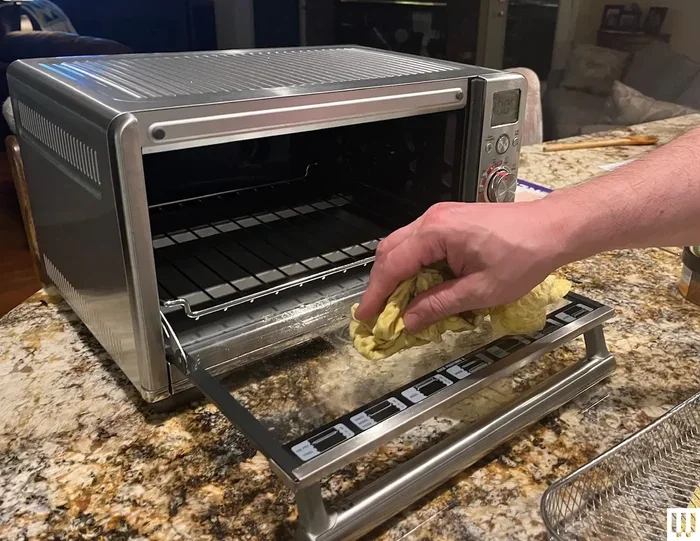
- Avoid direct flame. Keep glass pans away from stove burners, toaster ovens on broil, and open flames.
- Let it cool. Allow the pan to cool on a dry towel or wire rack before washing or storing it.
Quick Tips for Everyday Use
- Always place a cold glass pan on a dry oven mitt or folded towel before putting it in the oven.
- Never add cold liquid to a hot glass pan. Wait until it has cooled down.
- Use oven mitts when handling hot glass pans. Glass retains heat longer than metal, so the handles stay hot.
- If your glass pan has a lid, check that the lid is also oven safe before covering a hot dish.
- Store glass pans with a protective layer between them to prevent scratches and chips.
When to Replace a Glass Pan
Even the best glass pans do not last forever. Inspect your glass bakeware regularly for signs of wear. If you notice any chips, cracks, scratches, or cloudiness, it is time to replace the pan. A damaged glass pan is much more likely to break in the oven, which creates a safety hazard. Cloudy glass may not look dangerous, but it can indicate structural weakness from repeated heating and cooling cycles.
Expert Insights: What Bakers and Chefs Say About Glass Pans
Professional bakers and experienced home cooks have strong opinions about glass pans. Here is what the experts want you to know.
Many professional bakers keep both glass and metal pans in their kitchens and choose based on the recipe. For roasting vegetables, metal is the go-to because of the superior browning. For baked pasta dishes and casseroles, glass is preferred because the food stays warm longer at the table and the layers cook evenly.
Experts also stress the importance of reading the manufacturer instructions. Even within the same brand, different product lines have different temperature ratings. A Pyrex dish made for stovetop-to-oven use is not the same as a decorative glass serving dish that is not meant for the oven. Always read the fine print.
Another piece of expert advice is to never assume a glass pan is broiler safe unless the label explicitly says so. The broiler produces intense, direct heat from above, which can cause the top of a glass dish to overheat while the bottom stays cooler. This uneven heating is a recipe for disaster.
Key Takeaways
- Not all glass is oven safe: Only tempered or borosilicate glass can handle high oven temperatures.
- Thermal shock is the biggest risk: Sudden temperature changes can cause glass to shatter.
- Check manufacturer labels: Always look for oven-safe markings before placing glass in the oven.
- Temperature limits matter: Most oven-safe glass pans handle up to 350-450°F depending on the brand.
- Preheat the oven properly: Never place cold glass in a preheated oven or on a hot surface.
- Glass pans cook differently: They heat slower but retain heat longer, affecting baking times and browning.
- Inspect before every use: Cracks, chips, or scratches weaken glass and increase breakage risk.
Conclusion
So, are glass pans oven safe? The answer is yes, but with important caveats. The right type of glass, used at the right temperature, and handled with care, makes glass bakeware a wonderful addition to any kitchen. Tempered glass and borosilicate glass pans are designed for oven use, and when you follow the manufacturer’s guidelines, they perform beautifully.
Remember to avoid sudden temperature changes, never use glass on a stovetop or under a broiler unless it is rated for it, and always inspect your pans for damage before each use. Glass pans cook differently than metal pans, so be prepared to adjust your baking time and temperature for the best results.
With the right knowledge and a little caution, you can confidently use your glass pans for casseroles, cobblers, baked pasta, and so much more. The key is understanding what your pan can handle and treating it with the respect that glass deserves. Happy baking!
Frequently Asked Questions
Can I put a glass pan in a preheated oven?
Yes, but only if the glass pan is at room temperature. Never place a cold glass dish directly into a preheated oven. Let it sit on the counter for a few minutes to take the chill off before putting it in. This simple step helps prevent thermal shock, which is the most common cause of glass pan breakage.
What temperature can glass pans handle in the oven?
Most oven-safe glass pans can handle temperatures between 350 and 450 degrees Fahrenheit. However, the exact limit depends on the type of glass and the brand. Always check the manufacturer’s label on the bottom of the pan before using it in the oven. Going over the recommended temperature can cause the glass to crack or shatter.
Is Pyrex oven safe?
Yes, Pyrex is one of the most well-known brands of oven-safe glass bakeware. However, the type of Pyrex matters. Older Pyrex dishes made from borosilicate glass are highly heat resistant. Newer Pyrex products made from tempered soda-lime glass are also oven safe but have slightly lower temperature limits. Always check the packaging or product information for the specific temperature rating.
Can glass pans go from the fridge to the oven?
No, this is one of the biggest mistakes people make. Taking a glass pan straight from the refrigerator and placing it in a hot oven causes rapid, uneven expansion. This creates thermal shock that can crack or explode the glass. Always let the pan come to room temperature before placing it in the oven.
Can you use a glass pan on the stovetop?
Most glass pans are not designed for stovetop use. The direct flame or electric heat creates uneven heating that can cause the glass to break. There are some specialty glass pans made for stovetop use, but they are clearly labeled as such. If your pan does not say it is stovetop safe, do not use it on the stove.
Do glass pans take longer to bake in?
Yes, glass pans generally require a few extra minutes of baking time compared to metal pans. This is because glass heats up more slowly and retains heat differently. Most bakers recommend checking for doneness five to ten minutes earlier than the recipe suggests and adjusting the time as needed. Lowering the oven temperature by about 25 degrees Fahrenheit can also help prevent over-browning on the edges.