What To Use To Descale A Coffee Maker The Simple Way
Descaling your coffee maker removes limescale and mineral deposits that hurt brewing performance and coffee taste. You can use white vinegar, citric acid, or store-bought descaling solutions to get the job done right. This guide covers the best descalers, step-by-step methods, and how often you should clean your machine.
Your coffee maker works hard every morning to deliver that perfect cup. But over time, mineral buildup can slow it down and affect the taste of your brew. If you have noticed your coffee tasting off or your machine taking longer to heat up, it might be time to descale your coffee maker. This guide will show you exactly what to use to descale a coffee maker and how to do it the simple way.
Descaling is one of the most important parts of coffee maker cleaning that many people skip. Hard water leaves behind calcium and magnesium deposits inside your machine. These mineral deposits build up over weeks and months. They clog pipes, reduce heating efficiency, and can even ruin your coffee flavor. The good news is that removing this calcium buildup is easy and inexpensive. You probably already have the right supplies in your kitchen.
Whether you own a drip coffee maker, a single-serve pod machine, or a fancy espresso setup, the descaling process is similar. You just need the right descaling agent and a little patience. In this article, we will walk you through every option, every step, and every mistake to avoid. By the end, you will know exactly how to keep your machine running smoothly and your coffee tasting great.
Key Takeaways
- White vinegar is the most affordable and effective natural descaler for coffee makers.
- Citric acid offers a chemical-free alternative that leaves no lingering smell.
- Commercial descaling solutions are formulated specifically for coffee machines and work fast.
- You should descale your coffee maker every 1 to 3 months depending on water hardness.
- Regular maintenance keeps your coffee tasting fresh and extends machine life.
- Never use abrasive cleaners or harsh chemicals that can damage internal parts.
📑 Table of Contents
- Why Descaling Your Coffee Maker Matters
- Best Natural Descalers for Coffee Makers
- Commercial Descaling Products Worth Trying
- How to Descale Different Coffee Maker Types
- How Often Should You Descale Your Coffee Maker?
- Common Mistakes to Avoid When Descaling
- Quick Tips for Keeping Your Coffee Maker Clean Between Descaling
- Final Thoughts
Why Descaling Your Coffee Maker Matters
Many people wonder why coffee maker maintenance matters so much. The answer is simple: mineral scale builds up inside your machine every time you brew. This is especially true if you live in an area with hard water. Hard water contains high levels of dissolved minerals. When the water heats up, those minerals settle on the inside of your machine.
Over time, this limescale creates a thick layer of buildup. It acts like insulation around your heating element. Your machine has to work harder to heat the water. This means longer brew times and more energy use. It also means your coffee may not reach the right temperature. And nobody wants a lukewarm cup of coffee in the morning.
Scale buildup also affects the taste of your coffee. Mineral deposits can mix with your water and create a metallic or bitter flavor. Your brewing performance drops as the buildup grows. You might notice your coffee maker dripping slowly or making unusual sounds. These are all signs that your machine needs a good descaling.
The Hidden Costs of Ignoring Scale Buildup
Ignoring scale buildup does not just hurt your coffee. It can hurt your wallet too. A coffee maker clogged with mineral deposits has to work harder. This puts extra strain on the heating element and the pump. Over months and years, this extra strain can shorten the life of your machine. Replacing a coffee maker costs much more than a few dollars worth of descaler.
Regular coffee machine maintenance also keeps your coffee tasting its best. Fresh, clean water flows through a clean machine. This means better extraction and a richer flavor profile. If you take pride in your morning cup, descaling is one of the simplest things you can do. It takes about 30 minutes and costs almost nothing.
Best Natural Descalers for Coffee Makers
If you prefer to keep things simple and natural, you have several great options. Natural descalers are safe, affordable, and easy to find. You do not need to buy anything special from a store. Most of these items are already in your pantry.
White Vinegar: The Classic Choice
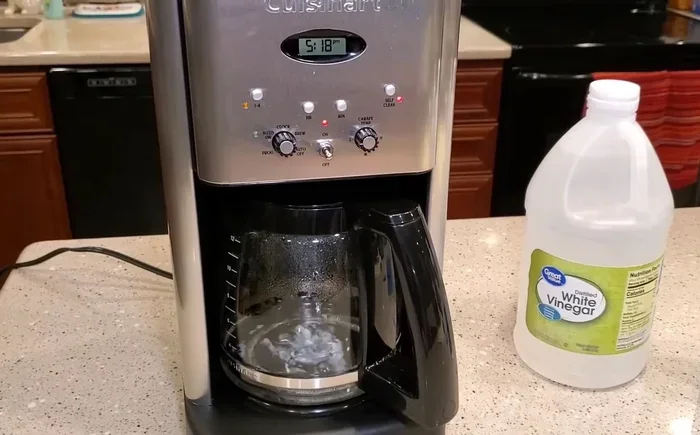
White vinegar is the most popular and widely recommended natural descaler. It contains acetic acid, which dissolves mineral deposits effectively. The process is simple. Mix equal parts white vinegar and water. Pour the solution into your coffee maker’s water reservoir. Run a full brew cycle without any coffee grounds. Then run two to three cycles with plain water to rinse out the vinegar smell.
Many people worry about the vinegar smell. But it usually fades completely after the rinse cycles. If you still notice a faint odor, try adding a teaspoon of baking soda to the final rinse water. This neutralizes any remaining acidity. Vinegar descaling works well for all types of coffee makers, including drip machines, pour-over machines, and pod systems.
Citric Acid: The Scent-Free Alternative
Citric acid is an excellent alternative to vinegar. It is a natural acid found in citrus fruits. You can buy it as a white powder in most grocery stores or online. The big advantage of citric acid is that it does not leave any smell behind. This makes it a great choice if you are sensitive to the vinegar odor.
To use citric acid, mix one to two tablespoons with a full reservoir of water. Run the brew cycle as you normally would. Then rinse with two cycles of clean water. Citric acid coffee maker cleaning is gentle on all internal parts. It is also safe for machines with stainless steel components. If you want a natural descaling solution that is odor-free, citric acid is the way to go.
Lemon Juice: A Fresh Option
Fresh lemon juice also works as a natural descaler. It contains citric acid just like the powdered form. The acidity helps break down limescale and mineral deposits. However, lemon juice is less concentrated than citric acid powder. You may need to use more of it to get the same results.
Squeeze the juice of two to three lemons and dilute it with water. Fill the reservoir and run a brew cycle. Follow up with plain water rinses. Lemon juice adds a fresh scent, which is a nice bonus. However, the sugars in lemon juice can leave a slight residue if you do not rinse thoroughly. Always follow up with extra rinse cycles to be safe.
Commercial Descaling Products Worth Trying
While natural options work great, commercial descaling solutions offer some unique advantages. These products are specifically formulated for coffee machines. They are designed to dissolve scale removal quickly and effectively. If you want the fastest and most convenient option, a commercial descaler might be your best bet.
Descaling Solutions for All Machines
Brands like Dezcal, Urnex, and Durgol make descaling solutions that are safe for all coffee makers. These products come in liquid or powder form. You simply mix the solution with water and run a brew cycle. Most commercial descalers work in just one cycle, which is faster than the vinegar method. They also leave no smell behind and require fewer rinse cycles.
Commercial descalers are especially useful for espresso machines and high-end coffee makers. These machines have more complex internal parts that need gentle but effective cleaning. A dedicated descaling agent ensures you do not damage sensitive components. Many machine manufacturers actually recommend specific descaling products. Check your coffee maker’s manual to see if they suggest a particular brand.
Descaling Tablets and Pods
Descaling tablets are another convenient option. You drop a tablet into the water reservoir and let it dissolve. The tablet releases the cleaning solution as it dissolves. This makes the process mess-free and easy to measure. You do not have to worry about pouring the wrong amount of liquid.
Tablets work well for both standard coffee makers and pod machines. They are also travel-friendly. If you need to clean a machine while traveling or at an office, a few descaling tablets are easy to pack. They take up very little space and last a long time. For regular coffee maker upkeep, keeping a supply of descaling tablets on hand is a smart move.
How to Descale Different Coffee Maker Types
Not all coffee makers are the same, and the descaling process can vary slightly depending on your machine type. Here is how to handle the most common coffee makers.
Drip Coffee Makers
Drip coffee makers are the most common type found in homes. They are also the easiest to descale. Start by filling the reservoir with your chosen descaling solution. For vinegar, use a 1:1 mix with water. For citric acid, use one to two tablespoons per full reservoir. Run the machine through a full brew cycle as if you were making coffee, but without any grounds in the basket.
After the cycle finishes, discard the solution and rinse the reservoir. Run two to three full cycles with fresh water. This removes any leftover cleaning solution and ensures your next pot of coffee tastes clean. Coffee maker descale frequency for drip machines should be every one to three months, depending on how often you brew and how hard your water is.
Single-Serve Pod Machines
Pod machines like Keurig and Nespresso need regular descaling too. The process is similar but with a few differences. Remove any pods or capsules from the machine. Fill the water reservoir with your descaling solution. Place a large mug on the drip tray to catch the liquid. Run the machine through several brew cycles without inserting a pod.
Let the solution sit in the machine for 15 to 30 minutes between cycles. This gives the descaler more time to dissolve buildup. After the cycles are complete, rinse the reservoir thoroughly and run at least three cycles with clean water. If you want more detailed instructions for maintaining your machine, check out this guide on making coffee without a filter or machine for additional coffee maker tips.
Espresso Machines
Espresso machines have more complex internal systems. They include boilers, steam wands, and group heads that all need attention. Many espresso machines have a built-in descaling program. Check your machine’s display or manual for specific instructions.
Generally, you will need to insert a descaling cartridge or pour the solution into the water tank. Run the machine through its descaling cycle. This cycles the solution through the boiler and internal pipes. After the cycle, flush the system with clean water several times. Espresso machines benefit greatly from regular descaling because the high heat accelerates mineral buildup.
How Often Should You Descale Your Coffee Maker?
The frequency of descaling depends on a few factors. The most important one is your water hardness. If you live in an area with hard water, scale builds up faster. You will need to descale more often. In soft water areas, you can go longer between cleanings.
As a general rule, you should descale your coffee maker every one to three months. If you use your machine daily, aim for every month. If you only brew a few times a week, every three months should be fine. Pay attention to the signs your machine gives you. A slower brew time, unusual noises, or changes in coffee taste all signal that it is time to clean.
Another factor is the type of water you use. If you always use filtered or bottled water, mineral buildup will be slower. But if you use tap water directly from the faucet, descaling will be more frequent. Some coffee maker brands include a descale light or indicator on the machine. This takes the guesswork out of timing. When the light comes on, it is time to clean.
If you are curious about how grind size affects your coffee, this article on will grinding coffee beans finer make it stronger offers great insights into optimizing your brew. Understanding your coffee process helps you appreciate why keeping your machine clean matters so much.
Common Mistakes to Avoid When Descaling
Even though descaling is simple, there are a few mistakes people make that can cause problems. Avoiding these errors will keep your coffee maker in top shape.
- Using the wrong cleaning product. Do not use dish soap, bleach, or general-purpose cleaners inside your coffee maker. These can leave behind harmful residues that affect your coffee taste and your health. Stick to coffee-safe descalers only.
- Skipping the rinse cycles. Always rinse your machine thoroughly after descaling. Leftover cleaning solution can alter the taste of your coffee and may not be safe to consume. Run at least two to three full cycles with plain water.
- Descaling too rarely. Many people wait until their machine shows obvious signs of problems. By that time, significant buildup has already occurred. Stick to a regular schedule and prevent buildup before it becomes a problem.
- Using abrasive tools. Never scrub the inside of your coffee maker with steel wool or abrasive pads. These can scratch surfaces and create places where bacteria and scale can hide. Let the descaling solution do the work for you.
- Ignoring the water filter. If your coffee maker has a built-in water filter, replace it regularly. A clean filter reduces the amount of minerals that enter your machine. This slows down scale buildup and extends the time between descaling sessions.
A Note on Cleaning Products
When it comes to household cleaning, people often reach for versatile products like the Pink Stuff. While such products work well for many kitchen surfaces, they are not designed for internal coffee maker components. If you are curious about multi-purpose cleaners for other kitchen appliances, you can read about whether the Pink Stuff is safe for oven cleaning. But for your coffee maker, always choose a product made specifically for descaling.
Quick Tips for Keeping Your Coffee Maker Clean Between Descaling
Descaling is the deep clean, but daily habits also matter. A few simple practices can reduce buildup and keep your machine running well between full descaling sessions.
- Use filtered water. Filtered water has fewer minerals. This reduces the rate of scale buildup significantly. A simple carbon filter pitcher can make a big difference.
- Empty the water reservoir after each use. Do not leave standing water in the machine. Stale water can develop off-flavors and promote mineral deposits. Empty the reservoir and leave the lid open to let it air dry.
- Clean the carafe and filter basket regularly. Wash these parts with warm soapy water after each use. A clean carafe ensures your coffee tastes fresh every morning.
- Run a plain water cycle weekly. Once a week, run a full cycle with just clean water. This flushes out any loose particles and keeps the internal pathways clear.
- Descale with the right solution. Always use a descaler that is safe for coffee machines. Natural options like vinegar and citric acid are excellent. Commercial solutions work well too. Avoid anything not designed for food-contact appliances.
Following these simple tips means you will spend less time on deep cleaning and more time enjoying great coffee. Your machine will last longer and perform better. It is a win-win situation for any coffee lover.
Final Thoughts
Descaling a coffee maker is one of the easiest and most rewarding maintenance tasks you can do. Whether you choose white vinegar, citric acid, or a commercial descaler, the process is straightforward and takes less than an hour. The key is to do it regularly. A consistent cleaning routine keeps your coffee tasting great and your machine running efficiently for years.
Now you know exactly what to use to descale a coffee maker and how to do it the simple way. Start with whichever descaler fits your budget and preferences. Follow the steps outlined in this guide, and your coffee maker will thank you. Clean water, clean parts, and clean coffee. That is what a well-maintained machine delivers every single morning.
Make descaling a part of your regular kitchen routine. Set a reminder on your phone or mark your calendar. Once you see the difference in your coffee taste and machine performance, you will never skip it again. Your morning cup deserves the best, and a clean coffee maker is the foundation of that perfect brew.
Frequently Asked Questions
Can I use apple cider vinegar to descale my coffee maker?
Yes, apple cider vinegar works as a descaler, but it may leave a slight residue and smell compared to white vinegar. White vinegar is the preferred choice because it is more concentrated and cleaner rinsing. If you use apple cider vinegar, run extra rinse cycles to remove any lingering odor or taste.
How do I know if my coffee maker needs descaling?
Common signs include slower brewing times, unusual noises during operation, a metallic or bitter taste in your coffee, and visible white or chalky buildup around the water reservoir. Many modern machines also have a descale indicator light that alerts you when cleaning is needed.
Is descaling the same as regular cleaning?
No, descaling and regular cleaning serve different purposes. Regular cleaning removes coffee oils, grounds, and surface residue. Descaling specifically targets mineral deposits and limescale buildup inside the machine. You should do both as part of a complete maintenance routine.
Can I use baking soda to descale a coffee maker?
Baking soda is a mild cleaner and can help with odor removal, but it is not strong enough to dissolve limescale effectively. For serious mineral buildup, use vinegar, citric acid, or a commercial descaler. Baking soda works best as a deodorizer rather than a descaling agent.
How long does the descaling process take?
The actual descaling cycle takes about 30 to 45 minutes, depending on your machine. However, you should also factor in the rinse cycles afterward, which add another 15 to 20 minutes. Plan for about one hour total from start to finish for a thorough job.
Can I use a descaler designed for a kettle on my coffee maker?
Yes, most kettle descalers are safe for coffee makers too because they use similar descaling ingredients like citric acid or lactic acid. Just make sure the product is food-safe and rinse your coffee maker thoroughly afterward. Avoid descalers with added fragrances or chemicals not meant for food-contact appliances.