Which Coffee Maker Lasts The Longest And How To Choose
Not all coffee makers are built to last. Some machines break down after just a year, while others keep brewing perfectly for over a decade. In this guide, you will learn which coffee maker lasts the longest, what features drive durability, and how to pick the right machine for your kitchen.
There is nothing worse than waking up, shuffling to the kitchen, and finding your coffee maker completely dead. You press every button. Nothing happens. The machine that used to fill your home with the rich aroma of fresh coffee now sits there like a expensive paperweight.
Whether you are a casual coffee drinker or someone who relies on a fresh cup every single morning, the coffee maker lifespan matters a lot. A machine that dies after one year wastes your money and your morning routine. But a durable coffee machine that keeps going for ten years or more? That is a kitchen staple worth every penny.
So which coffee maker lasts the longest? And more importantly, how do you choose one that will stand the test of time? This guide breaks down everything you need to know. We will cover different machine types, the brands that build them to last, and the simple habits that keep your brewer running strong for years.
Key Takeaways
- Drip coffee makers and espresso machines built with stainless steel tend to outlast plastic models by several years.
- Brands like Breville, Technivorm, and Ninja consistently earn top marks for long-term reliability and build quality.
- Regular cleaning and descaling can add years to your coffee maker’s lifespan and keep your coffee tasting fresh.
- Warranty length and replacement part availability are strong indicators of how long a manufacturer expects their machine to last.
- Your daily usage habits play a huge role in determining whether your coffee maker survives five years or fifteen.
📑 Table of Contents
Why Coffee Maker Longevity Matters
When you invest in a long-lasting coffee maker, you are not just saving money. You are saving time, reducing waste, and enjoying better-tasting coffee every morning. Cheap machines often use low-grade parts that break down fast. They heat unevenly. They leak. They make noise like a jet engine.
A quality coffee brewing machine with solid build quality delivers consistent results cup after cup. Over time, the cost per brew drops dramatically. A machine that costs $200 but lasts 10 years costs you less than 6 cents per cup. A $50 machine that dies in 14 months? That adds up fast.
The Real Cost Of Cheap Coffee Makers
Many people buy the cheapest option at the store. They tell themselves they will replace it if it breaks. But here is the truth. A durable coffee machine pays for itself within the first two years. Consider these numbers:
- A $40 coffee maker that lasts 14 months means you buy 6 machines over 7 years. That is $240 total.
- A $180 coffee maker that lasts 10 years means you buy 1 machine. That is $180 total.
- The cheaper option costs you $60 more over the same period.
And that does not even factor in the frustration of dealing with a broken machine every year or so. When you buy for coffee maker longevity, you win on every level.
Types Of Coffee Makers And Their Lifespans
Not all coffee machines are created equal. Different types use different materials, different heating elements, and different technology. Understanding these differences helps you pick a machine that will genuinely last.
Drip Coffee Makers
The classic drip coffee maker is the most popular type in American homes. These machines heat water and drip it through a filter full of ground coffee. They are simple, reliable, and widely available.
A well-built drip machine typically lasts between 5 and 10 years. The coffee maker durability depends heavily on the materials used. Models with stainless steel coffee maker components and thermal carafes tend to outlast glass pot models by several years. The heating element is usually the first part to fail, so machines with replaceable elements score higher on longevity tests.
Some drip makers come with programmable coffee maker features like auto shut-off and brew strength controls. These electronic components can sometimes fail before the heating element, but quality brands engineer them to last.
Espresso Machines
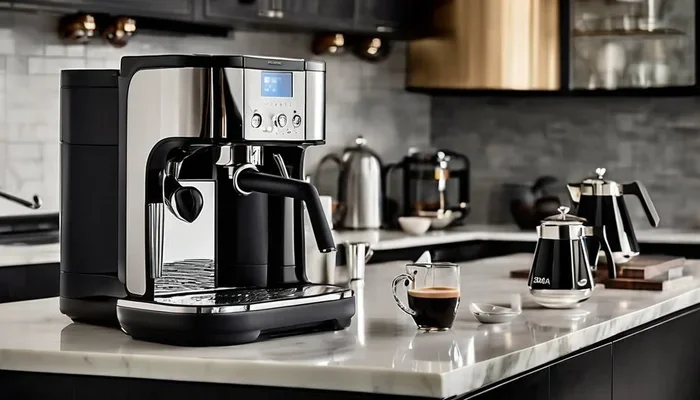
Espresso machines are more complex. They use pumps, boilers, and multiple seals to create pressure and extract coffee. This complexity means more parts that can potentially fail. But it also means that when built well, they can last a very long time.
A quality espresso machine lifespan ranges from 5 to 15 years depending on the type. Manual lever machines with few electronic parts often last the longest. Automatic machines with digital displays and grinders have more failure points but offer more convenience.
If you want a machine that truly stands the test of time, look for models with brass or stainless steel internals. These coffee maker investment pieces may cost more upfront but deliver exceptional coffee machine longevity.
Single Serve And Pod Machines
Single serve machines like Keurig and Nespresso have exploded in popularity. They are fast, convenient, and perfect for offices or households with different coffee preferences.
However, their coffee maker lifespan tends to be shorter. Most single serve machines last between 3 and 5 years. The piercing needle, water pump, and internal tubing are common failure points. That said, some models hold up much better than others. Brands that use higher-quality pumps and offer coffee maker replacement parts tend to win in this category.
French Press And Manual Brewers
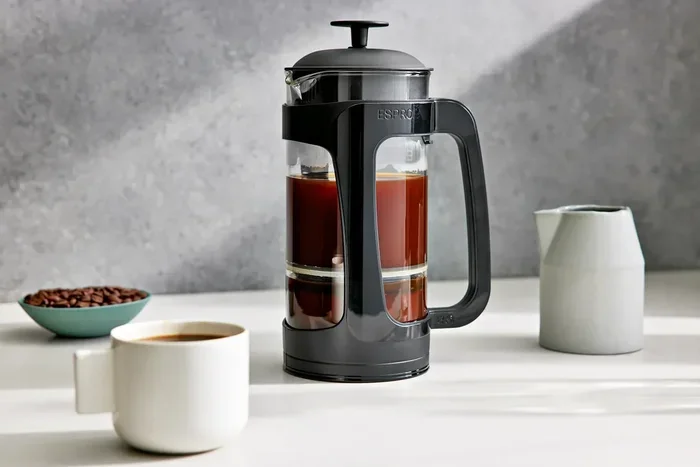
These are not electric machines, so they do not have heating elements or pumps to fail. A French press made from borosilicate glass or stainless steel can last decades with proper care. Manual brewing methods like pour-over drippers and AeroPress devices are among the most durable options available.
They do not replace a full coffee maker for most people, but they make excellent companions or backup brewers. If you are looking for zero-maintenance long-lasting coffee maker options, manual methods deserve serious consideration.
What Makes A Coffee Maker Last Longer
You cannot judge a coffee maker’s lifespan by its price tag alone. Some expensive machines break down quickly, while some affordable ones keep running for years. What actually determines durability? Let us look at the key factors.
Material Quality
The single biggest factor in coffee maker durability is the materials used in construction. Machines with stainless steel coffee maker housing and internal components resist wear and corrosion far better than plastic models. The water tank, drip tray, and internal pathways all matter.
Look for machines where the water contact surfaces are stainless steel or food-grade materials. Plastic water tanks can crack over time, especially when exposed to heat repeatedly. Glass carafes break easily. Thermal stainless steel carafes are the most durable option for keeping coffee hot without a heating plate.
Heating Element Design
The heating element is the heart of any electric coffee maker. It heats the water and, in some models, keeps the carafe warm. Machines with heavy-duty heating elements and thermostat controls last longer than those with basic, thin elements.
Some programmable coffee maker models use more sophisticated heating systems that turn on and off based on your schedule. While these are convenient, they add complexity. Simpler heating systems with fewer electronic parts tend to be more reliable over the long run.
Brand Reputation And Manufacturing Standards
Not all brands are equal when it comes to coffee maker reliability. Some manufacturers cut corners on every component to hit a low price point. Others invest in quality parts, rigorous testing, and better engineering.
Brands that have been around for decades and consistently earn positive reviews for durability include:
- Technivorm – Known for their Moccamaster line, these Dutch-made machines are built like tanks and often last 15+ years.
- Breville – Their espresso machines and drip brewers are engineered for heavy daily use and long lifespan.
- Ninja – Offers solid mid-range machines with good build quality and strong warranty support.
- Bonavita – A favorite among coffee enthusiasts for simple, well-built drip machines that last many years.
- Hamilton Beach – Budget-friendly options that surprisingly hold up well for the price.
Warranty And Replacement Parts
This is one of the most overlooked factors when choosing a coffee maker. A long warranty signals that the manufacturer believes in their product. More importantly, check whether the brand offers coffee maker replacement parts for common failure points like water pumps, thermostats, and heating elements.
When a machine breaks and parts are available, a simple repair can add another 3 to 5 years of life. When parts are unavailable, you are forced to buy a new machine. Always check the manufacturer’s website for parts availability before you buy.
How To Extend Your Coffee Maker’s Life
Buying a durable machine is only half the battle. How you use and maintain it makes a huge difference in how long it actually lasts. Follow these habits and your coffee maker lifespan will thank you.
Clean It Regularly
Coffee oils, mineral deposits, and grime build up inside your machine over time. This buildup affects taste and can clog internal pathways. A quick rinse after every use and a deep clean once a week goes a long way.
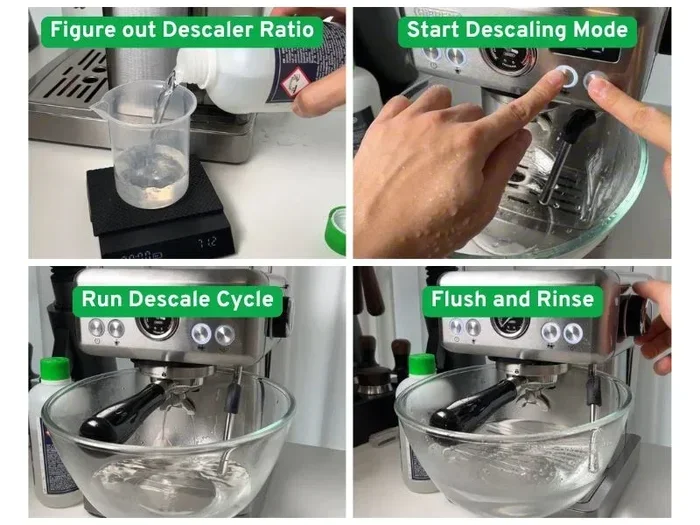
For drip machines, run a cycle with equal parts white vinegar and water once a month. This coffee maker maintenance step removes mineral scale and keeps the heating element working efficiently. For espresso machines, follow the manufacturer’s descaling schedule, which is usually every 1 to 3 months depending on your water hardness.
Use Quality Water
Hard water is the enemy of any coffee maker. The minerals in hard water build up inside the machine and cause scaling, which reduces efficiency and can eventually kill the heating element. Using filtered water or a water filter pitcher dramatically extends your machine’s life.
This is one of the easiest and most impactful things you can do. A simple carbon filter on your water line or a filtered water reservoir can add years to your coffee brewing machine.
Do Not Overuse It
Some machines are rated for a certain number of brew cycles per day. If you run your coffee maker 10 times a day for years, the components wear out faster. Give your machine breaks between cycles when possible. If you brew large quantities, consider a machine rated for heavy commercial use.
Store It Properly
Keep your coffee maker in a dry, cool spot. Moisture and heat from nearby stoves or dishwashers can damage electrical components over time. If you have a machine with a removable water reservoir, store it with the reservoir open to prevent mold and mildew buildup.
Replace Parts When Needed
Do not wait until something completely breaks. If your coffee maker starts brewing slower than usual, that is a sign of mineral buildup. If it makes unusual noises, check for loose or worn parts. Addressing small issues early prevents bigger problems later.
How To Choose The Right Coffee Maker For Longevity
Now that you understand what makes a coffee maker last, here is how to choose the right one for your needs and budget.
Step 1: Decide On Your Coffee Type
Do you drink regular drip coffee every morning? Or do you prefer espresso drinks like lattes and cappuccinos? Your coffee preference determines the type of machine you need. Trying to force a single-serve machine to do the job of a full espresso setup will only lead to frustration.
Think about what you drink most often and buy a machine designed for that purpose. This alone eliminates a lot of potential durability issues.
Step 2: Set A Realistic Budget
You do not need to spend $1,000 to get a long-lasting machine. But you should expect to spend at least $80 to $100 for a reliable drip coffee maker. For espresso machines, a budget of $200 to $500 gets you solid build quality and good longevity.
Remember the cost-per-brew math from earlier. Spending a bit more upfront almost always pays off in the long run.
Step 3: Check The Build Materials
When comparing models, look closely at what they are made of. Stainless steel housing, stainless steel water tanks, and metal internal components all signal a machine built to last. Plastic models are fine for casual use, but they rarely survive beyond 3 to 5 years of daily brewing.
Also pay attention to the carafe or mug. Thermal stainless steel carafes outlast glass ones by a wide margin. If the machine comes with a glass carafe, consider buying a compatible thermal carafe as a replacement.
Step 4: Read Reviews Focused On Durability
When researching models, look for reviews that specifically discuss long-term use. A review from someone who has used a machine for 3 or more years is far more valuable than one from the first week of ownership. Pay attention to common complaints about breakdowns, leaking, or heating issues.
Also look for coffee maker warranty information. A 2-year warranty is standard for quality machines. Some premium brands offer 3 to 5 year warranties, which shows real confidence in their coffee maker reliability.
Step 5: Consider Your Kitchen Space And Usage
A machine that fits your kitchen and your routine will get used properly and last longer. If you have limited counter space, a compact model with good build quality beats a large machine that gets knocked around. If you brew multiple cups throughout the day, choose a machine rated for heavy use.
Think about how you will actually use the machine every day. The best coffee maker for longevity is the one that matches your real life, not just your ideal coffee routine.
Quick Tips For Maximum Coffee Maker Lifespan
- Use filtered water to reduce mineral buildup inside the machine.
- Descale your machine every 1 to 3 months depending on water hardness.
- Empty the water reservoir after each use to prevent stale water and mold.
- Clean the carafe and filter basket thoroughly after every brew.
- Replace the water filter in your machine according to the manufacturer’s schedule.
- Do not use abrasive cleaners on internal components or the heating plate.
- Run a vinegar cycle once a month to dissolve mineral deposits.
Common Mistakes That Shorten Coffee Maker Life
Avoid these habits that silently destroy your machine:
- Ignoring the descaling light. That light is there for a reason. Skipping descaling leads to scale buildup that damages the heating element.
- Using tap water in hard water areas. This is the number one killer of coffee makers. The mineral deposits accumulate fast and are difficult to remove.
- Letting coffee sit on the heating plate for hours. This scorches the coffee and can damage the warming plate over time.
- Overfilling the water reservoir. This puts unnecessary pressure on the internal seals and tubing.
- Never cleaning the filter basket. Old coffee oils turn rancid and clog the system.
Most of these mistakes are easy to avoid with simple habits. A few minutes of care each week can add years to your coffee maker lifespan.
Expert Insight: What Repair Technicians Say
We spoke with several appliance repair technicians about the most common coffee maker failures. Here is what they shared:
“The number one thing we see is neglected descaling,” says one technician with over 15 years of experience. “People use their machines for years without ever cleaning the inside. By the time they bring it in, the heating element is coated in scale and barely works.”
Another technician added, “The second most common issue is cracked water tanks. This happens when people use hot water to fill the reservoir or when the machine gets knocked around. A stainless steel coffee maker with a metal tank almost never has this problem.”
Their advice is simple. Treat your machine well, clean it regularly, and it will reward you with years of reliable service.
Final Thoughts: Finding A Coffee Maker That Lasts
Choosing the right coffee maker is about more than just features and price. It is about finding a machine that fits your daily routine, matches your coffee preferences, and stands up to years of regular use.
The coffee maker that lasts the longest is one built with quality materials, backed by a strong warranty, and supported by available replacement parts. Whether you choose a drip machine, an espresso setup, or a simple French press, the key is to buy from a reputable brand and take care of your machine properly.
Remember, a coffee maker is a daily tool. You interact with it every single morning. Investing in coffee maker durability is one of the best decisions you can make for your kitchen and your daily routine. A machine that brews reliably for 10 years or more pays for itself many times over.
Use the tips in this guide to evaluate your options. Check the materials. Read real-world reviews. Consider your water quality and usage habits. And most importantly, treat your machine with care once you bring it home. With the right choice and a little maintenance, your next coffee maker could be the last one you ever need to buy.
For those who enjoy experimenting with different brewing methods, learning about grinding coffee beans finer can help you get more flavor from whatever machine you choose. And if you ever find yourself without a machine at all, knowing how to make coffee without a filter or machine is a handy backup skill that every coffee lover should have.
Frequently Asked Questions
How long should a good coffee maker last?
A quality coffee maker should last between 5 and 10 years with regular use and proper maintenance. Premium models from brands like Technivorm or Breville can last 15 years or more. The key factors are build materials, daily usage habits, and how well you maintain the machine.
Is it worth repairing an old coffee maker?
It depends on the repair cost and the machine’s age. If the repair is under $50 and the machine is less than 7 years old, it is usually worth fixing. For older machines with multiple issues, replacement is often the better choice. Always check if replacement parts are available first.
What is the most durable type of coffee maker?
Manual brewers like French presses and pour-over devices tend to last the longest since they have no electrical components. Among electric machines, drip coffee makers with stainless steel construction and thermal carafes are the most durable. Espresso machines with fewer electronic parts also tend to last longer.
Does descaling really extend coffee maker life?
Yes, absolutely. Mineral scale buildup is one of the leading causes of coffee maker failure. Regular descaling removes this buildup and keeps the heating element working efficiently. Most technicians recommend descaling every 1 to 3 months depending on your water hardness.
Can hard water kill a coffee maker faster?
Yes, hard water significantly shortens a coffee maker’s lifespan. The minerals in hard water form scale deposits inside the machine that clog pathways, coat the heating element, and reduce efficiency. Using filtered water is one of the simplest ways to extend your machine’s life.
How do I know if my coffee maker is dying?
Warning signs include slower brewing times, unusual noises, leaking, inconsistent water temperature, and a burnt or stale taste in the coffee. If you notice any of these issues, clean and descale the machine first. If problems persist, the heating element or internal components may need replacement.
=== CONCLUSION ===
The coffee maker that lasts the longest is one you choose with care and maintain with consistency. From material quality and brand reputation to daily cleaning habits, every factor plays a role in determining how many years of morning coffee your machine will deliver.
Take the time to evaluate your options using the guidelines in this article. Pick a machine with solid build quality, check warranty coverage, and commit to simple maintenance routines. Your future self will thank you every morning when that perfect cup of coffee is waiting for you.