Are GU Glass Pots Oven Safe Everything You Need To Know
Are GU glass pots oven safe? Yes, most GU glass pots are designed to handle oven temperatures, but understanding their limits is essential. GU glass pots made from tempered or borosilicate glass can typically withstand temperatures between 350°F and 450°F. Always check the manufacturer’s guidelines to avoid thermal shock and ensure safe oven safe glass cooking.
Have you ever wondered whether your favorite GU glass pots can go in the oven? Maybe you are prepping a delicious casserole and thinking about transferring it from the stovetop to the oven. Or perhaps you just bought a new GU glass pot and want to know all the ways you can use it. Whatever the reason, this question comes up a lot among home cooks. Are GU glass pots oven safe? The short answer is yes, but there are important details you need to know. In this guide, we will walk you through everything about using GU glass pots in the oven. You will learn about temperature limits, safety tips, benefits, and common mistakes to avoid. By the end, you will feel completely confident about using your glass cookware in the oven.
Cooking with glass pots has many advantages. They look beautiful on the table, they heat evenly, and they are easy to clean. But not all glass pots are created equal. Some can handle high oven temperatures while others cannot. That is why understanding your specific GU glass pot matters so much. Oven safe glass cookware requires proper handling and awareness of its limits. This article will give you all the information you need to use your GU glass pots safely and effectively. Let us dive right in.
Key Takeaways
- GU glass pots are generally oven safe: Most models handle standard baking temperatures up to 450°F.
- Check the manufacturer label: Always verify oven safety before placing any glass pot in a hot oven.
- Avoid thermal shock: Never move a cold glass pot directly into a hot oven or vice versa.
- Use the right temperature: Stay within the recommended heat range to prevent cracking or shattering.
- Proper care extends lifespan: Gentle cleaning and storage keep your GU glass pots in great shape.
- Glass bakeware offers even cooking: GU glass pots distribute heat evenly for consistent baking results.
- Know when to replace: Chips, cracks, or discoloration mean it is time for a new pot.
📑 Table of Contents
- What Are GU Glass Pots?
- Are GU Glass Pots Oven Safe?
- Temperature Limits and Safety Guidelines
- Benefits of Using GU Glass Pots in the Oven
- Common Mistakes to Avoid with GU Glass Pots
- How to Care for Your GU Glass Pots
- GU Glass Pots vs. Other Oven-Safe Cookware
- Final Thoughts on Are GU Glass Pots Oven Safe
What Are GU Glass Pots?
GU glass pots are a popular line of glass cookware known for their durability and elegant design. They are made from high-quality glass that is designed for cooking, baking, and serving. Many people love GU glass pots because they work on multiple surfaces. You can use them on the stovetop, in the oven, or even as serving dishes right at the table. Glass bakeware like GU pots has become a staple in many kitchens around the world.
What makes GU glass pots special? Most of them are crafted from tempered glass or borosilicate glass. These materials are designed to handle heat better than regular glass. Tempered glass goes through a special heating and cooling process. This process makes it much stronger and more resistant to breaking. Borosilicate glass, on the other hand, is known for its low thermal expansion. This means it does not expand or contract much when exposed to heat. Both types of glass are excellent choices for heat resistant glassware.
GU glass pots come in various shapes and sizes. You can find small pots for individual servings and large ones for family meals. Some come with lids, while others do not. The lids are often made from heat-resistant glass or silicone. Understanding what your specific GU glass pot is made of is the first step in determining whether it is safe for oven use.
Types of Glass Used in GU Pots
Not all glass is the same. Here are the two main types you will find in GU glass pots:
- Tempered Glass: This is regular glass that has been treated with heat to make it stronger. It can handle moderate oven temperatures. Tempered glass is common in many kitchen glassware items.
- Borosilicate Glass: This type of glass is known for its excellent heat resistance. It is often used in laboratory glassware and high-quality kitchen products. Borosilicate glass can handle higher temperatures than tempered glass.
Knowing which type of glass your GU pot uses helps you understand its oven capabilities. Always look for labels or product information to confirm the glass type.
Are GU Glass Pots Oven Safe?
The big question: are GU glass pots oven safe? The answer is generally yes. Most GU glass pots are designed to be oven safe up to a certain temperature. However, not every GU glass pot has the same limits. Some can handle very high temperatures while others have lower limits. This is why you should always check the product label or the manufacturer’s instructions before placing your pot in the oven.
Oven safe glass cookware is specifically designed to handle the dry heat of an oven. This is different from regular glass, which can crack or shatter when exposed to sudden temperature changes. GU glass pots that are labeled as oven safe have been tested to withstand the heat inside a typical home oven. They are built to handle temperatures commonly used for baking and roasting.
Here are some general guidelines for oven safety with GU glass pots:
- Check the product label: Look for an oven safe symbol or temperature rating on the packaging or the pot itself.
- Follow manufacturer instructions: GU provides specific guidelines for each product. Read them carefully before using your pot in the oven.
- Inspect the pot before use: Look for chips, cracks, or damage. A damaged glass pot is not safe for oven use.
- Avoid direct heat sources: Even oven-safe glass pots should not be placed directly on a burner or heating element.
When in doubt, contact GU customer support. They can confirm whether your specific model is safe for oven use. It is always better to be safe than sorry when dealing with hot glass and high temperatures.
Why Oven Safety Matters for Glass Cookware
Using a glass pot that is not oven safe can be dangerous. Non-oven-safe glass can crack, shatter, or even explode when exposed to high heat. This can cause serious injuries and damage to your oven. Glass that is not designed for oven use may contain impurities or have a structure that cannot handle thermal stress. Heat safe glassware is specifically engineered to manage the expansion and contraction that happens during heating and cooling.
Even with oven-safe GU glass pots, you need to follow proper procedures. Simply placing a cold pot into a preheated oven can cause problems. This is where the concept of thermal shock comes in, and understanding it is crucial for safe cooking.
Temperature Limits and Safety Guidelines
Understanding the temperature limits of your GU glass pots is essential for safe oven use. Most GU glass pots can handle temperatures up to 350°F to 450°F. However, the exact limit depends on the specific model and the type of glass used. Always refer to the product documentation for the precise temperature rating.
Thermal shock is one of the biggest risks when using glass cookware in the oven. Thermal shock happens when glass is exposed to a sudden and extreme change in temperature. For example, taking a cold glass pot straight from the refrigerator and placing it into a hot oven can cause the glass to crack. The outer surface expands quickly while the inner surface remains cool. This uneven expansion creates stress that the glass cannot handle.
Here are some important temperature safety tips for using GU glass pots in the oven:
- Preheat the oven first: Always let your oven reach the desired temperature before placing the pot inside.
- Room temperature pots: Let your GU glass pot come to room temperature before putting it in the oven.
- Do not exceed the maximum temperature: Stay within the recommended heat range listed by the manufacturer.
- Avoid broiler settings: Most glass pots are not safe for use under a broiler, which produces intense direct heat.
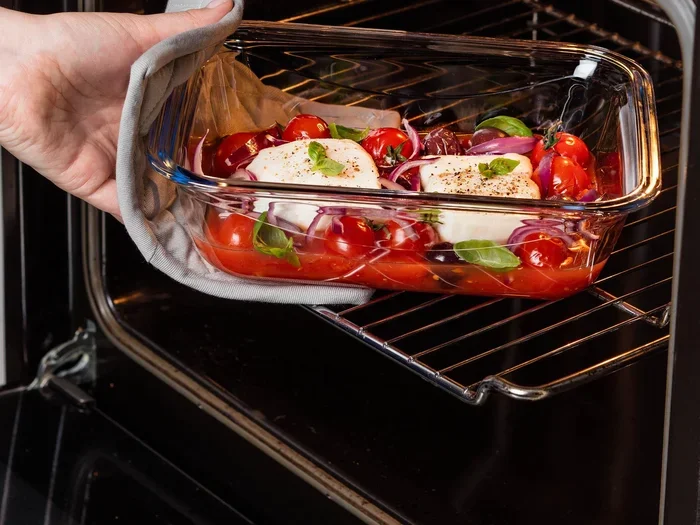
- Use oven mitts: Glass pots become very hot in the oven. Always use protective gloves when handling them.
What Temperature Can GU Glass Pots Handle?
Most GU glass pots are rated for temperatures between 350°F and 450°F. Some high-quality borosilicate glass models may handle slightly higher temperatures. However, it is important to note that even within this range, you should avoid sudden temperature changes. Here is a quick reference guide:
- 350°F: Safe for most GU glass pots. Ideal for baking cakes, bread, and casseroles.
- 400°F: Generally safe for oven-safe GU glass pots. Good for roasting vegetables and meats.
- 450°F: The upper limit for many GU glass pots. Use with caution and always check the label.
- Above 450°F: Not recommended for most glass pots. Consider using metal cookware for very high-heat cooking.
Following these guidelines will help you get the most out of your GU glass pots while keeping your kitchen safe.
Benefits of Using GU Glass Pots in the Oven
Using GU glass pots in the oven offers many benefits that make them a favorite among home cooks. Let us explore why so many people love cooking with glass bakeware.
Even Heat Distribution
One of the biggest advantages of glass cooking pots is their ability to distribute heat evenly. GU glass pots heat up gradually and consistently. This means your food cooks more evenly, with fewer hot spots. When you bake a casserole or a dessert in a GU glass pot, you can expect uniform cooking from edge to center.
Beautiful Serving Options
GU glass pots look stunning on the dining table. You can bake your dish in the pot and then bring it directly to the table for serving. This eliminates the need to transfer food to a separate serving dish. It also reduces cleanup since you use fewer dishes overall. Many people appreciate the elegant look of glass bakeware for dinner parties and family gatherings.
Non-Reactive Cooking Surface
Glass is a non-reactive material. This means it does not interact with acidic foods like tomatoes, citrus, or vinegar. Unlike some metal cookware, GU glass pots will not alter the taste or color of your food. This makes them an excellent choice for recipes that include acidic ingredients.
Easy to Clean
Cleaning GU glass pots is a breeze. Most are dishwasher safe and do not stain easily. Food residue wipes off with minimal effort. Unlike cast iron or other metal cookware, you do not need to season glass pots or scrub them with harsh abrasives. Simply wash with warm soapy water and they look as good as new.
Versatility in the Kitchen
GU glass pots are incredibly versatile. You can use them for baking, roasting, slow cooking, and even reheating leftovers. They work beautifully in conventional ovens and some models are safe for microwave use as well. This versatility makes them a valuable addition to any kitchen.
Common Mistakes to Avoid with GU Glass Pots
Even though GU glass pots are durable, they are not indestructible. Many people make mistakes that can damage their glass cookware or even cause injury. Here are the most common errors to avoid.
Skipping the Preheat Step
Some people place a cold glass pot into a cold oven and then turn on the heat. This can work for some recipes, but it increases the risk of thermal shock. The safest approach is to place your room-temperature pot into a preheated oven. This gives the glass time to adjust to the heat gradually.
Using the Wrong Temperature
Exceeding the maximum temperature rating for your GU glass pot is a serious mistake. It can cause the glass to weaken over time or shatter suddenly. Always check the temperature limit before setting your oven. If a recipe calls for a higher temperature than your glass pot can handle, use a different type of cookware.
Placing Hot Pots on Cold Surfaces
After removing a hot GU glass pot from the oven, never place it on a cold or wet surface. The sudden temperature change can cause the glass to crack. Always use a heat-resistant trivet, wooden board, or towel as a surface for hot glass pots.
Ignoring Cracks and Chips
Even a small chip or crack can compromise the structural integrity of a glass pot. A damaged pot is much more likely to break when exposed to heat. If you notice any damage, stop using the pot in the oven immediately. Replace it with a new one to stay safe.
Using Metal Utensils
Metal utensils can scratch and damage the surface of glass pots. Over time, these scratches can weaken the glass and create stress points. Use wooden, silicone, or nylon utensils instead to keep your GU glass pots in excellent condition.
How to Care for Your GU Glass Pots
Proper care and maintenance can significantly extend the life of your GU glass pots. With the right care routine, your glass cookware can last for many years of reliable use. Here are some essential tips to keep your pots in great shape.
Cleaning Tips
- Wash after each use: Clean your GU glass pot after every use to prevent food buildup and staining.
- Use gentle detergents: Avoid harsh chemical cleaners that can damage the glass surface. Mild dish soap works perfectly.
- Soak stubborn stains: Soak the pot in warm soapy water for 15-20 minutes to loosen stuck-on food.
- Use a soft sponge: Avoid abrasive scrubbers and steel wool. A soft sponge or cloth is all you need.
- Dry thoroughly: Dry the pot completely before storing it to prevent water spots and moisture damage.
Storage Tips
- Stack with care: If you stack your glass pots, place a soft cloth or paper towel between them to prevent scratches.
- Store in a dry place: Moisture can damage glass over time. Choose a dry, cool storage area.
- Avoid heavy items on top: Do not place heavy objects on top of your glass pots, as this can cause cracks or chips.
Handling and Usage Tips
- Always use oven mitts: Glass pots become extremely hot in the oven. Protect your hands with thick oven mitts.
- Add liquid before heating: When cooking dry foods, add a small amount of liquid to help distribute heat and protect the glass.
- Avoid sudden cooling: Do not run cold water over a hot glass pot. Let it cool down naturally on a heat-safe surface.
Following these care tips will keep your GU glass pots looking great and performing well for years to come. Proper maintenance is one of the easiest ways to get the most value out of your investment in quality glass bakeware.
GU Glass Pots vs. Other Oven-Safe Cookware
When choosing oven-safe cookware, it helps to compare different materials. Each option has its own strengths and weaknesses. Here is how GU glass pots stack up against other popular oven-safe options.
| Feature | GU Glass Pots | Ceramic Baking Dishes | Metal Baking Pans |
|---|---|---|---|
| Oven Safe Temperature | Up to 450°F | Up to 450°F | Up to 500°F+ |
| Heat Distribution | Even and consistent | Good, but slower | Fast and responsive |
| Serving Style | Table-ready | Table-ready | Transfer needed |
| Reactivity with Food | Non-reactive | Non-reactive | Can react with acidic foods |
| Durability | Good, but breakable | Good, but breakable | Very durable |
| Ease of Cleaning | Very easy | Moderate | Moderate |
| Price Range | Mid to high | Low to mid | Low to mid |
As you can see, GU glass pots offer a great balance of performance, beauty, and versatility. They may not be the most durable option compared to metal, but they excel in heat distribution and presentation. For many home cooks, the benefits of glass bakeware outweigh the drawbacks.
When to Choose GU Glass Pots Over Other Options
Choose GU glass pots when you want a beautiful serving dish that doubles as a cooking vessel. They are perfect for one-dish meals, baked pasta, casseroles, and desserts. If presentation matters to you and you love the idea of cooking and serving in the same container, GU glass pots are an excellent choice.
When to Choose Other Materials Instead
Consider metal cookware when you need very high heat tolerance or faster cooking times. Choose ceramic when you want a budget-friendly option for simple baking tasks. Each material has its place in the kitchen, and having a mix of different cookware types gives you the most flexibility.
Final Thoughts on Are GU Glass Pots Oven Safe
So, are GU glass pots oven safe? Yes, they absolutely are. Most GU glass pots are designed to handle oven temperatures up to 450°F, making them a versatile and reliable choice for your kitchen. The key is to always check the manufacturer’s guidelines, follow proper safety procedures, and avoid sudden temperature changes. With the right care and attention, your GU glass pots will serve you well for many years of delicious cooking and baking.
Using GU glass pots in the oven opens up a world of cooking possibilities. From hearty casseroles to beautiful baked desserts, these pots deliver excellent results every time. They combine functionality with elegance, making them a joy to cook with and serve in. Remember to respect the temperature limits, handle the pots with care, and clean them properly after each use.
Whether you are a seasoned chef or a beginner in the kitchen, GU glass pots are a wonderful addition to any kitchen. They make cooking easier, serving more elegant, and cleanup a breeze. Invest in quality glass cookware, follow the safety guidelines, and enjoy the many benefits that GU glass pots have to offer. Happy cooking and happy baking!
Frequently Asked Questions
Can I put my GU glass pot in a preheated oven?
Yes, you can place a room-temperature GU glass pot in a preheated oven. Always make sure the pot is at room temperature before putting it in. This helps prevent thermal shock and keeps the glass safe. Check the manufacturer’s label for the maximum temperature rating first.
What is the maximum oven temperature for GU glass pots?
Most GU glass pots can handle temperatures up to 450°F. However, some models may have lower limits. Always check the product label or the manufacturer’s instructions to confirm the exact temperature rating for your specific GU glass pot.
Can I use my GU glass pot on the stovetop and then put it in the oven?
This depends on the specific model. Some GU glass pots are designed for both stovetop and oven use, while others are oven safe only. Check the product documentation to verify whether your pot can go from the stovetop to the oven. Always let the pot cool slightly before transferring it.
Why did my GU glass pot crack in the oven?
A glass pot can crack in the oven due to thermal shock. This happens when the glass experiences a sudden temperature change, such as moving from a cold environment to a hot oven. Other causes include exceeding the maximum temperature limit or using a pot that already has chips or cracks.
Are GU glass pots safe for microwave use?
Many GU glass pots are microwave safe, but not all of them. Check the product label for microwave safety information. Even microwave-safe glass pots should be used carefully, avoiding overheating and sudden temperature changes.
How do I know if my glass pot is oven safe?
Look for an oven safe symbol or temperature rating on the product packaging or the pot itself. The manufacturer’s instructions will clearly state whether the pot is safe for oven use. When in doubt, contact the manufacturer directly for confirmation.
=== CONCLUSION ===
Are GU glass pots oven safe? The answer is a confident yes, as long as you follow the proper guidelines. GU glass pots are designed to be versatile, durable, and beautiful kitchen tools. They handle oven temperatures well, distribute heat evenly, and make serving a breeze. By understanding their temperature limits, avoiding common mistakes, and caring for them properly, you can enjoy your GU glass pots for many years. Remember to always check the manufacturer’s instructions, use oven mitts, and never expose your glass pots to sudden temperature changes. With these simple tips, you will get the most out of your GU glass pots and create delicious meals with confidence every time.