How To Make A Great Pour Over Coffee The Simple Way
Pour over coffee is a simple, rewarding way to brew a rich, flavorful cup at home. With just a few tools and basic technique, you can enjoy cafe-quality coffee brewing right in your kitchen. This guide walks you through every step to make great pour over coffee the easy way.
Key Takeaways
- Pour over coffee gives you full control over flavor, strength, and brewing time
- The right grind size and water temperature are the two most important factors
- A simple ratio of 1:16 (coffee to water) is the best starting point for beginners
- The bloom phase matters and helps release trapped gases from fresh beans
- Common mistakes like water too hot or grinding too fine can ruin your cup
- Pour over coffee is cheaper and cleaner than most other brewing methods
- Practice makes perfect and each brew teaches you something new
📑 Table of Contents
What Is Pour Over Coffee And Why You Should Try It
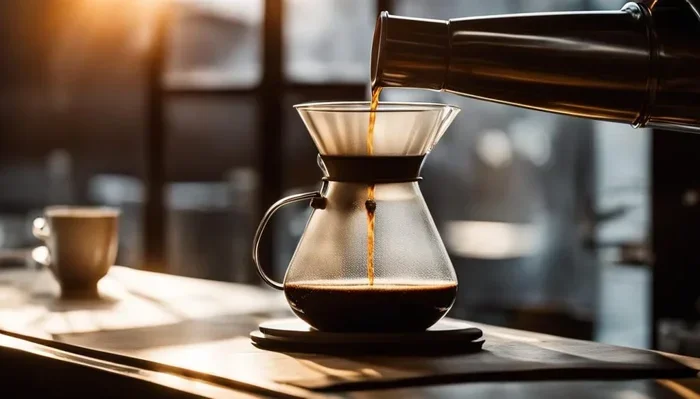
If you love coffee but feel like your current brewing method is holding you back, it is time to try pour over coffee. This method uses gravity and hot water to extract flavor from coffee grounds. You pour water slowly over the grounds, and the coffee drips through a filter into a carafe or cup below.
Pour over coffee is a form of manual brewing. That means you control every part of the process. You decide the grind size, the water temperature, the pouring speed, and the total brewing time. This level of control is why so many coffee lovers prefer pour over methods over automatic machines.
The result is a clean, bright, and flavorful cup. Because the paper filter catches most of the oils and fine particles, your coffee tastes smooth and clear. You get to taste the true coffee flavor of your beans without any bitterness or grit.
What Makes Pour Over Coffee Different
Not all coffee brewing methods are the same. A drip machine does most of the work for you. An espresso machine uses pressure. A French press lets grounds sit in water and then strains them out.
Pour over coffee sits in a sweet spot. It gives you more control than a drip machine but is simpler than an espresso setup. You do not need expensive equipment or technical skills. Just a dripper, a filter, grounds, and hot water.
If you want to explore other no-equipment methods, you can also learn how to make coffee without a filter or machine for situations where you do not have your pour over gear handy.
The Benefits Of Manual Brewing
There are many reasons to switch to manual brewing. Here are the biggest ones:
- Better flavor control: You can adjust every variable to match your taste
- Cleaner cup: Paper filters remove excess oils and sediment
- Affordable: A basic pour over setup costs less than most machines
- Slow and mindful: The process itself is calming and enjoyable
- Portable: You can brew pour over coffee almost anywhere with hot water
- Consistent results: Once you master the technique, every cup is great
What You’ll Need: Equipment And Ingredients
Before you start brewing, gather your tools. The good news is you do not need much. A basic pour over coffee setup is simple and affordable.
Essential Pour Over Equipment
Here is what you need to get started:
- A pour over dripper: This holds the filter and grounds. Popular brands include Hario V60, Chemex, and Kalita Wave
- A paper or reusable filter: Paper filters give the cleanest taste. Reusable metal or cloth filters work too
- A gooseneck kettle: The long narrow spout lets you control water flow and pour speed
- A coffee scale: Measuring by weight gives you consistent results every time
- A coffee carafe or mug: Something to catch the brewed coffee
- Fresh coffee beans: Whole beans always taste better than pre-ground
You do not need to buy everything at once. Start with a dripper, filter, kettle, and scale. You can add tools later as you refine your technique.
Choosing The Right Coffee Beans
Your coffee beans make a big difference in taste. For pour over, medium to light roast beans work best. They bring out the coffee flavor notes like fruit, chocolate, or nuts without turning bitter.
Buy whole beans and grind them just before brewing. Fresh beans taste significantly better than old ones. Look for beans that were roasted within the last two to four weeks. Store them in an airtight container away from light and heat.
If you are curious about how grind size affects strength, check out this guide on will grinding coffee beans finer make it stronger to understand the science behind it.
The Importance Of Water Quality
Water makes up over 98 percent of your cup of coffee. So the quality of your water matters a lot. Use filtered or spring water for the best coffee taste. Avoid distilled water because it lacks minerals that help with coffee extraction. And never use tap water that tastes chlorinated or off.
The Step-By-Step Pour Over Coffee Process
Now that you have your tools and ingredients ready, let us walk through the full process. Follow these steps and you will brew a delicious cup every time.
Step 1: Measure Your Coffee And Water
Start with a coffee ratio of 1:16. That means 1 gram of coffee for every 16 grams of water. For a standard cup, use about 20 grams of coffee and 320 grams of water.
Place your carafe or mug on the scale and set it to zero. Add the ground coffee to the filter. Then pour hot water into the kettle and get it ready.
Step 2: Heat Your Water To The Right Temperature
Water temperature is critical for good coffee brewing. The ideal range is between 195 and 205 degrees Fahrenheit. That is just below boiling.
If you do not have a thermometer, bring water to a boil and then let it sit for 30 to 45 seconds. This cooling period brings it into the right range. Water that is too hot will over-extract the grounds and make your coffee bitter. Water that is too cool will under-extract and leave it sour and weak.
Step 3: Prepare Your Filter And Dripper
Place the filter in your dripper and rinse it with hot water. This removes any papery taste and preheats the dripper and carafe. Discard the rinse water before adding your coffee grounds.
This small step makes a big difference in the final coffee taste. Do not skip it if you want the cleanest flavor possible.
Step 4: The Bloom Phase
The bloom is one of the most important parts of pour over coffee. Pour just enough hot water to saturate the grounds evenly. Use about twice the weight of the coffee. For 20 grams of grounds, pour 40 grams of water.
Wait 30 to 45 seconds. You will see the grounds puff up and bubble. This is called blooming. It happens because fresh coffee releases carbon dioxide gas. Letting the gas escape before the full pour leads to better coffee extraction and a more even coffee taste.
Step 5: The Main Pour
After the bloom, begin pouring the remaining water slowly. Use a circular motion starting from the center and moving outward. Then spiral back inward. Keep the water level consistent and do not pour directly onto the filter.
Try to finish pouring within 3 to 4 minutes total. The brewing time should be around 3 to 4.5 minutes from start to finish. If it drains too fast, your grind is too coarse. If it takes too long, the grind is too fine.
For more details on how grind size affects your brew, read about grinding coffee beans finer and how it impacts extraction and strength.
Step 6: Let It Finish Dripping
Once all the water has passed through the grounds, remove the dripper. Give the carafe a gentle swirl to mix the coffee. Your pour over coffee is ready to drink.
Serve it right away for the best flavor. Coffee starts to lose its coffee flavor as it sits on heat. If you are not drinking it immediately, pour it into a warm mug or thermal carafe.
Tips For Perfecting Your Pour Over Technique
Making great pour over coffee takes a little practice. These tips will help you improve faster and avoid frustration.
Master Your Pouring Motion
The pour is the heart of the process. A steady, slow, and even pour distributes water across all the grounds equally. Uneven pouring creates channels where water rushes through too fast. This leads to under-extraction and weak coffee taste.
Keep your hand steady and your pour gentle. Think of it like a slow rain falling over the coffee bed. The gooseneck kettle really helps here because it gives you precision control over the flow.
The Right Grind Size Matters
For pour over coffee, aim for a medium-fine grind. It should look and feel like table salt or slightly coarser than espresso. Too fine and the water struggles to pass through, making the brew bitter and slow. Too coarse and the water rushes through, leaving the coffee weak and sour.
Adjust your grind size based on taste. If your coffee tastes bitter, try a coarser grind. If it tastes sour or thin, go finer. Small changes make a big difference in coffee extraction and final coffee taste.
Finding Your Perfect Coffee Ratio
The 1:16 ratio is a great starting point, but it is not set in stone. Some people prefer a stronger cup and use 1:14. Others like it lighter and go to 1:17 or 1:18.
Experiment with different ratios over several brews. Keep notes on what you change and how the coffee taste was affected. This is how you find your personal sweet spot for the perfect cup.
Quick Tip: Always use the same type of beans and water when experimenting. This way, you only change one variable at a time and can clearly see what makes a difference.
Common Mistakes To Avoid
Even experienced home baristas make mistakes. Here are the most common ones and how to fix them.
Using Water That Is Too Hot
Boiling water (212°F) is too hot for pour over coffee. It scorches the grounds and pulls out bitter compounds. Always let boiling water cool for 30 to 45 seconds before pouring.
Skipping The Bloom
Skipping the bloom means trapped gases stay in the grounds. This leads to uneven extraction and a flat or sour coffee taste. Always give your coffee 30 to 45 seconds to bloom before the main pour.
Grinding Too Fine Or Too Coarse
Grind size is the most common culprit for bad pour over coffee. If your coffee tastes bitter and slow to drip, the grind is too fine. If it tastes weak and watery, it is too coarse. Adjust in small increments until you find the right balance.
Pouring Too Much Water At Once
Dumping all the water on the grounds at once floods the coffee bed. It creates channels and uneven extraction. Always pour in stages: bloom first, then slow, steady circles for the main pour.
Using Old Or Stale Beans
Coffee beans lose their flavor over time. Beans that have been sitting on the shelf for months will not taste good no matter how perfect your technique is. Always use fresh beans and store them properly.
How Pour Over Coffee Compares To Other Brewing Methods
There are many ways to brew coffee at home. Each method has its strengths. Here is how pour over coffee stacks up against other popular methods.
| Method | Control Level | Cleanliness | Brew Time | Best For |
|---|---|---|---|---|
| Pour Over | High | Very Clean | 3-4.5 min | Flavor enthusiasts |
| Drip Machine | Low | Clean | 5-10 min | Busy mornings |
| French Press | Medium | Muddy | 4 min steep + pour | Rich, full-bodied cups |
| Espresso Machine | Very High | Clean | 25-30 sec per shot | Concentrated, milk-based drinks |
| AeroPress | Medium-High | Clean | 1-2 min | Quick, versatile brewing |
Pour over coffee offers the best balance of control and simplicity. It does not require expensive equipment or technical skills. The clean, bright flavor profile is hard to beat with other methods.
Once you have mastered pour over, you might want to expand your kitchen skills. If you are also exploring other kitchen equipment, learning how to use a brand new oven can open up a whole new world of cooking and baking at home.
Expert Insight: Professional baristas often say that pour over coffee is the truest expression of a coffee bean’s origin. Because you control every variable, the unique characteristics of each bean shine through in the cup. This is why single-origin beans are so popular in pour over brewing.
Conclusion
Pour over coffee is one of the simplest and most satisfying ways to brew coffee at home. You do not need expensive gear or years of experience. With a basic dripper, a gooseneck kettle, fresh beans, and a little patience, you can make a cup that rivals any cafe.
The key is to focus on the fundamentals. Use the right water temperature, grind your beans to the proper size, follow the bloom, and pour with care. Once you nail these basics, every cup will be delicious.
Remember that coffee brewing is both a science and an art. Do not be afraid to experiment with ratios, grind sizes, and pouring techniques. Each brew teaches you something new. The journey of making great pour over coffee is just as enjoyable as drinking it.
Start today. Grab your dripper, some fresh beans, and a kettle. Follow the steps in this guide, and you will be sipping a perfect cup of pour over coffee in no time. Happy brewing!
Frequently Asked Questions
What type of coffee is best for pour over?
Medium to light roast whole beans work best for pour over coffee. They bring out the natural coffee flavor notes without turning bitter. Fresh beans roasted within two to four weeks give the best results.
How hot should the water be for pour over coffee?
The ideal water temperature for pour over coffee is between 195 and 205 degrees Fahrenheit. If you do not have a thermometer, boil the water and let it sit for 30 to 45 seconds before pouring. This brings it into the sweet spot for proper coffee extraction.
How long does pour over coffee take?
Total brewing time for pour over coffee is usually between 3 and 4.5 minutes. This includes the 30 to 45 second bloom phase and the main pour. The exact time depends on your grind size, coffee ratio, and pour speed.
Can I reuse coffee grounds for pour over?
No, you should not reuse coffee grounds for pour over. Most of the flavor compounds are extracted during the first brew. Reusing grounds produces weak, flat coffee with very little coffee taste. Always use fresh grounds for each cup.
What is the best pour over dripper for beginners?
The Hario V60 and Kalita Wave are both excellent choices for beginners. They are affordable, widely available, and forgiving. The Hario V60 gives a brighter, cleaner cup, while the Kalita Wave is a bit more forgiving with pour technique.
How do I clean my pour over equipment?
Remove the used filter and grounds after each brew. Rinse the dripper with warm water. For deeper cleaning, wash the dripper with mild soap and warm water once a week. If you use a reusable metal filter, clean it thoroughly to prevent oil buildup that can affect coffee taste.