How To Make Restaurant Coffee At Home Like A Barista
Discover how to make restaurant coffee at home with simple tips, the right equipment, and barista techniques anyone can learn. This guide covers everything from choosing the best coffee beans to mastering milk steaming and latte art. You will transform your morning routine into a café-worthy experience without leaving your kitchen.
Making restaurant coffee at home is easier than most people think. You do not need expensive gear or years of training to pull a great shot or steam milk like a pro. With a few simple techniques and the right tools, your morning cup can taste just as good as the one from your favorite café.
The secret to restaurant coffee at home lies in understanding a few basics. Fresh beans, proper grinding, the right water temperature, and a good coffee-to-water ratio make all the difference. Once you master these elements, you will never go back to your old routine.
This guide gives you everything you need to start brewing like a barista. We cover equipment, techniques, and tips that transform ordinary coffee into something extraordinary. Whether you love espresso drinks or prefer a classic drip brew, you will find practical advice here.
Read on to discover how to make restaurant-quality coffee in your own kitchen. You will learn how to choose beans, grind them correctly, steam milk to perfection, and even create simple latte art. Your coffee journey starts right here.
Making restaurant coffee at home is a skill anyone can develop. The tips and tricks in this guide come straight from professional barista training. By the end, you will feel confident brewing café-quality drinks every single day.
Key Takeaways
- Right Equipment Matters: A quality coffee maker or espresso machine makes a huge difference in taste and consistency.
- Perfect Coffee Ratio: Getting the coffee-to-water ratio right is the foundation of great coffee brewing.
- Fresh Beans Are Essential: Using fresh, quality coffee beans elevates flavor dramatically compared to pre-ground options.
- Milk Steaming Is a Skill: Learning to steam milk properly creates that creamy café texture every time.
- Practice Makes Perfect: Latte art and brewing techniques improve with regular practice and patience.
- Water Temperature Matters: The right water temperature unlocks the best coffee extraction and flavor profile.
📑 Table of Contents
- What Makes Restaurant Coffee Taste So Good
- Essential Equipment for Brewing Like a Barista
- Choosing and Grinding the Best Coffee Beans
- Mastering the Coffee-to-Water Ratio
- Milk Steaming and Latte Art Fundamentals
- Brewing Different Coffee Styles at Home
- Pairing Your Home Brew with Fresh Treats
- Common Mistakes That Ruin Your Home Brew
- Conclusion
What Makes Restaurant Coffee Taste So Good
Have you ever wondered why coffee at a restaurant always seems better? The flavor is richer, the crema is thicker, and the aroma fills the whole room. There are specific reasons behind this, and most of them are things you can replicate at home.
Freshness of the Beans
Restaurants typically use freshly roasted coffee beans. Fresh beans contain more oils and flavor compounds that create a vibrant taste. When beans sit on a shelf for weeks, they lose their aroma and become stale. This is the single biggest factor in coffee flavor.
To get the same freshness at home, buy whole beans and grind them just before brewing. Look for roast dates on the bag rather than expiration dates. Ideally, use beans within two to four weeks of roasting for the best coffee extraction.
Quality of the Water
Water makes up over 98 percent of your cup of coffee. So the quality of your water directly affects the taste. Restaurants use filtered water to remove chlorine and impurities that can make coffee taste flat or metallic.
At home, use filtered or bottled water if your tap water has a strong taste. Avoid distilled water because it lacks minerals that help with coffee extraction. Good water leads to better coffee flavor every time.
Proper Equipment and Maintenance
Restaurants keep their coffee equipment clean and well-maintained. Dirty machines build up old oils and residue that turn coffee bitter. A clean coffee maker or espresso machine ensures every cup tastes fresh and consistent.
Make it a habit to clean your equipment regularly. Run water cycles through your machine, wash portafilters, and wipe down steam wands. Clean equipment is one of the simplest ways to improve your home brew.
Essential Equipment for Brewing Like a Barista
You do not need a full café setup to make great coffee at home. But having the right coffee equipment makes a noticeable difference. Here is what you need to get started on your home barista journey.
Choose the Right Coffee Maker
A good coffee maker is the heart of any home setup. There are several options to consider:
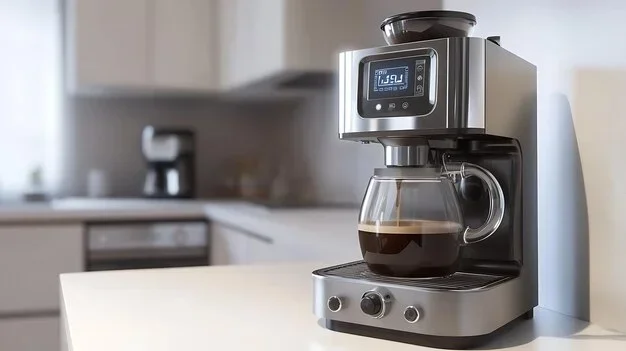
- Drip Coffee Maker: Simple and reliable. Great for making multiple cups quickly.
- Espresso Machine: Creates concentrated, rich shots with creamy crema on top.
- Pour Over Dripper: Gives you full control over the brewing process and extraction.
- French Press: Produces a full-bodied cup with natural oils intact.
- AeroPress: Compact and versatile. Makes smooth coffee quickly with easy cleanup.
If you are just starting out, a simple drip coffee maker or pour over dripper works great. As you grow more confident, you can explore espresso machines for a true barista experience at home.
Invest in a Good Grinder
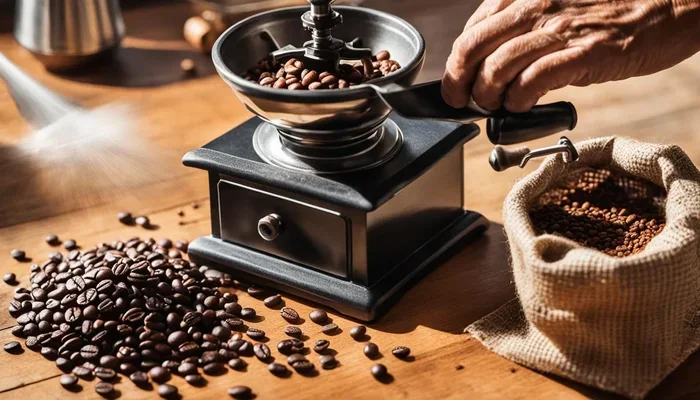
Grinding your own beans is one of the most important steps in coffee brewing. Pre-ground coffee loses flavor fast because the oils oxidate when exposed to air. A burr grinder gives you consistent particle size, which leads to even extraction.
You do not need to spend a fortune on a grinder. A basic burr grinder will do wonders for your coffee flavor. Avoid blade grinders because they create uneven grounds that lead to bitter or weak coffee.
Milk Frother and Steaming Tools
If you enjoy lattes and cappuccinos, a milk frother is essential. You can use a handheld frother, a steam wand on an espresso machine, or even a French press to create creamy, frothy milk. The goal is to create microfoam, which is tiny bubbles that give milk a silky texture.
Some coffee makers come with built-in frothing attachments. These are convenient and save counter space. A separate milk frother gives you more control and works with any type of milk.
Choosing and Grinding the Best Coffee Beans
The beans you choose define the foundation of your coffee. Understanding what to look for helps you make better choices at the store.
Whole Beans vs. Pre-Ground
Always choose whole beans when possible. They stay fresh longer and give you control over the grind size. Different brewing methods need different grind sizes:
- Coarse grind: Best for French press and cold brew.
- Medium grind: Works well for drip coffee makers and pour over coffee.
- Fine grind: Ideal for espresso and AeroPress.
Grinding your beans just before brewing preserves the aromatic oils. This is why restaurant coffee always tastes so fresh and vibrant.
Bean Origin and Roast Level
Coffee beans come from different regions, and each region has its own flavor profile. Ethiopian beans tend to be fruity and floral. Colombian beans are smooth and nutty. Sumatran beans are earthy and bold.
Roast level also matters. Light roasts preserve the original bean flavors and have more acidity. Medium roasts offer a balanced taste with caramel notes. Dark roasts are bold and smoky with less acidity. For restaurant-style coffee, medium roasts are a great starting point because they work well in most drinks.
Buy from Local Roasters
Local coffee roasters often sell freshly roasted beans with roast dates clearly marked. These beans are far superior to supermarket brands that have been sitting on shelves for months. Visit a local roaster or order online from a reputable brand. Fresh beans make a world of difference in your cup.
Mastering the Coffee-to-Water Ratio
The coffee-to-water ratio is the single most important factor in brewing great coffee. Get this wrong, and even the best beans will taste disappointing. Get it right, and every cup will be balanced and delicious.
The Golden Ratio
The standard coffee ratio recommended by most coffee professionals is 1:16. This means 1 gram of coffee for every 16 grams of water. For a standard 8-ounce cup, that is about 15 grams of coffee to 240 grams of water.
You can adjust this ratio to suit your taste. If you like stronger coffee, try 1:14. If you prefer a lighter cup, go to 1:18. Using a kitchen scale ensures consistency every time. Scoops are convenient but less precise than weighing your coffee grounds.
Why Ratio Matters for Coffee Extraction
Too much coffee and the water cannot extract all the flavors properly, leading to over-extraction and bitterness. Too little coffee and the water passes through too quickly, resulting in under-extraction and weak, sour coffee.
The right ratio ensures balanced extraction. This is exactly what separates a good home brew from a restaurant-quality cup. Consistent ratios lead to consistent flavor, which is what every home barista strives for.
Quick Tip: Use a Scale
A simple digital kitchen scale costs just a few dollars and takes your coffee brewing to the next level. Measure both your coffee and water by weight. This small change alone can dramatically improve the taste and consistency of your coffee at home.
Milk Steaming and Latte Art Fundamentals
Milk steaming is what turns a regular coffee drink into something special. The creamy, velvety texture of properly steamed milk is what makes café drinks so enjoyable. Learning this skill at home is easier than you might think.
The Basics of Milk Steaming
Start with cold milk, preferably whole milk for the creamiest results. Whole milk creates microfoam more easily than skim or plant-based options. Pour the milk into a stainless steel frothing pitcher so you can see the texture as it develops.
Insert the steam wand just below the surface of the milk. Turn on the steam and let air in for the first few seconds. You should hear a gentle hissing sound. This is the stretching phase where air bubbles are incorporated. Once the milk doubles in volume, submerge the wand deeper and tilt the pitcher. This creates a swirling motion that smooths out the bubbles into silky microfoam.
Common Milk Steaming Mistakes
Here are a few mistakes that home brewers often make:
- Starting with warm milk instead of cold milk reduces your steaming time and control.
- Keeping the steam wand too high creates large, bubbly foam instead of microfoam.
- Overheating the milk above 150°F makes it taste burnt and kills the sweetness.
- Not swirling the pitcher after steaming leaves inconsistent texture.
Avoiding these simple mistakes will help you achieve barista-quality milk every time. Practice makes perfect, so do not get discouraged if your first few attempts are not perfect.
Simple Latte Art for Beginners
Latte art looks impressive but is more about pouring technique than talent. Start with a basic heart shape. Pour your steamed milk into the espresso from a low height. As the cup fills, bring the pitcher closer to the surface and pour a thin stream in the center. When the cup is almost full, pull the pitcher through the center quickly to create the heart shape.
Do not worry if it does not look perfect right away. Even a simple dot of foam on top of your coffee looks beautiful and tastes amazing. The visual appeal of latte art is part of what makes restaurant coffee feel special.
Brewing Different Coffee Styles at Home
Restaurant menus offer many types of coffee drinks. Here is how you can make the most popular ones at home.
Espresso at Home
Espresso is the base for most café drinks. It requires finely ground coffee, high pressure, and hot water. An espresso machine makes this process possible at home. Start with 18 grams of finely ground coffee, tamp it evenly, and pull a shot for about 25 seconds.
The result should be about 2 ounces of espresso with a golden crema on top. If your espresso tastes too bitter, try a coarser grind. If it tastes sour, grind finer. Adjusting the grind size is the key to dialing in your espresso at home.
Pour Over Coffee
Pour over coffee gives you complete control over the brewing process. Place a paper filter in a dripper, add your medium-fine grounds, and slowly pour hot water in a circular motion. The water should drip through the grounds over about 3 to 4 minutes.
This method produces a clean, bright cup that highlights the unique flavors of different coffee beans. It is one of the most popular methods among home baristas who love to experiment with coffee flavor profiles.
If you do not have a fancy pour over setup, you can still make great coffee without special equipment. Check out how to make coffee without filter or machine for simple methods that work with items you already have in your kitchen.
French Press Coffee
A French press is one of the easiest ways to make rich, full-bodied coffee at home. Add coarse grounds to the press, pour hot water over them, and let it steep for four minutes. Press the plunger down slowly and pour immediately.
French press coffee retains more natural oils than drip coffee, giving it a heavier body and deeper flavor. It is perfect for those who prefer a robust cup without any complicated equipment.
Cold Brew for Hot Days
Cold brew is smooth, low-acid coffee that is perfect for warm weather. Combine coarse grounds with cold water in a jar and let it steep in the refrigerator for 12 to 24 hours. Strain through a fine mesh sieve and serve over ice.
Cold brew concentrate can be diluted with water or milk to your preferred strength. It keeps well in the fridge for up to a week, making it a convenient option for busy mornings.
Pairing Your Home Brew with Fresh Treats
Coffee tastes even better when paired with the right food. Restaurants often serve pastries and baked goods alongside their coffee drinks. You can create the same experience at home.
Freshly baked cinnamon rolls are a classic pairing with hot coffee. The sweet, spiced flavor complements the boldness of a well-brewed cup. If you are baking at home, make sure to know how long to preheat oven for cinnamon rolls so they come out perfectly warm and gooey every time.
For a sweeter treat, try baking cupcakes to enjoy with your coffee. A vanilla or chocolate cupcake pairs wonderfully with a rich espresso or latte. You can learn how to cook cupcakes in a toaster oven for a quick and easy dessert that complements your morning brew.
The combination of fresh coffee and homemade baked goods creates a restaurant-worthy experience right at your kitchen table. It is a simple pleasure that makes every morning feel special.
Common Mistakes That Ruin Your Home Brew
Even experienced home brewers make mistakes sometimes. Knowing what to avoid saves you from disappointing cups of coffee and wasted beans.
Using Water That Is Too Hot or Too Cold
Water temperature is critical for proper coffee extraction. The ideal range is between 195°F and 205°F. Boiling water (212°F) burns the grounds and creates bitter coffee. Water that is too cool results in under-extraction and sour, weak coffee.
If you do not have a thermometer, bring your water to a boil and then let it sit for 30 seconds. This brings it into the ideal range for brewing. Getting the water temperature right is one of the easiest ways to improve your coffee flavor.
Using Stale Coffee Beans
Stale beans are the enemy of great coffee. Once beans are ground, they start losing flavor within minutes. Whole beans stay fresh for about two to four weeks after roasting. Store them in an airtight container away from light and heat.
Never store beans in the refrigerator. Moisture and odors from food can affect the taste. Keep your coffee beans in a cool, dark pantry for the best flavor retention.
Skipping the Cleaning Routine
Dirty equipment builds up old coffee oils that turn rancid over time. This makes every new cup taste off. Rinse your coffee maker, espresso machine, and grinder regularly. Run a cleaning cycle with water and a small amount of white vinegar once a month.
Clean equipment ensures that every cup tastes fresh and pure. This is something restaurants do religiously, and you should too.
Rushing the Process
Great coffee takes patience. Rushing the grind, the pour, or the steam leads to inconsistent results. Take your time with each step. Enjoy the process as much as the final cup. Part of what makes coffee at a restaurant so enjoyable is the ritual of making it slowly and with care.
Conclusion
Making restaurant coffee at home is a rewarding journey that anyone can enjoy. You do not need to be a professional barista to brew exceptional coffee. Start with fresh beans, invest in basic equipment, master your coffee ratio, and practice your milk steaming technique.
Every small improvement adds up to a dramatically better cup. Soon you will be making café-quality drinks that rival anything from your favorite restaurant. The key is consistency and attention to detail. Keep experimenting with different beans, ratios, and brewing methods until you find what works best for you.
Remember, the best coffee is the one you enjoy drinking. So grab your favorite beans, follow the tips in this guide, and start your morning with a truly exceptional cup. Restaurant coffee at home is not a dream. It is a reality waiting to happen in your kitchen.
Frequently Asked Questions
What type of coffee beans are best for making restaurant coffee at home?
Freshly roasted whole beans from local roasters work best. Look for medium roasts with roast dates within the last two to four weeks. The freshness of the beans is the biggest factor in achieving restaurant-quality flavor at home.
Do I need an expensive espresso machine to make barista-quality coffee?
Not necessarily. A simple pour over dripper or French press can produce excellent coffee without a large investment. If you want espresso specifically, even an affordable entry-level machine can deliver great results with practice and proper technique.
How do I steam milk properly at home?
Start with cold whole milk in a stainless steel frothing pitcher. Insert the steam wand just below the surface to introduce air, then submerge deeper to create microfoam. Heat the milk to about 150°F and swirl the pitcher to smooth out the texture before pouring.
What is the ideal water temperature for brewing coffee?
The ideal water temperature for coffee brewing is between 195°F and 205°F. Water that is too hot burns the grounds and creates bitterness, while water that is too cool leads to under-extraction and sour flavors.
Can I make latte art as a complete beginner?
Absolutely. Start with simple shapes like a heart or a dot. Pour from a low height and use a thin stream of milk. Even basic latte art looks beautiful and adds a special touch to your home coffee. Practice regularly and your skills will improve quickly.
How do I keep my coffee equipment clean?
Rinse your coffee maker, portafilter, and steam wand after every use. Run a vinegar and water cleaning cycle through your machine once a month. Clean your grinder regularly to remove old coffee oils that can turn rancid and affect the taste of fresh brews.