How Many Ounces Of Coffee For Cold Brew Ratio Guide
Getting the right ounces of coffee for cold brew is the key to a smooth, delicious cup every time. The standard ratio uses about 1 ounce of coffee for every 4 to 5 ounces of water, but your perfect mix depends on batch size and taste preference. This guide walks you through every ratio, tip, and mistake to avoid so you can make cold brew coffee at home with confidence.
Cold brew coffee has taken over kitchens and cafes everywhere. People love its smooth, low-acid taste compared to hot brewed coffee. But making great cold brew at home comes down to one simple thing: getting the ounces right. When you nail the how many ounces of coffee for cold brew ratio, everything else falls into place.
Too little coffee and your brew tastes weak and watery. Too much and it turns bitter and overpowering. Whether you are making a single serving or a large batch for the week, this guide covers everything you need to know about the cold brew ratio, measurements, and tips for the perfect cup.
The good news is that cold brew is forgiving. You do not need fancy equipment or a coffee degree to get it right. With the right coffee to water ratio and a little patience, you can make café-quality cold brew in your own kitchen. Let us dive in.
Key Takeaways
- Standard Ratio: Use 1 ounce of coarse coffee grounds for every 4 to 5 ounces of cold water for a balanced brew.
- Batch Size Matters: Smaller batches need a slightly stronger ratio, while large batches stay consistent with the same measurements.
- Coarse Grind Is Essential: Fine grounds make cold brew gritty and over-extracted, ruining the smooth flavor.
- Steeping Time Affects Strength: 12 to 24 hours is the sweet spot for most cold brew recipes.
- Common Mistakes: Using too much water, skipping the coarse grind, and not filtering properly can ruin your cold brew.
- Cold Brew vs. Iced Coffee: Cold brew is smoother and less acidic because of the long steeping process and proper ratio.
📑 Table of Contents
- What Is Cold Brew Coffee and Why Does the Ratio Matter?
- The Standard Cold Brew Coffee Ratio Explained
- How Many Ounces of Coffee for Different Batch Sizes
- Factors That Change Your Coffee Ratio
- Step-by-Step Cold Brew Ratio Guide
- Common Cold Brew Mistakes and How to Avoid Them
- Expert Insights on Cold Brew Ratios
- Key Takeaways
- Conclusion
What Is Cold Brew Coffee and Why Does the Ratio Matter?
Cold brew is coffee that steeps in cold or room-temperature water for a long time, usually 12 to 24 hours. Unlike hot brewing, which extracts flavors quickly, cold brew pulls out flavors slowly. This creates a smoother, less acidic drink that many people prefer.
The ratio matters because it controls the strength and flavor of your brew. Think of it like a recipe. If you use too much water, the coffee tastes like colored water. If you use too little water, it becomes a thick concentrate that needs a lot of diluting. The right coffee ratio gives you a balanced cup that tastes great on its own or mixed with water, milk, or ice.
Cold Brew vs. Iced Coffee
Many people confuse cold brew with iced coffee, but they are very different. Iced coffee is hot brewed coffee poured over ice. It retains the acidity and bitterness of hot extraction. Cold brew, on the other hand, is never heated. The long steeping time and proper coffee grounds ratio create a naturally sweet, smooth flavor that hot coffee simply cannot match.
The Standard Cold Brew Coffee Ratio Explained
The most common cold brew recipe ratio is 1:4 to 1:5. That means 1 part coffee to 4 or 5 parts water by weight. For ounces, this looks like:
- 1 ounce of coffee to 4 ounces of water for a strong concentrate
- 1 ounce of coffee to 5 ounces of water for a balanced brew
- 1 ounce of coffee to 6 ounces of water for a lighter, milder cup
These ratios work for almost any batch size. The key is keeping the proportions consistent. If you double your water, double your coffee too.
What Does “Ounces” Mean Here?
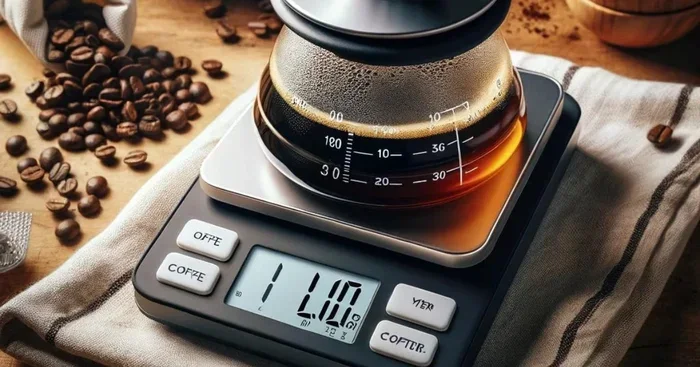
When we say ounces, we mean weight, not volume. A kitchen scale is your best friend here. Measuring coffee by weight is far more accurate than using tablespoons. One ounce of coffee by weight is about 28 grams. If you do not have a scale, a rough estimate is about 3 to 4 tablespoons of coffee per ounce.
Using a scale ensures you get the same great results every time. It removes the guesswork and takes the coffee extraction process from random to reliable.
How Many Ounces of Coffee for Different Batch Sizes
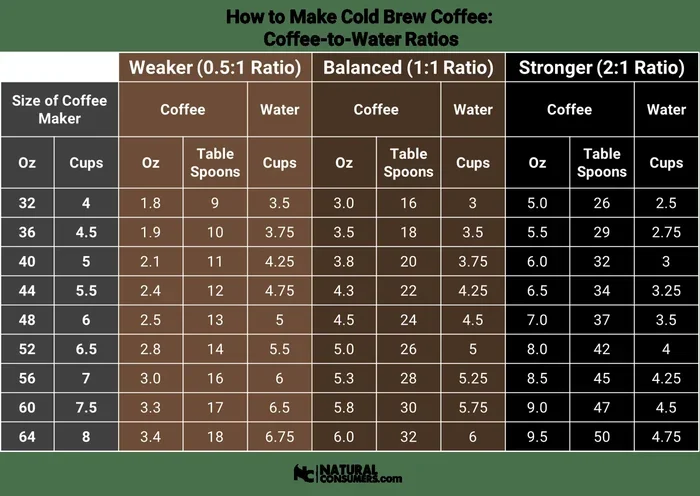
Not everyone needs the same amount of cold brew. Some people make a single cup. Others prepare a full week’s supply. Here is how to scale your coffee to water ratio for different batch sizes.
Single Serving (About 16 Ounces)
For one 16-ounce glass of cold brew, you need about 4 ounces of coffee and 12 to 16 ounces of water. This gives you a concentrate that you can dilute with water, milk, or ice to taste. It is the perfect amount for one person.
Medium Batch (About 32 Ounces)
A medium batch uses 8 ounces of coffee with 24 to 32 ounces of water. This fills a standard mason jar or a large pitcher. It is enough for 2 to 3 servings over the course of a day. Many home brewers start with this size because it is easy to manage.
Large Batch (About 64 Ounces)
For a big batch, use 16 ounces of coffee with 48 to 64 ounces of water. This fills a half-gallon container and lasts several days. Large batch cold brew concentrate is perfect for families or offices where multiple people enjoy cold coffee drinks.
Quick Reference Table
| Batch Size | Coffee (oz) | Water (oz) | Ratio | Servings |
|---|---|---|---|---|
| Single Serving | 4 | 12-16 | 1:4 | 1 |
| Medium Batch | 8 | 24-32 | 1:4 | 2-3 |
| Large Batch | 16 | 48-64 | 1:4 | 4-6 |
Remember, these are starting points. Adjust based on how strong or weak you like your coffee. Some people prefer a 1:3 ratio for an extra strong concentrate. Others go lighter at 1:6. The beauty of cold brew is that you control the brew strength.
Factors That Change Your Coffee Ratio
The standard ratio is a great starting point, but several factors can change what works best for you. Understanding these variables helps you fine-tune your cold brew to perfection.
Type of Coffee Beans
Different beans have different densities and flavor profiles. Light roast beans are less dense and extract faster. Dark roast beans are denser and need a little more coffee or a shorter steeping time. If you are using a light roast, you might want to add an extra half ounce of coffee per batch to compensate.
Grind Size
This is one of the most important factors. Cold brew requires a coarse ground coffee, similar to sea salt. If you grind too fine, the coffee over-extracts and becomes bitter. The fine particles also slip through your filter, making the final drink gritty and unpleasant.
Always use a burr grinder set to the coarsest setting. If you buy pre-ground coffee, look for labels that say “cold brew” or “coarse grind.” Using the right grind size means you need less coffee to get a clean, smooth result.
Steeping Time
The length of time you steep your coffee changes everything. A shorter steep (12 hours) produces a lighter, more balanced brew. A longer steep (20 to 24 hours) creates a stronger, more concentrated flavor. If you steep for too long, the coffee can turn bitter and astringent.
Here is a simple guide for steeping times:
- 12 hours: Light and smooth, good for mixing with milk
- 16 hours: Balanced and flavorful, the sweet spot for most people
- 20 hours: Strong and rich, best for concentrate that you dilute
- 24 hours: Very strong, may taste bitter if not diluted properly
Water Temperature
Cold brew uses cold or room-temperature water. Some people use filtered water from the fridge, while others let their water sit at room temperature overnight. The water temperature affects extraction speed. Warmer water extracts faster, so if your kitchen is very warm, you might want to shorten your steeping time slightly.
Step-by-Step Cold Brew Ratio Guide
Now that you understand the ratios and factors, here is a simple step-by-step guide to making cold brew at home. This method works for any batch size and requires minimal equipment.
Step 1: Measure Your Coffee
Start by weighing your coffee grounds. For a standard 1:4 ratio, use 1 ounce of coffee for every 4 ounces of water. If you are making a 32-ounce batch, that is 8 ounces of coffee and 32 ounces of water. Use a kitchen scale for the most accurate results.
Step 2: Grind the Beans
Grind your beans to a coarse consistency. Think of the texture of sea salt or rough sand. If you do not have a grinder, buy pre-ground coarse coffee. Avoid fine grinds at all costs for cold brew.
Step 3: Combine Coffee and Water
Add the coffee grounds to a large jar or pitcher. Pour the cold water over the grounds and stir gently. Make sure all the coffee is saturated. Some people like to let the mixture sit for 30 seconds and then stir again to release more flavors.
Step 4: Steep the Mixture
Cover the jar and place it in the refrigerator. Let it steep for 12 to 24 hours. The longer it steeps, the stronger it gets. For a balanced cup, 16 hours is a great target.
Step 5: Filter the Brew
After steeping, strain the mixture through a fine mesh filter, cheesecloth, or coffee filter. This removes the grounds and gives you a clean, smooth cold brew. If you want to learn more about filtering methods, check out this guide on making coffee without a filter or machine for creative straining tips.
Step 6: Dilute and Serve
Cold brew concentrate is strong, so you will usually want to dilute it. Add water, milk, or ice to taste. A good starting point is 1 part concentrate to 1 part water. Adjust until you find your perfect strength.
Quick Tips for Perfect Cold Brew
- Always use coarse grounds for a smooth texture.
- Stir the mixture at the start and halfway through steeping.
- Store your cold brew in the fridge for up to 7 days.
- Use filtered water for a cleaner taste.
- Label your jars with the date and ratio for consistency.
Common Cold Brew Mistakes and How to Avoid Them
Even with the right ratio, mistakes can ruin your cold brew. Here are the most common errors and how to fix them.
Using Too Much Water
This is the number one mistake people make. Adding too much water dilutes the coffee and makes it taste weak. Always measure your water carefully and stick to your chosen ratio. If your brew tastes weak, try using less water next time instead of adding more coffee.
Using the Wrong Grind Size
Fine grounds are the enemy of cold brew. They slip through filters and create a gritty, bitter drink. Always go coarse. If your cold brew tastes bitter and harsh, the grind size is likely too fine. Switch to a coarser setting and try again.
Steeping for Too Long
While cold brew is forgiving, there is a limit. Steeping beyond 24 hours can extract too many bitter compounds. If you accidentally leave your brew too long, dilute it more heavily with water or ice to mask the bitterness.
Skipping the Filtering Step
Some people skip filtering to save time, but this leaves sediment in your cup. A proper filter gives you a clean, smooth drink. Take the extra five minutes to strain your brew properly. The result is worth it.
Expert Insights on Cold Brew Ratios
Professional baristas and coffee experts agree that the coffee to water ratio is the foundation of great cold brew. According to the Specialty Coffee Association, a 1:4 ratio produces a well-balanced concentrate that works for most people. However, personal preference always comes first.
Many experts recommend starting with the standard ratio and then adjusting based on your taste. If you prefer a milder drink, use more water. If you like it strong, use less water or more coffee. The process is all about experimentation and finding what works for your palate.
One thing experts stress is consistency. Using the same ratio, the same grind size, and the same steeping time every time ensures you get the same great result. Cold brew is a science as much as it is an art, and the ratio is where it all begins.
Key Takeaways
- Start with 1:4 ratio: 1 ounce of coffee to 4 ounces of water is the gold standard for cold brew.
- Use coarse grounds: Fine grounds make cold brew gritty and over-extracted.
- Scale your batch: The same ratio works for 16 ounces or 64 ounces of brew.
- Steep 12 to 24 hours: Longer steeping equals stronger flavor, but avoid going beyond 24 hours.
- Filter thoroughly: A clean filter removes sediment and gives you a smooth cup.
- Dilute to taste: Cold brew concentrate is strong, so always add water, milk, or ice before drinking.
Conclusion
Making great cold brew at home is simpler than most people think. The secret is in the how many ounces of coffee for cold brew ratio. Stick to the 1:4 standard, use coarse grounds, and steep for 12 to 24 hours. You will be amazed at how smooth and delicious your cold brew can be.
Remember, the perfect ratio depends on your taste, your beans, and your batch size. Start with the guidelines in this article, adjust as you go, and soon you will have a cold brew routine that works perfectly for you. Grab your scale, your favorite coffee beans, and some cold water. Your perfect cup of cold brew is just a few steps away.
Whether you are new to cold brew or a seasoned home brewer, getting the ratio right changes everything. It is the difference between a mediocre drink and a café-quality experience in your own kitchen. So measure carefully, steep patiently, and enjoy every sip.
Frequently Asked Questions
How many ounces of coffee do I need for one gallon of cold brew?
For one gallon (128 ounces) of cold brew, use about 32 ounces of coffee at a 1:4 ratio. This gives you a strong concentrate that you can dilute with water or milk to taste. Adjust the ratio to 1:5 if you prefer a lighter brew.
Can I use regular ground coffee for cold brew?
You can, but it is not ideal. Regular ground coffee is usually too fine for cold brew, which leads to a gritty texture and over-extraction. Always use coarse ground coffee for the best results and a smooth, clean cup.
How long does cold brew concentrate last in the fridge?
Cold brew concentrate stays fresh for up to 7 days when stored in the refrigerator in a sealed container. After that, the flavor starts to decline. It is best to make smaller batches more frequently for the freshest taste.
What is the difference between cold brew and cold drip coffee?
Cold brew steeps coffee grounds in water for 12 to 24 hours. Cold drip coffee slowly drips cold water over coffee grounds over several hours. Both produce smooth, low-acid coffee, but cold brew is more common and easier to make at home.
Can I use the cold brew ratio for hot coffee?
The cold brew ratio works well for making strong coffee that you can then dilute with hot water. It produces a concentrated base that is versatile for both iced and hot drinks. However, hot extraction is faster, so you may need to adjust the steeping time.
Do I need a special coffee maker for cold brew?
No special equipment is needed. All you need is a jar, coarse coffee grounds, water, and a filter. You can even learn how to make coffee without a filter or machine using simple kitchen tools. Cold brew is one of the easiest coffee methods to try at home.