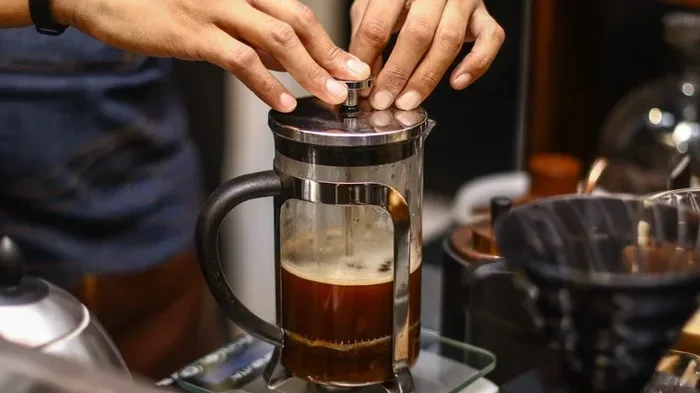
What Coffee Grind To Use For French Press Perfect Cup
The best coffee grind for French press is a coarse, even texture that allows proper extraction without clogging. Using the right grind size unlocks rich flavor and a smooth, full-bodied cup every time. This guide covers everything you need to know about selecting, grinding, and using coffee beans for your French press.
There is nothing quite like a morning cup of French press coffee. The rich, full-bodied flavor and the satisfying ritual of pressing down the plunger make it a favorite among coffee lovers. But here is the thing many people overlook: the coffee grind you use makes or breaks your cup. If your coffee tastes bitter, weak, or just off, the grind size might be the culprit.
This guide will walk you through everything you need to know about what coffee grind to use for French press. We will cover grind size, grinding methods, ratios, and common mistakes. By the end, you will know exactly how to brew a perfect cup every single time.
What Coffee Grind To Use For French Press is one of the most searched questions in the coffee world. And it is not hard to see why. The wrong grind can lead to over-extraction or under-extraction, both of which ruin the flavor. Getting the grind right is the single most important step in immersion brewing. So let us dive in and make sure you never have a bad French press cup again.
Key Takeaways
- Coarse Grind Is Essential: A coarse grind prevents over-extraction and keeps your coffee from turning bitter.
- Fresh Beans Make a Difference: Always grind your beans just before brewing for the best flavor.
- Right Ratio Matters: Use about 1:15 coffee-to-water ratio for a balanced cup.
- Burr Grinder Preferred: A burr grinder gives you a more even grind than a blade grinder.
- Brew Time Is Key: Steep your coffee for 4 minutes for optimal extraction.
- Preheat Your Press: Warming the French press before brewing helps maintain consistent temperature.
- Clean Equipment Matters: Regular cleaning prevents buildup that affects taste.
📑 Table of Contents
Understanding Coffee Grind Size for French Press
The grind size is the foundation of great French press coffee. Unlike drip coffee makers that use paper filters, a French press relies on a metal mesh plunger. This means the grind needs to be just right. Too fine, and you will get a muddy, gritty cup. Too coarse, and the water will pass through without extracting enough flavor.
What Does Coarse Grind Look Like?
A coarse grind looks like rough sea salt or breadcrumbs. The particles are large and clearly visible. This size allows water to flow through the grounds at the right speed during immersion brewing. The coffee steeps evenly, and the metal filter catches most of the grounds when you press down.
Think of it this way. If you were baking bread, you would not use flour instead of coarse salt. The texture matters. The same goes for your coffee grounds. A coarse grind gives you a clean, smooth cup with a satisfying mouthfeel.
Why Grind Size Affects Flavor
Grind size directly impacts coffee extraction. When water touches coffee grounds, it pulls out oils, acids, and sugars. This process is called extraction. Fine grinds have more surface area, so they extract faster. This can lead to over-extraction, which tastes bitter and harsh.
Coarse grinds extract more slowly. They give you a balanced, sweet, and rich flavor profile. The key is patience. With the right grind size, you get a cup that is smooth, aromatic, and full of depth.
The Wrong Grind Size and What Happens
Using a grind that is too fine is the most common mistake. Fine grounds slip through the metal filter and end up in your cup. The result is a gritty, unpleasant texture. The taste is often bitter and over-extracted. Nobody wants that in their morning routine.
On the other hand, a grind that is too coarse will under-extract. The coffee tastes weak, watery, and sour. You will not get the rich body that makes French press coffee so special. So getting the size right is not just a preference. It is essential.
How to Grind Coffee Beans for French Press
Now that you know what coarse grind looks like, let us talk about how to achieve it. The method you use to grind your beans matters just as much as the size itself. Not all grinders are created equal, and your choice can make a big difference in the final cup.
Burr Grinder vs Blade Grinder
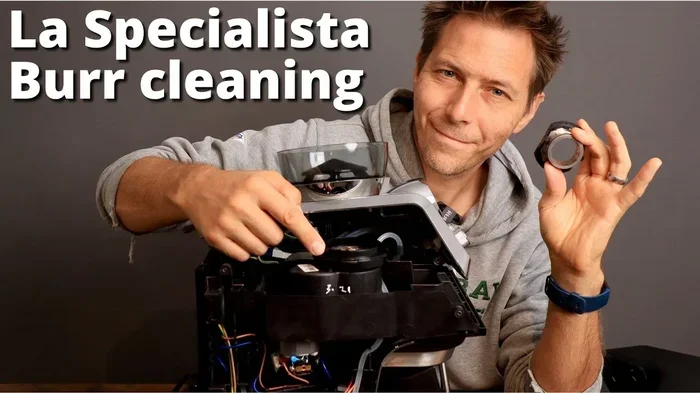
A burr grinder is the gold standard for French press coffee. It uses two rotating surfaces to crush beans into uniform pieces. The result is a consistent grind size with very few fine particles. This consistency leads to even extraction and a cleaner cup.
A blade grinder works differently. It uses a spinning blade to chop the beans. The problem is that it creates an uneven mix of fine and coarse particles. Some pieces will be powder-fine while others are huge chunks. This inconsistency can cause over-extraction in some parts and under-extraction in others.
If you are serious about your morning coffee, a burr grinder is a worthwhile investment. Even a budget-friendly model will produce far better results than a blade grinder. The uniform coffee grounds from a burr grinder make a noticeable difference in taste.
How to Set Your Burr Grinder for French Press
Most burr grinders have settings numbered from 1 to 10 or marked with descriptions like fine, medium, and coarse. For French press, you want the coarsest setting. On many grinders, this is a 4 or 5 out of 10. On others, it is labeled specifically as “French press” or “extra coarse.”
Here is a quick tip. Grind a small batch first and check the texture. The particles should look like sea salt. If they look more like sand, go one setting coarser. Adjust until you get the right size. This small step takes seconds but saves you from a bad cup.
Can You Use Pre-Ground Coffee?
You can, but it is not ideal. Pre-ground coffee loses flavor quickly because the coffee beans are already exposed to air. The oils that give coffee its rich aroma start to evaporate within minutes of grinding. Within hours, much of the flavor is gone.
If you must use pre-ground coffee, store it in an airtight container. Better yet, buy whole beans and grind them right before brewing. The difference in flavor profile is dramatic. Freshly ground coffee smells amazing and tastes so much better. It is one of the easiest upgrades you can make.
The Perfect Coffee-to-Water Ratio
Getting the grind size right is only half the battle. The ratio of coffee to water is equally important. Too much coffee and your cup will be overpowering. Too little, and it will be weak and watery. The right balance brings out the best in your beans.
The Standard Ratio Explained
The most recommended ratio for French press coffee is 1:15. That means 1 gram of coffee for every 15 grams of water. In practical terms, this is about 2 tablespoons of coffee for every 6 ounces of water. For a standard 34-ounce French press, you would use about 28 grams of coffee and 420 grams of water.
This ratio produces a balanced cup that is neither too strong nor too weak. It lets the natural flavors of the beans shine through. You can adjust it to your personal taste. Like your coffee stronger? Use a little more. Prefer it milder? Add a bit more water.
How to Measure Accurately
The best way to measure is with a kitchen scale. Scoops and tablespoons are inconsistent. A scale gives you precise measurements every time. This is especially important if you are experimenting with different ratios or trying to replicate a great cup.
Start with the 1:15 ratio and adjust from there. Write down what you use each time. Over a few days, you will find your perfect balance. Consistency is the key to great brewing at home.
The Brewing Process and Timing
Now that you have the right grind and the right ratio, it is time to brew. The process is simple, but the details matter. Getting the timing and technique right is what separates a good cup from a great one.
Step-by-Step Brewing Guide
First, bring your water to the right temperature. The ideal range is between 195 and 205 degrees Fahrenheit. Boiling water is too hot and can scorch the grounds. If you do not have a thermometer, just let your boiling water sit for 30 seconds before pouring.
Add your coffee grounds to the French press. Pour about one-third of the water over the grounds first. Let them sit for 30 seconds. This step is called blooming. It allows the grounds to release carbon dioxide and start the extraction process.
After blooming, pour the rest of the water slowly. Place the lid on the press but do not push the plunger down yet. Let the coffee steep for 4 minutes. This is the sweet spot for most beans. Set a timer so you do not forget.
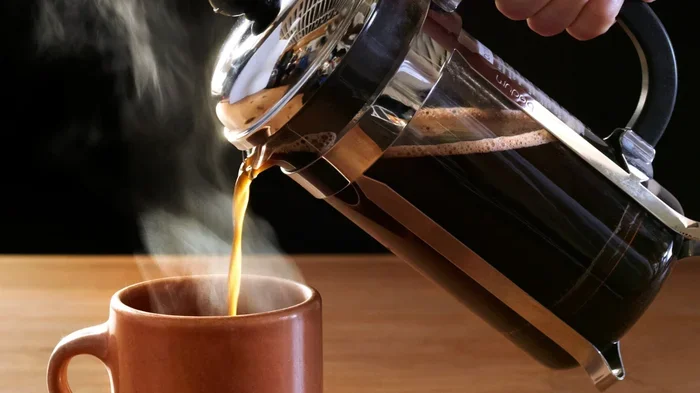
After 4 minutes, press the plunger down slowly and steadily. Pour the coffee into your cup immediately. Do not leave it sitting in the press, or it will continue to extract and become bitter.
Why Preheating Matters
Before you add any coffee or water, rinse your French press with hot water. This preheats the glass and keeps the brewing temperature stable. Just as you need to know what button to press to preheat oven before baking, preheating your press ensures consistent results.
A cold press absorbs heat from the water, dropping the temperature too fast. This leads to uneven extraction and a weaker cup. A quick rinse with hot water solves this problem in seconds. It is a small step that makes a big difference.
Can You Adjust the Steeping Time?
Yes, you can. Four minutes is the standard, but you can experiment. If your coffee tastes too bitter, try steeping for 3 minutes. If it tastes too weak, go for 5 minutes. The key is to keep the grind size and ratio consistent while you adjust the time.
Different roast levels also affect steeping time. Dark roasts tend to extract faster, so a slightly shorter steep works well. Light roasts benefit from a full 4 minutes or even a bit longer. Pay attention to how your coffee tastes and adjust accordingly.
Common Mistakes to Avoid
Even experienced coffee makers make mistakes. Knowing what to avoid saves you from wasted beans and disappointing cups. Here are the most common errors people make with French press coffee.
Using the Wrong Grind Size
This is the number one mistake. Using a grind that is too fine leads to a gritty, bitter cup. The fine particles pass through the mesh filter and ruin the texture. Always aim for a coarse, even grind. It is the single most impactful change you can make.
Grinding Too Far in Advance
Grinding your beans hours before brewing is a recipe for stale coffee. The fresh coffee loses its aromatic oils quickly after grinding. For the best results, grind right before you brew. If your schedule does not allow this, consider a grinder with a timer function.
Skipping the Bloom
Skipping the bloom step means you miss out on even extraction. The initial pour of water allows the grounds to degas and prepare for full extraction. Without it, some grounds extract more than others, leading to an uneven and inconsistent cup.
Not Cleaning Your Press Regularly
Oil buildup and old grounds can accumulate in the press over time. This affects the taste of every new cup you brew. Regular cleaning keeps your equipment in top shape. Just like maintaining any coffee maker, a clean French press brews better coffee.
Tips for the Best French Press Coffee
Once you have the basics down, these extra tips will take your French press game to the next level. Small adjustments can lead to big improvements in flavor and enjoyment.
Use Filtered Water
The water you use makes up over 98 percent of your cup. If your tap water tastes chlorinated or off, your coffee will too. Use filtered water for the cleanest, best-tasting results. Good water lets the natural flavors of the beans come through clearly.
Experiment with Different Beans
Not all beans are created equal for French press brewing. Medium and dark roasts tend to work best. They produce a rich, full-bodied cup with deep flavor notes. Light roasts can also work but may taste more acidic and complex.
Try beans from different regions. Ethiopian beans bring fruity and floral notes. Colombian beans offer chocolate and nutty flavors. Brazilian beans are smooth and low in acidity. Each one brings something different to your cup.
Pair Your Coffee with Food
French press coffee pairs beautifully with certain foods. A hearty breakfast of eggs and toast complements the bold flavor. For something sweet, try a pastry or a cookie. If you enjoy roasted potatoes in the morning, check out what to eat with oven roasted potatoes for some delicious pairing ideas that go perfectly with your coffee.
Store Your Beans Properly
Keep your whole beans in an airtight container away from light and heat. Do not store them in the freezer, as moisture can damage the flavor. A cool, dark pantry is the best place. Fresh beans stored properly can last for weeks and still produce excellent coffee.
Conclusion
Brewing great French press coffee starts with getting the coffee grind right. A coarse, even grind is the foundation of a smooth, rich, and flavorful cup. Combined with the right ratio, proper water temperature, and correct steeping time, you will consistently brew coffee that rivals your favorite café.
Remember to use fresh beans, grind them just before brewing, and avoid the common mistakes we covered. The process is simple but the results are extraordinary. Once you taste the difference that the right grind makes, you will never go back to pre-ground coffee.
Take what you have learned here and put it into practice. Your morning routine will never be the same. A perfect cup of French press coffee is just a good grind away.
Frequently Asked Questions
What happens if I use a fine grind in my French press?
A fine grind will slip through the metal filter and create a gritty, muddy texture in your cup. The coffee will also taste bitter and over-extracted because fine particles have more surface area, causing them to release flavors too quickly. Always stick to a coarse grind for the best results.
Can I use a blade grinder for French press coffee?
Yes, but the results will not be as consistent. Blade grinders chop beans unevenly, creating a mix of fine and coarse particles. This leads to some over-extraction and some under-extraction in the same cup. A burr grinder is a much better choice for uniform grind size and better flavor.
How long should I steep French press coffee?
The standard steeping time is 4 minutes. This allows for balanced extraction without overdoing it. You can adjust slightly based on your taste preferences or the roast level of your beans. Dark roasts may do well with 3 to 3.5 minutes, while light roasts can handle a full 4 minutes or slightly longer.
Is it okay to reheat French press coffee?
It is best to drink French press coffee fresh. Reheating it can bring out bitter and stale flavors because the compounds in the coffee break down over time. If you have leftover coffee, it is better to brew a fresh cup rather than reheating the old one.
What is the best water temperature for French press coffee?
The ideal water temperature is between 195 and 205 degrees Fahrenheit. Water that is boiling (212°F) is too hot and can scorch the grounds, leading to bitter flavors. If you do not have a thermometer, let boiling water cool for about 30 seconds before pouring it over the grounds.
How often should I clean my French press?
You should clean your French press after every use. Rinse the plunger, filter, and glass with warm water and mild soap. Deep clean it once a week by disassembling the parts and scrubbing away any oil buildup. Regular cleaning keeps your coffee tasting fresh and prevents stale flavors from transferring to new brews.