Find Out How Long Is Coffee Good For At Room Temperature
Brewed coffee stays fresh and safe to drink for about 12 to 24 hours at room temperature. After that, flavor starts to decline and bacteria can begin to grow. The key to great-tasting coffee is knowing how long you can leave it out before it goes bad.
You brew a fresh pot of coffee in the morning. Life gets busy. You get distracted. And then suddenly, hours have passed. Your coffee has been sitting on the counter the whole time. So here is the big question: how long is coffee good for at room temperature? This is something almost every coffee lover deals with, whether you are rushing out the door or simply forgetting about your mug on the desk.
The answer might surprise you. Coffee does not go bad the way milk does, but it does lose its flavor fast. More importantly, there is a safety window you should know about. In this guide, we will cover everything you need to know about how long is coffee good for at room temperature. You will learn about freshness, flavor changes, food safety, and simple tips to keep your coffee tasting great for as long as possible.
Whether you drink black coffee, add cream, or prefer iced coffee, this article has you covered. Let us dive in and make sure every cup you drink is as fresh and safe as it can be.
Key Takeaways
- Freshness Window: Brewed coffee tastes best within 12 hours at room temperature.
- Safety Limit: Most experts agree coffee is safe for up to 24 hours when left out.
- Flavor Drops Fast: Oxidation causes coffee to lose its aroma and taste within hours.
- Dairy Changes Everything: Coffee with milk or cream spoils much faster than black coffee.
- Storage Matters: Using a sealed container helps preserve flavor longer than an open mug.
- Cold Brew Differs: Cold brew concentrate lasts longer at room temperature than hot brewed coffee.
- Reheating Doesn’t Help: Warming up old coffee won’t restore its original flavor or freshness.
📑 Table of Contents
- What Happens To Coffee When It Sits Out
- How Long Is Coffee Good For At Room Temperature
- Factors That Affect Coffee Freshness At Room Temperature
- Is It Safe To Drink Coffee That Has Been Sitting Out?
- Best Practices For Storing Brewed Coffee
- Common Mistakes People Make With Leftover Coffee
- Expert Insights On Coffee Freshness
- Key Takeaways
What Happens To Coffee When It Sits Out
The Science Behind Coffee Cooling
When you pour hot coffee into a mug, it starts cooling down right away. Heat escapes through the surface of the liquid and through the mug itself. Within 15 to 30 minutes, a hot cup of coffee drops to room temperature. This is completely normal and expected.
But cooling is only the first thing that happens. Once the coffee reaches room temperature, a process called oxidation begins. Oxidation is a chemical reaction that changes the flavor compounds in your coffee. This is the same reason an apple turns brown when you leave it out. The coffee does not become dangerous right away, but its coffee freshness starts to fade.
The aroma is usually the first thing to go. You might notice that your coffee smells weaker or flat after sitting out for a few hours. The taste follows shortly after. Bitterness can increase, and the overall coffee flavor becomes dull and less enjoyable.
How Oxidation Affects Coffee Quality
Oxygen in the air reacts with the oils and compounds in brewed coffee. This reaction breaks down the delicate flavors that make a good cup of coffee so enjoyable. The longer coffee sits out, the more oxidation occurs.
Here is a simple timeline of what happens to brewed coffee at room temperature:
- 0 to 1 hour: Coffee is still hot and full of aroma. This is the sweet spot for drinking.
- 1 to 3 hours: Coffee cools to room temperature. Flavor starts to flatten slightly.
- 3 to 12 hours: Noticeable flavor loss. The coffee may taste stale or overly bitter.
- 12 to 24 hours: Coffee is still safe to drink but tastes significantly worse. Aroma is mostly gone.
- Beyond 24 hours: Risk of bacterial growth increases. Flavor is very poor. It is best to discard.
The key takeaway is that coffee freshness has a short window. If you want the best taste, drink your coffee soon after brewing.
How Long Is Coffee Good For At Room Temperature
The General Rule For Black Coffee
So, exactly how long is coffee good for at room temperature? For plain black coffee, the answer is about 12 to 24 hours. The coffee shelf life at room temperature depends on several factors, but most coffee experts agree on this window.
Within the first 12 hours, your coffee will still taste decent, even if it is not as vibrant as when it was fresh. After 12 hours, the flavor continues to decline. By the 24-hour mark, the coffee is still technically safe, but the taste is far from enjoyable.
If you are wondering about black coffee shelf life specifically, it lasts a bit longer than coffee with additives. Black coffee has no dairy, no sugar (well, sugar does not spoil quickly), and fewer compounds that break down fast. This gives it a slight edge in the freshness department.
The Impact Of Milk And Cream
Now, things change completely when you add milk or cream. Dairy products are perishable. They contain proteins and fats that spoil when left at room temperature for too long. The FDA recommends that perishable foods, including dairy, should not sit out for more than two hours.
So if your coffee has milk in it, the clock starts ticking much faster. Here is what you need to know:
- Coffee with a splash of milk: Best consumed within 1 to 2 hours at room temperature.
- Coffee with a full pour of cream: Same rule applies. Do not leave it out more than 2 hours.
- Coffee with non-dairy creamer: This depends on the type. Some non-dairy creamers last longer, but 2 hours is still the safe limit.
If you have ever wondered why your coffee with cream tastes sour after sitting out, this is why. The dairy has started to break down and spoil. It is not worth the risk to drink it. Always err on the side of caution when coffee with dairy has been left out.
Cold Brew Coffee: Does It Last Longer?
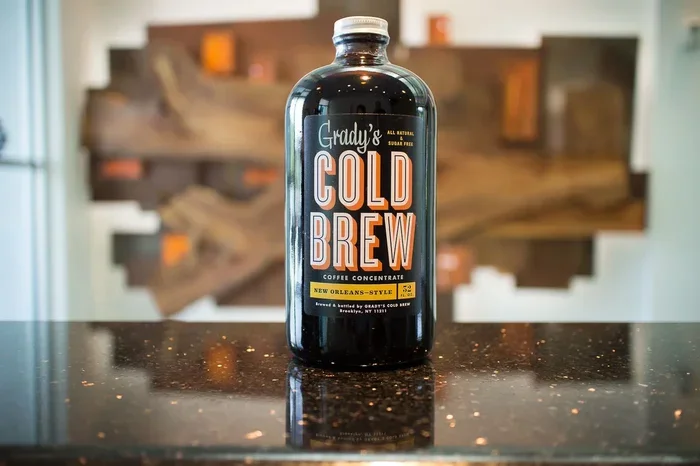
Cold brew coffee is made differently. It is steeped in cold water for 12 to 24 hours, which changes its chemical makeup. Cold brew concentrate has a slightly longer coffee freshness window than hot brewed coffee.
At room temperature, cold brew concentrate can last up to 24 to 48 hours before the flavor degrades significantly. Once you dilute it with water or milk, treat it like regular brewed coffee and consume it within a few hours.
The lower acidity of cold brew also means it may taste less bitter even after sitting out for a while. But do not let it sit too long. Bacteria do not care whether your coffee was hot brewed or cold brewed. The rules of food safety still apply.
Factors That Affect Coffee Freshness At Room Temperature
The Type Of Container Matters
Where you store your coffee makes a huge difference. A closed thermos keeps coffee hot and fresh for hours. An open mug on the counter? Not so much. The type of container you use directly affects how long your coffee stays fresh.
Here are some common options and how they compare:
- Open mug: Fastest cooling and flavor loss. Coffee oxidizes quickly when exposed to air.
- Covered mug: Slows cooling slightly and traps some aroma. Better than an open mug.
- Thermos or insulated bottle: Keeps coffee hot for 6 to 12 hours. Great for preserving coffee flavor and freshness.
- Airtight container: Slows oxidation significantly. The best option if you want to save coffee for later.
If you want your coffee to last longer at room temperature, transfer it to an airtight container as soon as it cools down. This simple step can extend the brewed coffee storage window by several hours.
Temperature And Environment
The ambient temperature of your room also plays a role. A warm kitchen (around 75°F or higher) will cause coffee to spoil faster than a cool room (around 65°F). Humidity and exposure to sunlight can also speed up flavor degradation.
Think about it this way. When you preheat an oven for cinnamon rolls, the heat activates the ingredients and changes the texture. Similarly, heat in your kitchen accelerates the breakdown of compounds in your coffee. A cooler room means slower degradation and better coffee aroma retention.
Original Coffee Quality
Not all coffee is created equal. Freshly ground, high-quality beans produce a cup of coffee with more complex flavor compounds. These compounds break down over time, but they also take longer to fully degrade compared to pre-ground or low-quality coffee.
If you start with great coffee, the coffee quality over time will still decline, but it may taste acceptable for a longer period. Cheap instant coffee or old pre-ground coffee will taste stale much faster, even when fresh.
Is It Safe To Drink Coffee That Has Been Sitting Out?
The Food Safety Perspective
This is one of the most common questions people ask. The short answer is: it depends on how long it has been sitting out. For plain black coffee, the coffee drink safety window is generally up to 24 hours at room temperature. After that, the risk of bacterial growth increases.
Bacteria thrive in warm, moist environments. A cup of coffee provides both. Even though coffee has some natural antimicrobial properties from its acidity, these properties weaken over time. After 24 hours, your coffee is no longer a safe bet, especially if it has been touched with a used spoon or sipped from directly.
For coffee with dairy, the safety window is much shorter. The FDA food safety guidelines recommend discarding perishable beverages left out for more than two hours. This includes any coffee with milk, cream, half-and-half, or non-dairy creamer.
Signs Your Coffee Has Gone Bad
You do not always need a timer to know if your coffee has gone bad. Your senses can tell you a lot. Here are the signs to watch for:
- Sour or rancid smell: Fresh coffee smells rich and aromatic. A sour or off smell means it has spoiled.
- Mold on the surface: This can happen if coffee sits out for too long, especially with dairy added.
- Slimy texture: If the coffee feels slimy or thick, do not drink it.
- Strange taste: If it tastes sour, bitter beyond normal, or just “off,” trust your tongue and discard it.
When in doubt, throw it out. A wasted cup of coffee is not worth a stomach ache. Always prioritize coffee drink safety over saving a few sips.
Best Practices For Storing Brewed Coffee
How To Maximize Freshness
Want to get the most out of your brewed coffee? Follow these simple coffee storage tips to keep it fresh and safe for as long as possible:
- Brew only what you will drink. The best way to avoid waste is to make just enough for one sitting.
- Use a thermal carafe or thermos. This keeps coffee hot and fresh for up to 12 hours without a burner.
- Transfer to an airtight container. If you are not drinking right away, seal the coffee to slow oxidation.
- Do not add dairy until you are ready to drink. Keep cream and milk separate and add them fresh.
- Store away from sunlight and heat sources. A cool, dark spot is best for preserving flavor.
- Label the container with the brew time. This helps you track how long the coffee has been sitting out.
Can You Reheat Coffee That Has Been Sitting Out?
Many people wonder if reheating old coffee is a good idea. The short answer is yes, it is safe to reheat coffee within the 24-hour window, as long as it has been black and stored properly. But here is the catch: reheating will not bring back the flavor.
Reheating actually accelerates flavor breakdown. The compounds that were already degrading will break down even faster with heat. You will end up with warm coffee that tastes even worse than it did at room temperature.
Think of it like warming mashed potatoes in the oven. You can reheat them, but they will never taste exactly the same as when they were first made. The same principle applies to coffee. Reheating is a safety measure, not a flavor fix.
The Difference Between Hot Coffee And Iced Coffee Storage
Iced coffee deserves its own mention because it is stored and consumed differently. Hot brewed coffee that is cooled and served over ice has the same room temperature shelf life as regular brewed coffee. But if you make iced coffee by steeping cold brew, the rules are slightly different.
Cold brew concentrate stored at room temperature should be consumed within 24 hours. Once diluted and served over ice, drink it within a few hours. The ice will eventually melt and dilute the coffee, but more importantly, the warmer temperature creates a better environment for bacteria.
If you are making pizza in the oven or any other meal, you know that temperature control matters for food quality. The same logic applies to coffee. Proper temperature management is the key to maintaining coffee freshness and safety.
Common Mistakes People Make With Leftover Coffee
Leaving Coffee On The Hot Plate
One of the biggest mistakes is leaving brewed coffee on a coffee maker’s hot plate all day. The constant heat actually ruins the flavor faster than room temperature storage. Coffee that sits on a burner for hours becomes bitter, burnt, and unpleasant. The coffee quality over time drops rapidly with prolonged heat exposure.
If you are not going to drink your coffee right away, take it off the hot plate and store it properly. A thermal carafe is a much better option.
Adding Sugar And Cream Too Early
Another common mistake is adding sugar and cream to the entire pot and letting it sit. Sugar does not spoil quickly, but cream does. Once dairy is added, the whole pot becomes perishable. The coffee freshness window shrinks dramatically.
Instead, add sweetener and cream to your individual cup just before drinking. This way, the rest of the coffee stays fresh longer.
Drinking Coffee Out Of The Original Mug All Day
Do you sip from the same mug all morning while checking emails or doing chores? This is a common habit, but it is not great for coffee drink safety. Every time you take a sip, you introduce bacteria from your mouth into the coffee. Over hours, this bacteria multiplies, especially at room temperature.
If you want your coffee to last longer, pour a fresh cup into a clean mug and put the original pot away. Drink from one mug, finish it, and then pour a second cup if needed.
Expert Insights On Coffee Freshness
Coffee professionals and food scientists agree on a few key points about how long is coffee good for at room temperature. According to the Specialty Coffee Association, brewed coffee is at its peak flavor within 30 minutes of brewing. After that, the oxidation process begins to break down the aromatic compounds that give coffee its distinctive taste.
Food safety experts emphasize the two-hour rule for dairy-containing beverages. The National Dairy Council confirms that milk-based drinks left at room temperature for more than two hours should be discarded. This is a hard rule that should not be bent, regardless of how good the coffee smells.
Baristas also recommend using a thermal server or insulated mug for any coffee you plan to drink over an extended period. This keeps the coffee at a safe drinking temperature while preserving its coffee aroma retention and flavor profile.
The bottom line is simple. Fresh coffee tastes the best. Plan your brewing to match your drinking habits. If you are not a one-cup person, invest in a good thermal carafe. Your taste buds will thank you.
Key Takeaways
- Black coffee lasts 12 to 24 hours at room temperature before flavor and safety decline significantly.
- Coffee with milk or cream must be consumed within 2 hours to avoid food safety risks.
- Oxidation is the main enemy of coffee freshness, and it starts the moment coffee meets air.
- An airtight container or thermal carafe can extend the freshness window considerably.
- Reheating old coffee is safe but does not restore flavor. It only masks the passage of time.
- Cold brew concentrate lasts longer than hot brewed coffee at room temperature, but still has limits.
- Trust your senses. If coffee smells sour, looks moldy, or tastes off, discard it immediately.
Frequently Asked Questions
Can I drink coffee that has been sitting out overnight?
If the coffee is black and has been covered, it is generally safe to drink if it has been less than 24 hours. However, the flavor will be significantly degraded. If the coffee contains milk or cream, do not drink it after sitting out overnight. The risk of bacterial growth is too high.
Does coffee go bad at room temperature?
Coffee does not spoil in the same way that food does, but its quality declines rapidly. After 12 to 24 hours, the flavor becomes unpleasant and bacteria may start to grow, especially if dairy has been added. Always use your best judgment and follow the two-hour rule for dairy-containing coffee.
How can I tell if my coffee has gone bad?
Look for a sour or rancid smell, mold on the surface, a slimy texture, or an off taste. If any of these signs are present, discard the coffee immediately. When it comes to coffee drink safety, your senses are your best guide.
Is it safe to reheat coffee that has been left out?
Yes, it is safe to reheat black coffee within the 24-hour window. However, reheating will not improve the flavor. It may actually make it taste worse. For coffee with dairy, do not reheat it if it has been out for more than two hours.
Does adding milk to coffee shorten its shelf life?
Yes, absolutely. Milk is a perishable dairy product, and it spoils quickly at room temperature. Once milk is added to coffee, the coffee freshness window drops from 12 to 24 hours down to about 2 hours. Always add milk just before drinking for the best taste and safety.
What is the best way to store brewed coffee at room temperature?
The best method is to pour the coffee into an airtight container or thermal carafe as soon as it finishes brewing. Keep it away from direct sunlight and heat sources. Do not leave it on a hot plate. If you plan to drink it over several hours, an insulated bottle is the ideal choice for preserving coffee flavor and freshness.
=== CONCLUSION ===
So, how long is coffee good for at room temperature? The answer is clear. Black coffee stays safe and somewhat drinkable for 12 to 24 hours, but its coffee freshness peaks within the first few hours. Coffee with milk or cream should be consumed within two hours. The flavor simply does not last, and the safety risks increase with time.
The best approach is simple: brew only what you will drink, store it properly, and enjoy it while it is fresh. A good thermal carafe or insulated mug is a worthwhile investment for any coffee lover. These tools keep your coffee at the right temperature and preserve its coffee aroma retention for hours.
Remember the signs of spoiled coffee. Trust your nose, your eyes, and your taste buds. When something seems off, it is better to pour it out and brew a fresh cup. Coffee is a daily pleasure, and it deserves to be enjoyed at its best every single time.
Follow the tips in this guide, and you will never have to wonder about the safety or quality of your leftover coffee again. Fresh, safe, and delicious coffee is always within reach when you know the rules of brewed coffee storage and coffee drink safety. Happy brewing.