How To Make Your Coffee Taste Better Without Creamer
You can make your coffee taste better without creamer by using natural sweeteners, adjusting your brewing method, and choosing the right beans. This guide covers easy, proven tricks to enhance flavor, reduce bitterness, and enjoy a cleaner cup of coffee every morning.
Key Takeaways
- Natural sweeteners like honey and cinnamon can replace creamer and add depth to your coffee.
- Fresh, quality beans and proper grind size make a huge difference in taste.
- Brewing temperature and time directly impact flavor extraction and bitterness levels.
- Cold brewing produces a smoother, less acidic cup without any additives.
- Salt and butter are unconventional but effective ways to cut bitterness.
- Milk alternatives like oat and almond milk offer creaminess without traditional creamer.
📑 Table of Contents
Why Your Coffee Tastes Better Without Creamer
There is something freeing about drinking a clean cup of black coffee. No artificial flavors. No hidden sugars. Just pure, rich coffee taste. When you learn how to make coffee taste better without creamer, you unlock a whole new world of flavor.
Many people reach for creamer because their coffee tastes bitter or flat. But the real problem often starts long before the creamer hits the cup. It starts with the beans, the grind, and the brewing method. Fix those, and you may never need creamer again.
Plus, skipping creamer has benefits beyond taste. You cut calories. You avoid preservatives. You enjoy the natural health benefits of coffee. And your morning ritual becomes simpler and more honest.
Let us walk through every way you can improve your cup using simple, natural methods. By the end, you will have a toolkit full of tricks that actually work.
Why People Reach for Creamer in the First Place
Understanding why creamer feels necessary helps you fix the root cause. Most people add creamer for one of three reasons: bitterness, thin body, or lack of flavor.
Bitterness Is Usually a Brewing Problem
Bitter coffee often means the water was too hot or the brew time was too long. Over-extraction pulls out harsh compounds that taste unpleasant. When you fix your brewing method, the bitterness fades naturally.
A Thin or Watery Texture
Some coffee just feels light and unsatisfying. This usually means the grind is too coarse or the ratio of coffee to water is off. A richer extraction gives you a fuller mouthfeel without anything added.
Plain Coffee Feels Boring
Let us be honest. Some people just want flavor. And that is okay. The good news is that natural add-ins can deliver exciting taste without processed creamer.
Natural Ways to Make Coffee Taste Better
The best part about improving coffee without creamer is that you probably already have these ingredients in your kitchen. No special trips to the store required.
Add a Pinch of Salt
This sounds strange, but it works. A tiny pinch of salt neutralizes bitterness and brings out the natural sweetness in coffee. It is a trick used by baristas and chefs around the world. Just a small amount, dissolved into the hot brew, changes everything.
Try Cinnamon or Vanilla
Cinnamon adds warmth and sweetness without any sugar. Drop a cinnamon stick into your mug or stir in a pinch of ground cinnamon. For vanilla, use a few drops of pure extract. These natural flavors make coffee feel cozy and complex.
Use Honey or Maple Syrup
If you need sweetness, reach for honey or pure maple syrup instead of flavored creamer. These add subtle sweetness and their own flavor depth. Honey especially pairs beautifully with darker roasts.
Blend in Butter or Coconut Oil
This is the “bulletproof coffee” approach. A small spoonful of butter or coconut oil creates a creamy, rich texture. It also adds healthy fats that keep you full longer. The result is a smooth, satisfying cup that feels indulgent.
Brewing Tips That Transform Your Cup
How you brew coffee matters just as much as what you add. Small changes in your process can make a massive difference in flavor.
Use the Right Water Temperature
Water that is too hot burns the grounds and creates bitter coffee. Aim for between 195 and 205 degrees Fahrenheit. If you do not have a thermometer, let boiling water rest for 30 seconds before pouring.
Grind Fresh, Right Before Brewing
Pre-ground coffee loses flavor fast. Grinding your beans just before brewing preserves the oils and aromas that make coffee taste great. Invest in a simple burr grinder if you have not already.
Perfect Your Coffee-to-Water Ratio
Too much water and your coffee tastes weak. Too little and it becomes overpowering. A good starting point is two tablespoons of ground coffee per six ounces of water. Adjust from there based on your taste.
Clean Your Equipment Regularly
Old coffee oils build up inside machines and mugs. This residue makes every fresh cup taste stale or off. Rinse your brewer after each use and deep clean it weekly. Clean equipment means cleaner flavor.
Choose Better Beans for a Better Cup
The foundation of great coffee is the bean itself. No amount of add-ins can fix low-quality grounds.
Buy Fresh, Whole Beans
Look for beans with a roast date on the bag, not just an expiration date. Coffee is at its best within two to four weeks of roasting. Buy in small quantities and store them in an airtight container away from light.
Experiment with Different Roast Levels
Light roasts highlight fruity and floral notes. Medium roasts offer balanced sweetness and body. Dark roasts bring bold, smoky, and chocolatey flavors. Try a few different roasts to find what suits your palate.
Try Single-Origin Beans
Single-origin coffee comes from one specific region. This means you taste the unique characteristics of that place, whether it is the fruity brightness of Ethiopian beans or the chocolatey richness of Colombian beans. These complex flavors stand on their own without any creamer.
Milk Alternatives That Add Creaminess
If you still want a creamy texture but want to skip traditional creamer, milk alternatives are your best friend.
Oat Milk
Oat milk froths well and has a naturally sweet, neutral flavor. It is the most popular milk alternative for coffee right now, and for good reason. It blends smoothly and does not curdle easily.
Almond Milk
Almond milk is light and slightly nutty. It adds a gentle creaminess without overwhelming the coffee flavor. Choose unsweetened versions to keep calories and sugar low.
Coconut Milk
Coconut milk brings a subtle tropical sweetness. It works especially well with medium and dark roasts. A splash of full-fat coconut milk gives your cup a rich, velvety feel.
Small Habits That Make a Big Difference
Sometimes the best improvements come from tiny habits you build over time. Here are a few easy changes to try this week.
- Drink your coffee sooner after brewing. Coffee starts to lose its fresh flavor within minutes. The aromatic compounds fade fast.
- Preheat your mug. A cold mug pulls heat from the coffee quickly, dulling the flavor. Rinse your mug with hot water before pouring.
- Pair your coffee with something simple. A warm breakfast like how to make bacon in the oven without parchment paper or a slice of toasted bread makes the whole experience more enjoyable.
- Use filtered water. Tap water contains chlorine and minerals that can alter the taste of coffee. Clean water lets the bean flavor shine through.
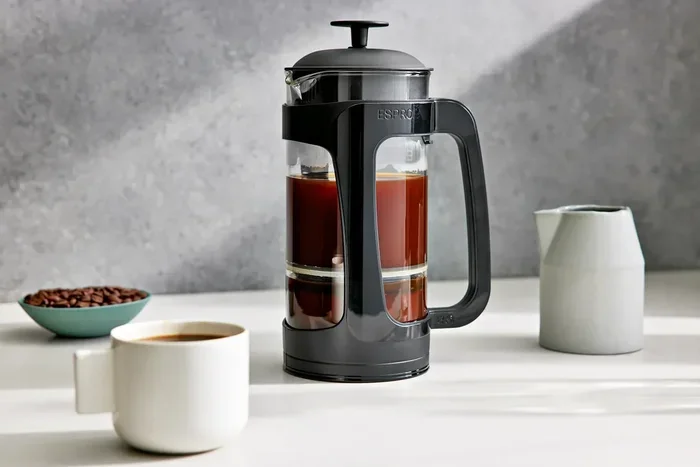
- Experiment with different brewing methods. A French press, pour-over, or AeroPress each extract different flavors. Trying new methods keeps your coffee routine exciting.
Remember that improving your coffee is a personal journey. What works for one person may not work for another. The goal is to find the combination that makes you excited to start your day.
If you are curious about kitchen tools that help with temperature control and brewing precision, learning how to use a brand new oven properly teaches you a lot about managing heat settings, which translates directly to better coffee brewing temperature control.
Another simple pairing to consider is warming up fresh bread alongside your morning brew. There is something about the ritual of a warm drink and warm food that makes the whole experience feel complete and satisfying.
Conclusion
Making your coffee taste better without creamer is simpler than most people think. You do not need fancy equipment or expensive ingredients. You need fresh beans, clean water, proper brewing technique, and a willingness to experiment with natural add-ins.
Start with one or two tips from this guide. Try adding a pinch of salt or switching to a lighter roast. Notice how the flavor changes. Build from there until you find your perfect cup.
The beauty of this approach is that it is healthier, cheaper, and more rewarding than relying on processed creamer. Every sip becomes more intentional and more enjoyable. Your morning coffee can be a ritual you look forward to, not just a habit you rush through.
So go ahead. Brew a fresh cup. Taste it slowly. And discover just how good coffee can be on its own.
Frequently Asked Questions
Can I use salt to make my coffee taste better?
Yes, a small pinch of salt is one of the oldest tricks to reduce bitterness in coffee. It neutralizes the harsh compounds and brings out the natural sweetness. Just be careful not to add too much, or it will make your coffee taste salty.
What is the best milk alternative for coffee?
Oat milk is widely considered the best milk alternative for coffee because it froths well, tastes neutral, and adds a creamy texture. Almond milk is another great option if you prefer something lighter. Coconut milk works well for those who want a hint of sweetness.
Does cold brew coffee taste better without creamer?
Cold brew coffee is naturally smoother and less acidic than hot brewed coffee, which means it often tastes great without any creamer at all. The slow extraction process pulls out fewer bitter compounds, resulting in a naturally sweet and clean flavor profile.
How do I know if my coffee beans are fresh?
Look for a roast date on the bag rather than just an expiration date. Fresh beans are at their best within two to four weeks of roasting. You can also check for a strong aroma, oily surface on dark roasts, and a clear origin label on the packaging.
Can I add butter to my coffee instead of creamer?
Yes, adding a small spoonful of butter or ghee to coffee creates a rich, creamy texture similar to creamer. This is the base of “bulletproof coffee” and works best with medium to dark roasts. The butter also adds healthy fats that help keep you satisfied longer.
Why does my coffee taste bitter even without creamer?
Bitterness usually comes from over-extraction, which happens when the water is too hot or the brew time is too long. Using water between 195 and 205 degrees Fahrenheit and adjusting your grind size can dramatically reduce bitterness and improve your overall coffee experience.
=== CONCLUSION ===
Learning how to make coffee taste better without creamer is one of the best things you can do for your morning routine. You gain control over what goes into your cup, save money, and discover flavors you never knew were there. Start with the simple tips in this guide, experiment freely, and enjoy the journey toward a better cup of coffee. Your taste buds will thank you.