Can You Drink Coffee With Antibiotics And What Happens
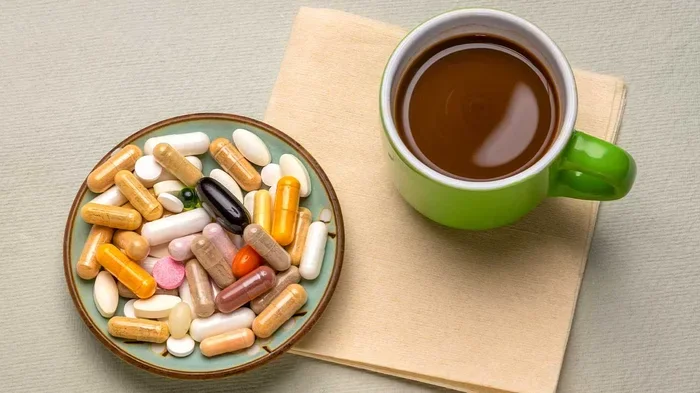
Drinking coffee while taking antibiotics can cause unwanted side effects and reduce how well your medication works. The caffeine in coffee may interact with certain antibiotics, slowing absorption or increasing jitters and stomach issues. Timing your coffee carefully and knowing which antibiotics react badly is key to staying safe and getting the full benefit of your treatment.
You wake up feeling rough. A nasty infection has taken hold, and your doctor just handed you a prescription for antibiotics. You reach for your morning coffee, pause, and wonder — can you drink coffee with antibiotics?
This is a question more people ask than you might think. Millions of people start antibiotic courses every year, and for many, coffee is a non-negotiable part of the morning routine. The good news is that in most cases, a cup of coffee won’t ruin your treatment. But there are real risks, and some situations demand extra caution.
In this article, we break down exactly what happens when you mix antibiotics and coffee. We cover side effects, timing, which antibiotics are the biggest concern, and practical tips to keep you safe. Whether you are a casual coffee drinker or a full-on caffeine addict, this guide has you covered.
Key Takeaways
- Coffee can interfere with antibiotic absorption: Caffeine may slow down how your body processes certain medications.
- Some antibiotics react badly with coffee: Fluoroquinolones and macrolides are known to have stronger interactions with caffeine.
- Stomach upset is common: Combining coffee and antibiotics can worsen nausea, acid reflux, and digestive discomfort.
- Timing matters a lot: Waiting at least 1 to 2 hours after taking antibiotics before drinking coffee can reduce risks.
- Dehydration is a real concern: Both antibiotics and coffee can dehydrate you, so extra water intake is essential.
- Always check with your doctor: Your pharmacist can give personalized advice on coffee and your specific antibiotic.
📑 Table of Contents
- What Happens When You Drink Coffee With Antibiotics
- Which Antibiotics React Badly With Coffee
- How Long After Taking Antibiotics Can You Drink Coffee
- Side Effects of Mixing Coffee and Antibiotics
- Tips for Drinking Coffee Safely While on Antibiotics
- Common Mistakes People Make With Coffee and Antibiotics
- Expert Insights on Coffee and Antibiotic Interactions
- When to Avoid Coffee Entirely During Antibiotic Treatment
- Can You Drink Coffee With Antibiotics — Final Verdict
What Happens When You Drink Coffee With Antibiotics
The short answer is that coffee and antibiotics can interact in ways you might not expect. Your body processes caffeine through a specific pathway in the liver. Some antibiotics interfere with that same pathway. The result? Caffeine may linger in your system longer than normal, or your body may absorb the antibiotic less effectively.
Here is what can happen when you combine the two:
- Slower caffeine clearance: Certain antibiotics block the enzyme that breaks down caffeine. This means caffeine stays in your blood longer, amplifying its effects.
- Increased jitteriness and anxiety: You may feel more wired, restless, or anxious than usual.
- Stomach irritation: Both coffee and antibiotics can irritate your stomach lining. Together, they may cause nausea or acid reflux.
- Reduced antibiotic effectiveness: In some cases, the interaction may slow how well the medication fights the infection.
Not every antibiotic reacts the same way. The severity of the interaction depends on the type of antibiotic, the amount of coffee you drink, and your own body chemistry. Let us look at the specifics.
How Your Body Processes Caffeine and Antibiotics
Your liver uses enzymes called cytochrome P450 to break down both caffeine and many medications. When an antibiotic inhibits these enzymes, caffeine metabolism slows down. Think of it like a traffic jam on a busy highway. The caffeine just sits there, building up, instead of being cleared out efficiently.
This is why some people feel unusually shaky, have a racing heart, or struggle to sleep after drinking coffee while on a course of antibiotics. It is not just in your head — there is a real biochemical reason behind it.
Can Coffee Reduce How Well Antibiotics Work?
In some cases, yes. Coffee can change the pH level in your stomach. Since many antibiotics need a specific stomach environment to be absorbed properly, altering that environment can reduce how much of the drug enters your bloodstream. This does not mean your antibiotic stops working entirely. But it might not work as well as it should.
That is why timing your coffee intake around your antibiotic doses is so important. A small adjustment can make a big difference.
Which Antibiotics React Badly With Coffee
Not all antibiotics are created equal when it comes to caffeine interactions. Some are perfectly fine to pair with coffee. Others can cause noticeable problems. Here is a closer look at the antibiotics that demand extra attention.
Fluoroquinolones
Fluoroquinolones like ciprofloxacin and levofloxacin are among the antibiotics with the strongest interactions with caffeine. These medications are known to block caffeine metabolism almost completely. Even a small cup of coffee can leave you feeling overstimulated.
Common side effects include:
- Rapid heartbeat
- Restlessness
- Insomnia
- Tremors
If you are prescribed a fluoroquinolone, consider switching to decaf or herbal tea for a few days. Your body will thank you.
Macrolides
Macrolide antibiotics such as erythromycin and clarithromycin also affect caffeine processing. The interaction is not as strong as with fluoroquinolones, but it is still real. You may notice that coffee hits harder or lasts longer while you are on these medications.
Tetracyclines
Tetracyclines like doxycycline can cause stomach upset on their own. Adding coffee into the mix can make nausea worse. Coffee increases stomach acid production, which can irritate the gut further when it is already sensitive from antibiotics.
Penicillins and Cephalosporins
Good news here. Penicillins and cephalosporins generally have fewer interactions with caffeine. These are some of the most commonly prescribed antibiotics, and most people can enjoy their morning coffee without major issues. Still, spacing them out by at least an hour is a smart move.
How Long After Taking Antibiotics Can You Drink Coffee
This is one of the most common questions people ask, and for good reason. The answer depends on the antibiotic, but a general rule of thumb works well for most people.
Wait at least one to two hours after taking your antibiotic before drinking coffee. This gives your body enough time to start absorbing the medication without caffeine interfering.
Here is a simple timing guide:
- Morning dose: Take your antibiotic with water. Wait 60 to 120 minutes, then enjoy your coffee.
- Midday dose: Have your coffee at your usual time. Wait at least an hour before taking the antibiotic.
- Evening dose: Avoid coffee after 2 p.m. if your evening dose is close. Caffeine can also disrupt sleep, and rest is critical for recovery.
Following this simple schedule helps your body handle both the antibiotic and the caffeine without unnecessary stress.
A Practical Example
Say you take your antibiotic at 7 a.m. with a glass of water. You could have your first coffee at 9 a.m. That two-hour gap gives your stomach time to process the medication. If you take your antibiotic at noon, enjoy your coffee at 10 a.m. or wait until 2 p.m. It is simple once you build the habit.
While you are waiting for your coffee, consider eating something gentle on your stomach. Foods like roasted carrots or mild soups can help protect your stomach lining during antibiotic treatment. Pairing your meals with easy-to-digest sides like oven-roasted potatoes also gives your body the energy it needs without adding extra irritation.
Side Effects of Mixing Coffee and Antibiotics
Most side effects from combining coffee with antibiotics are mild. But some can be uncomfortable, and a few warrant medical attention. Here is what to watch for.
Common Side Effects
- Nausea and vomiting: Both coffee and antibiotics can upset your stomach. Together, the risk goes up.
- Heartburn and acid reflux: Coffee relaxes the lower esophageal sphincter, which can make acid reflux worse — especially when your stomach is already sensitive.
- Jitters and anxiety: If caffeine builds up in your system, you may feel unusually nervous or shaky.
- Insomnia: Antibiotics can already disrupt your sleep. Adding caffeine to the mix makes it harder to rest.
Less Common but Serious Side Effects
In rare cases, the interaction can cause more serious issues:
- Rapid or irregular heartbeat: This is more common with fluoroquinolone antibiotics and high caffeine intake.
- Severe stomach pain: Could signal that your antibiotic is not being absorbed properly.
- Allergic reactions: While extremely rare, any signs of an allergic reaction — rash, swelling, difficulty breathing — require immediate medical attention.
If you experience any of these serious symptoms, stop drinking coffee and contact your doctor right away.
What About Antibiotic-Related Dehydration?
Antibiotics can flush fluids from your body faster than normal. Coffee is a mild diuretic, which means it makes you urinate more. When you combine the two, your risk of dehydration goes up.
Signs of dehydration include:
- Dark-colored urine
- Dry mouth
- Dizziness
- Fatigue
Counter this by drinking extra water throughout the day. For every cup of coffee you have, follow it with an extra glass of water. Staying hydrated helps your body fight the infection and process the medication more efficiently.
Tips for Drinking Coffee Safely While on Antibiotics
You do not have to give up coffee entirely while on antibiotics. With a few simple adjustments, you can enjoy your daily cup and still get the full benefit of your medication.
1. Space Out Your Intake
This is the single most important tip. Give your body at least one hour between taking your antibiotic and drinking coffee. The extra time allows your stomach to handle the medication without competition from caffeine.
2. Stick to Moderate Amounts
One to two cups of coffee a day is generally fine for most people on antibiotics. More than that increases the risk of side effects. If you usually drink four or five cups, consider cutting back for the duration of your treatment.
3. Eat Before You Drink
Never drink coffee on an empty stomach, especially when you are on antibiotics. Food buffers your stomach lining and reduces the chance of nausea and acid reflux. A light breakfast with toast, oatmeal, or fruit works well.
4. Choose Low-Acidity Coffee
Some coffee brands are less acidic than others. Cold brew, for example, tends to be gentler on the stomach. If you are prone to heartburn, switching to a low-acidity blend can help during your antibiotic course.
5. Stay Hydrated
Drink plenty of water throughout the day. Water helps your body absorb the antibiotic and flush out toxins. It also counteracts the dehydrating effects of caffeine.
6. Listen to Your Body
Everyone reacts differently. If your coffee feels off — more jittery, more nauseating, or more disruptive to your sleep — trust your instincts. Cut back or switch to decaf until your course is finished.
Quick Tip: The Decaf Swap
If you are worried about the interaction, try switching to decaf for the first few days of your antibiotic course. You still get the ritual and the warmth of a morning cup without the caffeine. Most people find that the adjustment is easy and temporary.
Common Mistakes People Make With Coffee and Antibiotics
Even well-meaning people make mistakes when combining coffee with antibiotics. Here are the ones to avoid.
Mistake 1: Taking Your Antibiotic With Coffee
This is the most common mistake. Some people wash down their pill with coffee instead of water. Coffee can change how the antibiotic dissolves in your stomach, reducing absorption. Always take antibiotics with a full glass of plain water.
Mistake 2: Ignoring Stomach Warning Signs
If you notice persistent nausea or stomach pain after drinking coffee on antibiotics, do not ignore it. Your body is telling you something. Cut back on coffee and talk to your doctor if the symptoms continue.
Mistake 3: Doubling Up on Caffeine
Some people drink coffee to make up for the fatigue antibiotics can cause. But piling on caffeine does not help your body heal. It just adds stress. Rest is the real remedy for antibiotic-related tiredness.
Mistake 4: Not Telling Your Doctor About Your Coffee Habit
Your doctor needs to know everything you consume regularly, including coffee. This helps them prescribe the right antibiotic and give you accurate advice on timing and side effects.
Expert Insights on Coffee and Antibiotic Interactions
Pharmacists and healthcare professionals consistently advise caution when combining caffeine with antibiotics. The key is moderation and awareness.
Dr. Sarah Lin, a clinical pharmacist, notes that most antibiotic-coffee interactions are manageable with simple timing adjustments. She recommends asking your pharmacist specifically about caffeine when you pick up a new prescription.
Dr. James Morton, an infectious disease specialist, adds that the benefits of completing your full antibiotic course almost always outweigh the risks of drinking coffee. The danger is not in skipping the antibiotic — it is in not finishing the entire prescription.
These experts agree on one thing: communication with your healthcare provider is the most powerful tool you have. If you are unsure whether your specific antibiotic interacts with coffee, ask. A quick question can save you days of discomfort.
When to Avoid Coffee Entirely During Antibiotic Treatment
There are situations where skipping coffee is the safest choice. You should seriously consider avoiding caffeine if:
- You are taking a fluoroquinolone antibiotic like ciprofloxacin
- You have a history of acid reflux or gastric ulcers
- You experience severe nausea or stomach pain with your antibiotic
- Your doctor has specifically advised against caffeine
- You are also taking other medications that interact with caffeine
In these cases, the risks outweigh the benefits. A few days without coffee is a small price to pay for a smooth recovery. You can always go back to your regular cup once the treatment is complete.
While you focus on recovery, you might also think about what goes into your meals. Just as you would not leave your oven on all day without checking on it — a reminder from this guide on oven safety — you should not ignore how your body responds to the combination of food, drink, and medication during treatment.
Can You Drink Coffee With Antibiotics — Final Verdict
So, can you drink coffee with antibiotics? The answer is yes, in most cases — but with smart timing and moderation. The interaction between caffeine and antibiotics is real, but it is manageable. By spacing out your intake, eating before you drink, and staying hydrated, you can enjoy your coffee and still get the full benefit of your treatment.
The most important takeaway is this: do not skip your antibiotics to drink coffee, and do not ignore the warning signs your body gives you. Complete your full course of medication, adjust your coffee habits temporarily, and you will be back to your normal routine in no time.
Recovery from an infection takes work, and every choice you make supports that process. A little extra care with your coffee routine goes a long way toward a smoother, faster healing journey.
Frequently Asked Questions
Can I drink one cup of coffee while on antibiotics?
In most cases, yes. One cup of coffee is generally fine if you wait at least one to two hours after taking your antibiotic. The key is moderation and spacing. Always check with your doctor or pharmacist if you are unsure about a specific medication.
Which antibiotics should not be mixed with coffee?
Fluoroquinolones like ciprofloxacin and macrolides like erythromycin have the strongest interactions with caffeine. These antibiotics slow down how your body processes caffeine, which can lead to jitteriness, rapid heartbeat, and insomnia. Tetracyclines can also worsen stomach upset when paired with coffee.
Does coffee make antibiotics less effective?
Coffee can reduce how well some antibiotics are absorbed by changing the pH level in your stomach. This does not mean the antibiotic stops working, but it might not work as effectively. Taking your antibiotic with plain water and waiting before drinking coffee helps ensure proper absorption.
How long should I wait to drink coffee after taking antibiotics?
Wait at least one to two hours after taking your antibiotic before drinking coffee. This gives your body enough time to absorb the medication without interference from caffeine. For evening doses, avoid coffee in the afternoon to protect your sleep quality.
Can coffee worsen antibiotic side effects?
Yes, coffee can make some side effects worse. Nausea, acid reflux, and stomach irritation are more common when you combine coffee with antibiotics. Both substances can irritate the stomach lining, and together they increase the risk of discomfort.
Is decaf coffee safe to drink with antibiotics?
Decaf coffee is a great alternative while on antibiotics. It contains very little caffeine, so the risk of interaction is minimal. You still get the comforting ritual of a morning cup without the jitters or sleep disruption that caffeine can cause during treatment.
=== CONCLUSION ===
Drinking coffee with antibiotics is possible, but it requires a little awareness and planning. The interaction between caffeine and antibiotics can cause side effects like nausea, jitters, and stomach upset — but these are largely avoidable with the right approach. Space out your coffee and medication by at least one to two hours, keep your intake moderate, eat before you drink, and stay well hydrated.
Know which antibiotics are more likely to interact with caffeine, and never hesitate to ask your doctor or pharmacist for personalized advice. Your recovery comes first, and a temporary adjustment to your coffee routine is a small trade-off for a successful treatment.
Take care of your body, listen to what it tells you, and you will be back to your full cup of coffee before you know it.