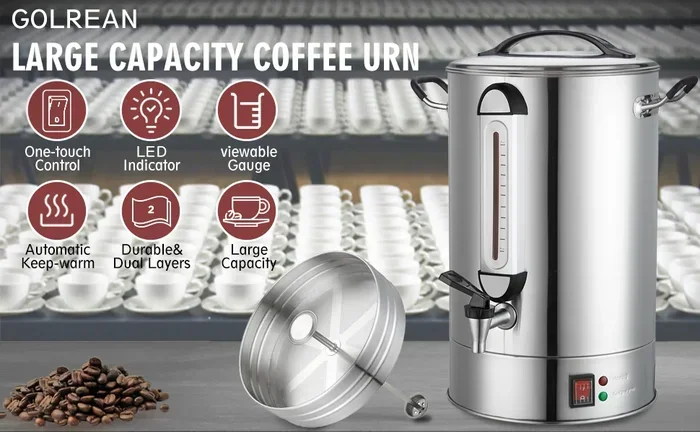
How Much Coffee To Make 42 Cups Perfectly Every Time
Making 42 cups of coffee starts with getting the right ratio of coffee grounds to water. This guide breaks down the exact measurements, brewing tips, and common mistakes so you can serve perfect coffee every single time. Whether you use a drip coffee maker or a commercial brewer, the principles stay the same.
There is nothing quite like brewing a huge pot of coffee for a crowd. Whether you are hosting a weekend brunch, feeding a busy office, or prepping drinks for a family gathering, knowing how much coffee to make 42 cups perfectly is a real skill. Too little, and people go without. Too much, and you waste precious beans and water.
The good news is that brewing a large batch of coffee is not complicated. You just need the right coffee ratio, a few simple tools, and a basic understanding of how your coffee maker works. This guide walks you through everything you need to know. By the end, you will feel confident pulling a perfect 42-cup pot every single time.
If you are planning a big breakfast event, consider pairing your brew with some delicious sides. For example, smashed potatoes in the oven make an amazing breakfast side that pairs beautifully with a fresh pot of drip coffee. And for something sweet and easy, you can also explore baking hotdogs in the oven as a fun, crowd-pleasing protein option for your morning spread.
The key to great large batch coffee is understanding three things: the right amount of ground coffee, the correct water temperature, and the proper brewing time. Let us dive in and break it all down.
Key Takeaways
- Use 21 tablespoons of ground coffee for 42 cups: The standard ratio is 1 tablespoon per 6-ounce cup.
- Adjust based on your taste preferences: Bold coffee lovers may want to add extra grounds, while mild coffee drinkers can reduce the amount slightly.
- Grind size matters a lot: A medium grind works best for drip coffee makers and large batches.
- Water temperature should be between 195°F and 205°F: Too hot or too cold will hurt the flavor.
- Avoid common mistakes like using pre-ground coffee that sits too long: Freshly ground beans give the best taste.
- Pair your coffee with breakfast favorites: Try making bacon in the oven without parchment paper for a complete morning spread.
📑 Table of Contents
- Understanding Coffee Ratios And Measurements
- How Much Coffee To Make 42 Cups – The Exact Answer
- Step-By-Step Guide To Brewing 42 Cups Of Coffee
- Factors That Affect Coffee Strength And Flavor
- Tips For Perfect Large-Batch Coffee
- Common Mistakes People Make When Brewing Large Batches
- Frequently Asked Questions
- Conclusion
Understanding Coffee Ratios And Measurements
What Is The Standard Coffee-to-Water Ratio?
Every coffee expert agrees on one thing: the coffee-to-water ratio is the most important factor in brewing great coffee. The standard ratio used by most coffee associations is 1 tablespoon of ground coffee for every 6 ounces of water. This is called the “golden ratio,” and it works for almost every brewing method.
Here is how that ratio looks in practice:
- 1 tablespoon of coffee per 6 oz of water = mild coffee
- 1.5 tablespoons of coffee per 6 oz of water = medium strength
- 2 tablespoons of coffee per 6 oz of water = bold coffee
Most standard coffee makers use a 6-ounce “cup” as their measurement unit. But here is the catch. A typical coffee mug holds 12 ounces or more. So when your coffee maker says it makes 12 cups, it is really making 72 ounces of liquid. Keep this in mind when you are scaling up to 42 cups.
How Coffee Makers Measure Cups
Coffee makers measure cups differently than we do in everyday life. A “cup” on a coffee maker is 5 to 6 ounces, not the 8 ounces you would pour from a measuring cup at home. This is a common source of confusion. When you see a 42-cup coffee urn, it is designed to hold about 252 ounces of liquid (42 times 6 ounces).
This matters because it directly affects how much coffee grounds you need. If you use the wrong cup size in your calculations, your brew strength will be off. Always check your machine’s manual to confirm what size “cup” it uses.
How Much Coffee To Make 42 Cups – The Exact Answer
The Golden Ratio For 42 Cups
So, exactly how much coffee to make 42 cups? Let us do the math using the standard golden ratio of 1 tablespoon per 6 ounces.
A 42-cup coffee maker holds about 252 ounces of water. Divide 252 by 6, and you get 42. So you need 42 tablespoons of ground coffee for a standard-strength brew. That equals about 21 tablespoons if you use a slightly milder ratio, or 84 tablespoons if you like it very bold.
Here is a quick breakdown:
- Mild strength: 30 tablespoons (about 1.9 cups) of ground coffee
- Medium strength: 42 tablespoons (about 2.6 cups) of ground coffee
- Bold strength: 54 tablespoons (about 3.4 cups) of ground coffee
For most people, the medium strength option is the sweet spot. It produces a well-balanced cup that is not too weak and not too strong. If you are serving a crowd with different preferences, brewing at medium strength and offering cream and sugar on the side is always a smart move.
Quick Reference Table
Use this table as a handy reference when you are brewing large batches of coffee:
| Batch Size | Water (Ounces) | Medium-Strength Grounds | Bold-Strength Grounds |
|---|---|---|---|
| 21 Cups | 126 oz | 21 tbsp | 42 tbsp |
| 42 Cups | 252 oz | 42 tbsp | 84 tbsp |
| 60 Cups | 360 oz | 60 tbsp | 120 tbsp |
These numbers assume a standard 6-ounce coffee maker cup. Adjust slightly if your machine uses a different measurement. The key is to keep the coffee proportions consistent with the ratio you prefer.
Step-By-Step Guide To Brewing 42 Cups Of Coffee
What You Will Need
Before you start, gather everything you need. Having all your tools ready makes the process smooth and fast. Here is your checklist:
- A 42-cup coffee maker or large urn
- Fresh coffee beans or pre-ground ground coffee
- A burr grinder (if using whole beans)
- Clean, filtered water
- A measuring spoon (tablespoon)
- A coffee filter (if your machine requires one)
Using fresh coffee beans and grinding them right before brewing makes a huge difference in flavor. Pre-ground coffee loses its coffee flavor quickly, especially in large quantities. If you must use pre-ground, store it in an airtight container and use it within a week of opening.
The Brewing Process
Now let us walk through the actual brewing process step by step:
- Measure your water: Fill the coffee maker reservoir with 252 ounces of clean, cold water. Use a measuring cup or the markings on the machine to be precise.
- Grind your coffee: If using whole beans, grind them to a medium consistency. Medium grind is ideal for drip coffee makers and large batch brewing. It allows water to flow through at the right speed without over-extracting or under-extracting the coffee grounds.
- Add the coffee: Place 42 tablespoons of medium-ground coffee into the filter basket. Spread it evenly for consistent extraction.
- Insert the filter: Place a clean coffee filter in the basket. This catches the grounds and keeps your coffee smooth and clean-tasting.
- Start brewing: Turn on the machine and let it do its work. A full 42-cup brew typically takes 15 to 25 minutes depending on your machine.
- Serve and enjoy: Once brewing is complete, serve the coffee right away. Coffee tastes best when it is fresh and hot.
Following these steps ensures that every cup from the pot has the same brew strength and flavor profile. Consistency is what separates a good large batch from a great one.
Factors That Affect Coffee Strength And Flavor
Coffee Bean Grind Size
The grind size of your ground coffee plays a huge role in the final taste. If the grind is too fine, water passes through slowly and over-extracts the coffee. This leads to a bitter, harsh coffee taste. If the grind is too coarse, water rushes through too fast and under-extracts the coffee, resulting in a weak, sour coffee flavor.
For a 42-cup batch in a drip coffee maker, aim for a medium grind. Think of the texture of sea salt. It is coarse enough to allow proper flow but fine enough to extract the full range of flavors from the coffee beans.
If you are using a burr grinder, set it to the middle setting. Blade grinders are less consistent, so try to pulse them in short bursts rather than running them continuously. This helps achieve a more even grind size across all the coffee grounds.
Water Temperature
Brewing temperature is one of the most overlooked factors in coffee making. The ideal water temperature for brewing coffee is between 195°F and 205°F. Water that is too hot (above 205°F) burns the coffee grounds and creates a bitter coffee taste. Water that is too cool (below 195°F) fails to extract the full flavor from the grounds, leaving you with a flat, weak cup.
Most modern coffee makers heat water to the correct temperature automatically. But if you are using an older machine or a manual brewer, it is worth checking the water temperature with a thermometer. This small step can dramatically improve your brew strength and overall coffee flavor.
Brew Time
The amount of time water spends in contact with the coffee grounds also matters. For a standard drip coffee maker, the total brew time for 42 cups should be between 15 and 25 minutes. If your machine brews much faster, the coffee may be weak. If it takes much longer, the grind may be too fine.
When brewing large batches, pay attention to how the coffee flows. It should drip steadily and consistently. If it gurgles, slows down, or stops, check the grind size and the filter. Sometimes a clogged filter basket is the culprit.
Expert Insight
Professional baristas recommend weighing your coffee grounds using a kitchen scale instead of relying on tablespoons. A tablespoon of fine grind weighs less than a tablespoon of coarse grind. For the most accurate coffee proportions, aim for about 10 grams of coffee per 6-ounce cup. For 42 cups, that is approximately 420 grams of ground coffee.
Tips For Perfect Large-Batch Coffee
Quick Tips For Better Flavor
Brewing a large pot of coffee is straightforward, but a few pro tips can take your brew strength and flavor to the next level:
- Always use fresh, cold water: Hot water from the tap contains dissolved minerals and off-flavors that can affect the taste of your coffee.
- Clean your coffee maker regularly: Mineral buildup from water can clog the machine and alter the coffee flavor. Run a vinegar-water solution through the machine once a month.
- Preheat the machine before brewing: A warm machine maintains a more consistent temperature during the brewing process, which leads to better extraction.
- Store coffee beans properly: Keep them in an airtight container at room temperature. Never store beans in the fridge or freezer, as moisture and odors can damage the coffee beans.
- Stir the grounds before brewing: This simple step ensures even saturation and a more consistent coffee taste throughout the entire pot.
- Use a timer: If your coffee maker does not have one, set a timer so you know exactly when the brew will be done. This prevents over-brewing and burnt coffee.
Quick Tips Section
Here are some extra brewing tips to keep in mind:
- If the coffee tastes too strong, dilute it with hot water rather than adding more grounds next time.
- If the coffee tastes too weak, increase the amount of coffee grounds by one tablespoon per 6-ounce cup.
- For the best coffee flavor, brew only what you plan to serve within 30 minutes. Coffee that sits on a warming plate for too long becomes bitter and stale.
- Consider using a reusable metal filter instead of paper filters. Metal filters allow more of the natural oils from the coffee grounds to pass through, resulting in a richer, fuller-bodied cup.
Common Mistakes People Make When Brewing Large Batches
Rushing The Process
One of the biggest mistakes people make is rushing through the brewing process. When you are making 42 cups, it is tempting to skip steps or take shortcuts. But every step matters. From using the right coffee ratio to checking the water temperature, small details add up to a big difference in the final cup.
Do not skip the step of measuring your coffee grounds carefully. Scooping loosely versus packing the spoon down can change the amount of coffee by 30 percent or more. Take the extra 30 seconds to measure properly, and your coffee taste will thank you.
Using The Wrong Grind Size
Another common error is using the wrong grind size for your brewing method. A fine espresso grind in a drip coffee maker will clog the filter and slow down the brewing process, leading to over-extraction and bitter coffee. A coarse French press grind in a drip machine will let water pass through too quickly, resulting in weak, sour coffee flavor.
Always match your grind size to your brewing equipment. For a 42-cup drip coffee maker, medium grind is the clear winner. It strikes the perfect balance between extraction speed and flavor development.
Ignoring Water Quality
Coffee is 98 percent water. So the quality of your water directly impacts the quality of your brew. Hard water with high mineral content can make coffee taste flat or metallic. Chlorinated tap water can add unpleasant chemical flavors to your coffee taste.
Use filtered water whenever possible. It removes impurities and chlorine while retaining the natural minerals that help extract the best coffee flavor from your grounds. This is one of the easiest ways to improve your large-batch brew strength without changing any other variables.
Overloading The Filter Basket
It might be tempting to cram extra coffee grounds into the filter basket to save time. But overloading the basket restricts water flow and creates uneven extraction. Some grounds get over-extracted (bitter) while others get under-extracted (sour). The result is a muddy, unbalanced coffee taste that no amount of cream and sugar can fix.
Stick to the recommended amount of coffee grounds for your batch size. If you need more coffee, brew a second batch rather than overloading the filter. Patience pays off when it comes to brewing coffee for a crowd.
Frequently Asked Questions
What Size Coffee Maker Makes 42 Cups?
A standard commercial drip coffee maker or a large urn-style machine will make 42 cups. These machines are commonly found in offices, break rooms, and catering setups. Look for a machine with a 60- to 70-ounce water reservoir if you are making batches close to 42 cups. Check the label or manual to confirm the exact cup capacity, since some machines use a 5-ounce “cup” while others use 6 ounces.
Can I Adjust The Coffee-To-Water Ratio For Stronger Or Weaker Coffee?
Absolutely. The standard ratio of 1 tablespoon per 6-ounce cup is a starting point, not a rule. If you prefer bold, strong coffee flavor, increase the grounds to 1.5 or 2 tablespoons per cup. If you prefer a milder taste, reduce to 0.75 tablespoons per cup. Experimenting with the coffee ratio is the best way to find your perfect brew strength.
How Long Does A 42-Cup Pot Keep Coffee Warm?
Most coffee makers with a warming plate will keep coffee warm for about 1 to 2 hours before the coffee taste starts to degrade. After that, the coffee can become bitter and stale. If you are serving a large group, it is best to brew in two smaller batches or transfer finished coffee into a thermal carafe to preserve the coffee flavor for longer.
What Type Of Coffee Is Best For Large Batches?
Medium-roast coffee beans work best for large-batch brewing. They offer a balanced flavor profile that holds up well when diluted or served over time. Dark roasts can become bitter in large quantities, while light roasts may taste too weak or sour. A medium roast gives you the most forgiving and crowd-pleasing coffee taste for big pots.
How Do I Keep Coffee From Tasting Bitter When Brewing Large Amounts?
Bitterness usually comes from over-extraction, which happens when the water is too hot, the brew time is too long, or the grind is too fine. Use water between 195°F and 205°F, stick to a medium grind, and monitor your brew time. Also, do not let brewed coffee sit on a warming plate for more than 30 minutes. Transfer it to a thermal carafe to keep it hot without overcooking the coffee grounds flavor.
Can I Use A Regular Coffee Maker For 42 Cups?
Most standard home coffee makers are designed for 10 to 12 cups and cannot handle a 42-cup batch. You will need a large-capacity drip machine, a commercial urn, or a batch brewer. If you only have a small machine, brew multiple smaller batches and combine them in a large thermal carafe. This approach ensures consistent brew strength and coffee flavor across all 42 servings.
Conclusion
Now you know exactly how much coffee to make 42 cups perfectly every time. The key is to follow the right coffee ratio, use fresh ground coffee with a medium grind, and pay attention to water temperature and brew time. With 42 tablespoons of coffee for 252 ounces of water, you will serve a medium-strength pot that satisfies almost everyone.
Remember, brewing great large batch coffee is all about consistency. Measure your coffee grounds carefully, use clean filtered water, and avoid the common mistakes we covered. A little attention to detail goes a long way toward delivering a pot of coffee that tastes fantastic from the first cup to the last.
Whether you are feeding a breakfast crowd, stocking an office, or preparing for a weekend gathering, these tips will help you brew with confidence. So go ahead, fire up your coffee maker, measure out those grounds, and enjoy the satisfaction of serving a perfect 42-cup pot of coffee. Your guests will notice the difference, and you will feel like a pro every single time.