Can You Grind Pepper In A Coffee Grinder
Yes, you can grind pepper in a coffee grinder — it is one of the easiest ways to get fresh, flavorful pepper at home. Whether you use a burr grinder or a blade grinder, this simple kitchen hack saves money and boosts flavor. Below, we walk you through everything you need to know about grinding pepper in a coffee grinder safely and effectively.
Have you ever stood in your kitchen, staring at a jar of whole peppercorns, wishing you had fresh ground pepper without hauling out your bulky pepper mill? The answer might be sitting right on your countertop — your coffee grinder. Can you grind pepper in a coffee grinder? Absolutely. And it is one of the simplest kitchen tricks that many home cooks overlook.
Using a coffee grinder for spices is nothing new. People have been repurposing these handy machines for years to grind everything from cumin to cinnamon. But pepper is one of the most common spices people want to grind fresh. The question is whether your coffee grinder can handle the job well. The short answer is yes. The longer answer depends on the type of grinder you own, how you use it, and how well you clean it afterward.
In this guide, we will cover everything you need to know about grinding pepper in a coffee grinder. From the different grinder types to step-by-step instructions, cleaning tips, and common mistakes, you will find all the practical advice you need. Let us get started.
Key Takeaways
- It works: Both burr and blade coffee grinders can grind whole peppercorns into fresh pepper powder.
- Burr grinders are better: They produce a more consistent grind size and are easier to clean afterward.
- Clean thoroughly: Residual oils from pepper can linger, so cleaning your grinder between uses is important.
- Dry peppercorns first: Moisture can clog the grinder and affect performance.
- Fresh flavor: Grinding your own pepper gives you brighter, more aromatic results than pre-ground pepper.
- Multi-use tip: A dedicated coffee grinder for spices opens up many kitchen possibilities.
📑 Table of Contents
- What Happens When You Grind Pepper in a Coffee Grinder
- Types of Coffee Grinders Best for Grinding Pepper
- Step-by-Step Guide to Grinding Pepper in a Coffee Grinder
- Cleaning Your Coffee Grinder After Grinding Pepper
- Benefits of Grinding Your Own Pepper
- Common Mistakes to Avoid
- Expert Insights on Using Coffee Grinders for Spices
- Key Takeaways
What Happens When You Grind Pepper in a Coffee Grinder
Before you toss peppercorns into your grinder, it helps to understand what is actually happening inside the machine. Grinding pepper is different from grinding coffee beans, even though both are dry, hard spices. Peppercorns contain essential oils that give them their bold flavor and aroma. When you crush them, those oils release and coat the inside of your grinder.
How Burr Grinders Handle Pepper
Burr grinders use two rotating surfaces — either ceramic or steel — that crush beans or spices between them. This creates a much more uniform grind size. When you use a burr grinder for pepper, you get consistent particles, which means better flavor distribution in your food.
Burr grinders also tend to be easier to clean. The grinding surfaces can often be removed and wiped down. If you plan to use your coffee grinder for both coffee and pepper, a burr model gives you more flexibility and better results.
How Blade Grinders Handle Pepper
Blade grinders work differently. They use a spinning blade at the bottom of the chamber to chop ingredients. The result is less uniform — you get a mix of fine powder and larger chunks. This can work fine for cooking where you do not need a perfectly even grind. But if you want a fine, consistent pepper powder, a blade grinder may frustrate you.
Blade grinders are also harder to clean thoroughly. The small crevices around the blade can trap pepper oils, which may affect the taste of your next cup of coffee if you use the same grinder for both.
Types of Coffee Grinders Best for Grinding Pepper
Not all coffee grinders are created equal when it comes to grinding spices. Here is a quick look at the best options.
Electric Burr Grinders
These are the top choice for grinding pepper in a coffee grinder. They offer adjustable settings, so you can choose between a coarse crack or a fine powder. Electric burr grinders are consistent, fast, and relatively easy to maintain.
If you want a machine that can handle both coffee and spices, look for one with a removable hopper and grinding chamber. This makes switching between coffee and pepper much simpler.
Manual Burr Grinders
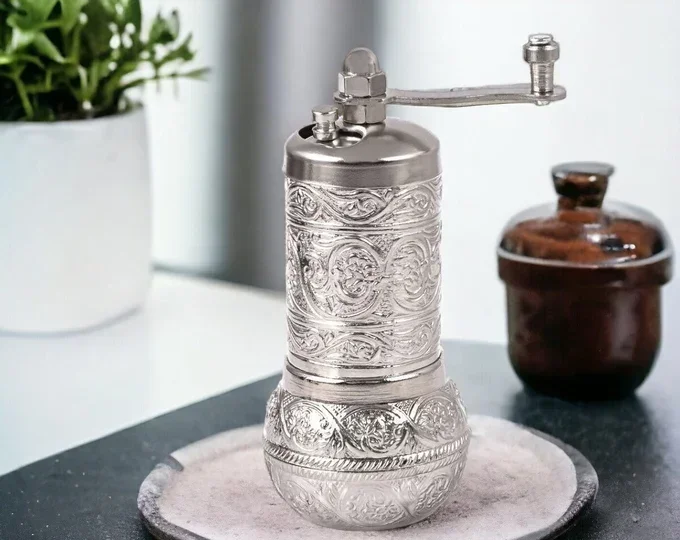
Manual burr grinders are a great budget-friendly option. They work the same way as electric burr grinders but require hand-cranking. They produce excellent, consistent grinds and are very easy to clean. Many travelers and spice enthusiasts prefer manual grinders because they are portable and quiet.
Blade Grinders
Blade grinders are the most common type found in households. They are affordable and fast, but the grind is inconsistent. If you only need a quick grind for a recipe and do not care about uniformity, a blade grinder will get the job done.
Just remember that cleaning a blade grinder after grinding pepper takes extra effort. The oils can build up quickly and linger.
Step-by-Step Guide to Grinding Pepper in a Coffee Grinder
Grinding pepper in a coffee grinder is simple, but a few preparation steps make a big difference in the final result.
Step 1: Choose Your Peppercorns
Start with whole peppercorns. You can use black, white, green, or red depending on your recipe. Black peppercorns are the most common and work well in coffee grinders because they are hard and dry. Make sure your peppercorns are completely dry before grinding. Moisture can cause clogging and make the grinding process uneven.
Step 2: Measure the Right Amount
Do not overfill the grinder. A good rule of thumb is to add no more than one to two tablespoons of peppercorns at a time. Overfilling leads to uneven grinding and can strain the motor. For a fine powder, use less. For a coarser crack, you can add a bit more.
Step 3: Set Your Grind Size
If your grinder has adjustable settings, choose the appropriate level. For cooking and seasoning, a medium-fine grind works well. If you want a rough crack for salads or garnishes, use a coarse setting. If you do not have adjustable settings, pulse the grinder in short bursts to control the texture.
Step 4: Grind
Turn on the grinder and let it run. For electric grinders, use the pulse function if available. Pulse in short bursts of three to five seconds. This prevents overheating and gives you more control over the final texture. For manual grinders, turn the crank steadily until the peppercorns reach your desired consistency.
Step 5: Check and Repeat
Open the grinder and check the texture. If it is not fine enough, grind again in short bursts. Do not run the grinder continuously for too long, as this can generate heat and affect the flavor of the pepper.
Step 6: Store Properly
Transfer your freshly ground pepper to an airtight container. Store it in a cool, dark place. Freshly ground pepper has a stronger aroma and flavor than store-bought pre-ground pepper, but it loses potency faster. Use it within a few weeks for the best flavor.
Cleaning Your Coffee Grinder After Grinding Pepper
This is the part most people skip, and it is the most important. Pepper oils are potent. They can linger inside your grinder and transfer to your coffee or other spices if you do not clean properly.
Why Residue Matters
When you grind pepper, the essential oils coat the inside surfaces of the grinder. These oils are strong and persistent. If you grind coffee in the same grinder without cleaning first, your coffee will taste like pepper. This is not just a minor flavor shift — it can completely ruin a cup of coffee or a delicate dish.
Regular cleaning also prevents buildup, which can affect the performance of your grinder over time. A well-maintained coffee grinder lasts longer and produces better results.
Quick Cleaning Tips
- Brush out loose particles: Use a small brush or dry cloth to remove pepper dust after each use.
- Use rice for deep cleaning: Add a handful of dry rice to the grinder and run it. The rice absorbs oils and scours the inside surfaces.
- Wipe with a damp cloth: After using rice, wipe the chamber with a damp cloth and let it dry completely before using again.
- Avoid water on electric parts: Never submerge an electric grinder in water. This can damage the motor and electrical components.
- Consider a dedicated spice grinder: If you grind pepper often, having a separate grinder just for spices eliminates the need for thorough cleaning between uses.
For tougher residue, you can also use a small amount of bread dough to absorb oils. Just press the dough around inside the chamber, discard it, and wipe clean. This is a surprisingly effective trick that many spice enthusiasts swear by.
Benefits of Grinding Your Own Pepper
Why go through the trouble of grinding pepper at home when you can buy pre-ground pepper at the store? The benefits are significant.
Freshness and Flavor
Pre-ground pepper loses its flavor quickly. Once you crack or grind a peppercorn, the essential oils begin to evaporate. Within days, much of the aroma is gone. When you grind pepper just before using it, you get a burst of flavor that pre-ground pepper simply cannot match.
Cost Savings
Whole peppercorns are cheaper per ounce than pre-ground pepper. They also last much longer because they do not lose potency as quickly. Over time, grinding your own pepper saves money and reduces waste.
Control Over Texture
Different recipes call for different textures. A coarse crack of pepper works beautifully on steaks and salads. A fine powder blends seamlessly into sauces and marinades. When you grind your own, you control the texture completely.
Health Benefits
Whole peppercorns retain more of their natural compounds, including piperine, which is responsible for pepper’s distinctive bite and has been linked to various health benefits. Freshly ground pepper contains more of these beneficial compounds than pre-ground alternatives.
Common Mistakes to Avoid
Even though grinding pepper in a coffee grinder is straightforward, a few common mistakes can ruin the experience.
Grinding Wet or Damp Peppercorns
Never grind peppercorns that have been exposed to moisture. Damp peppercorns can clog the grinder, create uneven particles, and promote mold growth inside the machine. Always make sure your peppercorns are completely dry before grinding.
Overfilling the Grinder
Adding too many peppercorns at once leads to inconsistent grinding and can strain the motor. Stick to small batches for the best results.
Skipping the Cleaning Step
This is the number one mistake people make. Skipping cleaning means pepper oils build up and affect the taste of your next use. Always clean your grinder after grinding spices, especially if you plan to use it for coffee afterward.
Using the Same Grinder for Strong-Spiced Foods
Pepper is strong, but it is not the only spice that can cause flavor transfer. If you grind garlic, cumin, or other potent spices in the same grinder, the flavors can mix in unpredictable ways. Consider having separate grinders for different uses.
If you are interested in learning more about kitchen tools and techniques, check out our article on how to dry herbs in oven for another great way to preserve and use fresh flavors at home. You might also enjoy our piece on how to dry basil in oven if you like growing and preserving herbs. And for keeping your kitchen equipment spotless, read our guide on can you use the pink stuff to clean oven for safe and effective cleaning methods.
Expert Insights on Using Coffee Grinders for Spices
Many professional chefs and home cooking experts recommend keeping a dedicated spice grinder in the kitchen. The reason is simple — it eliminates the risk of flavor transfer and saves time on cleaning. A small, inexpensive blade grinder dedicated solely to spices is a worthwhile investment for anyone who cooks regularly.
If you already own a coffee grinder and want to use it for pepper, the key is in the cleaning routine. A quick brush after every use and a deep clean with rice once a week keeps your grinder in excellent shape. Some users even suggest running a few coffee beans through the grinder after grinding pepper. This helps neutralize any lingering pepper oils and freshens the machine for its next use.
The spice grinding community also emphasizes the importance of storing whole peppercorns properly. Keep them in a sealed container away from heat and light. Whole peppercorns can last for years without losing flavor, making them an excellent pantry staple for anyone who likes to grind fresh spices at home.
Key Takeaways
- Yes, you can grind pepper in a coffee grinder: Both burr and blade models work, but burr grinders give more consistent results.
- Clean after every use: Pepper oils linger and can affect the taste of coffee or other spices if you skip cleaning.
- Use dry peppercorns: Moisture causes clogging and uneven grinding.
- Grind in small batches: One to two tablespoons at a time gives the best results.
- Pulse for control: Short bursts give you better texture control than running the grinder continuously.
- Store fresh ground pepper properly: Use an airtight container and use it within a few weeks for peak flavor.
- Consider a dedicated grinder: If you grind spices often, a separate grinder saves time and prevents flavor cross-contamination.
Frequently Asked Questions
Can I use any coffee grinder to grind pepper?
Yes, you can use both burr and blade coffee grinders to grind pepper. However, burr grinders produce a more consistent grind size and are easier to clean afterward. Blade grinders work but may leave a mix of fine powder and larger chunks. Either type gets the job done for everyday cooking.
Will grinding pepper ruin my coffee grinder?
No, grinding pepper will not ruin your coffee grinder. However, the essential oils in pepper can build up over time if you do not clean the grinder regularly. To keep your grinder in good shape, brush it out after each use and do a deeper clean with dry rice once a week.
How do I remove the pepper taste from my grinder before using it for coffee?
The best way is to run a handful of dry rice through the grinder. The rice absorbs residual oils and scours the inside surfaces. After that, wipe the grinder with a damp cloth and let it dry completely. You can also run a few coffee beans through to freshen the flavor before brewing.
Can I grind other spices in a coffee grinder besides pepper?
Absolutely. Coffee grinders work well for grinding many dry spices, including cumin, coriander, cinnamon, and dried herbs. Just remember to clean the grinder thoroughly between different spices to prevent flavor mixing. If you grind a lot of spices, consider having a dedicated spice grinder.
Is freshly ground pepper healthier than store-bought pre-ground pepper?
Freshly ground pepper retains more of its natural compounds, including piperine, which gives pepper its health benefits. Pre-ground pepper loses potency over time because the essential oils evaporate. Grinding your own pepper ensures you get the maximum flavor and nutritional benefit from each peppercorn.
How long does freshly ground pepper last?
Freshly ground pepper stays at its best flavor for about two to three weeks when stored in an airtight container in a cool, dark place. Whole peppercorns last much longer — often up to a year or more. The key is to grind only what you need and store the rest properly.
=== CONCLUSION ===
The answer to can you grind pepper in a coffee grinder is a clear and enthusiastic yes. It is one of the easiest, most practical kitchen hacks you can adopt. Whether you use a burr grinder or a blade grinder, you can enjoy freshly ground pepper that tastes far superior to anything from a jar on the grocery shelf.
The process is simple. Choose dry whole peppercorns, grind in small batches, and clean your grinder thoroughly afterward. These small steps make a huge difference in flavor and in the longevity of your appliance. With just a little care, your coffee grinder becomes a versatile kitchen tool that serves you well for years.
So the next time you need a crack of fresh pepper, skip the pepper mill and reach for your coffee grinder. Your taste buds will thank you. And once you start grinding your own spices at home, you may never go back to pre-ground versions again.