How To Use A French Coffee Maker For The Perfect Brew
Using a French coffee maker is one of the simplest ways to brew rich, full-bodied coffee at home. This guide walks you through every step, from choosing the right beans to mastering the plunge. You will learn the ideal water temperature, coffee ratio, and steeping time for a perfect cup every single time. With a few easy tips and proper cleaning habits, your French press will deliver café-quality coffee daily.
A French coffee maker, also known as a French press, is one of the most popular brewing tools for coffee lovers. It gives you full control over the brewing process, which means you can customize every cup to your exact taste. Unlike drip machines or pod systems, a French press lets the coffee grounds steep directly in hot water. This creates a rich, bold flavor that many people prefer over other methods. If you have never used one before, do not worry. This guide makes it simple and easy to follow.
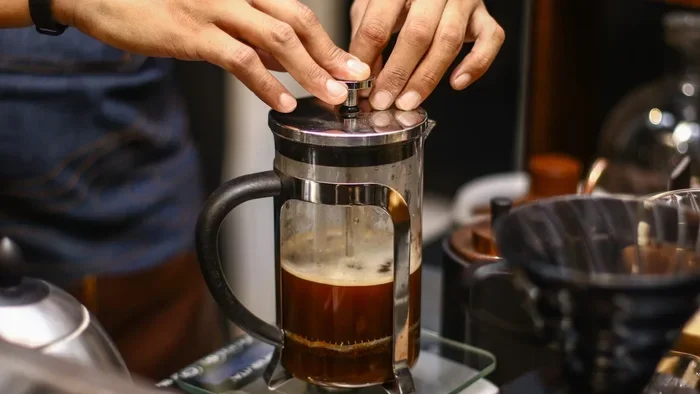
Making great coffee at home starts with understanding your equipment. A French coffee maker uses a simple glass or stainless steel carafe with a plunger and mesh filter. You add coarsely ground coffee, pour in hot water, let it steep, and then press the plunger down. That is it. No complicated buttons, no paper filters, and no waiting for a machine to drip. The whole process takes about four minutes from start to finish. Once you learn the basics, you will never go back to other methods.
This guide covers everything you need to know. You will learn about the parts of your French press, how to choose the best beans, the right grind size, and the exact brewing steps. You will also find tips for avoiding common mistakes and keeping your equipment clean. By the end, you will feel confident brewing a perfect cup of coffee every morning.
## Understanding Your French Coffee Maker
Before you brew, it helps to know what you are working with. A French coffee maker has a few simple parts, and each one plays an important role. Understanding these parts will make the brewing process much easier.
### What Is A French Press
A French press is a manual coffee brewing device that uses immersion brewing. This means the coffee grounds sit in hot water for a set amount of time. The water extracts the flavors and oils from the grounds directly. Then you press a plunger down through a mesh filter to separate the grounds from the liquid. The result is a full-bodied cup of coffee with more natural oils than paper-filter methods.
French presses come in different sizes. The most common holds four cups, which is about 34 ounces. You can also find smaller ones for one or two cups. There are glass versions, stainless steel versions, and even travel-friendly options. Glass presses let you watch the coffee steep, which many people enjoy. Stainless steel presses keep coffee hot longer and are more durable.
### Parts Of A French Coffee Maker
Every French press has the same basic components. The carafe is the main container where brewing happens. It is usually made of glass or stainless steel. The lid sits on top and holds the plunger mechanism in place. The plunger is the long rod with a flat mesh filter at the bottom. You push this down to separate the grounds from the brewed coffee. The mesh filter catches the grounds while letting the liquid pass through.
Some French presses also have a silicone seal around the plunger. This helps create a better seal and prevents grounds from slipping through. The spout on the carafe makes pouring easy and clean. Knowing these parts helps you understand how the brewing process works and why each step matters.
## Choosing The Right Coffee Beans And Grind
The quality of your coffee starts long before you add hot water. Choosing the right beans and grinding them correctly makes a huge difference in flavor. This is one of the most important steps in using a French coffee maker.
### Best Coffee Beans For French Press
For the best results, use freshly roasted whole beans. Look for beans that were roasted within the last two to four weeks. Fresh beans have more flavor and aroma than pre-ground coffee. Medium to dark roasts work especially well in a French press because they bring out bold, rich flavors. You can also use medium roasts if you prefer a smoother taste.
Single-origin beans are a great choice if you want to taste the unique flavors of a specific region. Ethiopian beans often have fruity and floral notes. Colombian beans tend to be nutty and smooth. Brazilian beans bring out chocolate and caramel flavors. Experiment with different origins to find what you like best.
### Grinding Your Beans To Perfection
Grind size is critical when you use a French coffee maker. You need a coarse grind, similar to the texture of sea salt. If the grind is too fine, the coffee will taste bitter and gritty. Fine grounds can also slip through the mesh filter and clog your press. A coarse grind allows water to flow through evenly and extract the right amount of flavor.
The best way to get a consistent coarse grind is to use a burr grinder. Blade grinders can work, but they often produce uneven particles. Some coffee shops will grind beans for you if you ask for a French press setting. Always grind your beans just before brewing for the freshest flavor. Pre-ground coffee loses its aroma quickly, so it is not ideal.
## The Step-By-Step Brewing Process
Now that you have your beans ground, it is time to brew. The process is simple but following the right steps makes all the difference. Here is exactly how to use a French coffee maker for the perfect brew.
### Heating Water To The Right Temperature
Start by heating your water. The ideal temperature for brewing coffee in a French press is between 195 and 205 degrees Fahrenheit. Boiling water is too hot and can burn the grounds, which makes the coffee taste bitter. If you do not have a thermometer, bring the water to a boil and then let it sit for about 30 seconds. This brings it down to the right range.
Use filtered water if possible. The quality of your water affects the taste of your coffee a lot. Tap water with strong chlorine or mineral tastes can make your coffee flavor off. Good water makes a noticeable difference in the final cup.
### Adding Coffee And Water
Add your coarsely ground coffee to the empty French press. A good starting ratio is two tablespoons of coffee for every six ounces of water. You can adjust this based on how strong you like your coffee. If you prefer a milder cup, use less coffee. For a stronger cup, add more.
Once the grounds are in the press, pour about half of the hot water over them. Let this sit for about 30 seconds. This step is called blooming. It allows the grounds to release carbon dioxide and start the extraction process. After 30 seconds, pour in the rest of the water slowly and evenly.
### Steeping And Plunging
Place the lid on the French press but do not press the plunger down yet. Let the coffee steep for about four minutes. You can go a little longer if you like a stronger brew, but do not exceed five minutes. Over-steeping leads to bitterness.
After four minutes, press the plunger down slowly and steadily. Use even pressure. Do not rush this step. If you press too fast, the grounds may splash or the filter may not catch everything. Once the plunger is all the way down, pour the coffee into your mug right away. Leaving coffee in the press will cause it to over-extract and taste bitter.
## Tips For The Perfect Brew Every Time
Even with the basics down, a few extra tips can take your coffee to the next level. These small adjustments make a big difference in flavor and consistency.
### Common Mistakes To Avoid
One of the biggest mistakes is using water that is too hot. Boiling water damages the coffee grounds and creates a harsh, bitter taste. Another common error is using too fine a grind. Fine grounds make coffee cloudy and gritty. Do not leave your coffee sitting in the press after brewing. The extraction continues even after plunging, which leads to over-extraction and bitterness.
Also, avoid using stale beans or pre-ground coffee that has been sitting out for weeks. Freshness matters a lot with French press brewing. And do not skip the blooming step. It might seem small, but it helps release gases and improves the overall extraction.
### Quick Tips For Better Coffee
Try preheating your French press with hot water before you start brewing. This keeps the temperature steady during steeping. Use a kitchen scale to measure your coffee and water precisely. Consistency is key to a great cup every time. Stir the grounds gently after pouring all the water to make sure they are fully saturated.
If your coffee tastes too strong, try using a little less grounds or slightly shorter steeping time. If it tastes too weak, add more grounds or steep a little longer. Keep notes on what works best for your taste. Over time, you will find your perfect recipe.
### Keeping Your Coffee Warm
Once you pour your coffee, it will start to cool quickly. A French press does not keep coffee hot for long because it is not insulated like a thermal carafe. If you like to sip slowly, consider pouring your coffee into a warm mug right after plunging. Some people like to preheat their mugs by rinsing them with hot water first.
If you want to keep coffee warm for longer, you can transfer it to a thermal carafe. This keeps the temperature steady without continuing to extract flavors. Some French presses come with insulated carafes that keep coffee hot for over an hour. These are a great option if you like to take your time enjoying your morning cup.
## Cleaning And Maintaining Your French Press
Keeping your French coffee maker clean is essential for great-tasting coffee every time. Coffee oils build up in the press over time, which can make your coffee taste rancid or stale. Regular cleaning prevents this and extends the life of your equipment.
### Daily Cleaning Routine
After each use, disassemble the plunger and rinse all parts with warm water. Use a soft sponge to clean the mesh filter. Do not use harsh scouring pads because they can scratch the glass carafe and damage the mesh. Remove the used coffee grounds and dispose of them. You can also compost them, which is an eco-friendly option.
Wash the carafe with warm, soapy water and rinse it thoroughly. Make sure no soap residue remains, as it can affect the taste of your next brew. Dry all parts with a clean towel or let them air dry. A quick cleaning routine after every use keeps your French press in great shape.
### Deep Cleaning Tips
Once a week, give your French press a deeper clean. Soak the mesh filter in a mixture of warm water and baking soda for about 15 minutes. This removes built-up oils and fine grounds. You can also use a bottle brush to clean the inside of the carafe. For stubborn stains, a paste of baking soda and water works well.
Some people recommend using rice and water to clean the inside of a glass carafe. Just add a handful of rice and some warm water, swirl it around, and the rice acts as a gentle abrasive. Rinse thoroughly afterward. Keeping your equipment clean ensures that every cup tastes fresh and delicious.
### Maintaining Your Equipment
Check the mesh filter regularly for any tears or damage. A damaged filter lets grounds pass through and affects the coffee texture. Replace the filter if you notice any wear. The plunger mechanism should move smoothly. If it feels stiff, check for stuck grounds or debris. A well-maintained French press lasts for years and brews consistently great coffee.
## Conclusion
Using a French coffee maker is one of the most rewarding ways to enjoy coffee at home. It gives you full control over every aspect of the brewing process, from grind size to steeping time. With just a few simple steps, you can brew a rich, flavorful cup that rivals any coffee shop. The key is to use fresh beans, a coarse grind, the right water temperature, and a consistent four-minute steeping time.
Once you master the basics, you can start experimenting with different beans, ratios, and steeping times to find your perfect cup. Keep your equipment clean and well-maintained, and it will serve you well for years. A French press is an affordable, simple, and effective way to elevate your daily coffee routine. Start using your French coffee maker today and taste the difference for yourself.
## FAQ
Can I use regular ground coffee in a French press?
You can, but it is not recommended. Regular pre-ground coffee is usually too fine for a French press, which leads to a gritty and bitter cup. For the best results, buy whole beans and grind them coarse just before brewing. This gives you the freshest flavor and the smoothest texture.
How long should I steep coffee in a French press?
The standard steeping time is four minutes. You can go up to five minutes if you prefer a stronger brew. Going beyond five minutes usually results in over-extraction, which makes the coffee taste bitter. Start with four minutes and adjust from there based on your taste preferences.
Can I make cold brew with a French coffee maker?
Yes, you can use your French press to make cold brew coffee. Simply mix coarse grounds with cold water, stir gently, and let it steep in the fridge for 12 to 24 hours. Then press the plunger down and pour. Cold brew from a French press is smooth, low in acidity, and perfect for hot summer days.
How do I know if my water temperature is right?
The ideal water temperature for French press coffee is between 195 and 205 degrees Fahrenheit. If you do not have a thermometer, boil the water and let it sit for about 30 seconds. This brings it close to the right range. Using water that is too hot burns the coffee grounds and creates a bitter taste.
Is it better to use a glass or stainless steel French press?
Both have their advantages. Glass presses let you watch the coffee steep and are often more affordable. Stainless steel presses are more durable, keep coffee hot longer, and are better for travel. Choose based on your needs and preferences. Both will produce excellent coffee when used correctly.
Can I reuse coffee grounds in a French press?
It is not recommended to reuse grounds. The first brew extracts most of the flavor and oils from the coffee. A second steep produces weak, flavorless coffee. For the best taste, always use fresh grounds for each brew. Compost your used grounds to reduce waste and help your garden.
Key Takeaways
- Use coarse grounds: Always grind your beans coarse, like sea salt, to prevent bitterness and grit in your cup.
- Master the water temperature: Heat water to 195-205°F for the best extraction without burning the grounds.
- Steep for four minutes: This is the sweet spot for a balanced, flavorful brew. Adjust slightly based on your strength preference.
- Clean your press regularly: Daily rinsing and weekly deep cleaning keep your French coffee maker performing at its best.
- Use fresh beans: Freshly roasted whole beans ground just before brewing give you the richest flavor and aroma.
- Do not over-steep: Leaving coffee in the press after brewing causes over-extraction and a bitter taste.
- Experiment and enjoy: Adjust your ratio, grind size, and steeping time to find your perfect cup every morning.
Frequently Asked Questions
What is How To Use French Coffee Maker?
How To Use French Coffee Maker is an important topic with many practical applications.