Why Your Delonghi Coffee Machine Coffee Tastes Bitter
Your Delonghi coffee machine coffee tastes bitter for several common reasons, from grind size to water temperature and machine maintenance. This guide walks you through every cause and fix so you can enjoy smooth, delicious coffee again. We cover cleaning routines, bean choices, and machine settings that make a real difference.
There is nothing worse than expecting a smooth morning cup and getting a harsh, bitter sip instead. If your Delonghi coffee machine coffee tastes bitter, you are not alone. This is one of the most common complaints coffee lovers have about their machines. The good news is that the fix is usually simpler than you think.
Bitter coffee happens when the brewing process pulls too many compounds out of the grounds. This is called over-extraction. Many factors can cause it, from the grind size to the water temperature and even how well you maintain your machine. In this article, we will explore every reason your Delonghi coffee machine coffee tastes bitter and give you clear steps to fix it.
Whether you use a Delonghi espresso machine, a bean-to-cup model, or a simple drip brewer, the principles are the same. We will cover coffee grounds, brewing time, machine settings, and cleaning habits. By the end, you will know exactly what to do to bring back the rich, balanced flavor you love.
Key Takeaways
- Over-extraction is the #1 cause: Too-fine grounds or slow brewing pull out bitter compounds from your coffee.
- Water temperature matters a lot: Water that is too hot scorch the coffee grounds and creates a harsh flavor.
- Regular descaling keeps your machine healthy: Mineral buildup affects pump pressure and coffee quality.
- Fresh beans make a huge difference: Old or low-quality coffee beans lead to a flat, bitter taste.
- Small setting tweaks can fix the problem: Adjusting brew strength and coffee amount is often all you need.
- Cleaning after every use prevents residue buildup: Coffee oils turn rancid and add bitterness over time.
- Seek help if the problem persists: A faulty pump or internal part may need professional attention.
📑 Table of Contents
- What Makes Coffee Taste Bitter
- Common Reasons Your Delonghi Coffee Tastes Bitter
- How to Fix Bitter Coffee From Your Delonghi Machine
- Maintenance Tips to Prevent Bitter Coffee
- Choosing the Right Coffee for Your Delonghi Machine
- When to Seek Professional Help
- Quick Tips to Fix Bitter Delonghi Coffee Right Now
- Conclusion
What Makes Coffee Taste Bitter
Before we dive into fixes, let us understand why coffee turns bitter in the first place. Coffee contains hundreds of chemical compounds. Some taste sweet, some taste sour, and some taste bitter. During brewing, hot water extracts these compounds from the grounds. The goal is to pull out the good flavors and leave the bitter ones behind.
The Science of Extraction
Extraction is the process of dissolving flavors from coffee grounds into water. When extraction is balanced, your coffee tastes smooth and rich. But when you over-extract, too many bitter compounds come out. This is the main reason Delonghi coffee machine coffee tastes bitter. Think of it like steeping tea. Leave the bag in too long, and it turns bitter. Coffee works the same way.
Several things control how much gets extracted:
- Grind size – finer grounds extract faster and more completely
- Water temperature – hotter water extracts more aggressively
- Brewing time – longer contact time means more extraction
- Coffee-to-water ratio – too much coffee for the water causes over-extraction
- Coffee bean roast – dark roasts naturally have more bitter compounds
When any of these factors go wrong, your Delonghi coffee machine coffee tastes bitter. The fix is usually adjusting one or more of these variables. Let us look at each one in detail.
Common Reasons Your Delonghi Coffee Tastes Bitter
Now that you understand the basics, let us look at the specific reasons your machine might be producing bitter coffee. These are the most common culprits that we see again and again.
Grind Size Is Too Fine
This is the number one cause of bitter coffee. If your coffee grounds are too fine, the water takes longer to push through them. This means more contact time and more extraction. The result is a harsh, bitter cup. Delonghi machines work best with a medium grind for drip models and a fine but not powdery grind for espresso models.
If you buy pre-ground coffee, check the label. It should say “medium” for drip machines or “fine” for espresso. If you use a grinder at home, try grinding a little coarser next time. Even a small change can make a big difference in your coffee flavor.
Water Temperature Is Too High
Most Delonghi machines heat water to between 195 and 205 degrees Fahrenheit. This is the ideal range for brewing. But if your machine is malfunctioning or set too high, the water can exceed this range. Water above 205 degrees Fahrenheit burns the coffee grounds and pulls out bitter oils.
Some Delonghi models let you adjust the water temperature. Check your user manual to see if yours has this feature. If not, you can still try running a blank cycle with just water before brewing your coffee. This flushes out any extra-hot water sitting in the boiler.
Brewing Time Is Too Long
Brewing time is closely tied to grind size, but it is worth discussing on its own. A standard espresso shot should take about 25 to 30 seconds to pull. If your machine takes longer, the coffee over-extracts and turns bitter. Drip coffee should brew for about 5 to 6 minutes total.
If your Delonghi coffee machine coffee tastes bitter and you notice slow dripping or long extraction times, the grind size is likely the issue. Try a coarser setting and see if the brewing time improves. Also check for clogs in the filter basket or coffee outlet.
Too Much Coffee in the Filter
It might seem logical to add more coffee for a stronger cup. But too much coffee for the amount of water causes over-extraction. The water cannot flow through properly, so it sits in the grounds longer and pulls out bitter compounds.
Follow the guidelines in your Delonghi manual. A good rule of thumb is about 7 to 8 grams of coffee per cup for drip models and 7 grams per espresso shot. Using a kitchen scale helps you get the right amount every time.
Old or Low-Quality Coffee Beans
The quality of your coffee beans matters more than most people realize. Stale beans lose their natural sweetness and start tasting flat and bitter. Coffee beans start going stale about two to four weeks after roasting. If your beans have been sitting in the pantry for months, they are probably past their prime.
Buy whole beans and grind them just before brewing for the best flavor. Look for beans that have a roast date on the bag, not just an expiration date. Fresh, high-quality beans can transform your cup and eliminate that bitter aftertaste you hate.
Dark Roast Beans
Dark roast beans are more bitter by nature than medium or light roasts. The longer roasting process breaks down the sugars and brings out more bitter compounds. If you love dark roast but hate bitter coffee from your Delonghi, try a medium-dark roast instead. It gives you rich flavor without the harsh bite.
Many Delonghi machine users find that switching from dark to medium roast solves the problem entirely. It is a simple change that makes a noticeable difference in every cup.
How to Fix Bitter Coffee From Your Delonghi Machine
Now that you know the causes, let us get into the fixes. These are practical steps you can take right now to improve your coffee.
Adjust Your Grind Size
If you use a grinder, go one or two settings coarser. This is the fastest way to reduce bitterness. For Delonghi espresso machines, try a setting that looks like table salt. For drip models, aim for a texture similar to coarse sand.
After adjusting, brew a test cup. If it still tastes bitter, go one setting coarser. Keep adjusting until the flavor is smooth and balanced. This trial and error process takes just a few minutes but makes a huge impact.
Check and Clean Your Machine
Coffee oils and residue build up inside your machine over time. These old oils turn rancid and add a bitter flavor to every cup. A thorough cleaning can fix this problem fast.
Here is a simple cleaning routine you should follow:
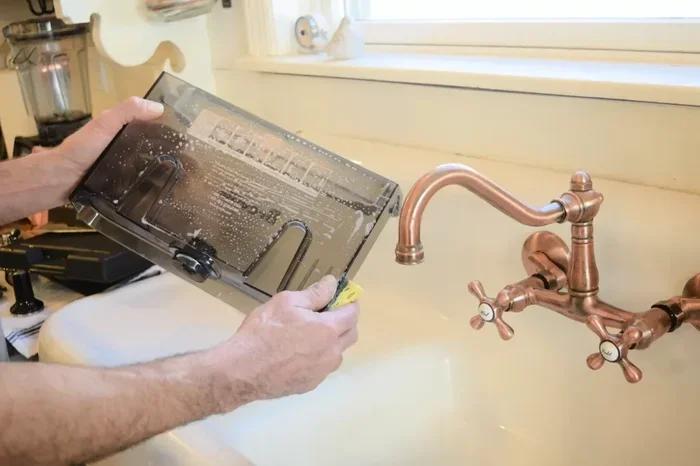
- Empty and rinse the drip tray after every use.
- Remove and wash the coffee filter basket with warm soapy water.
- Wipe the coffee outlet and group head with a damp cloth.
- Run a descaling cycle every 2 to 3 months using Delonghi descaling solution.
- Clean the steam wand after each milk-based drink.
Regular cleaning prevents coffee residue from building up and keeps your machine running smoothly. This alone can solve many cases of bitter coffee.
Descale Your Machine
Mineral buildup from hard water is a hidden cause of bitter coffee. Limescale inside the boiler and pipes affects water flow and temperature. This means your coffee does not brew at the right conditions, leading to over-extraction and bitterness.
Descaling removes this mineral buildup. Use a Delonghi-approved descaling solution or a mix of white vinegar and water. Run the descaling cycle according to the instructions in your manual. After descaling, run two to three clean water cycles to flush out any solution or vinegar taste.
Most Delonghi machines have a descaling indicator light. When it comes on, do not ignore it. Descaling at the right time keeps your coffee tasting fresh and prevents bitterness.
Use the Right Coffee Amount
Measure your coffee carefully. Too much coffee in the filter causes the water to slow down and over-extract. Use a measuring spoon or a small kitchen scale for accuracy.
For a standard cup of drip coffee, use about 1 to 2 tablespoons of ground coffee per 6 ounces of water. For espresso, use the single or double shot filter basket that came with your machine and fill it level to the top without packing it down too hard.
Adjust Machine Settings
Many modern Delonghi machines have settings for coffee strength, temperature, and cup size. If your machine has a strength control, try turning it down. A lower strength setting usually means less extraction time and a smoother cup.
Also check the temperature setting if your model has one. Lowering it slightly can reduce bitterness without sacrificing flavor. Experiment with small changes and taste the results each time.
Try a Medium Roast Bean
If you have been using dark roast, switch to medium roast for a few days. The difference can be dramatic. Medium roast beans have a natural sweetness that balances out any bitterness. They work especially well in Delonghi machines because the brewing temperature and pressure extract their flavors evenly.
You do not need to buy expensive beans either. Many affordable medium roast brands taste great in Delonghi machines. Look for beans labeled “medium roast” or “medium-dark roast” for the best results.
Maintenance Tips to Prevent Bitter Coffee
Prevention is always better than cure. A well-maintained Delonghi machine brews clean, smooth coffee every time. Here are the maintenance habits that keep bitter coffee away for good.
Daily Cleaning Habits
Spend two minutes after each use cleaning your machine. Remove the used coffee grounds, rinse the filter basket, and wipe down the exterior. This simple habit stops coffee oils from building up and turning rancid.
Also empty the drip tray regularly. Old coffee spills and residue in the tray can affect the taste of your next brew. A clean machine is a happy machine.
Weekly Deep Cleaning
Once a week, give your machine a deeper clean. Remove any removable parts and wash them with warm water and mild soap. Use a soft brush to clean the group head and coffee outlet. This removes buildup that daily rinsing misses.
For Delonghi espresso machines, purge the steam wand after each use and clean the steam tip weekly. Milk residue left in the wand can go bad and affect the taste of your coffee.
Monthly Descaling
Descale your machine every month if you live in a hard water area. If you have soft water, every two to three months is usually fine. Check your user manual for the recommended schedule for your specific model.
Descaling is not just about taste. It also protects the internal parts of your machine from damage caused by mineral buildup. A well-descaled machine lasts longer and brews better coffee.
Replace Filters and Parts
Over time, coffee filters, gaskets, and seals wear out. Old filters can let fine grounds pass through, causing a gritty and bitter cup. Replace filters regularly and check seals for cracks or wear.
Delonghi sells replacement parts for all their machines. Using genuine Delonghi parts ensures the best fit and performance. Cheap aftermarket parts may not seal properly and can affect your coffee quality.
Choosing the Right Coffee for Your Delonghi Machine
The coffee you put into your machine matters just as much as how you maintain it. Choosing the right beans and grind can prevent bitterness before it starts.
Best Coffee Beans for Delonghi Machines
Medium roast beans are the safest choice for most Delonghi models. They have a balanced flavor profile with natural sweetness and low bitterness. If you like stronger coffee, try a medium-dark roast. It gives you bold flavor without the harsh bite of a dark roast.
Look for beans that are specifically labeled for espresso if you use a Delonghi espresso machine. These blends are designed to work well with the high pressure and temperature of espresso brewing.
Freshness Matters
Buy coffee beans in small quantities and use them within two to four weeks of the roast date. Store them in an airtight container away from light and heat. Never store beans in the fridge, as moisture and odors can ruin the flavor.
Fresh beans produce a rich crema on espresso and a smooth, full flavor in drip coffee. This is one of the easiest ways to improve your coffee and avoid bitterness.
Grind Fresh When Possible
Pre-ground coffee loses flavor quickly. If you have a burr grinder at home, grind your beans just before brewing. This gives you the freshest possible coffee and lets you control the grind size for your Delonghi machine.
Even a basic blade grinder makes a noticeable difference compared to pre-ground coffee. The freshness alone can reduce bitterness and improve the overall taste of your cup.
When to Seek Professional Help
Most cases of bitter coffee can be fixed at home with the tips above. But sometimes the problem is deeper than a simple adjustment. Here are signs that your Delonghi machine needs professional attention.
If you have cleaned your machine thoroughly, adjusted the grind, used fresh beans, and followed all the tips in this guide, but your Delonghi coffee machine coffee still tastes bitter, the machine itself may be faulty. A failing pump can change the water pressure and cause over-extraction. A broken thermostat can send water at the wrong temperature.
Contact Delonghi customer support or a certified repair technician if you notice any of these signs:
- Your machine makes unusual noises during brewing
- The coffee comes out at inconsistent temperatures
- Water flow is suddenly much slower or faster than usual
- Your machine is more than five years old and has never been serviced
- Bitter coffee persists even after descaling and deep cleaning
A professional can diagnose internal issues that are not visible from the outside. Sometimes a simple part replacement fixes the problem and brings your coffee back to the way it should taste.
Quick Tips to Fix Bitter Delonghi Coffee Right Now
Short on time? Here are the fastest fixes you can try right now:
- Use coarser grounds – this is the single fastest fix for over-extraction
- Run a blank water cycle – this flushes out stale water and excess heat
- Clean the filter basket – old grounds stuck in the basket cause off flavors
- Use fewer coffee grounds – less coffee means less over-extraction
- Switch to medium roast beans – instant improvement in flavor balance
- Check the water temperature – let the machine heat up fully before brewing
Try these fixes one at a time and taste the results. You will likely find that just one or two changes make your Delonghi coffee machine coffee taste better immediately.
Conclusion
Bitter coffee from your Delonghi machine is frustrating, but it is almost always fixable. The most common causes are grind size, water temperature, brewing time, and machine maintenance. By adjusting these factors and keeping your machine clean, you can enjoy smooth, delicious coffee every single morning.
Remember to use fresh, quality beans and measure your coffee carefully. Clean your machine regularly and descale it on schedule. If the problem still does not go away, check for mechanical issues or seek professional help.
Your Delonghi coffee machine coffee tastes bitter for a reason, and that reason is almost always something you can fix. Start with the tips in this guide and you will be sipping smooth, balanced coffee in no time. Do not let bitter coffee ruin your morning routine. Take action today and taste the difference a few simple changes can make.
Frequently Asked Questions
Why does my Delonghi coffee machine coffee taste bitter even after cleaning?
The most likely cause is your grind size or coffee bean quality. Try using a coarser grind and switching to fresh medium roast beans. If the problem continues, check your water temperature and brewing time settings on your machine.
How often should I descale my Delonghi machine to prevent bitter coffee?
Descale every 2 to 3 months for most users. If you live in a hard water area, descale monthly. Check your machine manual for the specific recommendation for your model.
Can the type of coffee bean cause bitter coffee in my Delonghi machine?
Yes, absolutely. Dark roast beans are more bitter than medium or light roasts. Stale beans also taste more bitter. Switch to fresh medium roast beans and see if your coffee improves significantly.
What grind size is best for Delonghi espresso machines?
A fine grind similar to table salt works best for Delonghi espresso machines. If your coffee tastes bitter, try going one setting coarser. The grind should not be as fine as powder, which causes over-extraction.
Does water temperature really affect coffee bitterness?
Yes, water that is too hot burns the coffee grounds and pulls out bitter oils. The ideal brewing temperature is between 195 and 205 degrees Fahrenheit. If your machine runs too hot, it will produce bitter coffee consistently.
When should I call a repair technician for my Delonghi machine?
Call a technician if bitter coffee persists after trying all the home fixes, if your machine makes unusual noises, or if water flow and temperature seem inconsistent. These signs point to internal mechanical issues that need professional diagnosis.
=== SEO TITLE ===
Why Your Delonghi Coffee Machine Coffee Tastes Bitter
=== META TITLE ===
Why Delonghi Coffee Machine Coffee Tastes Bitter (Fix It Now)
=== URL SLUG ===
/delonghi-coffee-machine-coffee-tastes-bitter