How Long To Cook Bread In Oven At 350 For Perfect Results
How long to cook bread in oven at 350 depends on the type of bread, loaf size, and whether you use a pan or bake free-form. Most standard loaves take between 30 and 40 minutes to bake at 350°F, reaching a golden crust and an internal temperature of 190°F to 210°F. Knowing the right bake time and a few simple tricks will help you achieve bakery-quality results every single time.
There is something truly special about pulling a warm loaf of homemade bread out of the oven. The smell fills your kitchen, the crust turns golden brown, and you know you have created something wonderful from just a few simple ingredients. But here is the question almost every home baker asks: how long to cook bread in oven at 350 degrees Fahrenheit? The answer is not always as simple as you might think.
Baking bread at 350°F is one of the most popular methods for homemade loaf baking. It works beautifully for sandwich bread, dinner rolls, banana bread, and many artisan bread styles too. Whether you are a complete beginner or someone who has been baking for years, understanding the right bread baking time at this temperature can make all the difference between a dense, underbaked brick and a light, airy loaf with a gorgeous crusty bread exterior. In this guide, we will walk you through everything you need to know.
Key Takeaways
- Standard Bake Time: Most loaves bake in 30 to 40 minutes at 350°F, but enriched doughs may need extra time.
- Internal Temperature Matters: Always check that your bread reaches 190°F to 210°F for the perfect crumb.
- Pan vs. Free-Form: Loaves in pans bake slightly faster than free-form artisan-style breads.
- Oven Spring Is Key: The first 10 to 15 minutes of baking are when your bread rises the most.
- Let It Cool: Always rest your bread on a cooling rack for at least 15 minutes before slicing.
- Smaller Loaves Bake Faster: Rolls and mini loaves may be done in 20 to 25 minutes.
- Use a Thermometer: A simple instant-read thermometer removes all guesswork from bread baking.
📑 Table of Contents
- How Long To Cook Bread In Oven At 350: The Complete Guide
- What Affects Bread Baking Time at 350°F
- Step-by-Step: Baking Bread at 350 Degrees
- Quick Tips for Perfectly Baked Bread at 350°F
- Common Mistakes When Baking Bread at 350°F
- How to Tell When Your Bread Is Done
- Storing Your Fresh Baked Bread
- Key Takeaways
- Conclusion
How Long To Cook Bread In Oven At 350: The Complete Guide
The short answer is that most standard yeast bread loaves take about 30 to 40 minutes to bake at 350°F. However, the bread baking time can vary quite a bit depending on several factors. A small roll might be done in 20 minutes, while a large enriched loaf like challah could need 45 minutes or more.
When you bake bread in oven at 350 degrees, the heat works in two important ways. First, it kills the yeast cells, which stops the bread dough rise during baking. Second, it triggers the Maillard reaction, which is the chemical process that creates that beautiful golden-brown crusty bread exterior. Both of these processes need time to work properly, and rushing them will affect your final result.
Here is a quick reference for common bread types baked at 350°F:
- Basic sandwich bread: 30 to 35 minutes
- Dinner rolls: 20 to 25 minutes
- Artisan free-form loaf: 35 to 45 minutes
- Banana bread or quick bread: 50 to 60 minutes
- Enriched bread (brioche, challah): 35 to 45 minutes
- Small mini loaves: 20 to 25 minutes
- Focaccia or flatbread: 20 to 30 minutes
These times are starting points. Your actual bread baking time will depend on your specific oven, the size of your loaf, and the ingredients you used. Always use the internal temperature as your most reliable guide.
What Affects Bread Baking Time at 350°F
Not all loaves come out of the oven at the same speed. Several factors play a role in determining how long your bread in oven at 350 needs to bake. Understanding these variables will help you become a more confident and consistent baker.
Loaf Size and Shape
The size of your homemade loaf is one of the biggest factors. A standard 9×5 inch loaf pan holds about 12 ounces of dough and typically bakes in 30 to 35 minutes. A larger free-form loaf that weighs two pounds or more may need 40 to 45 minutes. Smaller rolls and buns bake much faster because there is less mass for the heat to penetrate.
Shape also matters. A round boule exposes more surface area to heat than a tall loaf in a pan. This means round breads can develop a thicker crusty bread exterior faster while the inside catches up.
Dough Composition
The ingredients in your homemade bread recipe significantly affect baking time. Simple doughs made with flour, water, salt, and yeast bake relatively quickly. Enriched doughs that contain butter, eggs, milk, or sugar take longer because these ingredients insulate the dough and slow down heat transfer.
Here is a comparison of how different dough types affect bread baking time at 350°F:
| Dough Type | Typical Bake Time | Why It Differs |
|---|---|---|
| Lean dough (basic white bread) | 30 to 35 minutes | No fat or sugar to slow heat transfer |
| Enriched dough (brioche, challah) | 35 to 45 minutes | Butter and eggs insulate the dough |
| Whole grain dough | 35 to 40 minutes | Heavier texture holds more moisture |
| Quick bread (banana, zucchini) | 50 to 60 minutes | Dense, moist batter needs more time |
| Rolls and buns | 20 to 25 minutes | Small size allows fast, even baking |
Oven Accuracy and Hot Spots
Many home ovens run hotter or cooler than the dial says. An oven that runs 25 degrees hot will bake your bread faster but may burn the outside before the inside is done. An oven that runs cool will need extra time. Using an oven thermometer is one of the best bread baking tips you can follow.
Hot spots are another issue. Most ovens have areas that are hotter than others, which can cause uneven golden brown bread color. Rotating your loaf halfway through baking helps ensure even cooking on all sides.
Altitude and Humidity
Living at high altitude affects bread baking temperature and timing. At higher elevations, lower air pressure causes bread to rise faster and lose moisture more quickly. Bakers above 3,000 feet often need to adjust their time and sometimes their temperature slightly.
Humidity in your kitchen and ingredients also plays a role. Wet dough or a humid kitchen environment can add a few minutes to your bread baking time at 350°F.
Step-by-Step: Baking Bread at 350 Degrees
Now that you understand the timing, let us walk through the actual process of baking bread at 350 degrees so you can put this knowledge into practice.
Step 1: Prepare Your Dough
Start by preparing your bread dough according to your recipe. Make sure your dough has risen properly before baking. A well-risen dough will have doubled in size and will spring back slowly when you poke it gently with your finger. This bread dough rise step is essential for good oven spring, which is the final burst of rising that happens when the dough hits the hot oven.
Take your dough out of the refrigerator or bowl and shape it into the form you want. Place it in a greased loaf pan or on a lined baking sheet if you are going for a free-form artisan bread look.
Step 2: Preheat Your Oven
Preheat your oven to 350°F well before your bread is ready. Give your oven at least 20 to 30 minutes to reach the correct bread baking temperature. Many people make the mistake of putting bread in a lukewarm oven, which leads to poor rise and uneven baking.
Place your oven rack in the center position. This gives your homemade loaf the most even heat distribution from top, bottom, and sides.
Step 3: Score the Dough (For Free-Form Loaves)
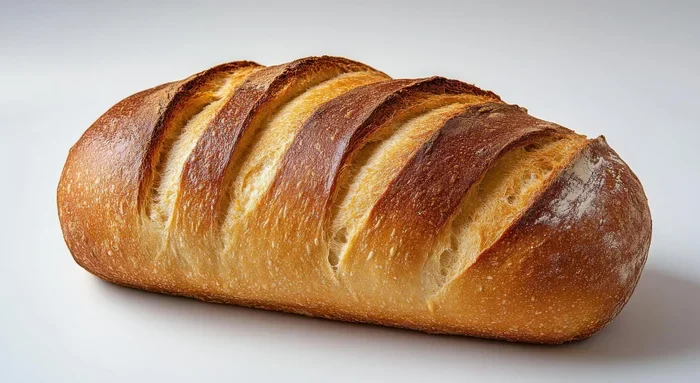
If you are baking a free-form loaf, use a sharp knife or razor blade to make shallow slashes on top of the dough. This step, called scoring, controls where the bread splits during baking and allows steam to escape. It also looks beautiful and is a hallmark of artisan bread.
Step 4: Bake and Monitor
Place your shaped dough in the preheated oven and set your timer. For the first 10 to 15 minutes, resist the urge to open the oven door. Opening the door lets out heat and can collapse your loaf during the critical bread oven spring phase.
After 15 minutes, you can start checking your bread. Look for a golden brown bread color on top and sides. If the top is browning too fast, loosely tent a piece of aluminum foil over the loaf.
Step 5: Check Internal Temperature
This is the most important step for perfect bread baking results. Insert an instant-read thermometer into the center of the loaf. You are looking for an internal temperature between 190°F and 210°F. Lean breads like sourdough and baguettes are done at the higher end, around 205°F to 210°F. Softer enriched breads are done closer to 190°F to 195°F.
If the bread is not yet at the right temperature, return it to the oven for 5-minute intervals, checking each time.
Step 6: Cool Properly
Remove your oven-baked bread from the oven and turn it out onto a wire bread cooling rack. Let it cool for at least 15 to 20 minutes before slicing. Cutting into hot bread releases steam and can make the crumb gummy. Patience here pays off with a better texture and flavor.
Quick Tips for Perfectly Baked Bread at 350°F
Here are some bread baking tips that experienced bakers swear by:
- Use an oven thermometer: Your oven dial is not always accurate. A cheap oven thermometer takes the guesswork out of baking bread at 350 degrees.
- Add steam for crusty bread: Place a pan of water on the bottom rack of your oven during the first 10 minutes of baking. This creates steam that helps develop a crispy, crusty bread exterior.
- Brush with butter or oil: Brushing the top of your loaf with melted butter right after baking adds shine and flavor to the crust.
- Do not over-knead: Overworked bread dough can become tight and dense, which affects how evenly it bakes at 350°F.
- Let dough rest at room temperature: Cold dough straight from the fridge needs extra time to bake through. Let it warm up for 20 to 30 minutes before baking.
- Rotate your pan: Turn your loaf pan 180 degrees halfway through baking to account for oven hot spots.
- Use parchment paper: Lining your loaf pan with parchment paper prevents sticking and promotes even browning on the bottom.
Expert Insight: The Role of Crust Development
Expert bakers know that the crust and the crumb of your bread are connected. A thick, well-developed crusty bread shell actually helps the inside bake more evenly. This is why scoring, steam, and proper oven temperature all work together to create the perfect loaf. When you bake bread in oven at 350°F, you are not just cooking the inside, you are carefully crafting the exterior as well.
Common Mistakes When Baking Bread at 350°F
Even experienced bakers sometimes make mistakes that affect their bread baking time and results. Here are the most common errors and how to avoid them.
Opening the Oven Door Too Early
This is the number one mistake home bakers make. Opening the oven door during the first 10 to 15 minutes releases heat and can cause your loaf to collapse. The bread oven spring phase is delicate, and your dough needs consistent heat to rise properly. Trust the process and keep the door closed until the minimum time has passed.
Using the Wrong Pan Size
Using a pan that is too large or too small throws off your bread baking time at 350°F. A loaf that is too small in a large pan will bake too fast on the outside while staying raw inside. A loaf that is too large in a small pan will overflow and bake unevenly. Stick to the pan size recommended in your homemade bread recipe.
Skipping the Internal Temperature Check
Relying on color alone to judge doneness is unreliable. A loaf can look perfectly golden brown bread on the outside but still be underbaked in the center. An instant-read thermometer is the only way to know for sure. Make it a habit to check every time you cook bread in oven at 350.
Not Letting Bread Cool Before Slicing
It is tempting to cut into a warm loaf right away, but this is a mistake. The inside of your bread is still cooking as it cools. Cutting too early releases steam and results in a gummy, dense texture. Use a bread cooling rack and give your fresh baked bread at least 15 to 20 minutes of rest.
Overcrowding the Oven
If you are baking multiple loaves or baking bread alongside other dishes, you may be overcrowding the oven. Crowding blocks airflow and creates uneven bread baking temperature zones. Bake one or two loaves at a time for the best results.
How to Tell When Your Bread Is Done
Knowing when your bread in oven at 350 is fully baked is a skill that improves with practice. Here are the signs to look for:
- Color: The top and sides should be a deep golden brown bread color. If it looks pale, it probably needs more time.
- Sound test: Tap the bottom of the loaf with your knuckles. It should sound hollow. A dull thud means the inside is still wet.
- Internal temperature: As mentioned above, aim for 190°F to 210°F depending on the type of bread.
- Weight: A fully baked loaf feels lighter than an unbaked one because moisture has evaporated during baking.
- Smell: A fully baked homemade loaf smells fragrant and toasty throughout your kitchen.
Using all five of these checks together gives you the most reliable way to determine bread baking time without relying on a single method alone.
Storing Your Fresh Baked Bread
Once you have mastered how long to cook bread in oven at 350, you will want to keep your bread fresh. Here are some simple storage tips:
- Room temperature: Store oven-baked bread in a bread bag or wrapped in a clean kitchen towel for up to 3 days. This keeps the crust crispy.
- Freezing: Slice your loaf, wrap it tightly in plastic wrap, and freeze for up to 3 months. Toast slices straight from the freezer for fresh-tasting bread anytime.
- Never refrigerate: Refrigerating bread actually speeds up staling. Always store at room temperature or freeze for long-term storage.
- Reheating: Warm stale bread in a 350°F oven for 5 to 10 minutes to refresh the crust and soften the crumb.
Key Takeaways
- Standard Bake Time: Most loaves bake in 30 to 40 minutes at 350°F, but enriched doughs may need extra time.
- Internal Temperature Matters: Always check that your bread reaches 190°F to 210°F for the perfect crumb.
- Pan vs. Free-Form: Loaves in pans bake slightly faster than free-form artisan-style breads.
- Oven Spring Is Key: The first 10 to 15 minutes of baking are when your bread rises the most.
- Let It Cool: Always rest your bread on a cooling rack for at least 15 minutes before slicing.
- Use a Thermometer: A simple instant-read thermometer removes all guesswork from bread baking.
Conclusion
How long to cook bread in oven at 350 is a question with a range of answers, and that is exactly what makes bread baking both an art and a science. Most standard loaves need 30 to 40 minutes, but your specific results will depend on your dough, your pan, your oven, and your personal preferences. The key is to pay attention, use a thermometer, and trust the process.
Once you understand the principles behind bread baking time at 350°F, you can confidently bake any style of bread. From a simple sandwich loaf to an impressive artisan bread with a crackling crusty bread exterior, the 350°F method delivers consistent, delicious results. Start with the basics, practice your technique, and soon you will be pulling fresh baked bread out of your oven like a professional baker.
Remember that every loaf you bake teaches you something new. Pay attention to how your dough behaves, how your oven performs, and how the golden brown bread develops. Over time, you will develop an intuition for the perfect bread baking temperature and timing. So preheat that oven, prepare your bread dough, and enjoy the wonderful experience of baking bread at 350 degrees in your own kitchen.
The best homemade bread recipe is the one you bake with confidence. Now you have the knowledge to bake with confidence. Happy baking!
Frequently Asked Questions
Can I bake bread at 350°F instead of a higher temperature?
Yes, 350°F is a great temperature for most homemade bread recipes. Lower temperatures like 350°F produce a more even bake and are harder to overcook. Higher temperatures are often used for artisan bread with a very crispy crust, but 350°F works wonderfully for sandwich loaves, rolls, and enriched breads.
How do I know if my bread is done without a thermometer?
You can check doneness by looking for a deep golden brown bread color, tapping the bottom for a hollow sound, and checking that the loaf has pulled away slightly from the sides of the pan. However, an instant-read thermometer is the most reliable tool for checking bread internal temperature.
Why did my bread turn out dense when baked at 350°F?
A dense oven-baked bread can result from several issues. The dough may not have risen enough before baking, the yeast may have been inactive, or the bread may not have baked long enough. Make sure your bread dough rise is complete and always check the internal temperature to confirm doneness.
Should I use a loaf pan or bake free-form at 350°F?
Both methods work well at 350°F. A loaf pan gives you a uniform shape and protects the edges from over-browning. Free-form baking creates a crusty bread exterior with more surface area. Your choice depends on the type of bread you want to make and your personal preference.
How long should I let my bread cool before slicing?
Let your fresh baked bread cool on a wire bread cooling rack for at least 15 to 20 minutes. Cutting too early releases steam and makes the crumb gummy. If you can wait a full 30 minutes, even better.
Can I bake frozen bread dough at 350°F?
Yes, you can, but you will need to add extra time. Frozen dough may need an additional 10 to 15 minutes at 350°F. Let the dough thaw slightly at room temperature for 15 minutes before baking if possible, as this promotes better bread oven spring and more even baking.