How To Warm Up Crabs In The Oven For Delicious Results
Warming up crabs in the oven is the best way to reheat leftover seafood without drying it out. This simple method uses gentle heat and moisture to keep your crab meat tender and full of flavor. Whether you have crab legs, whole crabs, or crab clusters, following the right oven temperature and timing makes all the difference. You will learn exactly how to prep, wrap, and warm your leftover crab like a pro.
Warming up crabs in the oven might seem simple, but there is a real art to getting it right. Too much heat and your crab meat turns rubbery and dry. Too little time and it stays cold in the middle. I have tried many methods over the years, and the oven has always been my go-to for a reason. It gives you control, it keeps things even, and it brings back that just-cooked flavor beautifully.
Whether you have leftover crab legs from a weekend feast or a whole steamed crab from last night’s dinner, this guide covers everything you need. You will learn the best oven temperature, the right tools to use, and simple tricks that make your reheated seafood taste almost as good as the first time around. Let us dive in and make sure every bite is worth it.
Key Takeaways
- Low and slow heat wins: Warming crabs at 300-350°F keeps the meat moist and prevents rubbery texture.
- Moisture is essential: Using broth, water, or butter inside the dish adds steam and flavor during reheating.
- Always use foil or a lid: Trapping steam with aluminum foil helps heat the crab shells evenly without overcooking.
- Check internal temperature: Your crab meat should reach 165°F for safe eating and optimal warmth.
- Thaw frozen crabs first: Never reheat frozen crab directly in the oven — always thaw it in the fridge overnight.
- Add fresh butter or seasoning: A little melted butter or lemon juice after reheating brings back the fresh-off-the-steam-belt taste.
- Timing matters: Most crabs need only 10-20 minutes in the oven, depending on size and type.
📑 Table of Contents
- Why Warming Crabs In The Oven Is The Best Method
- What You Need Before You Start
- Step-by-Step Guide To Warming Crabs In The Oven
- Tips For Perfectly Warmed Crab Every Time
- Common Mistakes To Avoid When Reheating Crab
- How To Tell When Your Crab Is Perfectly Warmed
- How To Warm Up Different Types Of Crab In The Oven
- Comparison: Best Methods For Warming Crab
- Serving Suggestions For Warmed Crab
- Storing Leftover Crab Properly
Why Warming Crabs In The Oven Is The Best Method
When it comes to reheating crab legs and other seafood, the oven stands above the microwave and the stovetop for one big reason — it heats things evenly. Microwaves create hot spots that can turn your crab meat into a rubbery mess in seconds. The oven wraps your crab shells in gentle, consistent warmth that preserves moisture and texture.
Another big advantage is flexibility. With the oven, you can add butter, broth, or herbs to create steam inside the dish. This moist heat method is exactly what crab meat needs to stay tender. Steamed crabs and baked crabs both respond beautifully to this approach because the oven mimics the steaming environment without direct contact with water.
The oven also lets you warm large quantities at once. If you are feeding a family or a group of friends, you can fit multiple crab clusters on a single baking sheet or in a deep dish. This makes it the most practical option for warming seafood after a party or a holiday meal.
The Science Behind Warming Crab Meat
Crab meat is delicate protein. When you expose it to high, direct heat, the proteins tighten and squeeze out moisture. That is why microwaved crab legs often feel tough and dry. The oven works differently. It uses indirect, surrounding heat that warms the crab shells gradually. The steam created by added liquid then penetrates the meat gently, keeping it juicy.
This is the same principle behind professional seafood warming techniques used in restaurants. Chefs know that low heat plus moisture equals the best results for any seafood oven method. You do not need a fancy kitchen to apply this science — just a regular home oven and a little patience.
What You Need Before You Start
Essential Tools
- Oven-safe baking dish or deep pan: A glass or ceramic dish works great for holding crab legs or whole crabs upright.
- Aluminum foil: This is your best friend for trapping steam and keeping moisture locked in during the warming seafood process.
- Liquid for steaming: Use water, crab broth, or melted butter. Each adds a different layer of flavor to your leftover crab.
- Oven mitts or heat-resistant gloves: The dish will be hot when you take it out of the oven.
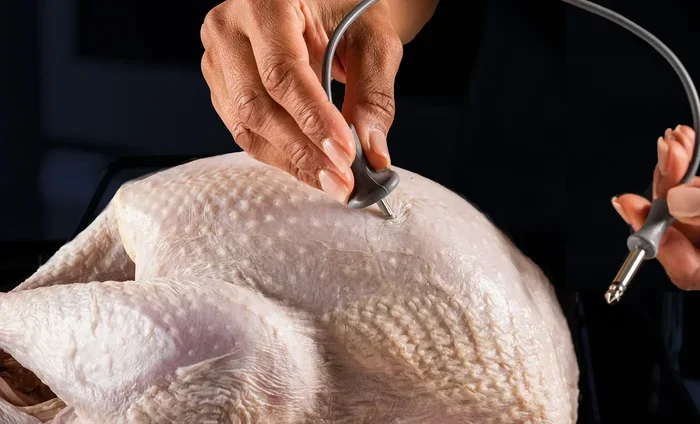
- A meat thermometer: This helps you check the internal temperature of the crab meat to make sure it is perfectly warm and safe to eat.
Ingredients That Boost Flavor
While plain reheated crab meat tastes good on its own, a few simple additions take it to the next level. Melted butter is the classic pairing — it adds richness and helps the crab shells crisp up slightly at the edges. A squeeze of fresh lemon juice brightens the flavor and cuts through any heaviness. Old bay seasoning or a pinch of cayenne pepper gives your reheated crab legs a little kick that feels brand new.
If you are working with steamed crabs, a splash of white wine or garlic-infused broth inside the dish adds a restaurant-quality depth of flavor. These small touches make a huge difference, especially if your leftover crab has been sitting in the fridge for a day or two.
Step-by-Step Guide To Warming Crabs In The Oven
Here is the core of this guide — the exact process for getting perfectly warm crab meat every single time. Follow these steps and you will never have dry, disappointing reheated crab legs again.
Step 1: Preheat Your Oven
Set your oven to 300°F to 350°F. This low oven temperature is the key to gentle, even reheating. Higher temperatures will cook the outer layers of crab meat too fast while leaving the center cold. A moderate heat gives the warmth time to travel through the crab shells and reach the meat inside without overcooking it.
While the oven is heating up, take your leftover crab out of the refrigerator. Letting it sit at room temperature for about 10 minutes helps it warm more evenly once it goes into the oven.
Step 2: Prepare Your Baking Dish
Place your crab legs or crab clusters into the oven-safe dish. If you have whole crabs, place them on their backs with the top shell facing up. Pour about one to two tablespoons of broth, water, or melted butter into the bottom of the dish. This liquid creates steam as it heats, which is what keeps your crab meat moist during the seafood warming process.
Do not skip this step. Adding liquid is the single biggest difference between good reheated crab and great reheated crab. The steam penetrates the shells and gently warms the meat from the outside in.
Step 3: Wrap With Aluminum Foil
Cover the dish tightly with aluminum foil. Seal the edges by folding them over the rim of the dish. This creates a steam trap that holds moisture and heat inside. The trapped steam does the heavy lifting — it surrounds the crab shells with gentle warmth and prevents the crab meat from drying out.
If you prefer a slightly crispier exterior on your crab legs, you can skip the foil for the last 3-5 minutes of cooking. This lets the surface dry out just enough to get a light golden finish while keeping the inside moist.
Step 4: Place In The Oven And Set The Timer
Put the covered dish on the middle rack of your oven. Set a timer for 10 to 15 minutes for crab legs and 15 to 20 minutes for whole crabs or large crab clusters. The size and thickness of the crab meat determines how long it needs. Thicker crab claws may need a few extra minutes compared to thin crab legs.
Resist the urge to open the foil too early. Every time you peek, you release steam and lower the temperature inside the dish. Let the oven do its work undisturbed for most of the heating time.
Step 5: Check The Temperature And Serve
After the timer goes off, carefully remove the dish from the oven using oven mitts. Peel back the foil slowly — watch out for the steam that escapes. Use your meat thermometer to check the internal temperature of the thickest part of the crab meat. It should read 165°F for safe eating.
If it is not quite warm enough, re-cover the dish and add 3-5 more minutes. Once the crab meat reaches the right temperature, remove the foil, drizzle with fresh butter or a squeeze of lemon, and serve immediately. Warmed crab tastes best when it is served right away while it is still steaming and fragrant.
Tips For Perfectly Warmed Crab Every Time
Getting great results every time comes down to a few simple habits. These tips are based on years of testing and real kitchen experience with crab reheating and seafood oven techniques.
Always Thaw Frozen Crab Before Reheating
If your crab legs or crab clusters were frozen, thaw them in the refrigerator overnight before reheating. Never put frozen crab meat directly into the oven. The outside will overcook while the inside stays frozen, leading to uneven texture and potential food safety issues. Thawing slowly in the fridge keeps the crab shells and crab meat intact and ready for even warming seafood in the oven.
Do Not Overcrowd The Dish
Give your crab legs some space in the oven-safe dish. Overcrowding blocks steam circulation and creates cold spots. If you have a lot of leftover crab, use two dishes or reheat in batches. A single layer of crab clusters with room between each piece gets the most even heat distribution.
Add Fresh Flavor After Reheating
Reheating can dull the natural sweetness of crab meat. Add a fresh pat of butter, a squeeze of lemon, or a sprinkle of Old Bay seasoning right after taking the dish out of the oven. This final touch wakes up the flavor and makes your reheated crab legs taste vibrant and alive again.
Use A Wire Rack For Extra Crispiness
For an extra step that takes your oven-baked crab to the next level, place a wire cooling rack inside your baking dish and set the crab legs on top. This allows steam to circulate underneath and prevents the bottom of the crab shells from sitting in liquid. The result is crab meat that is warm and juicy throughout with a slightly firmer, more appealing texture.
Common Mistakes To Avoid When Reheating Crab
Even with the best intentions, it is easy to make mistakes when warming crabs in the oven. Here are the most common errors and how to avoid them.
Using Too High A Temperature
The biggest mistake people make is cranking the oven up to 400°F or higher because they are in a hurry. High heat zaps the moisture out of crab meat faster than you can say “rubbery.” Stick to the low oven temperature of 300-350°F and give it the time it needs. Patience is the secret ingredient in great reheated crab.
Skipping The Liquid
Reheating crab legs dry in the oven without any broth or butter is a recipe for disappointment. The crab meat will lose moisture and become tough. Always add at least a tablespoon of liquid to the bottom of your dish. The steam this creates is what protects the delicate texture of your leftover crab.
Overcooking The Crab
More time does not mean better results when it comes to crab meat. Overcooked crab legs become chewy and lose their sweet, delicate flavor. Set your timer and check the internal temperature early. If the crab meat is already at 165°F, take it out — even if the timer has not gone off yet.
Forgetting To Let The Crab Rest
Once your crab meat reaches the right temperature, let the dish sit covered for 2-3 minutes before serving. This brief rest allows the heat to distribute evenly through the crab shells and every piece of crab meat. It is a small step that makes a noticeable difference in the final result.
How To Tell When Your Crab Is Perfectly Warmed
Knowing when your leftover crab is ready comes down to a few clear signs. You do not need to be a chef to tell when crab meat has been warmed properly in the oven.
First, look at the crab shells. They should feel hot to the touch and may have a slight sheen of moisture or melted butter on the surface. The crab meat inside should look glossy and feel tender when you pull a leg away from the cluster.
Second, use your nose. Properly reheated seafood smells fresh and briny with a hint of butter or whatever seasoning you added. If it smells fishy or off, something went wrong with the original storage or the reheating process.
Third, use a meat thermometer. Insert it into the thickest part of the crab meat. 165°F is the target. If you do not have a thermometer, pull a crab leg off and bite into the meat gently. It should feel warm throughout with a tender, almost melt-in-your-mouth texture. If it feels cool in the center, give it another 3-5 minutes in the oven.
Finally, trust your taste buds. Perfectly warmed crab legs should taste sweet, buttery, and fresh. If the flavor feels flat, add a little more butter and lemon juice and serve with dipping sauce to bring it back to life.
How To Warm Up Different Types Of Crab In The Oven
Not all crab is the same, and different types need slightly different approaches. Here is how to handle the most common varieties you will find in your kitchen.
King Crab Legs
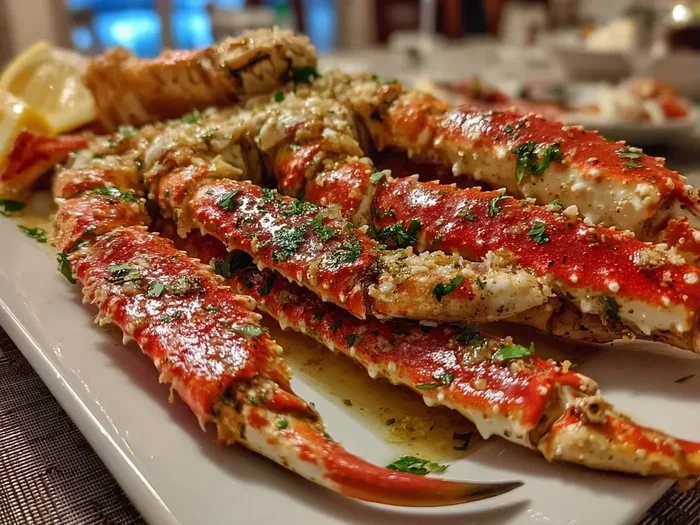
King crab legs are thick and meaty, which means they need a bit more time to warm through. Follow the standard process but add 2-3 extra minutes to the reheating time. The high crab meat content in king crab legs means they benefit greatly from the broth or butter method. Wrap them well in foil and check the internal temperature in the thickest section.
Snow Crab Legs
Snow crab legs are thinner and more delicate than king crab. They warm up faster, so 8-12 minutes at 325°F is usually plenty. Because the crab meat in snow crabs is more fibrous, keeping the moisture high with broth or butter is especially important. Do not skip the liquid step.
Whole Blue Crabs
Warming a whole steamed crab in the oven requires a different setup. Place the crab in a deep dish with about half an inch of broth or water at the bottom. Cover tightly with foil and warm at 300°F for 15-20 minutes. Whole crabs retain more moisture than picked crab meat, but the shell takes longer to transfer heat to the meat inside.
Picked Crab Meat
If you have already picked crab meat out of the shells, the process is even faster. Place the meat in a small oven-safe bowl, add a teaspoon of butter or a splash of broth, cover with foil, and warm at 325°F for just 5-8 minutes. Picked crab meat dries out very quickly, so keep a close eye on it and do not walk away from the oven.
Comparison: Best Methods For Warming Crab
There are several ways to reheat crab legs and crab meat, but not all methods deliver the same quality. Here is how the oven compares to other popular options for warming seafood.
| Method | Best For | Moisture Level | Ease Of Use | Flavor Retention |
|---|---|---|---|---|
| Oven | Whole crabs, crab legs, clusters | High (with liquid) | Moderate | Excellent |
| Steamer | Whole crabs, thick legs | Very High | Easy | Very Good |
| Microwave | Quick small portions | Low to Medium | Very Easy | Poor |
| Sauté Pan | Picked crab meat, small batches | Medium | Moderate | Good |
| Boiling | Fresh (not leftover) crab | Very High | Easy | Good |
The oven wins for reheating leftover crab because it balances moisture, flavor, and convenience better than any other method. The microwave is faster but sacrifices texture badly. The steamer is great for fresh crab but less practical for reheating already-cooked crab legs. For most home cooks, the oven is the clear winner when it comes to reheating crab legs and whole crabs.
Serving Suggestions For Warmed Crab
Once your crab meat is perfectly warm, the way you serve it matters just as much as the reheating process. Here are some serving ideas that make your leftover crab feel like a brand-new meal.
Melted butter with a squeeze of lemon is the timeless pairing for crab legs. Set up a dipping station with garlic butter, cocktail sauce, and a small dish of lemon wedges. This gives everyone the chance to customize their plate and makes the meal feel special again.
For a more substantial meal, serve warmed crab legs over a bed of garlic butter noodles or alongside a fresh seafood salad. The warm crab meat pairs beautifully with cold, crisp vegetables. A side of corn on the cob and some Old Bay roasted potatoes completes the crab feast experience at home.
If you are keeping things light, pile the warm crab meat into a fresh roll with a little mayonnaise, chives, and a dash of Worcestershire sauce. This makes an excellent sandwich that highlights the natural sweetness of the crab without overwhelming it.
Storing Leftover Crab Properly
Proper storage is the first step in getting great results when you reheat your crab later. How you store your leftover crab directly affects how well it warms up in the oven.
Refrigerate any leftover crab meat within two hours of cooking. Place it in an airtight container or wrap the crab shells tightly with plastic wrap. Properly stored crab stays fresh in the fridge for up to three days. After that, the quality drops and the risk of spoilage increases.
If you need to store crab for longer, freezing is your best option. Wrap the crab legs or crab clusters tightly in plastic wrap followed by a layer of aluminum foil or a freezer bag. Frozen crab meat keeps well for up to three months. When you are ready to enjoy it again, thaw it in the fridge overnight and then follow the oven warming steps above.
Never refreeze crab that has already been thawed and reheated. This affects both the texture and the food safety of your seafood. Plan your portions wisely so you only reheat what you will eat in one sitting.
Frequently Asked Questions
Can I warm up crabs in the oven without foil?
Yes, you can, but the results will not be as good. Foil traps steam and keeps the crab meat moist during reheating. Without foil, the crab shells dry out faster and the crab meat can become tough. If you must skip the foil, add extra broth or butter to the dish and check the internal temperature more frequently to avoid overcooking.
How long can I keep leftover crab in the fridge before reheating?
Leftover crab stays safe and tasty in the refrigerator for up to three days. After that, the quality declines and the risk of foodborne illness increases. Always store your crab meat in an airtight container and reheat it only once for the best flavor and texture.
What is the best oven temperature for warming crab legs?
The sweet spot is between 300°F and 350°F. This low oven temperature warms the crab meat evenly without drying it out. Higher temperatures cause the outside to overcook before the inside reaches the right warmth, leaving you with uneven crab legs that are tough and rubbery.
Can I reheat crab that has been frozen?
Yes, but you must thaw it first. Always thaw frozen crab legs or crab clusters in the refrigerator overnight before placing them in the oven. Reheating frozen crab meat directly leads to uneven cooking and can compromise both the texture and the safety of your leftover crab.
Is it safe to eat reheated crab?
Absolutely, as long as you reheat the crab meat to an internal temperature of 165°F. Use a meat thermometer to verify this. Properly stored and reheated crab is safe to eat and tastes just as delicious as when it was first prepared.
What dipping sauces pair best with oven-warmed crab?
Melted butter with lemon is the classic choice. You can also try garlic aioli, cocktail sauce, mignonette sauce, or a simple mix of mayonnaise and Old Bay seasoning. These sauces complement the natural sweetness of warm crab meat and add extra flavor to your crab legs.
=== CONCLUSION ===
Warming up crabs in the oven is one of the easiest ways to enjoy delicious crab meat long after the original meal. With the right oven temperature, a little moisture, and some basic patience, you can transform leftover crab into a meal that tastes almost as good as the first time around.
Remember the key principles: keep the heat low, add liquid for steam, wrap with aluminum foil, and always check the internal temperature before serving. Avoid the common mistakes of using too much heat or skipping the moisture step, and your reheated crab legs will turn out perfectly every time.
Whether you are dealing with king crab legs, snow crab clusters, or a whole blue crab, this method works across the board. The oven gives you control, consistency, and the best flavor retention of any reheating method. So next time you have leftover crab in the fridge, do not hesitate — warm it up in the oven and enjoy a seafood meal that feels just as fresh and satisfying as the day you first cooked it.