400 Degree Baking Tips in Oven for Perfect Results
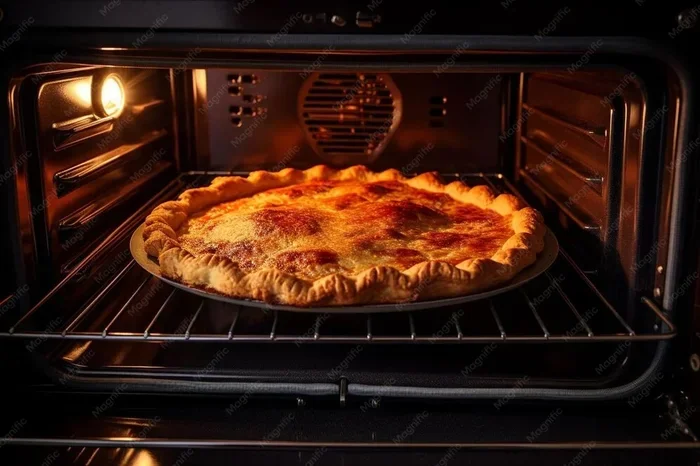
Baking at 400°F is a game-changer for achieving crispy edges and a golden crust on everything from vegetables to roasted chicken. These 400 degree baking tips in oven will help you get perfect results every time, whether you use a conventional or convection oven. You’ll learn the best rack positions, timing tricks, and common mistakes to avoid.
Baking at 400 degrees is one of the most versatile techniques in the kitchen. Whether you are roasting vegetables, baking chicken, or making pastries, this high heat delivers crispy edges and a beautiful golden crust in less time. The 400 degree baking tips in oven covered here will help you get perfect results every single time.
Many home bakers worry that high temperatures are tricky. But with a few simple adjustments, you can master high-heat baking and impress your family. I will walk you through rack placement, timing, and the best foods to try. By the end, you will feel confident cranking up your oven to 400°F.
Key Takeaways
- Use the middle rack: This position ensures hot air circulates evenly around your food for consistent browning.
- Preheat fully: A properly preheated oven is essential for achieving the right rise and crispy texture.
- Prepare your pan wisely: Parchment paper or a light-colored baking sheet prevents over-browning on the bottom.
- Know your oven type: Convection ovens need a temperature drop of about 25°F when baking at 400 degrees.
- Check doneness early: Start checking a few minutes before the recipe states to avoid drying out delicate items.
- Let food rest: Allowing baked goods to sit for a few minutes finishes the cooking and improves texture.
- Avoid overloading the pan: Leave space between pieces so steam can escape and crispiness develops.
📑 Table of Contents
- Why 400°F Is the Magic Temperature for Baking
- Preparing Your Oven and Bakeware Like a Pro
- Rack Placement and Airflow Secrets for Even Baking
- Best Foods to Bake at 400 Degrees
- Timing and Doneness: How to Know When It’s Perfect
- Troubleshooting Common 400°F Baking Mishaps
- Expert Insights and Final Thoughts
Why 400°F Is the Magic Temperature for Baking
Four hundred degrees Fahrenheit hits a sweet spot that transforms raw ingredients into delicious dishes. At this temperature, the Maillard reaction kicks in quickly, creating complex flavors and appetizing browning. Sugars caramelize, proteins set, and starches gelatinize, all working together to give you that perfect golden brown finish.
Baking at 400°F also reduces cooking time significantly. Vegetables roast faster and develop a crispy exterior without turning mushy. Chicken skin becomes shatteringly crisp while the meat stays juicy. Pastries puff up beautifully with flaky layers. This temperature is ideal for foods that benefit from a crispy exterior and a tender interior.
The Science Behind High-Heat Baking
When your oven hits 400°F, the hot air rapidly evaporates surface moisture on your food. This creates a dry environment where browning can happen quickly. The dry heat also helps baked goods rise faster because steam expands more aggressively at higher temperatures. Understanding this helps you adjust your baking time and avoid dried-out results.
Preparing Your Oven and Bakeware Like a Pro
Before you even think about turning on the oven, a little prep goes a long way. Proper preparation ensures your 400 degree baking tips in oven actually work. Start with these simple steps to set yourself up for success.
Preheat Thoroughly and Use an Oven Thermometer
Never put food into a cold oven when baking at 400°F. Give your oven at least 15 to 20 minutes to reach the target temperature. Many ovens have inaccurate temperature gauges, so I highly recommend using an oven thermometer. Place it inside and wait until it reads exactly 400°F before loading your food.
Choose the Right Bakeware
Light-colored metal pans work best for high-heat baking. Dark pans absorb more heat and can cause bottoms to burn. If you only have dark pans, simply reduce the oven temperature by 25°F or shorten the baking time. For cookies and pastries, a light-colored baking sheet lined with parchment paper gives you even heat distribution and easy cleanup.
Grease and Protect Your Pan
A thin layer of oil or butter prevents sticking without adding excess grease. For bread and pizza, a light dusting of cornmeal or flour works wonders. If you are roasting vegetables, a quick toss with a small amount of oil helps them brown evenly. Avoid using too much oil, which can cause splattering and uneven cooking.
Rack Placement and Airflow Secrets for Even Baking
Where you place your food inside the oven changes everything. 400 degree baking tips in oven always include rack positioning because hot air rises and the bottom of the oven is often much hotter. Proper airflow ensures your dishes bake evenly on all sides.
The Golden Rule: Use the Middle Rack
For most baking at 400°F, the middle rack is your best friend. It allows hot air to flow around the food from all sides. Placing pans too close to the top can cause the surface to burn before the inside is done. Putting them too close to the bottom can over-brown the bottom and dry out edges.
When to Use the Upper or Lower Rack
There are a few exceptions. If you want a deeply browned top on a casserole or a gratin, move the rack to the upper third of the oven for the last 5 to 10 minutes. For foods that need a crispy bottom, like pizza or flatbreads, the lower rack works well. Just keep a close eye on them to prevent burning.
Avoid Blocking Airflow
Do not overcrowd the oven. Leave at least 2 inches of space between pans and between pans and oven walls. Blocking airflow creates hot and cold spots, leading to uneven baking. If you need to bake multiple trays, rotate them halfway through the cooking time for consistent results.
Best Foods to Bake at 400 Degrees
Not every dish benefits from 400°F heat, but many do. This temperature works beautifully for foods that need a crispy exterior and a moist interior. Here is a guide to the best candidates and how long they typically take.
| Food | Typical Bake Time | Result |
|---|---|---|
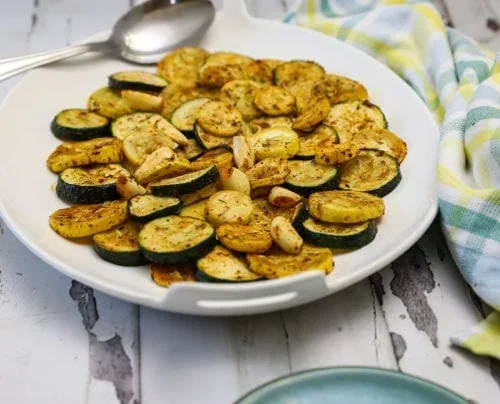
| Root Vegetables (carrots, potatoes, parsnips) | 25–35 minutes | Caramelized edges, tender inside |
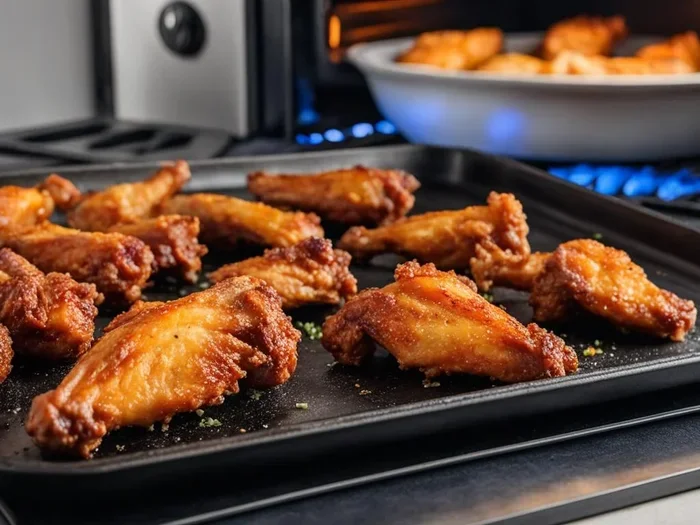
| Chicken Thighs or Drumsticks | 35–45 minutes | Crispy skin, juicy meat |
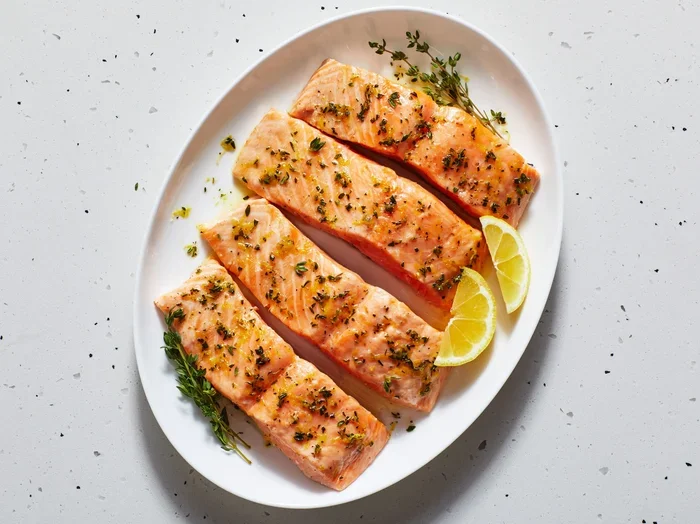
| Sheet Pan Salmon or Fish Fillets | 12–18 minutes | Flaky fish with light browning |
| Scones and Biscuits | 12–15 minutes | Tall, flaky rise with golden top |
| Cauliflower or Broccoli Florets | 20–25 minutes | Charred edges, creamy center |
| Pizza or Flatbread | 10–14 minutes | Crispy crust, bubbly cheese |
Quick Tips for Baking Vegetables at 400°F
- Cut vegetables into uniform pieces so they cook at the same rate.
- Spread them in a single layer without overlapping.
- Toss with oil and seasoning before spreading on the pan.
- Shake or stir the pan halfway through for even browning.
- Let them rest for 5 minutes after removing to finish cooking.
Meat and Poultry at 400 Degrees
Chicken thighs and drumsticks thrive at 400°F. The high heat renders fat and crisps the skin beautifully. For a whole chicken, rub it with oil and seasonings, then roast on a rack set over a baking sheet. This allows air to circulate underneath and promotes even browning. Always use a meat thermometer to check for an internal temperature of 165°F in the thickest part.
Timing and Doneness: How to Know When It’s Perfect
Baking at 400°F moves quickly, so timing matters. I always set a timer for a few minutes less than the recipe suggests and then check. Visual cues and internal temperatures are your best tools for determining doneness.
Visual and Texture Clues
Look for a deep golden brown color on the surface. For vegetables, the edges should be slightly charred and the pieces should be tender when pierced with a fork. For baked goods, the top should spring back lightly when touched. A toothpick inserted into the center of a cake or muffin should come out clean or with just a few moist crumbs.
Use a Thermometer for Meat
A meat thermometer removes all guesswork. Insert it into the thickest part of the meat without touching bone. For chicken, aim for 165°F. For pork, 145°F is safe. Beef and lamb can vary based on your preferred doneness. Let the meat rest for 5 to 10 minutes after removing it from the oven; the temperature will continue to rise slightly.
Resting Is Part of Baking
Resting allows the juices to redistribute and the structure to set. A freshly baked loaf of bread needs 10 to 15 minutes on a wire rack before slicing. Roasted vegetables benefit from a short rest too. This simple step makes a big difference in texture and flavor.
Troubleshooting Common 400°F Baking Mishaps
Even experienced bakers run into problems at high heat. Knowing what goes wrong helps you fix it quickly. Here are the most common issues and how to solve them.
Burnt Bottoms but Raw Centers
This usually happens when the oven rack is too low or the pan is dark-colored. Move your food to the middle rack and switch to a light-colored baking sheet. You can also place a second baking sheet on the rack below to deflect direct heat. Always preheat the oven fully; a cold start causes uneven cooking.
Food Drying Out Too Quickly
At 400°F, moisture evaporates fast. To prevent drying, use a marinade, brush with oil, or cover with foil for part of the cooking time. For roasted vegetables, a light coating of oil helps retain moisture. For meats, brining or marinating beforehand adds juiciness. Avoid leaving food in the oven longer than necessary.
Uneven Browning
If one side is browning faster than the other, your oven likely has hot spots. Rotate the pan 180 degrees halfway through baking. For convection ovens, the fan helps reduce hot spots, but you should still rotate. Using a baking stone or steel on the lower rack can also help stabilize the temperature.
Pastries Not Rising Enough
High heat is crucial for pastry rise, but a cold oven or an underheated baking sheet can sabotage it. Make sure your butter or shortening is cold when making pastry dough. Preheat the baking sheet in the oven before adding the dough. The hot surface immediately starts cooking the bottom, which encourages lift and flakiness.
Expert Insights and Final Thoughts
Mastering 400 degree baking tips in oven comes down to understanding your specific oven and paying attention to your food. Every oven has its quirks, so invest in a simple oven thermometer and learn how yours behaves. Over time, you will develop an intuition for when things are done.
Start with simple recipes like roasted vegetables or sheet-pan chicken. Once you feel comfortable, try more ambitious bakes like homemade pizza or pastries. The key is to be patient and observant. Keep notes on what works and what does not. Soon, baking at 400°F will become second nature.
Remember, the goal is perfect results with minimal stress. Follow these 400 degree baking tips in oven, trust your senses, and enjoy the process. Your kitchen will fill with irresistible aromas, and your dishes will turn out beautifully golden and delicious every time.
Frequently Asked Questions
Can I bake a cake at 400 degrees?
Most cakes bake best between 325°F and 375°F. Baking a cake at 400°F can cause the top to dome and crack excessively. If a recipe calls for 400°F, it is likely a quick bread or a specific pastry, not a standard layered cake. Always check the recipe type before adjusting your oven temperature.
How long does it take to bake chicken at 400°F?
Bone-in chicken thighs or drumsticks typically take 35 to 45 minutes at 400°F. Boneless, skinless chicken breasts cook faster, around 20 to 25 minutes. Use a meat thermometer to ensure the internal temperature reaches 165°F for safe eating. Let the chicken rest for 5 minutes before serving.
Do I need to preheat the oven to 400°F?
Absolutely. Preheating ensures the oven reaches the correct temperature before your food goes in. This is critical for proper rising, even browning, and achieving a crispy texture. A fully preheated oven also reduces overall cooking time and prevents food from drying out.
What is the best pan for baking at 400°F?
Light-colored aluminum or stainless steel baking sheets and pans work best. They reflect heat and promote even browning. Avoid dark non-stick pans at 400°F, as they absorb more heat and can burn the bottom of your food. For pizza or bread, a preheated baking stone or steel is ideal.
Can I use parchment paper at 400 degrees?
Yes, most parchment paper is safe up to 420°F to 450°F. It prevents sticking and makes cleanup easy. Parchment also promotes even browning by creating a thin layer of air between the food and the pan. Do not let parchment paper touch the heating elements or the sides of a very hot oven.
How do I keep food from burning at 400°F?
Use a light-colored pan, place food on the middle rack, and avoid overcrowding. Check your food a few minutes earlier than the recipe suggests. If the top is browning too fast, loosely tent it with aluminum foil for the remaining cooking time. Keeping an eye on your oven and rotating pans halfway through also helps prevent burning.
=== CONCLUSION ===
Baking at 400 degrees is a rewarding way to create crispy, golden dishes with deep flavor. By following these 400 degree baking tips in oven, you can achieve perfect results every time. From rack placement and pan selection to timing and troubleshooting, each step plays a vital role in your success.
Start with the basics: preheat fully, use the middle rack, and choose the right bakeware. Then experiment with your favorite foods, from roasted vegetables to sheet-pan chicken. Pay attention to visual cues and use a thermometer when needed. With practice, high-heat baking will become your go-to method for quick, delicious meals.
Now it is your turn. Preheat your oven to 400°F, pick a recipe, and apply these tips. You will be amazed at the crispy edges and golden crust you can achieve. Happy baking!