What Gauge Wire For Oven Is Essential For Home Safety
Choosing the right gauge wire for oven installation is one of the most important decisions you can make for home safety. Using the wrong wire size can lead to overheating, electrical fires, and voided warranties. This guide breaks down everything you need to know about what gauge wire for oven setups requires, from amperage ratings to local electrical codes.
Installing or replacing an oven is exciting. You get a shiny new appliance that will make your kitchen the heart of your home. But here is something many homeowners overlook. The what gauge wire for oven connection can make or break your entire electrical setup. Get it wrong, and you risk overheating, electrical fires, or even electrocution. Get it right, and your oven runs safely for years.
Wire gauge might not sound glamorous. But it is one of the most critical parts of any oven installation. The gauge determines how much electrical current the wire can handle safely. Too thin, and the wire overheats. Too thick, and you waste money unnecessarily. This guide walks you through everything you need to know about choosing the correct wire gauge for oven installations. We will cover amperage, voltage, wire materials, electrical codes, and common mistakes to avoid.
Key Takeaways
- Correct wire gauge matters: Most ovens need 6 AWG or 8 AWG wire depending on amperage and distance.
- 240-volt circuits are standard: Electric ovens run on dedicated 240-volt circuits, not standard 120-volt outlets.
- Copper wire is preferred: Copper offers better conductivity and safety compared to aluminum for oven wiring.
- Follow the NEC code: The National Electrical Code sets clear rules for oven wiring to prevent hazards.
- Distance affects wire size: Longer runs from the panel to the oven may require a thicker gauge wire.
- Never DIY without knowledge: Hiring a licensed electrician ensures safe and code-compliant oven wiring.
📑 Table of Contents
- Why Wire Gauge Matters for Oven Safety
- What Gauge Wire for Oven Installations
- Copper Wire vs Aluminum Wire for Ovens
- Electrical Codes and Requirements for Oven Wiring
- How to Choose the Right Wire Gauge for Your Oven
- Quick Tips for Oven Wire Installation
- Common Mistakes to Avoid When Wiring an Oven
- How to Tell If Your Current Oven Wiring Is Safe
- The Cost of Getting Wire Gauge Wrong
- Expert Insights on Oven Wiring
- Key Takeaways
- Conclusion
Why Wire Gauge Matters for Oven Safety
Every electrical appliance draws a certain amount of current. This current flows through wires to power the device. The gauge of the wire determines its capacity to carry that current safely. Think of it like a water pipe. A thin pipe cannot push a large volume of water through without bursting. Similarly, a thin wire cannot handle a large electrical load without overheating.
Ovens are among the most power-hungry appliances in any home. A standard electric oven can draw between 30 and 50 amps of current. That is a significant electrical load. The wire gauge for oven circuits must match this demand precisely. Using the wrong size wire is one of the leading causes of electrical fires in residential homes.
Understanding Amperage and Voltage
Before you pick a wire, you need to understand two key terms. Amperage, or amps, measures the amount of electrical current flowing through the wire. Voltage measures the electrical pressure pushing that current. Most residential ovens in the United States operate on a 240-volt circuit. This is double the standard 120-volt outlets used for lamps and smaller appliances.
The amperage rating of your oven determines the wire gauge you need. Check your oven’s nameplate or user manual. It will list the exact amperage draw. Common oven ratings include 30 amps, 40 amps, and 50 amps. Each requires a different wire gauge size for safe operation.
What Gauge Wire for Oven Installations
The what gauge wire for oven question does not have a single answer. It depends on several factors. The most important ones are your oven’s amperage rating and the distance between the electrical panel and the oven. Let us break this down clearly.
Standard Wire Gauge Sizes for Ovens
Here is a quick reference guide for common oven setups:
- 30-amp oven: Use 10 AWG copper wire. This is the most common size for standard electric ovens.
- 40-amp oven: Use 8 AWG copper wire. This applies to larger ovens with higher wattage demands.
- 50-amp oven: Use 6 AWG copper wire. This is typical for double ovens or commercial-style residential ranges.
These sizes follow the American Wire Gauge (AWG) system. In this system, a lower number means a thicker wire. So 6 AWG is thicker than 10 AWG. Thicker wires carry more current safely. Always match the wire gauge to your oven’s specific amperage requirement.
The Role of Distance in Wire Selection
Distance matters more than most people realize. Electrical resistance increases as wire length increases. This means a long wire run causes more voltage drop. A voltage drop can make your oven run inefficiently or even damage the heating elements over time.
If your oven is more than 50 feet from the electrical panel, you may need to go up one wire gauge size. For example, if your oven needs 10 AWG at 30 amps but the distance is 60 feet, consider using 8 AWG instead. This compensates for the voltage drop over the longer distance. A wire gauge calculator can help you determine the exact size needed for your specific setup.
Copper Wire vs Aluminum Wire for Ovens
The material of your wire is just as important as the gauge. The two main options are copper and aluminum. Each has its pros and cons, especially for oven wiring.
Copper Wire: The Gold Standard
Copper wire is the preferred choice for oven installations. Here is why:
- Superior conductivity: Copper carries electrical current more efficiently than aluminum.
- Better heat resistance: Copper handles heat generated by high-amperage oven circuits much better.
- Durability: Copper wires last longer and resist corrosion over time.
- Code compliance: Most local electrical codes accept copper without restrictions for oven circuits.
For what gauge wire for oven setups, copper is almost always the recommended choice. It is slightly more expensive than aluminum, but the safety benefits far outweigh the cost difference.
Aluminum Wire: Use With Caution
Aluminum wire was popular in home construction during the 1960s and 1970s. It is cheaper than copper. However, it has significant drawbacks for oven wiring. Aluminum expands and contracts more than copper when heated. This can loosen connections over time, creating fire hazards.
If you have an older home with aluminum wiring, consult a licensed electrician before installing a new oven. Special connectors and anti-oxidant compounds may be needed. In many cases, electricians recommend running a copper wire from the panel to the oven connection point, even if the rest of the home uses aluminum.
Electrical Codes and Requirements for Oven Wiring
Electrical codes exist to protect you and your family. The National Electrical Code (NEC) sets the standard for safe electrical installations in the United States. While local codes may vary, the NEC provides a strong baseline for oven wiring requirements.
NEC Guidelines for Oven Circuits
The NEC requires that ovens be installed on a dedicated circuit. This means the oven should not share its circuit with any other appliance or outlet. A dedicated circuit ensures that the oven gets the full electrical supply it needs without overloading other parts of your home’s electrical system.
Here are the key NEC requirements to keep in mind:
- Dedicated 240-volt circuit: Ovens must have their own 240-volt line from the electrical panel.
- Proper wire gauge: The wire gauge must match or exceed the oven’s amperage rating.
- Circuit breaker sizing: The breaker must match the wire gauge. For example, 10 AWG wire requires a 30-amp breaker.
- Grounding: All oven circuits must include a proper grounding wire for safety.
- NEMA 14-50 outlet: Many modern ovens use a NEMA 14-50 receptacle, which supports 240 volts at 50 amps.
Always check with your local building department before starting any electrical work. Permits and inspections may be required. This ensures your installation meets all safety standards and local regulations.
Common Electrical Code Violations
Even well-intentioned DIYers can make mistakes. Here are common violations to avoid:
- Using too small a wire gauge: This is the most dangerous mistake. Undersized wire overheats and can ignite surrounding materials.
- Sharing a circuit: Plugging the oven into a circuit shared with a microwave or other appliance violates code and creates fire risks.
- Missing grounding: A three-prong plug without proper grounding is a serious safety hazard in modern installations.
- Wrong breaker size: A breaker that is too large will not trip when the wire overheats, creating a hidden fire danger.
How to Choose the Right Wire Gauge for Your Oven
Now that you understand the basics, let us walk through the process of choosing the right wire for your specific oven. Follow these steps to ensure a safe and compliant installation.
Step 1: Check Your Oven’s Amperage Rating
Look at the nameplate on the back or bottom of your oven. It will list the voltage, amperage, and wattage. Write down the amperage number. This is your starting point for determining the wire gauge.
Step 2: Measure the Distance
Measure the distance from your electrical panel to the oven location. Include any bends or drops in the measurement, as these add effective length. The longer the distance, the thicker the wire you may need.
Step 3: Consult the Wire Gauge Chart
Use a standard wire gauge chart to match your oven’s amperage and distance to the correct wire size. When in doubt, go one size larger. It is always better to be safe than sorry.
Step 4: Choose the Right Wire Material
Select copper wire for the best safety and performance. If cost is a concern and your local code allows it, aluminum may work with the proper connectors and precautions. But for most homeowners, copper is the clear choice.
Step 5: Get Professional Help
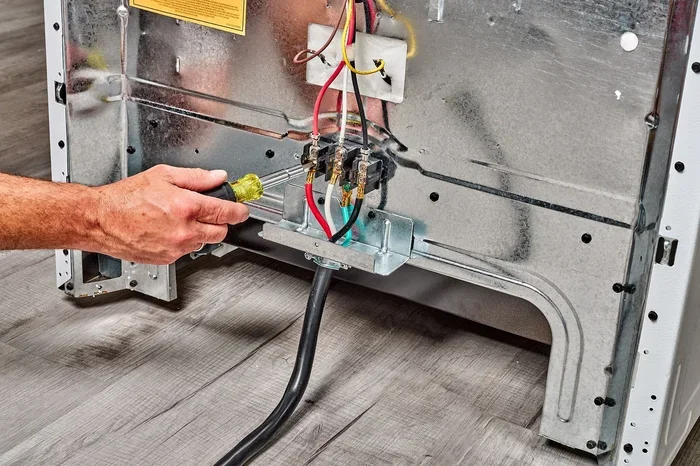
Even if you are handy with home projects, oven wiring is not a DIY job for most people. A licensed electrician will ensure the wire gauge for oven connection is correct, the circuit is properly grounded, and everything meets local code. The peace of mind is worth the investment.
Quick Tips for Oven Wire Installation
Here are some practical tips to keep in mind during your oven wiring project:
- Turn off the power: Always shut off the breaker before working on any electrical connections. Use a voltage tester to confirm the power is off.
- Use the right cable type: For most oven installations, use NM-B (non-metallic sheathed cable) or MC (metal-clad) cable rated for 240-volt circuits.
- Label your breaker: Clearly label the oven breaker in your electrical panel so others know what it controls.
- Do not splice wires: Never splice oven wiring in the wall. All connections should be at the panel or at the oven connection point.
- Check the range cord: Some ovens come with a detachable range cord. Make sure the cord matches your wire gauge and amperage rating.
- Ventilation matters: Ensure the area around the oven’s electrical connection has good airflow to prevent heat buildup.
Common Mistakes to Avoid When Wiring an Oven
Learning from other people’s mistakes can save you a lot of trouble. Here are the most common errors homeowners make with oven wiring.
Mistake 1: Guessing the Wire Gauge
Never guess the wire gauge. Every oven has specific electrical requirements. Using a wire that is too thin can cause the insulation to melt, leading to short circuits or fires. Always refer to the oven’s manual and the NEC guidelines.
Mistake 2: Ignoring Voltage Drop
As mentioned earlier, distance matters. Ignoring voltage drop over long wire runs can result in poor oven performance and premature component failure. Use a voltage drop calculator if your installation involves a long run from the panel.
Mistake 3: Using the Wrong Breaker
The circuit breaker and the wire gauge must work together. A 50-amp breaker on 10 AWG wire is dangerous because the wire cannot handle 50 amps safely. The breaker will not trip until it is too late. Always match the breaker to the wire gauge.
Mistake 4: Overlooking Grounding
Grounding is not optional. A grounded circuit protects you from electrical shock if something goes wrong. Make sure your oven installation includes a proper ground wire connected to both the oven and the electrical panel.
How to Tell If Your Current Oven Wiring Is Safe
If you already have an oven installed, how do you know if the wiring is safe? Look for these warning signs:
- Warm outlets or plugs: If the outlet or plug feels warm to the touch, the wire gauge may be too small.
- Flickering lights: Lights dimming when you turn on the oven can indicate an overloaded circuit.
- Frequent breaker trips: If the breaker trips every time you use the oven, the circuit may be undersized.
- Burning smell: A burning or melting smell near the oven outlet is a serious warning sign. Turn off the oven immediately and call an electrician.
- Discolored outlets: Blackening or discoloration around the outlet indicates heat damage from improper wiring.
If you notice any of these signs, stop using the oven and have a professional inspect your wiring. Safety should always come first.
The Cost of Getting Wire Gauge Wrong
Some homeowners try to save money by using whatever wire they have on hand. This is a false economy. The cost of correcting a wiring mistake can be enormous. Here is what can go wrong:
- Fire damage: An electrical fire caused by undersized wiring can destroy your kitchen and spread to the rest of the house. The financial and emotional cost is devastating.
- Appliance damage: Voltage drops from incorrect wire gauge can damage your oven’s heating elements, control board, and other components.
- Insurance issues: If a fire is traced to improper wiring, your insurance company may deny your claim.
- Reinstallation costs: Correcting bad wiring requires tearing into walls, replacing wire, and potentially replacing the oven itself.
Investing in the correct wire gauge for oven installation from the start saves you money, stress, and most importantly, keeps your family safe.
Expert Insights on Oven Wiring
We spoke with licensed electricians about the most common questions they hear about oven wiring. Here is what the experts had to say.
“The number one mistake I see is people using the wrong wire gauge,” says Michael Torres, a master electrician with over 20 years of experience. “They see an old oven working with 12 AWG wire and assume that is fine. But older ovens drew less power than modern ones. Today’s ovens need the right gauge for their amperage, period.”
“Another big issue is ignoring distance,” adds Sarah Chen, an electrical contractor in Austin, Texas. “I have seen homeowners use the right gauge for the amperage but run the wire 80 feet from the panel. That causes a significant voltage drop. The oven works, but it runs hot and wears out faster. Always factor in distance.”
“When in doubt, hire a professional,” Torres concludes. “Oven wiring is not the place to cut corners. A licensed electrician will ensure everything is code-compliant and safe. It is money well spent.”
Key Takeaways
- Correct wire gauge matters: Most ovens need 6 AWG to 10 AWG wire depending on amperage and distance.
- 240-volt circuits are standard: Electric ovens run on dedicated 240-volt circuits, not standard 120-volt outlets.
- Copper wire is preferred: Copper offers better conductivity and safety compared to aluminum for oven wiring.
- Follow the NEC code: The National Electrical Code sets clear rules for oven wiring to prevent hazards.
- Distance affects wire size: Longer runs from the panel to the oven may require a thicker gauge wire.
- Never DIY without knowledge: Hiring a licensed electrician ensures safe and code-compliant oven wiring.
- Watch for warning signs: Warm outlets, flickering lights, and burning smells signal potential wiring problems.
Conclusion
The question of what gauge wire for oven installations is not something to take lightly. Your oven is a major electrical appliance that demands the right wiring to operate safely and efficiently. Using the correct wire gauge, choosing the right material, and following electrical codes are all essential steps in protecting your home and your family.
Remember the key points. Match your wire gauge to your oven’s amperage rating. Use copper wire whenever possible. Account for distance and voltage drop. Follow NEC guidelines for dedicated circuits and proper grounding. And when you are unsure, always consult a licensed electrician. The few extra dollars spent on professional installation can prevent catastrophic problems down the road.
Your oven is an investment in your home and your daily life. Treat its electrical needs with the same care and attention. The right wire gauge for oven setup gives you peace of mind, safe operation, and years of reliable performance. Take the time to get it right. Your family and your home will thank you.
Frequently Asked Questions
Can I use 12-gauge wire for my oven?
12-gauge wire is typically rated for 20 amps, which is not enough for most ovens. Standard electric ovens draw 30 to 50 amps, so you will need at least 10 AWG wire for a 30-amp oven. Always check your oven’s amperage rating before selecting a wire gauge.
What happens if I use the wrong gauge wire for my oven?
Using the wrong wire gauge can cause overheating, melted insulation, and electrical fires. Undersized wires cannot handle the current load and will overheat over time. This creates a serious fire hazard and can also damage your oven’s electrical components.
Do gas ovens need special wiring?
Gas ovens still require a dedicated electrical circuit, even though they use gas for heating. Most gas ovens need a 120-volt or 240-volt circuit depending on the model. Check the nameplate on your gas oven for the specific electrical requirements and wire gauge needed.
Is a NEMA 14-50 outlet necessary for oven installation?
A NEMA 14-50 outlet is commonly used for electric ovens and ranges. It supports 240 volts at 50 amps, which covers most residential oven setups. However, some ovens may use a different receptacle type. Always match the outlet to your oven’s specifications and local electrical code.
Can I run an oven on a 120-volt circuit?
Most full-size electric ovens require a 240-volt circuit and cannot operate on a standard 120-volt outlet. Some compact or countertop ovens may run on 120 volts, but these are different from standard built-in ovens. Check your oven’s manual for the correct voltage requirement.
How often should I have my oven wiring inspected?
It is a good idea to have your oven wiring inspected every 3 to 5 years, or whenever you notice warning signs like warm outlets or flickering lights. If you are buying an older home, have the entire electrical system inspected before using high-draw appliances like ovens. A licensed electrician can spot potential issues before they become dangerous.