How To Reheat Chicken Wings In The Convection Oven
The best way to reheat chicken wings in a convection oven is to use low heat and a light oil coating to bring back the crispy skin. This method keeps leftover wings moist and full of flavor. You’ll discover the exact temperature, timing, and pro tips for perfect results every time.
If you have leftover wings from last night’s game night, you know the struggle. Reheating them can be tricky. The microwave makes them soggy, and the regular oven often dries them out. But the convection oven changes everything. It uses a fan to circulate hot air, giving you crispy wings that taste freshly baked. In this guide, we’ll walk through the How To Reheat Chicken Wings In Convection Oven process step by step. You’ll learn the perfect temperature, timing, and tricks to keep the meat moist and the skin crunchy. Whether you have buffalo wings, garlic parmesan, or plain baked wings, this method works beautifully for leftover wings of every kind.
The convection oven is a true hero for reheating chicken wings. Unlike a microwave, which steams the skin and turns it rubbery, the convection oven’s fan delivers dry, even heat. This means you can achieve crispy skin without overcooking the tender meat inside. Many home cooks swear by this method because it takes just a few extra minutes compared to a microwave, yet the results are restaurant-quality. We’ll share the exact oven temperature, timing, and pro tips that make convection oven reheating so effective. You’ll never have to eat dry, sad wings again.
Before we dive into the steps, let’s quickly understand why this works so well. When you reheat chicken wings in a convection oven, the moving hot air strips away moisture from the surface. That moisture loss is exactly what creates the satisfying crunch you love. At the same time, the gentle heat warms the meat slowly, keeping it juicy. The key is balancing these two factors: enough dry air for crispiness, but not so much heat that the meat dries out. This guide gives you that balance every single time. We’ll also cover wing reheating tips that go beyond just the oven, including storage tricks and how to revive frozen wings.
Key Takeaways
- Low temperature is the secret: Reheating at 300°F prevents drying out while restoring crispiness.
- A light oil brush makes a big difference: Just a teaspoon of oil per wing helps the skin crunch.
- Always use a wire rack: It lets hot air flow underneath, keeping the bottom crispy.
- Check the internal temperature: Wings must reach 165°F to be safe and juicy.
- Don’t skip the rest: Let wings sit for 3 minutes after reheating to lock in moisture.
- Store leftovers properly: Airtight container in the fridge for up to 4 days ensures great reheating.
📑 Table of Contents
- Why Reheating Chicken Wings in a Convection Oven Works
- How To Reheat Chicken Wings In The Convection Oven: Step-by-Step
- Tips for Extra Crispy and Juicy Reheated Wings
- Common Mistakes to Avoid When Reheating Wings
- How to Store Leftover Wings for Perfect Reheating
- Convection Oven vs. Other Reheating Methods
- Quick Tips for Perfect Reheated Wings Every Time
- Expert Insight: What Professional Kitchens Do
Why Reheating Chicken Wings in a Convection Oven Works
A convection oven is not just a regular oven with a fan. It’s a precision tool for reheating food evenly. When you use it for leftover wings, the fan blows hot air directly onto the surface of each wing. This rapid air movement removes surface moisture quickly, which is the exact process that creates crispy chicken wings. Meanwhile, the interior of the wing warms up gently because the heat penetrates slowly and uniformly. The result is a wing that looks and tastes almost as good as when it first came out of the oven.
The Science of Crispy Skin
Chicken skin becomes crispy when the moisture on its surface evaporates at high speed. A convection oven accelerates this process because the fan constantly replaces the humid air around the wing with dry, hot air. In a standard oven without a fan, that humid air sits around the food, slowing down crisping and sometimes creating steam. That steam is the enemy of crunch. When you reheat chicken wings in a convection oven, you’re essentially giving the skin a quick, intense dehydrating blast. This is why crispy reheated wings from a convection oven are so much better than those from a microwave or a static oven. The skin crackles, the fat renders slightly, and you get that addictive texture again.
Why Convection Beats a Microwave
The microwave is fast, but it’s terrible for texture. It heats water molecules inside the food, which creates steam. That steam softens the skin and makes the breading or batter soggy. A convection oven does the opposite—it removes moisture. So while a microwave might take 2 minutes, the convection oven takes 10 to 15 minutes and gives you a vastly superior result. Think of it this way: the microwave warms the wing, but the convection oven actually re-cooks the surface to restore crispiness. That extra time is worth every second. If you have an air fryer alternative, a convection oven works the same way because an air fryer is basically a small convection oven. You’re using the same principle at a larger scale.
How To Reheat Chicken Wings In The Convection Oven: Step-by-Step
Now that you understand the science, let’s get into the practical steps. This how to reheat chicken wings in the convection oven method is simple, reliable, and foolproof. Follow these steps exactly, and your wings will come out hot, crispy, and juicy.
Preparing Your Wings
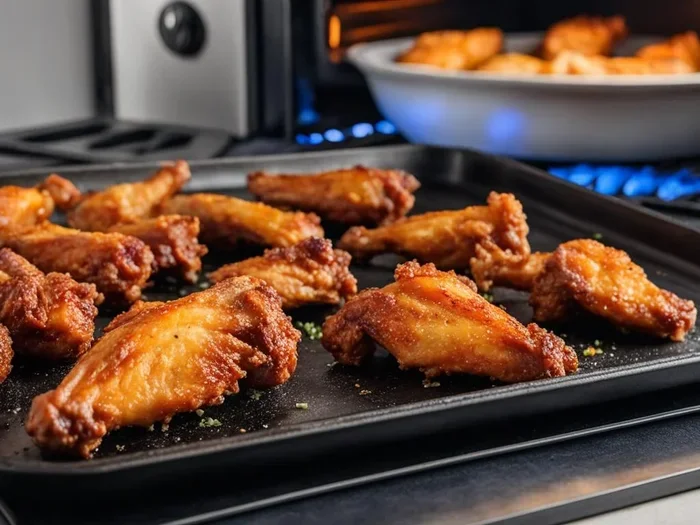
Start by taking your leftover wings out of the refrigerator about 10 minutes before reheating. This lets them lose the chill, which helps them heat more evenly. While they’re coming to room temperature, preheat your convection oven to 300°F. Yes, 300°F is lower than the original cooking temperature, and that’s intentional. A lower temperature gives the heat time to penetrate the meat without burning the outside. While the oven heats, line a baking sheet with foil for easy cleanup and place a wire rack on top. The wire rack is non-negotiable—it’s the key to even airflow and a crispy bottom. Arrange the wings in a single layer on the rack, making sure none of them touch or overlap. If you have a lot of wings, use two sheets and rotate them halfway through.
Setting the Right Temperature
The ideal oven temperature for reheating chicken wings is 300°F. Some recipes go up to 325°F, but 300°F is the sweet spot for keeping the meat moist while still crisping the skin. If your oven runs hot, you can use 325°F, but check the wings a few minutes early. The goal is to warm the interior to 165°F without turning the skin into a brittle shell. For extra-crispy results, you can start at 300°F for the first 8 minutes, then bump it up to 350°F for the final 2 minutes. This two-stage method gives you a perfectly crunchy exterior with a tender interior. This is one of the best wing reheating tips from professional kitchens.
Timing and Flipping
Reheat the wings for 8 to 12 minutes total, depending on their size and whether they were sauced or not. At the 5-minute mark, open the oven and carefully flip each wing using tongs. Flipping ensures both sides get equal exposure to the circulating hot air. If your wings have a heavy sauce like buffalo or BBQ, you might want to skip flipping and just let them heat on one side, then brush a little fresh sauce on top after reheating. Sauced wings can become sticky or burnt if you flip them, so treat them gently. For plain wings or wings with a dry rub, flipping is essential for even browning. Set a timer so you don’t forget to check them. Convection oven reheating is faster than a regular oven, so keep an eye on them.
Checking Doneness
Use an instant-read meat thermometer to check the thickest part of the wing, avoiding the bone. The internal temperature should read 165°F. If the wings are not yet at 165°F, give them another 2 to 3 minutes. The skin should look golden and feel firm to the touch. If you hear a slight sizzle when you take them out, that’s a great sign—the skin is crispy and the juices are hot. Let the wings rest on the rack for 3 minutes before serving. This resting period allows the juices to redistribute, so every bite is moist. This small step makes a huge difference in the final texture of your crispy chicken wings.
Tips for Extra Crispy and Juicy Reheated Wings
The basic method above already gives you great results, but these wing reheating tips will take your leftover wings to the next level. These are the secrets that separate good reheated wings from amazing ones.
The Light Oil Trick
Before placing the wings on the rack, give them a very light brush of oil. Use a pastry brush or your fingers to apply just a thin coat of neutral oil like vegetable or canola oil. This might seem counterintuitive—adding fat to something that’s already fatty—but the oil helps the skin crisp up by promoting even browning and accelerating moisture evaporation. It also prevents the skin from sticking to the rack. You only need about half a teaspoon of oil per wing. Too much oil will make them greasy, so less is more. This trick works wonders for crispy reheated wings and is a favorite among convection oven enthusiasts.
Adding a Glaze or Sauce After Reheating
If your wings were originally sauced, resist the urge to re-sauce them before reheating. Sauces contain sugar and water, which can burn or make the skin sticky during reheating. Instead, reheat the wings plain or with a dry rub, then toss them in a fresh sauce right after they come out of the oven. This gives you a glossy, sticky coating that clings perfectly and doesn’t scorch. For buffalo wings, toss them in the sauce while they’re still hot so it melts slightly and sticks to the skin. For garlic parmesan, sprinkle the cheese after reheating and put them back in the oven for just 1 to 2 minutes to melt. This approach keeps the crispy skin intact and adds a burst of fresh flavor. It’s the best way to enjoy leftover wings without them tasting like leftovers.
Using a Wire Rack for Even Heating
I cannot stress this enough: always use a wire rack set over a baking sheet. A wire rack allows hot air to flow underneath the wings, crisping the bottom just as evenly as the top. If you place wings directly on a baking sheet or in a pan, the bottom side will steam and become soggy. The rack also prevents the wings from sitting in their own rendered fat, which would make them greasy instead of crispy. If you don’t have a wire rack, you can use a cooling rack or even a oven-safe grate. The convection oven’s fan does the heavy lifting, but the rack gives it something to work with. This is a simple reheat without drying out technique that makes a massive difference in the final product.
Common Mistakes to Avoid When Reheating Wings
Even with the best intentions, it’s easy to make mistakes that ruin your leftover wings. Here are the most common errors and how to avoid them.
Cranking Up the Heat
The biggest mistake is turning the oven up to 400°F or higher to reheat faster. High heat will burn the outside of the wings long before the inside is warm. The skin will char and turn bitter, while the meat remains cold or tough. Always stick to 300°F to 325°F. Yes, it takes a few extra minutes, but the results are dramatically better. Patience is the secret ingredient in convection oven reheating. If you’re in a real rush, the microwave can warm them quickly, but you’ll lose all the crispiness. The convection oven is the right tool for the job, so use it correctly.
Overcrowding the Pan
Overcrowding blocks the flow of hot air, which is the entire point of a convection oven. If you pile wings on top of each other or cram them onto one sheet, you’ll get uneven heating and soggy spots. Give each wing at least half an inch of space on all sides. If you have more wings than your rack can handle, use two baking sheets and rotate them halfway through. This might mean an extra 5 minutes of oven time, but it’s worth it. Crispy wings need room to breathe. Think of the rack as a runway—more space means better airflow and a better crunch.
Forgetting to Rest and Tent with Foil
Some people skip the resting step, but it’s important. When wings come out of the oven, the juices are hot and mobile. If you cut into them immediately, the juices run out and the meat dries out. Let them rest for 3 minutes on the rack. If you’re worried about the skin getting soggy from steam, you can tent the wings very loosely with foil. Do not wrap them tightly—that would trap steam and undo all your crispiness work. A loose tent just slows down the cooling slightly while keeping the surface dry. This is a subtle wing reheating tip that makes a noticeable difference in texture.
How to Store Leftover Wings for Perfect Reheating
Proper storage is the first step to great reheated wings. If you store them wrong, even the best reheating method won’t save them. Follow these storage rules to keep your leftover wings fresh and ready for the next day.
Proper Cooling Before Storage
Never put hot wings directly into the refrigerator. The heat will raise the temperature inside the fridge, potentially spoiling other foods and creating condensation that makes the wings soggy. Let the wings cool to room temperature within 2 hours of cooking, then store them. Spread them out on a tray for faster cooling if needed. Once cooled, transfer them to an airtight container. The goal is to minimize moisture exposure while they’re in the fridge. This simple step preserves the skin’s integrity and ensures it crisps up beautifully during convection oven reheating.
Airtight Containers and Freezer Tips
Use a shallow airtight container or a zip-top bag with the air pressed out. Shallow containers cool faster and reheat more evenly. For freezer storage, wrap each wing individually in plastic wrap, then place them in a freezer bag. This prevents freezer burn and lets you reheat one or two wings at a time without thawing the whole batch. Wings stored in the fridge stay good for up to 4 days. Wings in the freezer keep well for up to 3 months. When you’re ready to reheat frozen wings, you can put them straight in the convection oven at 300°F, but add 5 to 7 extra minutes to ensure they heat through completely. This is the best reheat without drying out method for frozen leftover wings.
Reheating from Frozen Without Drying Out
If you forgot to thaw your wings, don’t worry. You can reheat them from frozen in the convection oven. Place the frozen wings on a wire rack and bake at 300°F for 15 to 20 minutes. Then increase the temperature to 350°F for the final 5 minutes to crisp the skin. Check the internal temperature to make sure they’ve reached 165°F in the thickest part. The extra time might seem long, but it’s necessary to cook the meat through while the low heat prevents the skin from burning. Brushing a tiny bit of oil on frozen wings before reheating helps them crisp up just like fresh ones. This method turns freezer storage into a convenient way to enjoy crispy chicken wings any time you want.
Convection Oven vs. Other Reheating MethodsNot everyone has a convection oven, and sometimes you need a quick alternative. Let’s compare the main methods for reheating chicken wings so you can choose the best one for your situation. Each method has its place, but the convection oven remains the gold standard for texture.
Air Fryer Comparison
An air fryer is essentially a mini convection oven. It works on the same principle of circulating hot air, so the results are nearly identical. If you have an air fryer, you can reheat wings at 350°F for 4 to 6 minutes, flipping halfway. The air fryer is faster because of its smaller size, but the convection oven can handle larger batches. Both produce crispy wings with excellent texture. If you’re choosing between the two, use the air fryer for a quick snack and the convection oven for a full plate of leftover wings.
Microwave and Skillet Showdown
The microwave is the fastest option, but it’s the worst for texture. It steams the skin and makes wings rubbery. The skillet method can work in a pinch: heat a little oil in a skillet over medium heat, place wings in the pan, and cover with a lid for 2 to 3 minutes to warm the meat, then uncover to crisp the bottom. This gives you some crunch, but it’s uneven and requires more attention. The convection oven delivers consistent, hands-off results with minimal effort. For convection oven reheating, you just set the temperature, set the timer, and walk away. The microwave and skillet demand more babysitting and still can’t match the crispiness.
Comparison Table: Reheating Methods for Wings
| Method | Crispiness | Moisture Retention | Time Required | Batch Size |
|---|---|---|---|---|
| Convection Oven | Excellent | Very Good | 10–15 min | Large (up to 2 dozen) |
| Air Fryer | Excellent | Very Good | 4–6 min | Small to Medium |
| Microwave | Poor (soggy skin) | Fair | 2–3 min | Any |
| Skillet | Good (one side) | Good | 5–8 min | Small |
| Regular Oven (no fan) | Good | Good | 15–20 min | Large |
As you can see, the convection oven and air fryer are the clear winners for crispy reheated wings. The regular oven without a fan works too, but it takes longer and the bottom may not be as crispy. The microwave should be your last resort. When you want the best leftover wings experience, always reach for the convection oven.
Quick Tips for Perfect Reheated Wings Every Time
- Brush with oil before reheating: A light coat of oil helps the skin crisp up faster.
- Use a wire rack every time: It’s the single biggest upgrade you can make.
- Don’t sauce before reheating: Add sauce after for a fresh, non-burned coating.
- Preheat the oven fully: A fully preheated convection oven starts crisping immediately.
- Flip halfway through: This ensures even browning on both sides.
- Rest for 3 minutes: This lets the juices settle and keeps the meat moist.
- Store in a single layer: When putting wings in the fridge, lay them flat without stacking.
These wing reheating tips are simple but powerful. They apply whether you’re reheating two wings or twenty. The convection oven is forgiving, but these small habits make the difference between good and great. Once you master them, you’ll never reheat wings any other way.
Expert Insight: What Professional Kitchens Do
Many restaurants hold cooked wings in warm holding cabinets, which are basically low-temperature convection ovens. They know that the convection oven is the best tool for keeping wings crispy over time. At home, you can replicate this by reheating wings just before serving. Professional chefs also recommend a light mist of oil before reheating, exactly like the light oil trick we covered. They avoid covering wings with foil during reheating because it traps steam. If you follow the steps in this guide, you’re using the same techniques that top kitchens rely on. The How To Reheat Chicken Wings In Convection Oven method is not just a home hack—it’s a professional standard that delivers consistent, delicious results every time.
The beauty of convection oven reheating is that it works for almost any type of wing. Whether your leftover wings are classic buffalo, honey garlic, lemon pepper, or smoked, the low-and-slow approach preserves the flavor while restoring the crunch. You can even reheat wings that were originally baked or grilled, not fried. The convection oven adds a new layer of crispiness that makes them taste fresh again. This versatility is why so many home cooks consider the convection oven their go-to tool for reheating chicken wings. It’s not just about saving time—it’s about saving food and enjoying every last bite at full quality.
Now that you have all the knowledge, it’s time to put it into practice. Next time you have leftover wings in the fridge, pull them out and follow the How To Reheat Chicken Wings In Convection Oven steps. You’ll be amazed at how close they taste to the original batch. The convection oven is a reliable, easy-to-use appliance that rewards you with crispy wings and juicy meat. Keep this guide bookmarked for future reference, and you’ll never waste a single wing again. Enjoy your perfectly reheated crispy chicken wings and share the wing reheating tips with your friends.
Frequently Asked Questions
Can I reheat wings in the convection oven from frozen?
Yes, you can reheat frozen wings directly in the convection oven. Place them on a wire rack at 300°F for 15 to 20 minutes, then increase to 350°F for the final 5 minutes to crisp the skin. Always check that the internal temperature reaches 165°F before serving. This method works well for leftover wings that were frozen properly.
What is the best temperature to reheat chicken wings in a convection oven?
The best temperature is 300°F for gentle, even heating. If you want extra crispiness, start at 300°F for 8 minutes, then raise it to 350°F for the last 2 minutes. This two-stage approach ensures the meat stays moist while the skin becomes perfectly crunchy. Avoid high temperatures that can burn the outside before the inside is warm.
How long does it take to reheat wings in a convection oven?
It typically takes 10 to 15 minutes at 300°F. Smaller wings may be done in 8 minutes, while larger or frozen wings might need up to 20 minutes. Flip the wings halfway through for even browning. The exact time depends on the oven model, wing size, and whether they were sauced or not.
Do I need to use a wire rack when reheating wings?
Yes, a wire rack is highly recommended. It allows hot air to circulate underneath the wings, crisping the bottom evenly. Without a rack, the wings sit in their own juices and steam, making the bottom soggy. If you don’t have a rack, a cooling rack or oven-safe grate works as a good substitute for better convection oven reheating results.
Can I put sauce on the wings before reheating them?
It’s best to add sauce after reheating. Sauces contain sugar and water that can burn or make the skin sticky during the reheating process. Reheat the wings plain or with a dry rub, then toss them in a fresh sauce while they’re still hot. This keeps the crispy skin intact and gives you a glossy, flavorful coating that doesn’t scorch.
How do I keep reheated wings from drying out?
Use a low temperature (300°F), a light brush of oil, and a wire rack. These three steps lock in moisture while allowing the skin to crisp. Don’t overcook—check the internal temperature and remove the wings as soon as they hit 165°F. Letting them rest for 3 minutes after reheating also helps the juices redistribute, keeping the meat tender and moist.