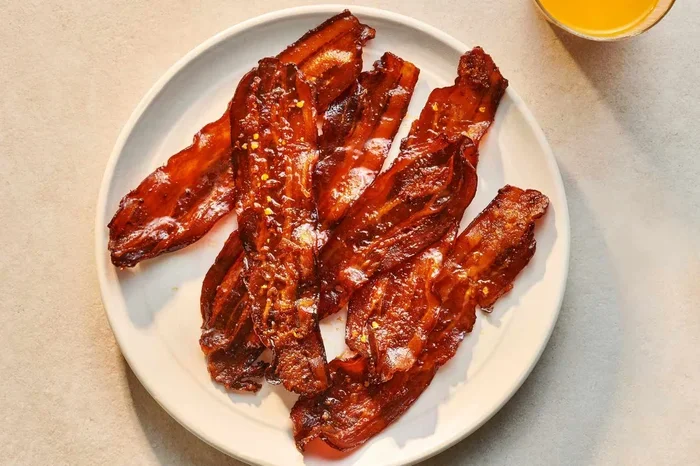
How To Cook Bacon Cold Oven For Perfect Crispy Results
Cooking bacon in a cold oven is the easiest way to get perfectly crispy, evenly cooked strips without any splatter or guesswork. This method uses low heat and a gradual temperature rise to render fat slowly, giving you flat, chewy-on-the-inside bacon every time. Whether you prefer thick-cut or thin-cut bacon, the cold oven technique works beautifully and requires almost zero attention. You will learn why this method works, exactly how to do it, and how to avoid common mistakes.
There is something deeply satisfying about a morning plate of crispy bacon. The crunch, the savory flavor, the way it pairs with eggs and toast. But let us be honest. Cooking bacon on the stove can be a messy, stressful experience. Grease pops everywhere. Some strips burn while others stay floppy. You stand there flipping strips one by one, hoping for even results.
What if I told you there is a better way? The cold oven method for cooking bacon changes everything. You place your bacon strips on a tray, put them in a cold oven, and let the heat do all the work. No flipping. No splatter. No stress. Just perfectly crispy oven baked bacon that comes out flat, even, and absolutely delicious. This guide will walk you through every step of the process, from setup to cleanup.
The cold start bacon method has become a favorite among home cooks and professional chefs alike. It is simple, reliable, and produces consistently great results. Whether you are feeding a crowd at a weekend brunch or making breakfast for one, this technique delivers perfect crispy bacon every single time. Let us dive in and explore how this easy method works.
Key Takeaways
- Cold oven bacon cooks evenly: Starting in a cold oven lets heat distribute gently, so every strip cooks at the same rate.
- Less mess and splatter: The slow rendering process means far less grease popping compared to stovetop cooking.
- Set it and forget it: You can put bacon in the cold oven and do other things while it cooks itself.
- Works for all bacon types: Thin-cut, thick-cut, and turkey bacon all benefit from this method.
- Parchment paper makes cleanup a breeze: Line your baking sheet and say goodbye to scrubbing baked-on grease.
- Perfect crispy results every time: The gradual temperature rise renders fat evenly for restaurant-quality bacon at home.
- No flipping required: Unlike pan-frying, cold oven bacon cooks on its own without needing attention mid-cook.
📑 Table of Contents
- Why the Cold Oven Method Works So Well
- What You Need to Cook Bacon in a Cold Oven
- Step-by-Step Guide to Cold Oven Bacon
- Quick Tips for the Best Cold Oven Bacon
- Common Mistakes to Avoid When Cooking Bacon Cold Oven
- Cold Oven Bacon vs. Traditional Stovetop Cooking
- How to Store and Use Leftover Bacon
- Why Cold Oven Bacon Is the Best Breakfast Upgrade
- Conclusion
Why the Cold Oven Method Works So Well
The science behind cold oven bacon is surprisingly simple. When you place bacon on a cold baking sheet inside a cold oven, the heat rises gradually. This slow increase in temperature allows the fat to render evenly across every strip. The result? Flat, crispy bacon strips that cook uniformly from edge to center.
Traditional stovetop cooking hits the bacon with intense, direct heat right away. This causes the fat to burst and pop. Some parts burn while others stay undercooked. The cold start method avoids this problem entirely. The gradual heat mimics a gentle, even cook that produces superior oven baked bacon every time.
The Science of Slow Rendering
Fat rendering is the process where solid fat melts into liquid. Bacon fat needs time to melt properly. When you use a cold oven bacon approach, the fat has time to escape the meat slowly. This leaves behind perfectly crispy crispy bacon with a satisfying crunch. The bacon also cooks flat, which means no more curled-up strips with raw centers.
Here is what happens during the process:
- The cold oven warms up slowly and evenly.
- The bacon fat begins to melt gradually.
- Heat distributes across every strip uniformly.
- The bacon cooks through without burning.
- The result is flat, crispy, evenly cooked bacon.
This method also produces less smoke than stovetop cooking. That is a huge win if your kitchen is small or if you do not love cleaning grease off your stovetop. The low and slow approach keeps things calm and controlled.
What You Need to Cook Bacon in a Cold Oven
One of the best things about this method is how little equipment you need. You probably already have everything in your kitchen. Here is a simple list of what you will need for perfect oven bacon:
- A rimmed baking sheet: This catches all the rendered grease and prevents messes in your oven.
- Parchment paper or aluminum foil: Lining your pan makes cleanup incredibly easy. Trust me on this one.
- A wire cooling rack (optional but recommended): Placing bacon on a rack over the baking sheet lets grease drip away for extra crispy results.
- Your favorite bacon: Thick-cut, thin-cut, or turkey bacon all work with this method.
- A pair of tongs: For safely removing hot bacon from the oven.
- Paper towels: For draining excess grease after cooking.
You do not need any special tools or gadgets. The beauty of how to cook bacon cold oven is its simplicity. A basic baking sheet and parchment paper are all you truly need. The wire rack is a nice upgrade if you want to take your bacon to the next level, but it is not required.
Choosing the Right Bacon for Oven Baking
Not all bacon is created equal, and your choice can affect the final result. Thick-cut bacon takes longer to cook but rewards you with a hearty, meaty texture. Thin-cut bacon crisps up faster and works well for sandwiches and salads. Turkey bacon also responds well to the cold oven method, though it cooks a bit faster than pork bacon.
For the best oven baked bacon results, I recommend standard thick-cut bacon. It has enough fat to render properly and stays sturdy on the rack. But honestly, you can use whatever type you enjoy. The cold oven method adapts beautifully to all varieties.
Step-by-Step Guide to Cold Oven Bacon
Now for the fun part. Here is exactly how to cook bacon cold oven for perfect crispy results. Follow these simple steps and you will never go back to the stovetop.
- Preheat your oven to 375°F (190°C). Yes, the oven is cold when you put the bacon in. Do not preheat first. That is the whole point of this method.
- Line your baking sheet with parchment paper. This single step saves you from a terrible cleanup job later. The grease wipes right off parchment paper.
- Arrange bacon strips flat on the sheet. Do not overlap them. Leave a small gap between each strip so heat circulates evenly. This is key for even cooking.
- Place the tray in the cold oven. Slide it right onto the middle rack. The cold start is what makes this method work so well.
- Set a timer for 20 to 25 minutes. Thin-cut bacon may be ready at 18 minutes. Thick-cut might need 25 to 30 minutes. Check at the 20-minute mark.
- Check the bacon at the halfway point. Look for golden-brown color and bubbling fat. The bacon should look mostly done but not burnt.
- Remove and drain on paper towels. Use tongs to transfer strips to a plate lined with paper towels. This absorbs excess grease and keeps the bacon crispy.
That is it. Seven simple steps and you have restaurant-quality crispy bacon. No standing over a hot pan. No grease splatter on your shirt. No uneven cooking. The cold oven method handles everything for you.
Timing Guide for Different Bacon Types
Cooking times vary depending on the type and thickness of your bacon. Here is a quick reference to help you get it right every time:
- Thin-cut pork bacon: 18 to 22 minutes at 375°F
- Thick-cut pork bacon: 25 to 30 minutes at 375°F
- Turkey bacon: 15 to 20 minutes at 375°F
- Canadian bacon: 12 to 15 minutes at 375°F
These times are starting points. Every oven is slightly different, so keep an eye on your bacon after the minimum time. The goal is golden-brown and crispy, not dark and burnt. Pull it out when it looks the way you like best.
Quick Tips for the Best Cold Oven Bacon
Want to take your cold oven bacon from good to amazing? Here are some quick tips that make a real difference:
- Use parchment paper every time. It is a game changer for cleanup and prevents sticking.
- Do not crowd the pan. Overlapping strips steam instead of crisp. Give each strip room to breathe.
- Place a second rack below your baking sheet. This catches drips and prevents grease fires in extreme cases.
- Let the bacon rest on paper towels for 2 minutes. This removes surface grease and keeps the bottom crispy.
- Save your bacon grease! Store rendered fat in a jar in the fridge. It is liquid gold for cooking potatoes, eggs, and more.
- Season before cooking for extra flavor. A light sprinkle of black pepper or brown sugar adds a delicious twist.
- Flip halfway through if needed. Most of the time, flipping is not necessary with the cold oven method. But if your oven has hot spots, a quick flip helps.
The cold oven bacon method is forgiving. Even if you forget about it for a few extra minutes, the gradual heat makes it hard to burn your bacon badly. But setting a timer is still a good habit. It helps you nail your preferred level of crispiness every single time.
Pro Tip: The Wire Rack Upgrade
If you want the absolute best results, invest in a wire cooling rack that fits your baking sheet. Place the rack on top of the sheet, then lay your bacon strips on the rack. The air circulates underneath, and grease drips through to the pan below. This produces the crispiest, flattest oven baked bacon you have ever tasted. It is a small change that makes a huge difference.
Common Mistakes to Avoid When Cooking Bacon Cold Oven
Even though the cold oven method is very forgiving, a few common mistakes can affect your results. Here is what to watch out for:
Overcrowding the Pan
The biggest mistake people make is fitting too many strips on one sheet. When bacon strips overlap, they steam instead of roast. This leads to uneven cooking and floppy, chewy spots. Give each strip its own space on the baking sheet. If you need to cook more, use a second tray or work in batches.
Starting with a Preheated Oven
The whole magic of this method is the gradual heat increase. If you preheat the oven first, you lose the benefit of the slow render. Always place your bacon in the cold oven and let it heat up together. This is the single most important rule for getting perfect cold oven bacon.
Using the Wrong Pan
A dark, non-stick pan can cause hot spots that burn parts of your bacon. Stick with a light-colored rimmed baking sheet for the most even results. The rim also catches grease and prevents spills inside your oven.
Not Checking the Bacon
While the cold start bacon method is hands-off, it still benefits from a quick check. Ovens vary in temperature accuracy. Checking at the 20-minute mark helps you catch the perfect moment when crispy bacon is ready.
Skipping the Drain Step
Some people skip draining bacon on paper towels and end up with soggy, greasy strips. Taking two minutes to blot excess grease makes a noticeable difference in texture. Your crispy bacon will thank you for it.
Avoid these mistakes and you will be well on your way to perfect bacon every time. The method is simple, but these small details really matter.
Cold Oven Bacon vs. Traditional Stovetop Cooking
How does cold oven bacon compare to the classic stovetop method? Let us break it down side by side so you can see why so many people are switching to the oven method.
| Factor | Cold Oven Method | Stovetop Method |
|---|---|---|
| Mess and splatter | Very little grease pop | Significant grease splatter |
| Attention required | None once in the oven | Must flip and monitor constantly |
| Evenness of cooking | Excellent, uniform results | Can be uneven |
| Cleanup | Easy with parchment paper | Sticky stovetop to scrub |
| Batch cooking | Cook a full sheet at once | Limited to pan size |
| Bacon flatness | Stays flat and even | Often curls up |
| Hands-on time | About 2 minutes of prep | 10 to 15 minutes of active cooking |
The cold oven method clearly wins in almost every category. It is less messy, requires almost no attention, and produces more even results. The only area where stovetop might have a slight edge is speed for small batches. But for anything beyond two or three strips, the oven method is far superior.
Many people also prefer the oven baked bacon because it produces a more consistent texture. The slow render creates a satisfying crunch on the outside while keeping the inside slightly chewy. Stovetop bacon can sometimes end up too crispy or too chewy depending on your skill level. The cold oven method takes the guesswork out of the equation entirely.
How to Store and Use Leftover Bacon
Sometimes you make more crispy bacon than you can eat in one sitting. That is not a problem. Here is how to store your leftover oven baked bacon:
- Refrigerator storage: Place cooled bacon in an airtight container. It keeps for up to 5 days in the fridge.
- Freezer storage: Layer strips between parchment paper in a freezer bag. Frozen bacon lasts up to 3 months.
- Reheating: Warm bacon in the oven at 350°F for 5 minutes. This keeps it crispy better than microwaving.
- Bacon grease storage: Pour cooled grease into a jar and store in the fridge. Use it for frying eggs, roasting vegetables, or making gravy.
Storing your bacon properly means you can enjoy perfect crispy bacon even on busy weekday mornings. A quick reheat in the oven brings back that fresh-from-the-oven crunch. It is a real time saver for meal prep and weekend brunch planning.
The cold oven method also works beautifully for meal prep. Cook a full sheet of bacon on Sunday, store it, and have ready-made bacon strips ready to go all week. Toss it on salads, sandwiches, burgers, or just eat it plain with a glass of orange juice. The possibilities are endless.
Why Cold Oven Bacon Is the Best Breakfast Upgrade
Making the switch to cold oven bacon is one of the easiest upgrades you can make to your morning routine. It takes less effort than stovetop cooking, produces better results, and frees up your time while the bacon does its thing. Once you try this method, you will not want to go back.
The low and slow approach also works for other breakfast meats. You can use the same technique for sausages, hash browns on a rack, or even egg muffins. The cold oven method opens up a whole world of easy, hands-off breakfast prep. It is a skill that pays dividends every morning of the week.
If you have been searching for the perfect bacon recipe that actually works, this is it. The cold oven method is simple, reliable, and delivers perfect crispy results every single time. Give it a try this weekend and see the difference for yourself. Your taste buds and your cleanup time will both thank you.
Conclusion
Learning how to cook bacon cold oven is one of the simplest kitchen upgrades you can make. The method is easy, forgiving, and produces consistently crispy, flat, evenly cooked bacon every time. You need minimal equipment, almost no hands-on time, and a basic understanding of how gradual heat transforms strips of pork into breakfast perfection.
The cold oven bacon technique works because it renders fat slowly and evenly. This creates a better texture, less mess, and more consistent results than traditional stovetop cooking. Whether you prefer thin-cut, thick-cut, or turkey bacon, the cold start method adapts beautifully to every type.
Remember the key steps: line your pan with parchment paper, space strips evenly, place them in the cold oven, and bake at 375°F for 20 to 30 minutes. Avoid common mistakes like overcrowding the pan or preheating the oven first. And do not forget to save that delicious bacon grease for future cooking adventures.
Now that you know the secrets of perfect oven bacon, there is no reason not to try it at your next breakfast. The cold oven method will change the way you cook bacon forever. Enjoy those crispy strips, and happy cooking!
Frequently Asked Questions
Can I use a cold oven for all types of bacon?
Yes, absolutely. The cold oven method works for thin-cut, thick-cut, turkey bacon, and even Canadian bacon. Each type may need slightly different cooking times, but the process remains the same. Simply adjust your timer based on the thickness and type of bacon you are using.
How long does cold oven bacon take to cook?
Most cold oven bacon recipes call for 20 to 30 minutes at 375°F. Thin-cut bacon finishes faster, around 18 to 22 minutes. Thick-cut bacon may need the full 25 to 30 minutes. Always check your bacon at the 20-minute mark to find your perfect level of crispiness.
Do I need to flip bacon when using the cold oven method?
No, flipping is not necessary for cold oven bacon. The gradual, even heat distribution cooks both sides uniformly without any intervention. This is one of the biggest advantages of the oven method over stovetop cooking. You simply set it and forget it until the timer goes off.
Is cooking bacon in a cold oven safe?
Yes, it is completely safe. Placing raw bacon on a cold tray and letting it heat gradually is a well-tested technique used by home cooks and chefs worldwide. The key is to use a rimmed baking sheet and parchment paper to catch grease. Always use tongs to remove hot bacon and place it on paper towels to drain.
Can I save bacon grease from the cold oven method?
Absolutely! Cold oven bacon produces a generous amount of rendered bacon fat. Let the grease cool slightly, then pour it through a strainer into a clean jar. Store it in the refrigerator for up to 3 months. This bacon grease is fantastic for cooking eggs, potatoes, and roasted vegetables.
Why is my cold oven bacon not crispy enough?
If your oven baked bacon is not crispy enough, try a few adjustments. Make sure strips are not overlapping on the pan. Extend the cooking time by 3 to 5 minutes. You can also try placing bacon on a wire rack instead of directly on the sheet pan for better air circulation. Also check that your oven is reaching the correct temperature of 375°F.