How Long To Preheat Oven For Perfect Cooking Results
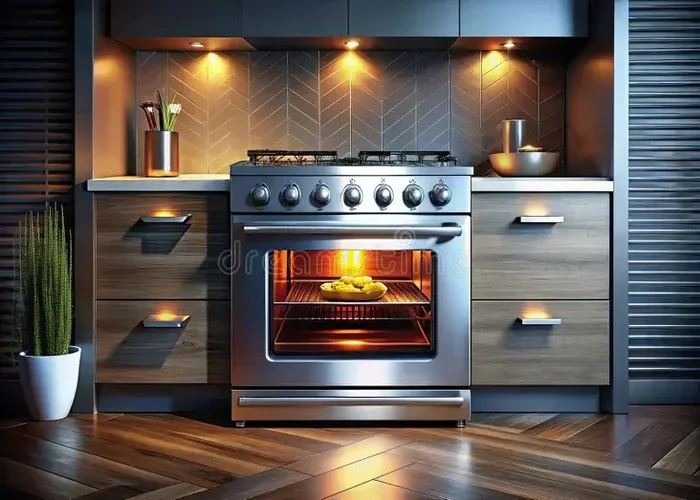
Knowing how long to preheat oven is one of the simplest yet most overlooked steps in cooking. Whether you own a gas oven, electric oven, or convection oven, the right preheating time changes everything about your meal. This guide breaks down exact preheat times, common mistakes, and pro tips so you never serve undercooked or overcooked food again.
Have you ever slid a tray of cookies into the oven only to realize it wasn’t hot enough yet? That one mistake can ruin an entire batch. The answer to how long to preheat oven seems simple, but there is more to it than just waiting for a light to turn off.
Different oven types, different recipes, and different temperatures all play a role. A gas oven behaves differently from an electric one. A convection oven works faster than a standard model. And some recipes actually call for a cold start. This guide covers everything you need to know about preheating so your cooking results are perfect every single time.
Whether you are a beginner cook or someone who has been baking for years, understanding preheat times will level up your kitchen game. Let us dive in and break it all down.
Key Takeaways
- Gas ovens preheat faster: Most gas models reach target temperature in 5 to 10 minutes.
- Electric ovens need more time: Expect 10 to 15 minutes for a full preheat on standard electric ovens.
- Convection ovens are the quickest: The fan circulates hot air, cutting preheat time by up to 25 percent.
- Always use an oven thermometer: Built-in thermostats can be off by 25 degrees or more.
- Rack position matters: Place racks in the center before preheating for even heat distribution.
- Don’t skip preheating for baked goods: Cakes, cookies, and bread rely on immediate high heat to rise properly.
- Some dishes don’t need preheating: Casseroles and slow roasts can go in from a cold start.
📑 Table of Contents
Why Preheating Your Oven Matters
Preheating is not just a step on the recipe you can skip. It sets the foundation for how your food cooks. When you place food into a cold oven, the cooking process starts slowly and unevenly. This affects texture, rise, browning, and overall flavor.
The Science Behind Preheating
When your oven reaches the right temperature, the heating elements maintain a steady flow of thermal energy. This means the moment your food enters the oven, cooking begins immediately. For baked goods like bread and cakes, this immediate heat is critical. The leavening agents react right away, creating the airy structure you want.
With a cold oven, the food sits in a warm environment for several minutes before real cooking begins. During that time, fats melt, sugars dissolve, and proteins set in ways they were not meant to. The result is often dense, flat, or unevenly cooked food.
How long to preheat oven depends on how much thermal mass your oven needs to heat up. Think of it like warming up a car engine on a cold morning. The bigger the oven, the longer it takes to reach a stable temperature.
What Happens If You Skip Preheating
Skipping preheating might save you a few minutes, but it costs you in quality. Here is what typically goes wrong:
- Uneven cooking: Food cooks faster on the outside and stays raw on the inside.
- Poor browning: Maillard reaction needs high heat. Without it, food turns pale and lacks flavor.
- Extended cooking time: Total time may actually increase because you are cooking in a lower temperature.
- Failed rise: Breads and cakes depend on immediate heat. A cold start leads to dense, flat results.
- Soggy textures: Moisture evaporates too slowly, leaving food damp instead of crispy.
So the next time you wonder if preheating really matters, remember these points. It absolutely does.
How Long To Preheat Oven By Type
The type of oven you own is the biggest factor in preheat time. Let us look at each type and what you can realistically expect.
Gas Oven Preheat Time
Gas ovens are known for heating up quickly. On average, a gas oven takes about 5 to 10 minutes to reach the desired baking temperature. The flame ignites directly, and the heat spreads fast through the cavity.
However, gas ovens can have hot spots. The area near the burner may be significantly hotter than the back of the oven. This is why rotating your baking sheets halfway through cooking is always a good habit.
For most home cooks, a gas oven preheat time of 7 to 8 minutes at 350°F is the sweet spot. If you are using a pizza stone or a heavy baking pan, add another 3 to 5 minutes. These items absorb a lot of heat before they start radiating it back.
Electric Oven Preheat Time
Electric ovens take longer than gas ovens. A standard electric oven usually needs 10 to 15 minutes to reach 350°F. The heating elements work differently, and the heat distribution tends to be more even but slower to build.
Here is a simple breakdown of electric oven preheat times:
- 350°F (175°C): 10 to 15 minutes
- 400°F (200°C): 15 to 20 minutes
- 450°F (230°C): 20 to 25 minutes
- 500°F (260°C): 25 to 30 minutes
If your oven has a preheat indicator light, do not rely on it alone. The light turning off means the air temperature has reached the set point, but the walls and racks may still be warming up. This extra thermal lag is why many experienced bakers wait an additional 5 minutes after the light goes off.
Convection Oven Preheat Time
A convection oven uses a fan to circulate hot air throughout the cavity. This means the oven heats up faster and more evenly than a standard model. Convection preheat times are typically 25 percent shorter than their conventional counterparts.
For a convection oven at 350°F, expect a preheat time of about 5 to 8 minutes. The fan helps distribute heat quickly, so the entire cavity reaches temperature faster.
One thing to keep in mind: convection ovens cook food faster overall. If you are following a recipe designed for a conventional oven, reduce the temperature by 25°F or cut the cooking time by about 25 percent.
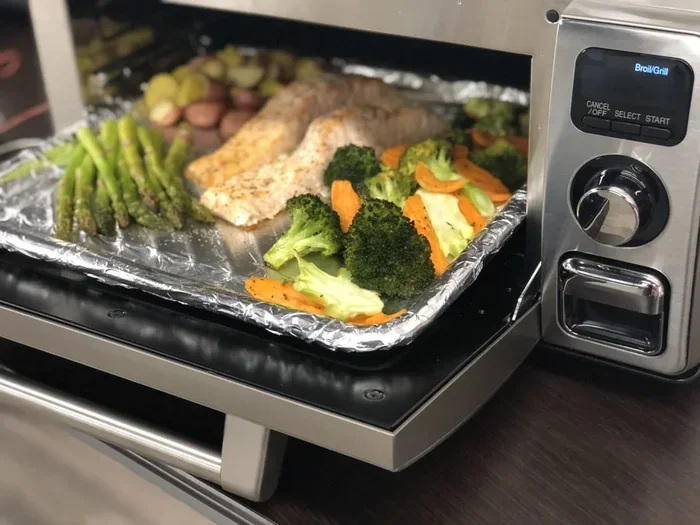
Toaster Oven Preheat Time
Toaster ovens are compact, and that works in your favor when it comes to preheating. Most toaster ovens reach 350°F in just 3 to 5 minutes. The small cavity means less air to heat up.
However, toaster ovens are less precise than full-size ovens. The temperature can fluctuate more, and the heating elements are often closer to the food. Keep a close eye on whatever you are cooking, especially during the first few minutes.
The Right Temperature For Your Recipe
Understanding oven temperature is just as important as knowing how long to preheat oven. Different recipes call for different settings, and using the wrong temperature ruins even the best preheat.
Common Baking Temperatures And What They Do
Most baking recipes work within a standard range. Here is a quick guide to common baking temperatures and what they accomplish:
- 325°F (165°C): Gentle, slow baking. Great for delicate cakes and custards that need even cooking without browning too fast.
- 350°F (175°C): The most common baking temperature. Works for cookies, muffins, quick breads, and most standard recipes.
- 375°F (190°C): A bit hotter for faster browning. Ideal for pastries and cookies with crispy edges.
- 400°F (200°C): Used for roasting vegetables, baking pizza, and achieving a golden crust on breads.
- 425°F to 450°F (220°C to 230°C): High heat for artisan bread, roasted meats, and dishes that need a strong sear or crisp.
Understanding Your Oven Settings
Most ovens come with several oven settings beyond just bake and broil. Understanding what each one does helps you choose the right mode for your recipe.
The bake setting uses the bottom heating element for steady, even heat. This is what you want for most baking recipes like cakes and casseroles. The broil setting uses the top element for intense, direct heat. It is perfect for melting cheese or getting a crispy finish on dishes.
The roast setting alternates between top and bottom elements for higher temperatures. Use this for whole chickens, roasts, and vegetables that need deep browning.
If your oven has a convection bake or convection roast mode, the fan kicks in to circulate the air. This is excellent for even cooking and shorter cooking times, but you may need to adjust your recipe slightly.
Quick Tips For Perfect Preheating
Getting the perfect preheat is not just about waiting. A few smart habits make a huge difference in your results.
Use An Oven Thermometer
Most ovens have a built-in thermostat, but they are not always accurate. An oven can be off by 25°F or more without you knowing it. A simple oven thermometer placed on the center rack tells you the real temperature inside.
This is one of the best investments any home cook can make. For just a few dollars, you get precision that transforms your cooking.
Position Your Racks Before Preheating
It is tempting to fiddle with racks while the oven is already hot, but that is a burn risk. Instead, set your oven rack position before you turn the oven on. For most baking, the center rack gives the best results because it is surrounded by the most even heat.
If you are broiling, place the rack 4 to 6 inches below the top element. For pizza or bread, put the rack in the lower third of the oven.
Let The Oven Stabilize
Here is a tip many people miss. Even after the preheat indicator light turns off, the oven is still stabilizing. The walls, the racks, and the baking stone or steel are still absorbing heat.
Wait an extra 5 to 10 minutes after the oven signals it is ready. This extra time allows the entire cavity to reach a uniform temperature. Your food will cook more evenly, and you will notice a real difference in the final result.
Keep The Door Closed
Every time you open the oven door during preheating, you lose a significant amount of heat. The oven has to work harder to recover the lost temperature, which extends the preheat time and wastes energy.
Use the oven window to check on progress. If you need to look, do it quickly and close the door right away.
Preheat With A Baking Stone Or Steel
If you bake bread or pizza, a baking stone or steel is a game changer. These items have high thermal mass, meaning they store a lot of heat. Place them in the oven during preheat so they are fully heated before your dough goes in.
This extra thermal energy creates an instant burst of heat when the dough touches the stone, leading to a crispy bottom and better oven spring.
Common Preheating Mistakes To Avoid
Even experienced cooks make preheating errors. Here are the most common ones and how to fix them.
Not Waiting Long Enough
The most common mistake is not giving the oven enough time. Many people see the preheat light turn off and immediately load their food. As we discussed, the oven needs extra time to stabilize. Rushing this step leads to uneven cooking and disappointing results.
Opening The Door Too Often
Every peek costs heat. Resist the urge to open the door and look at your food before it is ready to go in. Use the window instead, and keep the door closed until you are ready to place your dish inside.
Overcrowding The Oven
A crowded oven blocks air circulation. This is especially problematic in convection ovens where the fan needs space to move air around. Overcrowding leads to hot spots, uneven cooking, and longer cooking times.
Give each dish room to breathe. If you need to cook multiple trays, rotate them halfway through for even results.
Ignoring Oven Calibration
Over time, ovens drift from their set temperatures. An oven set to 350°F might actually be at 325°F or 375°F. This drift affects how long to preheat oven and how your food cooks.
If you notice your food is consistently overcooked or undercooked, invest in an oven thermometer and check the calibration. Most ovens can be recalibrated by adjusting the temperature dial or through the control panel.
Confusing Preheat With Ready
There is a big difference between the oven being at temperature and being ready to cook. A fully preheated oven has stable heat throughout the cavity. The walls, racks, and any stone or steel inside are all at the target temperature.
Use your thermometer to confirm. When the temperature holds steady for several minutes, your oven is truly ready.
When You Can Skip Preheating
Not every dish needs a preheated oven. Some recipes actually work better with a cold start. Knowing when to skip preheating saves time and energy without sacrificing quality.
Dishes That Do Not Need Preheating
Certain recipes call for placing food in a cold oven and letting it heat up gradually. This slow ramp-up creates different textures and flavors than a hot start. Here are examples:
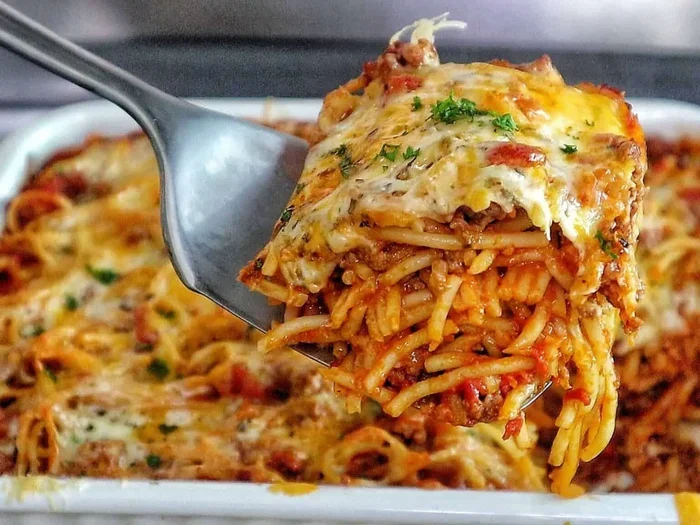
- Casseroles and lasagnas: The slow heat allows the layers to cook evenly without the edges burning before the center is done.
- Braised meats: Starting in a cold oven gives tough cuts of meat time to break down collagen slowly, resulting in tender, fall-apart texture.
- Some bread doughs: Certain no-knead bread recipes call for a cold start. The dough rises slowly in the oven as it heats, creating complex flavors.
- Cookies for a soft center: A cold oven start lets the edges set slowly while the center stays chewy.
The Cold Oven Start Technique
The cold oven start is a deliberate technique. You place your food in the oven, then set the temperature and let everything heat up together. This works because the extended cooking time at gradually increasing temperatures creates unique results.
However, this technique only works for recipes specifically designed for it. If your recipe says to preheat, do not skip that step. The instructions are there for a reason.
How To Know Your Oven Is Fully Preheated
Knowing when your oven has reached the right temperature takes more than watching a light. Here are the most reliable ways to confirm your oven is ready.
The Oven Thermometer Method
This is the gold standard. Place an oven thermometer on the center rack and wait until it matches your target temperature. Once the reading stabilizes for at least 2 minutes, your oven is fully preheated.
The Flour Test
For bakers, there is a simple visual test. Sprinkle a small pinch of flour on your baking surface. If the flour browns within 30 seconds, your oven is hot enough. If it stays pale, keep waiting.
The Water Drop Test
Drop a few water droplets on a cold oven-safe pan placed inside the oven. If the water evaporates instantly and sizzles, the oven is at temperature. If the water just sits there and slowly simmers, keep preheating.
Expert Insights On Preheat Timing
Professional chefs and baking experts agree on a few key principles when it comes to preheating. These insights come from years of testing and refining cooking techniques.
Thermal Mass Changes Everything
Expert bakers know that the thermal mass inside an oven affects preheat time significantly. A cold baking stone, a heavy roasting pan, or even multiple racks all absorb heat that would otherwise go toward reaching the target temperature.
This is why professional kitchens often preheat with all the equipment inside the oven. The stone, pan, and racks heat up together, creating a uniformly hot environment for the food.
Preheat Is Part Of The Recipe
Top bakers treat preheating as a non-negotiable part of the recipe process. They set their timers, prepare their ingredients while the oven heats, and never rush the preheat step. This discipline is one of the biggest differences between good and great home cooking.
Convection Changes The Math
Convection ovens are not just faster. They change how heat interacts with food. The moving air creates a more uniform temperature profile, which means fewer hot spots and more consistent results. But this also means you need to reduce both temperature and time when converting recipes from conventional to convection.
Key Takeaways
- Gas ovens preheat in 5 to 10 minutes: They are the fastest option for most home kitchens.
- Electric ovens need 10 to 15 minutes: Give them extra time, especially at higher temperatures.
- Convection ovens are the quickest: The fan cuts preheat time by up to 25 percent.
- Always verify with an oven thermometer: Built-in thermostats are not always accurate.
- Wait 5 to 10 minutes after the preheat signal: The oven needs time to stabilize for even cooking.
- Some recipes do not need preheating: Casseroles, braises, and certain breads benefit from a cold start.
- Rack position and oven settings matter: Set everything up before you turn the oven on.
Frequently Asked Questions
How long should I preheat my oven for cookies?
Most cookie recipes call for a preheated oven at 350°F. For a standard electric oven, this takes about 10 to 15 minutes. For a gas oven, 5 to 10 minutes is usually enough. Always wait until the oven reaches the exact temperature before placing your cookies inside for the best results.
Can I put food in the oven while it is preheating?
It depends on the recipe. Some dishes like casseroles and slow roasts actually benefit from a cold start. However, for baked goods like bread, cakes, and cookies, you should always wait until the oven reaches the target temperature. Putting food in too early leads to poor texture and uneven cooking.
Why does my oven take so long to preheat?
Several factors can slow down preheat time. A weak heating element, a full oven with too much equipment inside, or a faulty thermostat can all be culprits. Double-glazed oven doors also retain more heat and slow the warming process. If your oven consistently takes longer than expected, consider checking the heating element or using an oven thermometer to verify accuracy.
Do I need to preheat a convection oven?
Yes, you should always preheat a convection oven. The fan helps the oven reach temperature faster, but the food still needs a hot environment to cook properly. Convection ovens typically preheat in 5 to 8 minutes at 350°F, which is faster than conventional ovens.
Is it okay to preheat an empty oven for too long?
Preheating for an extra few minutes is generally fine, but leaving an empty oven on at high temperatures for an extended period wastes energy and can stress the heating elements. For most recipes, waiting 15 to 20 minutes beyond the preheat signal is unnecessary. Once your oven is at temperature, load your food promptly.
Does opening the oven door affect preheat time?
Yes, it does. Every time you open the oven door, you release a significant amount of hot air. The oven has to work harder to recover the lost temperature, which extends the preheat time. Try to keep the door closed and use the oven window to check on progress whenever possible.
=== CONCLUSION ===
How long to preheat oven is a question with a simple answer that depends on your oven type, the temperature you need, and what you are cooking. Gas ovens are fast, electric ovens take a bit longer, and convection ovens offer the best of both worlds with quick, even heating.
The key is to stop guessing and start following a consistent routine. Use an oven thermometer, wait for the oven to stabilize, and position your racks before you turn on the heat. These small habits add up to dramatically better cooking results.
Preheating is not just a step to rush through. It is the foundation of great cooking. Every time you take those extra minutes to let your oven reach the right temperature, you are investing in better flavor, better texture, and better presentation. Your food will taste better, look better, and cook more evenly.
So the next time you step into the kitchen, give your oven the time it deserves. Set a timer, prepare your ingredients, and wait for that perfect preheat signal. Once you make it a habit, you will never go back to skipping it again.