Are Porcelain Bowls Oven Safe Your Quick Answer Here
Yes, most porcelain bowls are oven safe, but not all of them. The answer depends on the type of porcelain, the glaze used, and how you handle the bowl. Understanding oven safe porcelain basics helps you avoid cracked dishes, ruined meals, and even kitchen accidents. This guide covers everything you need to know about using porcelain dishware in the oven safely.
Have you ever pulled out a beautiful porcelain bowl from your cabinet and wondered whether it can go in the oven? You are not alone. Many people love the elegance of porcelain dishware but worry about using it for anything beyond the dining table. The good news is that porcelain bowls can be oven safe, but the details matter a lot.
Knowing whether your porcelain dishware can handle oven heat saves you from cracked bowls, ruined food, and potential kitchen hazards. This article gives you a clear, practical answer. We will cover what makes porcelain oven safe, how to check your bowls, the risks involved, and the best practices for using them. Whether you want to bake a casserole or simply warm up leftovers, this guide has you covered.
Key Takeaways
- Most porcelain bowls are oven safe: High-quality porcelain can handle temperatures up to 500-572°F, making it suitable for many oven tasks.
- Always check for markings: Look for oven-safe symbols or labels on the bottom of the bowl before placing it in any hot oven.
- Thermal shock is the biggest risk: Sudden temperature changes can cause porcelain to crack or shatter, so always preheat gradually.
- Glaze quality matters: Lead-free and food-safe glazes are essential for safe oven use, especially at high temperatures.
- Porcelain vs. other materials: Porcelain offers excellent heat distribution and aesthetics but requires more care than stoneware or metal bakeware.
- Follow best practices: Avoid placing cold porcelain in a hot oven, and never put porcelain under a broiler or on a direct flame.
- When in doubt, don’t risk it: If your porcelain bowl lacks clear oven-safe labeling, use it for serving only and not for baking or heating.
📑 Table of Contents
- What Makes Porcelain Bowls Oven Safe
- How to Tell If Your Porcelain Bowl Is Oven Safe
- Benefits of Using Porcelain Bowls in the Oven
- Risks and Dangers of Putting Porcelain in the Oven
- Best Practices for Using Porcelain Bowls in the Oven
- Porcelain vs Other Oven-Safe Materials
- Quick Tips for Oven-Safe Porcelain Use
- Common Mistakes People Make with Porcelain in the Oven
- Expert Insights on Porcelain Oven Safety
- Key Takeaways
- Conclusion
What Makes Porcelain Bowls Oven Safe
The question are porcelain bowls oven safe does not have a simple yes or no answer. It depends on several factors that determine how well porcelain handles heat. Let us break down what makes porcelain suitable for oven use and what could go wrong.
Understanding Porcelain Material
Porcelain is a type of ceramic made from fine clay, feldspar, and silica. It is fired at very high temperatures, usually around 2,372°F to 2,552°F. This high firing temperature makes porcelain dense, non-porous, and strong. These qualities are exactly what make it a good candidate for oven use.
However, not all porcelain is created equal. Some porcelain bowls are designed specifically for cooking and baking. Others are purely decorative or meant for serving cold or room-temperature food. The manufacturing process, glaze composition, and intended use all play a role in determining whether a porcelain bowl can handle oven heat.
When you are shopping for oven safe porcelain, look for bowls labeled as bakeware or cookware-grade porcelain. These are specifically designed to withstand high temperatures without cracking or releasing harmful substances. Decorative porcelain bowls, on the other hand, may not be built for heat exposure.
Temperature Tolerance of Porcelain
Most high-quality porcelain bowls can handle temperatures between 400°F and 572°F. Some premium brands can even go up to 550°F or higher. This makes them suitable for baking, roasting, and warming food in the oven.
Here is a quick look at typical temperature ranges for different types of porcelain:
- Standard porcelain: Safe up to 450°F to 500°F
- High-fire porcelain: Safe up to 550°F to 572°F
- Decorative porcelain: Usually not rated for oven use
- Microwave-safe porcelain: Safe for microwave but not always oven safe
Always check the manufacturer’s guidelines before placing any porcelain bowl in the oven. If the bowl came with a box or instruction manual, that is the best place to find the temperature limit. When in doubt, contact the manufacturer directly.
How to Tell If Your Porcelain Bowl Is Oven Safe
Not every porcelain bowl is meant for the oven. The good news is that there are clear ways to find out. You do not need to be an expert to check whether your porcelain bakeware is safe for oven use.
Check the Bottom for Markings
Flip your porcelain bowl over and look at the bottom. Most manufacturers put a symbol or text indicating whether the bowl is oven safe dishes. Look for words like “oven safe,” “ovenproof,” or “heat resistant.” You might also see a picture of an oven with wavy lines inside it, which is the universal symbol for oven safety.
If you see any of these markings, your bowl is likely safe to use in the oven within the recommended temperature range. If there are no markings at all, it is best to assume the bowl is not oven safe and use it for serving only.
Look at the Glaze and Finish
The glaze on a porcelain bowl tells you a lot about its oven safety. High-quality porcelain uses a porcelain glaze safety rated for high temperatures. This glaze is smooth, even, and free from cracks or bubbles.
Watch out for bowls with chipped or cracked glaze. Even small chips can weaken the bowl and make it more prone to breaking in the oven. Also, avoid bowls with metallic trim or gold/silver detailing, as these can conduct heat unevenly or release harmful substances when heated.
If the glaze looks dull, rough, or damaged, the bowl is probably not designed for oven use. A smooth, glassy finish is a good sign that the bowl was made for cooking and baking.
Test the Weight and Thickness
Heat resistant porcelain tends to be heavier and thicker than decorative porcelain. Hold the bowl in your hand and notice its weight. A bowl that feels substantial and solid is more likely to handle oven temperatures well.
Thin, lightweight porcelain bowls are usually meant for serving or display. They heat up too quickly and cool down too fast, which increases the risk of cracking. If you are unsure, it is always safer to use a different material for cooking.
Benefits of Using Porcelain Bowls in the Oven
When used correctly, porcelain bowls offer several advantages in the kitchen. They are not just pretty to look at, they also perform well in the oven.
Even Heat Distribution
One of the biggest advantages of porcelain cookware is its ability to distribute heat evenly. Porcelain is dense and non-porous, which means it absorbs and spreads heat consistently across the surface. This results in more evenly cooked food with fewer hot spots.
Whether you are baking a soufflé or warming a casserole, porcelain bowls help your food cook uniformly. This is especially useful for dishes that need gentle, steady heat.
Aesthetic Appeal
Let us be honest, porcelain bowls look beautiful. You can take a porcelain dish straight from the oven to the table and serve your guests without transferring the food to another container. This saves time and adds a touch of elegance to your dining experience.
Many porcelain bowls come in elegant designs, patterns, and colors that make them perfect for both cooking and serving. This dual functionality is a big reason why people love using porcelain in the kitchen.
Non-Reactive Surface
Porcelain is non-reactive, which means it does not interact with acidic or alkaline foods. You can safely bake tomato-based sauces, citrus dishes, or anything with vinegar in a porcelain bowl without worrying about metallic tastes or chemical reactions.
This is a huge advantage over some metal bakeware, which can react with certain foods and affect the taste or color of your dish. With porcelain, your food tastes exactly as it should.
Risks and Dangers of Putting Porcelain in the Oven
Using porcelain bowls in the oven comes with real risks if you are not careful. Understanding these dangers helps you avoid accidents and keep your kitchen safe.
Thermal Shock
Thermal shock porcelain is the number one enemy of porcelain bowls in the oven. Thermal shock happens when a bowl experiences a sudden, extreme change in temperature. For example, taking a cold porcelain bowl straight from the refrigerator and placing it in a hot oven can cause it to crack or shatter instantly.
The same thing happens if you place a hot porcelain bowl on a cold, wet surface. The rapid contraction of the material creates stress fractures that can weaken or break the bowl. This is why temperature changes must be gradual when using porcelain in the oven.
To avoid thermal shock, always let your porcelain bowl come to room temperature before placing it in the oven. Never move it directly from the fridge or freezer to a hot oven.
Cracks and Breakage
Even oven-safe porcelain can crack if you mistreat it. Dropping a porcelain bowl, bumping it against a hard surface, or using it at temperatures above its rated limit can all cause damage. Over time, small hairline cracks may develop, weakening the bowl further.
Inspect your porcelain bowls regularly for signs of wear. If you notice any cracks, chips, or scratches, stop using the bowl in the oven immediately. A damaged bowl can break unexpectedly and cause burns or other injuries.
Glaze Hazards
Some older porcelain bowls may contain lead or cadmium in their glaze, especially those made before modern safety standards were established. When heated in the oven, these substances can leach into food, posing serious health risks.
Always check that your porcelain is labeled as lead-free and food safe. If you have antique or vintage porcelain, it is best to use it for decoration rather than cooking. Modern porcelain dishware is manufactured with safety in mind, but older pieces may not meet current standards.
Best Practices for Using Porcelain Bowls in the Oven
Using porcelain bowls in the oven is easy when you follow a few simple rules. These best practices keep your bowls in great shape and your food cooking perfectly.
Preheat Gradually
Never place a porcelain bowl in a cold oven and then turn the heat on high. Instead, put the bowl in a cold or cool oven and allow both the bowl and the oven to heat up together. This gradual temperature change prevents thermal shock and reduces the risk of cracking.
Similarly, when you are done cooking, let the bowl cool down inside the oven with the door slightly ajar. Do not rush the cooling process by placing the hot bowl on a cold countertop or near a drafty window.
Avoid Direct Heat Sources
Porcelain bowls are not designed to handle direct flames or broiler heat. Never place a porcelain bowl on a stovetop burner or under a broiler. These heat sources are too intense and concentrated for porcelain to handle safely.
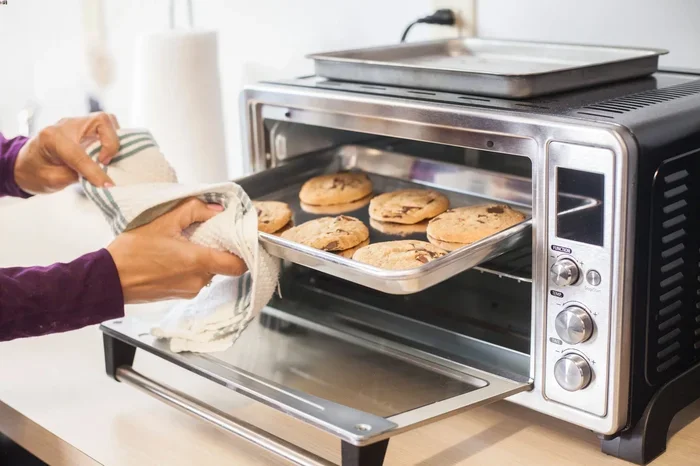
Use porcelain bowls only in the main compartment of a conventional or convection oven. If you have a toaster oven, check whether the temperature can exceed 500°F, as many toaster ovens run hotter than standard ovens and may damage porcelain.
Use Oven Mitts and Handle with Care
Always use thick oven mitts when handling hot porcelain bowls. Porcelain retains heat well, and a hot bowl can cause serious burns if you grab it with bare hands.
Place the bowl on a heat-resistant trivet or wooden board when taking it out of the oven. Never set a hot porcelain bowl directly on a cold or wet surface. A simple potholder or silicone mat works perfectly to protect both your bowl and your countertop.
Limit Soak Times
While porcelain is dishwasher safe in most cases, avoid soaking porcelain bowls for extended periods. Prolonged exposure to water can weaken the glaze over time, especially if the glaze has any micro-cracks. Wash your bowls promptly after use and dry them thoroughly.
Porcelain vs Other Oven-Safe Materials
Not sure how porcelain stacks up against other oven-safe materials? Let us compare some of the most common options so you can make an informed choice.
Comparison Table: Porcelain vs Other Materials
| Feature | Porcelain | Ceramic | Stoneware | Glass | Metal |
|---|---|---|---|---|---|
| Oven Safe Temperature | Up to 572°F | Up to 450°F | Up to 500°F | Up to 450°F | Up to 500°F+ |
| Heat Distribution | Excellent | Good | Very Good | Moderate | Excellent |
| Thermal Shock Resistance | Moderate | Low | Moderate | Low | High |
| Aesthetic Appeal | Excellent | Good | Good | Good | Poor |
| Non-Reactive Surface | Yes | Yes | Yes | Yes | No |
| Weight | Medium-Heavy | Medium | Heavy | Medium | Light |
| Price Range | Moderate to High | Low to Moderate | Moderate | Low to Moderate | Low to High |
Porcelain vs Ceramic
Porcelain vs ceramic is a common comparison. Both are made from clay, but porcelain is fired at higher temperatures and is denser. This makes porcelain more durable and better suited for oven use. Ceramic bowls are often more porous and less heat resistant than porcelain.
If you are choosing between the two for oven cooking, porcelain is the better option. It holds heat longer, distributes it more evenly, and is less likely to crack from temperature changes.
Porcelain vs Stoneware
Stoneware is another popular choice for oven-safe bakeware. It is thicker and heavier than porcelain, which gives it excellent heat retention. However, stoneware is more prone to chipping and can be heavier to handle.
Porcelain offers a good balance of durability, heat distribution, and elegance. It is lighter than stoneware and easier to move in and out of the oven, making it a great choice for everyday cooking and baking.
Quick Tips for Oven-Safe Porcelain Use
- Always check the label before placing porcelain in the oven.
- Let the bowl come to room temperature before heating it up.
- Preheat the oven with the bowl inside to avoid sudden temperature changes.
- Use oven mitts every time you handle a hot porcelain bowl.
- Place hot bowls on heat-resistant surfaces only.
- Avoid broilers and stovetops with porcelain bowls.
- Inspect your bowls regularly for cracks or chips.
- Hand wash when possible to preserve the glaze longer.
Common Mistakes People Make with Porcelain in the Oven
Even experienced cooks make mistakes when using porcelain in the oven. Here are some common errors to avoid.
- Skipping the label check: Never assume a porcelain bowl is oven safe just because it looks sturdy.
- Going from fridge to oven: This is the fastest way to crack a porcelain bowl.
- Using the broiler: Porcelain is not designed for direct, intense heat from above.
- Overcrowding the oven: Give porcelain bowls enough space so air can circulate around them.
- Ignoring cracks: Even a tiny crack can turn into a big break when the bowl is heated.
- Using metal utensils: Metal forks or spoons can scratch the glaze and weaken the bowl over time. Use wooden or silicone utensils instead.
Expert Insights on Porcelain Oven Safety
We spoke with kitchen experts and ceramic specialists to get their take on using porcelain bowls in the oven. Here is what they had to say.
Dr. Helen Marsh, Ceramic Engineer: “Porcelain is one of the safest materials for oven use when handled correctly. The key is understanding that porcelain is not indestructible. Treat it with care, respect its temperature limits, and it will serve you well for years.”
Chef Marcus Lee, Professional Chef: “I love baking with porcelain bowls because they look gorgeous on the table and cook food beautifully. My one rule is never to rush the temperature change. I always let the bowl come to room temperature first, and I never shock it with cold water when it is hot.”
Sarah Chen, Home Kitchen Expert: “If you are unsure about your porcelain bowl, do a simple test. Fill it with warm water and let it sit for five minutes. If it handles the warm water without any issues, it is probably safe for low to medium oven temperatures. But always double-check the manufacturer’s guidelines.”
Key Takeaways
- Most porcelain bowls are oven safe up to 500-572°F: Always check the manufacturer’s label for the exact temperature limit.
- Look for oven-safe markings on the bottom of the bowl: These symbols and text confirm the bowl is designed for oven use.
- Thermal shock is the biggest danger: Avoid sudden temperature changes by letting bowls come to room temperature before heating.
- Porcelain offers excellent heat distribution and non-reactive cooking: It is a great choice for baking and warming food evenly.
- Never use porcelain under a broiler or on a stovetop: These direct heat sources are too intense for porcelain to handle safely.
- Inspect bowls regularly for cracks or chips: Damaged porcelain can break unexpectedly in the oven.
- When in doubt, use porcelain for serving only: Not every porcelain bowl is built for oven cooking, and that is perfectly fine.
Conclusion
The answer to are porcelain bowls oven safe is a hopeful yes for most high-quality porcelain bowls. With the right care and attention, porcelain can be a beautiful and functional addition to your oven-safe kitchen tools. The key is knowing your specific bowl’s limits, checking for oven-safe markings, and following best practices for handling heat.
Porcelain bakeware offers even heat distribution, a non-reactive cooking surface, and stunning table presentation. But it also demands respect. Treat your porcelain bowls with care, avoid sudden temperature swings, and they will reward you with years of reliable service.
Remember, not every porcelain bowl is oven safe, and that is okay. Use your decorative pieces for display and your labeled oven-safe pieces for cooking and baking. When you follow these simple guidelines, you get the best of both worlds, beautiful porcelain and safe, delicious oven-cooked meals.
Now that you know the answer, go ahead and put your porcelain bowls to work in the oven. Just do it thoughtfully, and you will enjoy the results every time.
Frequently Asked Questions
Can I put a porcelain bowl in a toaster oven?
Yes, but with caution. Most porcelain bowls are safe in toaster ovens as long as the temperature stays below 500°F. However, toaster ovens can heat up faster and hotter than standard ovens, so keep a close eye on your porcelain bowl and avoid broiler settings.
What temperature is porcelain safe in the oven?
Most porcelain bowls are safe up to 450°F to 572°F. Always check the manufacturer’s label for the specific temperature rating. Never exceed the recommended limit, as going too high can cause cracking or glaze damage.
Can porcelain bowls go from the oven to the fridge?
No, this is a bad idea. Moving a hot porcelain bowl directly into the refrigerator causes thermal shock, which can crack or shatter the bowl. Always let porcelain cool to room temperature before placing it in the fridge or on a cold surface.
Is all porcelain dishware oven safe?
No, not all porcelain is oven safe. Decorative porcelain, fine china, and vintage pieces are often not designed for oven use. Only porcelain bowls that are specifically labeled as oven safe or ovenproof should be used in the oven.
Can porcelain bowls with gold trim go in the oven?
No, avoid putting porcelain bowls with metallic trim or gold detailing in the oven. The metallic elements can conduct heat unevenly, cause sparking, or release harmful substances when heated. Stick to plain, fully glazed porcelain for oven use.
How do I clean porcelain bowls after oven use?
Let the bowl cool completely before washing it. Hand wash with warm water and mild dish soap to preserve the glaze. Avoid abrasive sponges or harsh chemicals. Most porcelain is dishwasher safe, but hand washing extends the life of the bowl significantly.