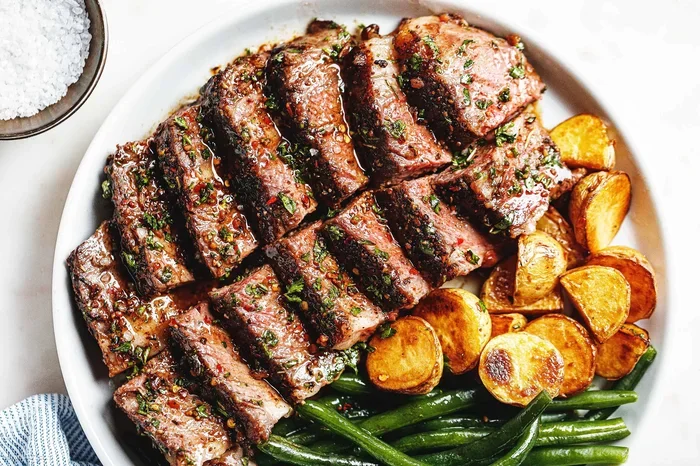
How To Cook Thick Steak In The Oven Perfectly Every Time
Cooking thick steak in the oven is easier than you think. This guide walks you through every step to get a perfect crust and juicy center. You will learn the reverse sear method, ideal temperatures, and common mistakes to avoid. Whether you prefer ribeye or filet, these techniques work for every thick cut. Follow along and impress everyone at your next dinner.
There is something deeply satisfying about cooking a thick steak in the oven. The aroma fills your kitchen. The sizzle when you take it out is music to your ears. And that first bite? Pure perfection. Whether you are a beginner or a seasoned home cook, how to cook thick steak in the oven is a skill that will change your dinners forever.
Many people think steak belongs only on the grill. But your oven can do something even better. It gives you control. You can cook a thick steak evenly from edge to edge. No hot spots. No guessing. Just a beautiful, juicy steak with a golden crust every single time. This guide will show you exactly how.
We will cover everything from picking the right cut to the final resting period. You will learn the reverse sear method, which is the secret behind restaurant-quality steak at home. We will also share common mistakes so you can avoid them. By the end, you will feel confident cooking thick oven steak like a pro.
Key Takeaways
- Use the reverse sear method: Start low and slow in the oven, then finish with a hot sear for the perfect crust.
- Invest in a meat thermometer: Internal temperature is the only reliable way to know your steak is done.
- Rest your steak for 8-10 minutes: This lets the juices redistribute for a juicier bite.
- Choose steaks at least 1.5 inches thick: Thicker cuts cook more evenly and stay moist.
- Season simply but well: Salt, pepper, garlic, and olive oil go a long way.
- Avoid common mistakes: Skipping the rest, using a cold pan, or overcooking are the top errors.
- Oven temperature matters: 250°F for reverse sear and 450°F for direct oven cooking are the sweet spots.
📑 Table of Contents
- Why Oven-Cooked Thick Steak Works So Well
- Choosing the Right Steak for Oven Cooking
- How To Cook Thick Steak In The Oven
- The Reverse Sear Method Explained
- Oven Temperature Options Compared
- Common Mistakes to Avoid When Cooking Steak in the Oven
- Quick Tips for Perfect Oven Steak
- Expert Insights on Cooking Thick Steak in the Oven
- Pairing Your Oven Steak with Sides
- Storing and Reheating Leftover Steak
- Conclusion
Why Oven-Cooked Thick Steak Works So Well
Cooking steak in the oven has some real advantages. First, your oven provides gentle, even heat. This is especially important for thick cuts. A thick steak on a grill can burn on the outside while staying raw inside. The oven solves this problem completely.
Second, the oven gives you consistency. Every time you cook a thick cut steak at the same temperature, you get similar results. You can repeat it perfectly. That is something hard to do on a grill with fluctuating flames and wind.
Third, oven cooking frees up your grill for other foods. Maybe you are cooking burgers, veggies, or sausages too. Using the oven for the steak means everything gets done at once. Your dinner party guests will thank you.
The Science Behind Oven Steak
Here is what happens when you cook a thick steak in the oven. The dry heat surrounds the meat evenly. The proteins slowly denature, which means they firm up gently. This keeps the inside moist. Meanwhile, the surface dries out just enough to form a beautiful crust when you sear it afterward.
The key is patience. Low and slow oven cooking prevents the outside from burning before the inside reaches your desired steak doneness. This method works especially well for steaks that are 1.5 inches thick or more. Thinner steaks can dry out in the oven, so thickness really matters.
Choosing the Right Steak for Oven Cooking
Not all steaks are created equal when it comes to oven cooking. Some cuts work better than others. Here is what you need to know about picking the perfect steak.
Best Steak Cuts for the Oven
Thick-cut steaks with good marbling are your best friends. Marbling is the thin white lines of fat running through the meat. This fat melts during cooking and keeps the steak juicy. Here are the top picks:
- Ribeye: Rich, flavorful, and full of marbling. This is the crowd favorite for oven cooking.
- Filet Mignon: Tender and lean. It cooks evenly and has a buttery texture.
- New York Strip: A great balance of flavor and tenderness. Holds up well to oven heat.
- Bone-in Ribeye: The bone adds extra flavor during oven roasting. Impressive to look at too.
How Thick Should Your Steak Be?
For oven cooking, aim for steaks that are at least 1.5 inches thick. Two inches is even better. Thick steaks have a better chance of cooking evenly. They also have more room for error. A thin steak can go from perfect to overcooked in seconds. A thick steak gives you a wider window of perfection.
When buying steak, ask your butcher for recommendations. They can cut steaks to your preferred thickness. Many grocery stores carry pre-cut thick steaks in the meat section. Look for steaks that are uniformly thick without a thin tail.
Bring Your Steak to Room Temperature
This is a step many people skip, but it matters a lot. Take your steak out of the fridge 30 to 45 minutes before cooking. Let it sit on the counter. This brings the meat closer to room temperature. When you put a cold steak in the oven, it cooks unevenly. The outside overcooks while the center is still cold.
Pat the steak dry with paper towels before seasoning. Dry meat sears better. Moisture on the surface creates steam instead of a nice crust. This small step makes a big difference in your final result.
How To Cook Thick Steak In The Oven
Now let us get to the main event. Here is the complete step-by-step process for how to cook thick steak in the oven. Follow these steps and you will get amazing results every time.
Step 1: Preheat and Prepare
Start by preheating your oven to 250°F. This low temperature is the foundation of the reverse sear method. While the oven heats up, prepare your steak. Pat it dry with paper towels. Then season generously with kosher salt and freshly ground black pepper. Do this on both sides.
You can keep it simple with just salt and pepper. Or you can add garlic powder, smoked paprika, or a touch of onion powder. Keep it simple. The quality of the meat should shine through. A heavy steak seasoning can mask the natural flavor of a good cut.
Step 2: Place Steak on a Rack
Set a wire rack inside a rimmed baking sheet. Place the steak on the rack. The rack allows air to circulate around the meat. This helps the surface dry out evenly, which is essential for a great crust later.
Do not place the steak directly on the baking sheet. That traps moisture underneath. You want the surface to be as dry as possible before searing. Airflow is your friend here.
Step 3: Cook Low and Slow
Put the baking sheet with the steak on the middle oven rack. Cook for about 20 to 30 minutes, depending on thickness. For a 2-inch steak, 25 minutes is a good starting point. The goal here is not to cook the steak all the way through. You want the internal temperature to reach about 110°F to 115°F for medium-rare.
Use a meat thermometer to check the temperature. Insert it into the thickest part of the steak. This is the most important tool for oven-cooked steak. Without it, you are just guessing. A good instant-read thermometer costs very little and takes the guesswork out completely.
Step 4: Sear for a Perfect Crust
While the steak is in the oven, heat a cast iron skillet over high heat. Add a high smoke-point oil like avocado oil or grapeseed oil. Let the pan get ripping hot. This usually takes about 3 to 5 minutes.
Remove the steak from the oven and place it in the hot skillet. You should hear a loud sizzle immediately. Sear for 90 seconds on each side. Use tongs to hold the steak and sear the edges too. This gives you a beautiful steak crust that is crispy, savory, and full of flavor.
For extra richness, add a tablespoon of butter, a crushed garlic clove, and a sprig of fresh thyme to the pan during the last 30 seconds of searing. Spoon the melted butter over the steak. This adds incredible flavor and a glossy finish.
Step 5: Rest and Serve
This step is non-negotiable. Transfer the steak to a cutting board and let it rest for 8 to 10 minutes. During this time, the juices inside the steak redistribute. If you cut into it right away, those juices run out onto the board. You end up with a dry steak. Resting is what makes the difference between good and great.
After resting, slice against the grain. Serve immediately. Pair it with roasted vegetables, mashed potatoes, or a simple side salad. A glass of red wine on the side never hurts either.
The Reverse Sear Method Explained
The reverse sear method is the gold standard for cooking thick steak in the oven. It is simple, forgiving, and produces incredible results. Let us break it down so you understand exactly why it works so well.
What Is Reverse Searing?
Reverse searing means you cook the steak low and slow in the oven first. Then you finish it with a quick, high-heat sear in a skillet. This approach gives you perfect doneness from edge to edge. The outer layer develops a deep brown crust without overcooking the center.
Traditional searing does it the other way around. You sear first, then finish in the oven. But this method is harder to control. The oven time is short, and the temperature jump can be tricky. The reverse sear gives you much more control.
Why Reverse Sear Works for Thick Steaks
Thick steaks benefit the most from reverse searing. Here is why. When you cook a thick steak at 250°F, the heat penetrates slowly and evenly. The outside does not burn because the temperature is low. The inside reaches your target temperature gently and uniformly.
Then the quick sear adds flavor and texture. You get that Maillard reaction on the surface. That is the chemical process that creates the brown, crispy, flavorful crust. It is the same reaction that makes grilled steak taste so good. The reverse sear gives you all of that without needing an open flame.
Reverse Sear Temperature Guide
Here is a simple guide for oven temperatures and times based on steak thickness:
- 1.5-inch steak: 250°F for 18 to 22 minutes
- 2-inch steak: 250°F for 22 to 28 minutes
- 2.5-inch steak: 250°F for 28 to 35 minutes
- 3-inch steak: 250°F for 35 to 45 minutes
These times are approximate. Always use a meat thermometer. Your oven may run slightly hot or cool. The thermometer gives you the real answer every time.
Oven Temperature Options Compared
There are a few different approaches to oven-baked steak. Each has its own benefits. Here is how they compare:
| Method | Oven Temp | Best For | Result |
|---|---|---|---|
| Reverse Sear | 250°F | Thick steaks (1.5+ inches) | Even doneness, great crust |
| Direct Roast | 450°F | Thick steaks (2+ inches) | Faster cook, slightly less even |
| Low and Slow | 275°F | Very thick steaks (3+ inches) | Most tender, longest cook time |
The reverse sear is the most popular method for a reason. It is the most forgiving and produces the most consistent results. If you are new to cooking thick steak in the oven, start with the reverse sear. Once you master it, you can experiment with other methods.
Common Mistakes to Avoid When Cooking Steak in the Oven
Even experienced cooks make mistakes. Here are the most common ones and how to avoid them.
Skipping the Rest Period
Cutting into your steak right after it comes out of the pan is the number one mistake. The juices are still moving around inside the meat. If you cut immediately, they flood out. Your steak loses moisture and flavor. Give it at least 8 minutes. Use that time to make a quick pan sauce or prepare your sides.
Not Using a Meat Thermometer
guessing when a steak is done leads to overcooked or undercooked meat. A meat thermometer takes away all the guesswork. Different levels of doneness correspond to specific temperatures:
- Rare: 120°F to 125°F
- Medium Rare: 130°F to 135°F
- Medium: 135°F to 145°F
- Medium Well: 145°F to 155°F
- Well Done: 155°F and above
Remember that the temperature will rise about 5°F after you remove the steak from the pan. This is called carryover cooking. Pull the steak off the heat a few degrees before your target temperature.
Using a Cold Pan for Searing
Your skillet must be screaming hot before the steak touches it. A cold pan means the steak steams instead of sears. You will not get that beautiful brown crust. Heat the pan for at least 3 to 5 minutes over high heat before adding oil and steak.
Over-Salting or Under-Salting
Salt is essential for flavor. But too much salt can draw moisture out of the meat, making it wet and preventing a good sear. Use about 1 teaspoon of kosher salt per side for a 2-inch steak. Apply it at least 40 minutes before cooking, or right before. Salting too far in advance without time to rest can have the opposite effect you want.
Quick Tips for Perfect Oven Steak
- Use a wire rack: It promotes even airflow and a better crust.
- Pat the steak dry: Dry surfaces sear better than wet ones.
- Let the steak rest: At least 8 minutes before cutting.
- Use cast iron: It holds heat better than any other skillet.
- Don’t skip the butter: A little butter, garlic, and thyme elevate everything.
- Slice against the grain: This makes the steak more tender and easier to chew.
- Clean your pan between sears: If there are burnt bits, wipe the pan quickly with a paper towel.
Expert Insights on Cooking Thick Steak in the Oven
Professional chefs agree on a few key principles for oven-cooked steak. First, they all emphasize the importance of quality meat. Start with the best steak you can afford. A great cut with good marbling needs less intervention. A lesser cut needs more seasoning and careful cooking.
Second, they stress the importance of temperature control. The oven should be stable and consistent. Avoid opening the oven door too often. Every time you open it, heat escapes and the cooking environment changes. Use the oven light to check on your steak instead.
Third, experienced cooks know that seasoning is personal. Some people like a simple salt and pepper approach. Others prefer a complex steak marinade with herbs and spices. Both work. The key is to not overcomplicate things. Let the beef steak speak for itself. A thick ribeye with just salt, pepper, and a sear is one of life’s great pleasures.
Finally, experts recommend buying from a trusted butcher when possible. They can advise on the best cuts for oven cooking. They can also custom-cut steaks to your preferred thickness. The difference in quality between a good butcher cut and a supermarket steak is noticeable in the oven.
Pairing Your Oven Steak with Sides
A great steak deserves great sides. Here are some easy pairings that work well with oven-cooked thick steak.
- Creamy mashed potatoes: The classic pairing. Smooth and rich.
- Roasted asparagus: Simple, healthy, and delicious.
- Garlic butter mushrooms: Sauté in the same pan after the steak for extra flavor.
- Caesar salad: Fresh and crisp. Balances the richness of the steak.
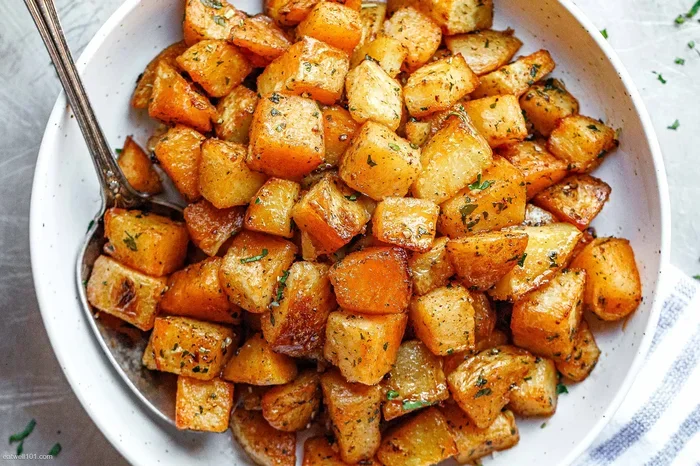
- Crispy roasted potatoes: Toss baby potatoes in olive oil and roast alongside the steak.
For a special occasion, try a red wine reduction sauce. Deglaze the cast iron skillet with a splash of red wine after removing the steak. Add a little beef broth and let it simmer until thick and glossy. Pour it over the sliced steak. It is restaurant-quality at home with minimal effort.
Storing and Reheating Leftover Steak
If you have leftover thick steak, store it properly to enjoy it the next day. Let the steak cool to room temperature first. Wrap it tightly in plastic wrap or aluminum foil. Place it in the refrigerator. Properly stored, cooked steak keeps for 3 to 4 days.
To reheat, use the oven at 250°F. Place the steak on a wire rack and warm it for 10 to 15 minutes. This gentle reheating prevents the steak from drying out. You can also reheat in a skillet on low heat with a little butter. Cover the pan to trap moisture.
Avoid reheating steak in the microwave. It heats unevenly and can make the meat rubbery. The oven or skillet method preserves the texture and flavor much better.
Conclusion
How to cook thick steak in the oven is a skill anyone can learn. With the right cut, the right temperature, and a little patience, you can create restaurant-quality steak in your own kitchen. The reverse sear method gives you control and consistency. A meat thermometer takes the guesswork out. And resting the steak ensures juiciness in every bite.
Remember to choose steaks at least 1.5 inches thick. Season them simply but well. Cook low and slow in the oven first. Then finish with a hot sear in a cast iron skillet. Let the steak rest before slicing. Follow these steps and your oven-baked steak will be juicy, tender, and full of flavor every single time.
Now it is your turn. Grab a thick steak from your local butcher or grocery store. Preheat that oven. And create something truly delicious. Once you master this technique, you will never want to order steak at a restaurant again. Your kitchen will become your favorite steakhouse.
Frequently Asked Questions
Can I cook a thick steak in the oven without searing it?
Yes, you can. Skip the skillet step and cook the steak entirely in the oven at 250°F until it reaches your desired internal temperature. The result will be more uniform in texture but will lack the crispy brown crust that searing provides. Many people still enjoy this method for its simplicity.
What is the best oven temperature for cooking a thick steak?
250°F is the best temperature for the reverse sear method. It cooks the steak evenly from edge to edge. If you prefer a faster method, 450°F works for direct oven roasting but requires closer monitoring to avoid overcooking the outside.
How long should I rest my steak after cooking?
Rest your steak for 8 to 10 minutes after cooking. This allows the juices to redistribute throughout the meat. Cutting too early causes the juices to run out, leaving you with a drier steak. Use this time to prepare your sides or make a quick pan sauce.
Can I use a regular baking sheet instead of a wire rack?
You can, but a wire rack produces better results. The rack allows air to circulate around the steak, which helps the surface dry out and form a better crust. If you use a baking sheet directly, the bottom of the steak will steam instead of dry out, resulting in a softer texture.
How do I know when my steak is done in the oven?
The only reliable way is to use a meat thermometer. Insert it into the thickest part of the steak. For medium-rare, aim for 130°F to 135°F before resting. Remember that the temperature will rise about 5°F during the resting period, which is called carryover cooking.
Can I cook frozen thick steak in the oven?
It is not recommended. Frozen steak cooks unevenly in the oven. The outside may overcook before the inside thaws. For the best results, always cook steak that has been thawed in the refrigerator for 12 to 24 hours beforehand. This ensures even cooking and better texture throughout the thick cut.