How To Cook Honeynut Squash In Oven And Get It Perfect
Discover the easiest way to cook honeynut squash in oven for a sweet, nutty, and caramelized side dish. This guide walks you through every step, from selecting the perfect squash to achieving fork-tender perfection. You will learn simple tricks for roasting honeynut squash that turn out perfectly every time.
If you want to cook honeynut squash in oven and get it perfect, you are in the right place. This small winter squash is sweet, nutty, and incredibly easy to prepare. It roasts up beautifully with caramelized edges and tender flesh. Whether you are a beginner or a seasoned cook, you will love how simple it is.
Honeynut squash looks like a tiny butternut squash. It has a deep orange skin and a rich, sweet flavor. You can roast it, mash it, or add it to salads. It makes a wonderful autumn side dish. In this guide, we will show you the exact steps to get perfect results every time.
You will learn how to pick the best squash, how to prep it, and how to season it. We will also share tips for the best texture and flavor. By the end, you will feel confident to make this healthy vegetable a regular part of your meals.
Key Takeaways
- Simple oven method: Roast at 400°F for 35–45 minutes for caramelized edges and tender flesh.
- No peeling needed: The skin softens during roasting and is edible.
- Seasoning flexibility: Use maple syrup, brown butter, sage, or thyme for sweet or savory flavors.
- Storage made easy: Keep leftovers in the fridge for 5 days or freeze for 3 months.
- Nutrient-packed: Honeynut squash is rich in vitamin A, beta-carotene, fiber, and low FODMAP.
- Perfect side dish: Pairs beautifully with roasted meats, grains, and salads.
- Common mistakes avoided: Skip parchment, overcrowding, and undercooking for best results.
📑 Table of Contents
Why Honeynut Squash Is a Fall Favorite
Honeynut squash belongs to the winter squash family. It is a cross between butternut squash and buttercup squash. Its skin is edible when roasted, which saves you peeling time. The flesh is creamy, sweet, and packed with nutrients.
Compared to acorn squash, honeynut squash is sweeter and less stringy. It also has a thicker, nuttier flavor. Many people prefer it for its rich taste and easy preparation. It is a great source of vitamin A and beta-carotene. It is also fiber-rich and low FODMAP, making it gentle on the stomach.
When you roast honeynut squash, the natural sugars caramelize. This creates a deep, sweet flavor with caramelized edges. The tender flesh almost melts in your mouth. It pairs well with both sweet and savory flavors.
How To Cook Honeynut Squash In Oven: Step-by-Step Guide
Follow these simple steps to achieve perfectly roasted squash every time. The process is straightforward and requires minimal ingredients.
Step 1: Pick the Right Squash
Look for squash that is heavy for its size. The skin should be firm and smooth. Avoid any with soft spots or cracks. A good honeynut squash will feel dense and look glossy.
Choose squash that is about 4 to 6 inches long. Smaller ones tend to be sweeter. You can find them in most grocery stores during the fall and winter months. They are a great example of seasonal produce.
Step 2: Prep and Cut
Start by rinsing the squash under cool water. Pat it dry with a clean towel. You do not need to peel it because the skin softens when roasted.
Use a sharp chef’s knife to cut the squash in half lengthwise. Scoop out the seeds and stringy pulp with a spoon. You can save the seeds to roast later, but most people discard them.
Place the halves cut-side up on a piece of parchment paper. This prevents sticking and makes cleanup easy. You can also line a roasting pan with parchment.
Step 3: Season Like a Pro
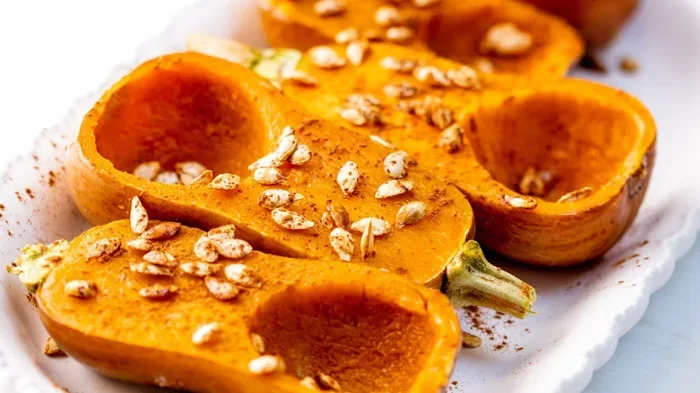
The simplest seasoning is olive oil, salt and black pepper, and a pinch of fresh sage. Drizzle a little oil over each half. Sprinkle salt and pepper evenly. Add a few sage leaves on top.
For a sweeter version, add a drizzle of maple syrup or a pat of brown butter. You can also use rosemary or thyme. These herbs bring out the nutty flavor of the squash.
Toss the squash gently with your hands to coat it evenly. Make sure each piece gets a thin layer of oil and seasoning. Do not overdo it; a little goes a long way.
Step 4: Roast to Perfection
Preheat your oven to 400°F (200°C). This high heat helps create caramelized edges and a soft interior. Place the squash halves cut-side down on the roasting pan.
Roast for 20 to 25 minutes. Then flip the halves cut-side up. Roast for another 15 to 20 minutes. The squash is done when a fork slides in easily. This is what we call fork-tender.
Let the squash cool for a few minutes before serving. The flesh will be slightly caramelized and deeply sweet. You can serve it as is or mash it lightly.
Quick Tips for the Best Roasted Honeynut Squash
Quick Tips for Perfect Texture
- Cut evenly: Try to make the halves the same thickness. This ensures they cook at the same rate.
- Don’t crowd the pan: Leave space between the squash pieces. Air needs to flow for even roasting.
- Use a hot oven: 400°F is ideal. A lower temperature will steam the squash instead of roasting it.
- Check for doneness early: Start checking at 20 minutes. Every oven is different.
Common Mistakes to Avoid
Skipping the parchment paper: This leads to stuck-on bits and a frustrating cleanup. Always line your pan.
Over-seasoning: Too much oil can make the squash greasy. Use just enough to coat lightly.
Cutting too early: Do not cut the squash until you are ready to roast it. It dries out quickly once cut.
Undercooking: If the fork does not slide in smoothly, give it a few more minutes. You want tender flesh, not hard chunks.
Expert Insight: “The secret to roasted honeynut squash is a hot oven and a little patience. Let the natural sugars do the work,” says Chef Maria Lopez, a seasonal cooking expert.
Flavor Variations and Serving Ideas
Seasoning Blends for Different Tastes
You can change the flavor profile easily. Here are three popular blends to try.
| Blend | Ingredients | Best Paired With |
|---|---|---|
| Sweet & Savory | Maple syrup, olive oil, salt, pepper, fresh sage | Roasted turkey or pork |
| Herb Garden | Olive oil, rosemary, thyme, garlic, salt | Roasted chicken or lentils |
| Spicy Kick | Olive oil, smoked paprika, cayenne, salt, black pepper | Grain bowls or salads |
For a sweet and savory side dish, drizzle maple syrup and sprinkle fresh sage before roasting. The brown butter option adds richness. Simply melt a tablespoon of butter and brush it over the squash before it goes in the oven.
Serve roasted honeynut squash as a side dish alongside roasted meats or grains. You can also mash it with a little cream and nutmeg for a simple puree. It works beautifully in salads, grain bowls, and even soups. This easy side dish is also a great one-pan meal when paired with protein.
How to Store and Reheat Leftovers
Leftover roasted squash keeps well in the fridge. Store it in an airtight container for up to 5 days. You can also freeze cooked squash for up to 3 months.
To reheat, place the squash on a baking sheet. Warm it in the oven at 350°F for 10 minutes. This helps restore the caramelized edges. Microwaving works too, but it can make the flesh a bit soft. The oven method preserves the best texture.
If you have mashed squash, store it separately from any toppings. Reheat gently on the stove with a splash of cream. This keeps it smooth and creamy.
Health Benefits of Honeynut Squash
Honeynut squash is more than just delicious. It is a healthy vegetable packed with vitamins and minerals. One serving provides a good dose of vitamin A, which supports eye health and immunity.
The bright orange color comes from beta-carotene, a powerful antioxidant. This nutrient helps protect your cells from damage. Honeynut squash is also fiber-rich, which aids digestion and keeps you feeling full longer.
It is naturally low FODMAP, making it suitable for people with sensitive digestive systems. It is also a good source of vitamin C and potassium. Adding it to your meals is an easy way to boost your nutrient intake.
Conclusion
Cooking honeynut squash in oven is one of the simplest ways to enjoy this nutritious vegetable. With just a few ingredients and a hot oven, you can create a dish that is sweet, nutty, and perfectly caramelized. Remember to choose a firm squash, cut it evenly, and roast until fork-tender.
Try the different seasoning blends to find your favorite. Serve it as a warm side dish or add it to your favorite recipes. Once you learn how to cook honeynut squash in oven, you will want to make it again and again. It is a true autumn classic that never disappoints.
Frequently Asked Questions
Can I use honeynut squash instead of butternut squash?
Yes, honeynut squash is a smaller, sweeter version of butternut squash. It works well in most recipes that call for butternut squash. The cooking time may be slightly shorter because of its size.
Do I need to peel honeynut squash before roasting?
No, you do not need to peel it. The skin softens during roasting and is completely edible. It saves you time and adds extra fiber to your meal.
What temperature is best for roasting honeynut squash?
400°F (200°C) is the ideal temperature. It creates perfect caramelized edges while keeping the inside tender. A lower temperature will steam the squash instead of roasting it.
How long does roasted honeynut squash last in the fridge?
Store cooked squash in an airtight container for up to 5 days. It keeps well and can be reheated in the oven or microwave. For longer storage, freeze it for up to 3 months.
Is honeynut squash low FODMAP?
Yes, honeynut squash is considered low FODMAP. It is gentle on the digestive system and suitable for people following a low FODMAP diet. Always check portion sizes for best tolerance.
Can I add honeynut squash to soups or stews?
Absolutely. Roasted honeynut squash adds a sweet, nutty flavor to soups and stews. You can also cube raw squash and add it directly to simmering soups. It thickens the broth naturally.