Does Coffee Make You Gain Belly Fat or Help You Lose It
Does coffee make you gain belly fat? The short answer is no — plain black coffee does not cause belly fat. In fact, caffeine can boost metabolism and support fat burning. However, sugary coffee drinks, creamers, and excess calories can lead to weight gain, especially around the midsection. The key lies in how you drink your coffee and how much you consume.
Key Takeaways
- Black coffee itself does not cause belly fat: Plain coffee is low in calories and may actually support weight management.
- Added sugar and cream are the real culprits: Flavored lattes and sugary drinks can pack hundreds of extra calories per serving.
- Caffeine boosts metabolism temporarily: It can increase fat burning and improve workout performance when consumed moderately.
- Excess coffee raises cortisol levels: Too much caffeine can trigger stress hormones that promote belly fat storage.
- Drinking coffee on an empty stomach may increase cravings: This can lead to overeating later in the day.
- Moderation is key: Stick to 1-3 cups per day and watch what you add to your brew.
- Brewing method matters: Clean equipment and proper preparation affect both taste and health impact.
📑 Table of Contents
- Does Coffee Make You Gain Belly Fat or Help You Lose It?
- What Happens When You Drink Coffee
- The Real Reason Coffee Gets Blamed for Belly Fat
- How Caffeine Affects Fat Storage and Belly Fat
- How to Drink Coffee Without Gaining Belly Fat
- Coffee and Belly Fat: What the Research Says
- Common Mistakes That Lead to Coffee-Related Belly Fat
- Expert Insights on Coffee and Body Composition
- Conclusion
Does Coffee Make You Gain Belly Fat or Help You Lose It?
Let’s get one thing straight right away. Plain black coffee does not make you gain belly fat. If you drink your coffee without sugar, cream, or flavored syrups, you are looking at roughly 2 to 5 calories per cup. That is barely anything. So where does the idea that coffee causes belly fat come from? And why do so many people worry about it?
The truth is more nuanced than a simple yes or no. Coffee itself is not the enemy. But the way many of us drink it — loaded with sugar, whipped cream, and flavored additions — can absolutely contribute to weight gain. Add in lifestyle factors like stress, poor sleep, and drinking coffee on a full or empty stomach, and the picture gets more complicated.
In this article, we will walk through the science behind coffee and belly fat. We will look at how caffeine affects your metabolism, what happens when you add extras to your cup, and how to enjoy coffee without sabotaging your fitness goals. Whether you drink one cup a day or five, this guide will help you understand what is really going on with your waistline.
What Happens When You Drink Coffee
Before we dive into belly fat specifically, let us understand what coffee does to your body overall. Coffee is one of the most widely consumed beverages on the planet. People drink it for energy, focus, and even pleasure. But inside your body, a lot is happening with every sip.
Caffeine and Your Metabolism
Caffeine is a natural stimulant. It wakes up your central nervous system and gives you a temporary energy boost. One of the most studied effects of caffeine is its ability to boost metabolic rate. Research shows that caffeine can increase your metabolism by 3 to 11 percent, depending on the person and the dose.
What does this mean for fat loss? A faster metabolism means your body burns more calories at rest. This is especially true for fat oxidation, which is the process your body uses to break down fat stores for energy. Caffeine can enhance this process, making it easier for your body to use fat as fuel.
However, this effect is not permanent. Your body builds a tolerance to caffeine over time. So the metabolic boost you feel in week one may be much smaller by month three. This is why cycling your caffeine intake can be a smart strategy.
Caffeine and Physical Performance
Many athletes drink coffee before a workout. And there is good reason for that. Caffeine improves physical performance by increasing adrenaline levels and releasing fatty acids from fat tissues. This can help you push harder during exercise and burn more calories.
If you drink a cup of coffee about 30 minutes before a workout, you may notice improved endurance and strength. This can indirectly help you lose belly fat by making your workouts more effective. But remember, exercise alone does not spot-reduce belly fat. Overall calorie balance matters most.
The Real Reason Coffee Gets Blamed for Belly Fat
So if plain black coffee is basically zero calories, why do people gain belly fat from coffee? The answer is almost always what they put in it. Let us break this down.
Sugar and Sweetened Coffee Drinks
A plain cup of black coffee has about 2 calories. A grande caramel frappuccino from a popular coffee chain? Up to 400 to 500 calories. That is essentially a meal in a cup. And most people do not stop at one.
Sugar is a major driver of belly fat. When you consume more sugar than your body needs, the excess gets stored as fat. And guess where it likes to go first? Your midsection. Visceral fat, the fat that wraps around your organs, is strongly linked to high sugar intake.
Flavored syrups, whipped cream, and chocolate toppings all add calories with zero nutritional value. Over time, these extra calories add up and can lead to noticeable weight gain around the belly.
Creamers and Milk Additions
It is not just sugar that causes the problem. Heavy creamers and full-fat milk also add calories to your coffee. A splash of half-and-half is fine. But if you are pouring in several tablespoons of cream every morning, those calories can quietly sabotage your goals.
Some non-dairy creamers are even worse. They often contain hydrogenated oils, artificial flavors, and added sugars. Reading the label on your creamer can be an eye-opening experience.
The Latte Effect
A latte might sound like a healthy choice. After all, it is just coffee with milk, right? Not quite. A 16-ounce latte made with whole milk and flavored syrup can contain 250 to 350 calories and 30 to 40 grams of sugar. That is closer to a dessert than a beverage.
If you love lattes, try switching to a smaller size, using skim or oat milk, and skipping the flavored syrup. These small changes can make a big difference over time.
How Caffeine Affects Fat Storage and Belly Fat
Now let us get into the deeper science. How exactly does caffeine interact with fat storage, and what role does it play in belly fat?
Cortisol and Stress Hormones
Caffeine raises cortisol levels. Cortisol is your body’s stress hormone. In small, short bursts, cortisol is normal and even helpful. But when cortisol stays elevated for too long, it can cause your body to store more fat, especially in the abdominal area.
If you drink more than 4 cups of coffee a day, you may be keeping your cortisol levels chronically elevated. This can lead to what many people call a “coffee belly.” The fix is simple: moderate your intake and avoid drinking coffee late in the day, which can also disrupt sleep and worsen cortisol issues.
Insulin Sensitivity
Caffeine can temporarily reduce insulin sensitivity. This means your body has a harder time moving sugar out of your bloodstream after a meal. When insulin sensitivity drops, your body stores more fat, particularly around the belly.
This effect varies from person to person. Some people are more sensitive to caffeine’s impact on insulin than others. If you notice bloating or cravings after coffee, your body might be reacting in this way.
Coffee and Appetite
Interestingly, caffeine can suppress appetite in the short term. This is why many people skip breakfast after their morning coffee. But this suppression is temporary. Once the caffeine wears off, hunger often comes back stronger, leading to overeating later.
Drinking coffee on an empty stomach can also increase stomach acid production, which may cause discomfort and cravings for sugary or fatty foods as your body tries to balance things out.
How to Drink Coffee Without Gaining Belly Fat
The good news is that you do not have to give up coffee to stay lean. You just need to be smart about how you prepare and consume it. Here are practical tips that actually work.
Choose Your Brew Wisely
How you brew your coffee matters more than you might think. Drip coffee and French press are great options because they let you control exactly what goes into your cup. If you prefer a cleaner taste, consider using a method that does not require a filter or machine for a simpler, more natural brew.
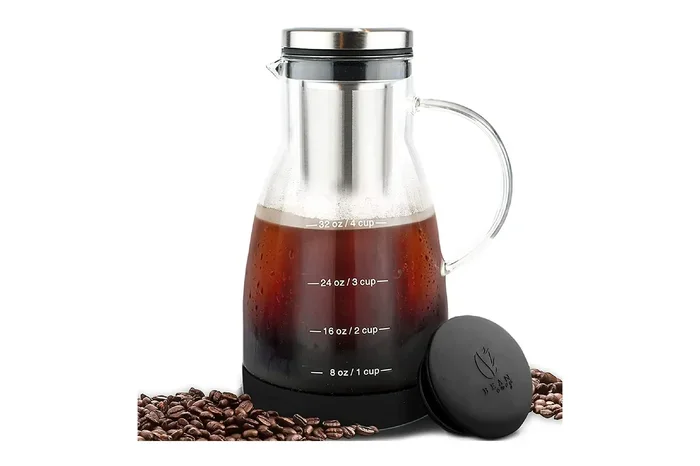
Cold brew is another excellent option. It is naturally less acidic and often tastes smoother without needing added sugar or cream. You can make a large batch ahead of time and drink it throughout the week.
Watch Your Grind Size
The way you grind your beans affects both flavor and extraction. A finer grind does not make coffee stronger in terms of caffeine content, but it does change the taste profile. If you are interested in how grinding affects your brew, check out our guide on whether grinding coffee beans finer makes it stronger.
Using the right grind size for your brewing method ensures you get the best flavor without needing to mask it with sugar or cream. Better-tasting coffee naturally means fewer add-ins.
Keep It Clean
This might sound surprising, but the cleanliness of your coffee equipment affects your health. Old coffee buildup can harbor bacteria and affect the taste of your brew. Make it a habit to regularly clean your coffee machine water tank and other parts.
A clean machine brews better coffee, which means you are less likely to reach for sweeteners to cover up stale or off flavors. It is a small habit that supports your health goals in more ways than one.
Smart Add-Ins
If you cannot stand black coffee, there are healthier ways to enhance it. Try these options:
- Cinnamon: Adds natural sweetness without calories and helps regulate blood sugar.
- Unsweetened almond milk or oat milk: Low-calorie alternatives that cream up your coffee nicely.
- A dash of cocoa powder: Gives a chocolatey flavor with antioxidants.
- MCT oil or coconut oil: Adds healthy fats that keep you full longer.
- Collagen peptides: Supports skin and joint health with no flavor change.
These alternatives let you enjoy a richer cup without the calorie bomb that comes from sugar and flavored creamers.
Timing Matters
When you drink your coffee matters just as much as what is in it. Here are some timing tips:
- Wait 90 minutes after waking up: Your cortisol levels are naturally high in the morning. Drinking coffee right away can interfere with this natural rhythm.
- Avoid coffee after 2 PM: Caffeine has a half-life of about 5 to 6 hours. Drinking it late can disrupt your sleep, which is a major factor in belly fat storage.
- Pair coffee with a balanced meal: Never drink coffee on an empty stomach if possible. Eating a meal with protein and healthy fats first helps stabilize blood sugar.
Coffee and Belly Fat: What the Research Says
Let us look at what the actual science says about coffee and belly fat. Multiple studies have explored this topic, and the results are interesting.
A study published in the American Journal of Clinical Nutrition found that moderate coffee consumption was associated with lower body fat percentage in both men and women. Another study from the Harvard School of Public Health found that people who drank 2 to 3 cups of coffee per day had a lower risk of obesity compared to non-drinkers.
However, the same studies noted that these benefits were linked to black coffee or minimally sweetened coffee. The moment sugar, syrups, and high-calorie creamers entered the picture, the benefits disappeared.
The takeaway is clear: coffee in its pure form can support a healthy weight. But the way most people drink it commercially can have the opposite effect.
Common Mistakes That Lead to Coffee-Related Belly Fat
Are you making any of these common mistakes? They are easy to fix and can make a real difference.
Drinking Too Many Cups
One or two cups of coffee a day is generally fine for most people. But if you are drinking 4, 5, or 6 cups, the cumulative calories from add-ins can be significant. Plus, excess caffeine raises cortisol and disrupts sleep, both of which promote belly fat.
Ignoring Liquid Calories
Most people track their food calories carefully but forget about liquid calories in drinks. A single flavored latte can contain more calories than a meal. Over a week, these extra calories add up to pounds of weight gain.
Using Coffee to Skip Meals
Some people use coffee as an appetite suppressant and skip breakfast. This backfires. When you finally eat, you are ravenous and more likely to overeat, especially sugary and high-carb foods that directly contribute to belly fat.
Relying on Energy Coffee Drinks
Energy coffee drinks and pre-made bottled coffees are often loaded with sugar and artificial ingredients. They are essentially dessert drinks disguised as coffee. Always check the nutrition label before buying.
Expert Insights on Coffee and Body Composition
Nutritionists and dietitians generally agree on one thing: plain black coffee is not a belly fat culprit. The problem lies in consumption patterns and additives.
Registered dietitian and nutrition expert Dr. Megan Rossi notes that coffee can be part of a healthy diet when consumed in moderation. She recommends keeping add-ins minimal and paying attention to how your body responds to caffeine.
Fitness coach Chris Heria often advises clients to drink black coffee before workouts for an energy and fat-burning boost. He emphasizes that the key is consistency and moderation, not elimination.
The consensus among experts is that coffee is a tool. Used wisely, it can support your health and fitness goals. Used carelessly, it can work against them.
Conclusion
So, does coffee make you gain belly fat? The answer is no, not on its own. Plain black coffee is a low-calorie beverage that can actually support your metabolism and fat-burning efforts. The real culprits are the sugar, cream, and high-calorie add-ins that turn a healthy drink into a calorie bomb.
By drinking coffee in moderation, choosing smart add-ins, and paying attention to timing, you can enjoy your daily brew without worrying about belly fat. Keep your intake to 1-3 cups per day, brew it clean, and listen to how your body responds.
Coffee is not the enemy — how you drink it is. Make informed choices, and your morning cup can stay a healthy part of your routine for years to come.
Frequently Asked Questions
Can drinking coffee reduce belly fat?
Plain black coffee may help reduce belly fat indirectly by boosting metabolism and improving workout performance. However, it is not a magic solution. The fat-burning effects are modest and work best when combined with a healthy diet and regular exercise.
How many cups of coffee a day is safe for weight management?
Most health experts recommend 1 to 3 cups of coffee per day. This amount provides enough caffeine to boost metabolism without raising cortisol levels excessively. Drinking more than 4 cups a day may increase the risk of cortisol-related belly fat storage.
Does decaf coffee cause belly fat?
No, decaf coffee does not cause belly fat. It contains very few calories and no caffeine, so it does not affect cortisol or insulin in the same way. However, flavored decaf drinks with added sugar can still contribute to weight gain.
Why does my stomach look bigger after drinking coffee?
Coffee can cause temporary bloating due to increased stomach acid production and its diuretic effects. This is not actual fat gain. If you notice persistent bloating after coffee, try switching to a lower-acid brew or drinking it with food.
Is it better to drink coffee black or with milk for weight loss?
Black coffee is the best choice for weight loss because it has virtually zero calories. If you need milk, opt for unsweetened almond milk or skim milk, which add minimal calories. Avoid flavored creamers and full-fat milk in large quantities.
Does the time of day I drink coffee affect belly fat?
Yes, timing matters. Drinking coffee late in the day can disrupt sleep, which increases cortisol and promotes belly fat storage. It is best to drink coffee in the morning or early afternoon and avoid it after 2 PM for optimal results.