How To Make Overnight Cold Brew Coffee the Simple Way
Making overnight cold brew coffee is incredibly easy and requires just two ingredients: coffee and water. You simply combine coarse grounds with cold water, let them steep overnight in your fridge, and strain in the morning for a smooth, bold concentrate. This method produces low-acidity, creamy cold brew that tastes far better than most café versions.
If you love coffee but find hot brews too bitter or acidic, you need to try overnight cold brew coffee. This method has taken the coffee world by storm, and for good reason. It’s simple, it’s forgiving, and the result is incredibly smooth. You don’t need expensive gear or years of experience. All you need is coffee, water, and a little patience.
Cold brew coffee has been around for centuries, but it’s exploded in popularity over the last decade. Coffee shops charge a premium for it, but making it at home costs a fraction of the price. Plus, you control the strength, the sweetness, and the quality of your beans. Once you start making cold brew concentrate at home, you’ll never go back to store-bought bottles.
This guide walks you through everything you need to know. From choosing the right beans to nailing the perfect ratio, we’ve got you covered. Whether you’re a complete beginner or a coffee lover looking to refine your technique, you’ll find practical tips here. Let’s dive in and make the smoothest cup of coffee you’ve ever tasted.
Key Takeaways
- Simple Process: Cold brew only needs coffee, water, and patience — no special equipment required.
- Smooth Flavor: The long steeping time creates a low-acidity, less bitter cup compared to hot brewing.
- Flexible Ratios: You can adjust the coffee-to-water ratio to match your preferred strength.
- Long Shelf Life: Properly stored cold brew concentrate lasts up to two weeks in the fridge.
- No Heat Needed: Unlike making coffee without a filter or machine, cold brew skips heat entirely for a cleaner extraction.
- Customizable: Add milk, sweetener, or ice to tailor your cold brew to your taste.
📑 Table of Contents
- What Is Overnight Cold Brew Coffee?
- What You Need to Get Started
- Step-by-Step Guide to Making Overnight Cold Brew Coffee
- The Perfect Coffee-to-Water Ratio
- Tips for the Smoothest Cold Brew
- Storing, Serving, and Using Your Cold Brew
- Cold Brew vs. Hot Brewed Coffee
- Common Mistakes to Avoid
- Frequently Asked Questions
- Conclusion
What Is Overnight Cold Brew Coffee?
Overnight cold brew coffee is simply coffee grounds steeped in cold or room-temperature water for 12 to 24 hours. This slow process is called cold water extraction. Unlike hot brewing, which uses heat to pull flavors out quickly, cold brew takes its time. The result is a concentrate that’s naturally sweet, low in acidity, and remarkably smooth.
The science behind it is straightforward. Heat accelerates extraction, pulling out bitter compounds and oils quickly. Cold water extracts flavors slowly and selectively. It grabs the pleasant, sweet notes while leaving behind much of the harshness. This is why cold brew coffee tastes so different from regular iced coffee, which is just hot coffee poured over ice.
Many people confuse cold brew with iced coffee. They are not the same thing. Iced coffee is brewed hot and then cooled down. Cold brew never sees heat. This distinction matters for flavor, acidity, and caffeine content. Cold brew concentrate is typically stronger, so you dilute it with water or milk before drinking.
Why Make It Overnight?
The “overnight” part is the beauty of this method. You prep it before bed, let your fridge do the work while you sleep, and wake up to fresh cold brew. It fits seamlessly into any routine. No monitoring, no timers, no fuss. The long steeping time — usually 12 to 18 hours — allows for a full, rich extraction without any effort on your part.
Some people worry that leaving coffee to steep for so long might make it taste off. In reality, cold brewing is very forgiving. The low temperature prevents over-extraction and bitterness. You get a clean, balanced cup every time. This is what makes overnight cold brew coffee so popular among busy people who still want café-quality coffee at home.
What You Need to Get Started
The beauty of cold brew coffee is how little equipment you need. You probably already have everything in your kitchen. Here’s what you’ll want to gather before you start.
Coffee Beans and Grind
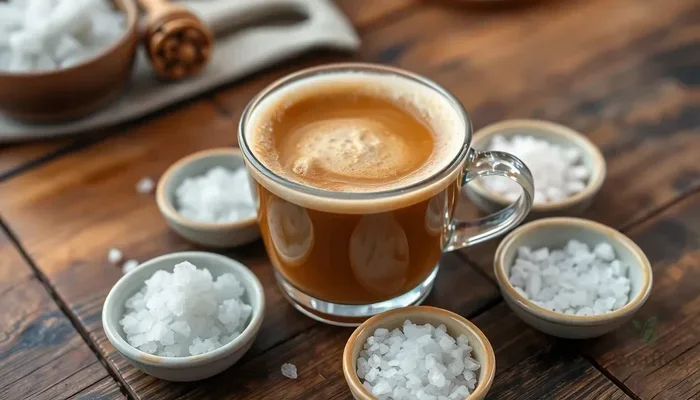
Start with coarsely ground coffee. The grind size matters a lot for cold brew. Think of it like sea salt — rough and chunky. A fine grind will slip through your strainer and make the coffee gritty. A coarse grind stays behind and extracts cleanly. If you buy whole beans, grind them yourself just before brewing for the freshest flavor.
You might wonder, will grinding coffee beans finer make it stronger? The answer is yes, but with trade-offs. A finer grind increases surface area and can extract more flavor. However, for cold brew, a coarse grind is ideal because it prevents over-extraction and keeps the final product smooth. Stick with coarse for the best results.
Water Quality
Water makes up over 98 percent of your cold brew. Don’t overlook its importance. Use filtered water for the cleanest taste. Tap water with heavy chlorine or mineral content can alter the flavor of your brew. Good water lets the coffee beans shine through.
Containers and Strainers
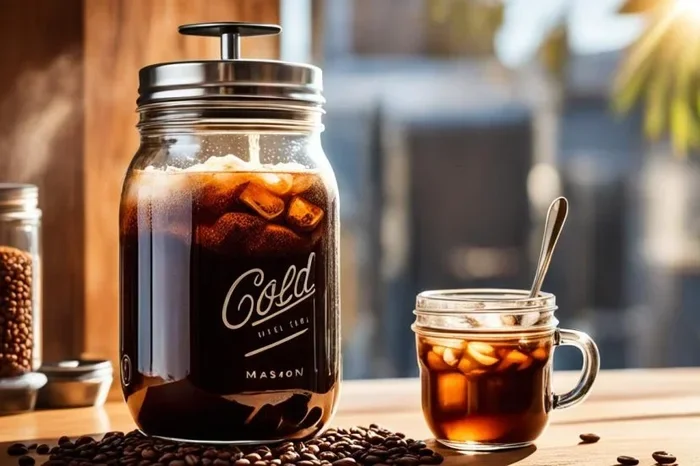
You need a large jar or pitcher to hold your brew. A large mason jar works perfectly and is easy to find. For straining, a fine mesh strainer or cheesecloth does the job. Some people use a coffee filter for an even cleaner result. You don’t need anything fancy — just something to separate the grounds from the liquid.
You don’t need any special kitchen appliances like a Farberware air fryer toaster oven or anything complicated. Cold brew is about simplicity. The only thing you really need besides the basics is time and a place in your fridge to let the jar sit undisturbed.
Optional Add-Ins
- Sweetener: Simple syrup, honey, or maple syrup
- Milk or cream: Whole milk, oat milk, or almond milk
- Flavorings: Vanilla extract, cinnamon, or cocoa powder
- Ice: For serving over ice
These are all optional. The beauty of overnight cold brew coffee is that you can drink it straight or customize it to your liking. Start plain and experiment once you have your base concentrate down.
Step-by-Step Guide to Making Overnight Cold Brew Coffee
Now for the fun part — actually making it. The process is dead simple and takes about five minutes of active prep time. Everything else happens while you sleep.
Step 1: Measure Your Coffee
Start by measuring your coffee grounds. For a standard batch, you’ll need about one cup of coarsely ground coffee. A kitchen scale helps if you want precision, but measuring cups work fine too. The key is consistency — use the same amount each time so you can replicate your perfect cup.
Step 2: Add Cold Water
Pour your cold, filtered water over the coffee grounds. Stir gently with a spoon to make sure all the grounds are saturated. The water should cover everything evenly. This initial mix helps kick off the cold water extraction process.
Step 3: Cover and Refrigerate
Cover your jar or pitcher with a lid or plastic wrap. Place it in the fridge and let it sit undisturbed. The steeping time for overnight cold brew coffee is typically 12 to 18 hours. Twelve hours gives a milder brew, while 18 hours produces a stronger, more concentrated flavor. Experiment to find your sweet spot.
Step 4: Strain the Coffee
When the steeping time is up, it’s time to strain. Place your fine mesh strainer over a clean bowl or pitcher. Pour the cold brew through it slowly. The grounds will stay behind, and the liquid passes through. For an extra-smooth result, line the strainer with a coffee filter or cheesecloth.
Don’t press or squeeze the grounds. Let gravity do the work. Pressing can release fine particles and add bitterness. Patience here pays off with a cleaner cup.
Step 5: Dilute and Serve
Your cold brew concentrate is now ready. It’s strong and intense, so you’ll want to dilute it. A good starting ratio is one part concentrate to one part water or milk. Adjust to taste. Pour over ice, add your favorite extras, and enjoy.
That’s it! Five minutes of prep and 12 to 18 hours of waiting. The process couldn’t be easier. Once you make your first batch, you’ll see how simple it really is.
The Perfect Coffee-to-Water Ratio
Getting the ratio right is the single most important factor in making great cold brew coffee. Too much coffee and your brew is overpowering. Too little and it tastes weak and watery. Here are some ratios to try.
Standard Ratio for Cold Brew Concentrate
The most common ratio is one part coffee to four parts water by volume. This produces a strong concentrate that you dilute before drinking. For example:
- 1 cup coffee grounds to 4 cups water
- 1/2 cup coffee grounds to 2 cups water
- 2 cups coffee grounds to 8 cups water
Lighter Ratio for Ready-to-Drink Brew
If you prefer to drink your cold brew straight without diluting, try a lighter ratio:
- 1 part coffee to 8 parts water
- 1/2 cup coffee grounds to 4 cups water
This produces a ready-to-drink brew that’s smoother and less intense. It’s great for people who are new to cold brew or prefer a milder cup.
Adjusting for Your Taste
There’s no single perfect ratio. It comes down to personal preference. Start with the standard concentrate ratio and adjust from there. If your first batch is too strong, use less coffee next time. If it’s too weak, add more. The beauty of making overnight cold brew coffee at home is that every batch is a chance to refine your process.
Keep notes on your ratios and steeping times. Over time, you’ll develop a recipe that’s perfectly yours. That’s part of the fun of making cold brew at home.
Tips for the Smoothest Cold Brew
Even though cold brew is forgiving, a few tips can take your results from good to great. Here’s what the coffee experts recommend.
Use Fresh Beans
Fresh coffee beans make a noticeable difference. Look for beans roasted within the last two to four weeks. Older beans lose their flavor and aroma over time. For the best cold brew concentrate, buy whole beans and grind them just before brewing.
Stick with Coarse Grind
This cannot be stressed enough. A coarse grind is essential for clean cold brew. Fine grounds create sludge and can clog your strainer. They also release more bitter compounds during the long steep. If you don’t have a grinder at home, buy pre-ground coffee labeled for cold brew or French press.
Cold Water From the Start
Always use cold water from the beginning. Some people use room-temperature water for faster extraction, but cold water throughout the process gives the cleanest flavor. The low temperature is what makes cold brew so smooth and low in acidity.
Don’t Over-Steep
While 12 to 18 hours is the sweet spot, going beyond 24 hours can introduce off-flavors. The coffee continues to extract the longer it sits, and eventually, it can turn bitter or woody. Stick to the recommended window for the best results.
Stir at the Beginning
A gentle stir when you first combine the coffee and water ensures even saturation. This helps the slow extraction happen consistently across all the grounds. After that, leave it alone and let time do the work.
Store Properly
Keep your cold brew in a sealed container in the fridge. Exposure to air can cause oxidation and change the flavor. A tightly sealed mason jar or airtight pitcher keeps your brew fresh for up to two weeks.
Storing, Serving, and Using Your Cold Brew
Once you’ve made your overnight cold brew coffee, proper storage ensures it stays fresh and delicious. Here’s everything you need to know about keeping and using your cold brew.
How Long Does Cold Brew Last?
Cold brew concentrate keeps well in the fridge for up to two weeks. The high concentration acts as a natural preservative. After two weeks, the flavor starts to decline. For the best taste, try to use your batch within 10 to 14 days.
If you’ve diluted your cold brew with water or milk, consume it within three to four days. The added liquid reduces the shelf life. Make only what you’ll drink within that window.
Serving Suggestions
There are countless ways to enjoy your cold brew. Here are some popular options:
- Classic: Cold brew over ice with a splash of water
- Creamy: Cold brew with milk or cream and ice
- Sweet: Cold brew with simple syrup or flavored syrup
- Vanilla: Cold brew with a splash of vanilla extract
- Mocha: Cold brew mixed with chocolate syrup and milk
Using Cold Brew in Recipes
Beyond drinking it straight, cold brew concentrate is a versatile ingredient. Use it in coffee cocktails, coffee smoothies, or even coffee-infused desserts. Its smooth, low-acidity profile makes it a great base for recipes where coffee flavor needs to shine without bitterness.
Some people even use cold brew in marinades for meat. The acidity and bold flavor add depth to savory dishes. It’s a great way to use up extra concentrate before it loses its freshness.
Cold Brew vs. Hot Brewed Coffee
Understanding the differences between cold brew coffee and regular hot-brewed coffee helps you appreciate why so many people make the switch. Here’s a side-by-side look.
| Aspect | Cold Brew | Hot Brewed |
|---|---|---|
| Brewing Method | Cold water, 12-18 hours | Hot water, 3-5 minutes |
| Acidity Level | Low (about 60% less) | Higher |
| Flavor Profile | Smooth, sweet, mellow | Bright, complex, bold |
| Bitterness | Very low | Moderate to high |
| Caffeine Content | Higher in concentrate form | Moderate |
| Shelf Life | Up to 2 weeks | Best within hours |
| Equipment Needed | Jar and strainer | Machine or pour-over setup |
As you can see, overnight cold brew coffee offers distinct advantages. The lower acidity makes it gentler on sensitive stomachs. The smooth flavor appeals to people who find hot coffee too harsh. And the long shelf life means you can batch prep for the whole week.
That said, hot-brewed coffee has its own charm. The heat brings out different flavor compounds, creating brightness and complexity that cold brew lacks. Many coffee enthusiasts enjoy both methods for different occasions. There’s no wrong choice — it just depends on what you’re in the mood for.
If you’re curious about how grind size affects strength, check out our guide on whether grinding coffee beans finer makes it stronger. Understanding this helps you fine-tune your cold brew even further.
Common Mistakes to Avoid
Even though cold brew is simple, a few common mistakes can ruin your batch. Here’s what to watch out for.
- Using too fine a grind: This creates grit and bitterness. Always go coarse.
- Not enough steeping time: Less than 12 hours often results in weak, under-extracted coffee.
- Using hot water by mistake: The whole point is cold extraction. Hot water changes the flavor profile entirely.
- Skipping the strain: Pouring grounds into your glass makes for a terrible drinking experience. Always strain thoroughly.
- Using old beans: Stale beans produce flat, lifeless cold brew. Fresh beans are essential.
Avoiding these mistakes puts you ahead of most beginners. With a little attention to detail, your overnight cold brew coffee will turn out perfectly every time.
Frequently Asked Questions
Can I use regular ground coffee for cold brew?
Yes, you can, but the grind size matters more than the type of ground coffee. Regular pre-ground coffee often comes in a medium grind, which is finer than ideal for cold brew. If you only have regular ground coffee, it will still work, but expect a slightly grittier result. For the smoothest cup, look for coarse-ground coffee or grind your own beans at home.
How strong is overnight cold brew coffee compared to regular coffee?
Cold brew concentrate is typically stronger than regular hot coffee because of the high coffee-to-water ratio. However, you dilute it before drinking, which brings the strength closer to a regular cup. The caffeine content can be higher or lower depending on your ratio and how much you dilute. In general, undiluted cold brew concentrate packs more caffeine per ounce than standard brewed coffee.
Can I make cold brew at room temperature instead of in the fridge?
Yes, you can. Room-temperature cold brew steeps faster, usually in 8 to 12 hours. The trade-off is a slightly different flavor profile. Some people find room-temperature extraction produces a brighter taste, while fridge cold brew stays smoother and more mellow. Both methods work well — it comes down to personal preference and how much time you have.
Is cold brew less acidic than hot coffee?
Yes, cold brew coffee is significantly less acidic than hot-brewed coffee. Studies show cold brew can be up to 60 percent less acidic. This is because the cold water extraction process pulls out fewer of the acidic compounds that hot water releases. If you have acid reflux or a sensitive stomach, cold brew is often much easier to tolerate.
Can I reuse coffee grounds for a second batch?
You can, but the second batch will be noticeably weaker. The first steep extracts most of the flavorful compounds. A second steep produces a lighter, more watery brew. It’s still drinkable and better than wasting the grounds, but don’t expect the same quality as your first batch. Many people prefer to compost used grounds instead.
What’s the difference between cold brew and cold drip coffee?
Both use cold water, but the methods differ. Cold brew soaks grounds in water for an extended period, while cold drip slowly drips cold water through grounds over several hours. Cold drip uses a special tower or drip apparatus. The result is similar — smooth, low-acidity coffee — but cold drip often has a cleaner, more refined taste. Cold brew is simpler and more accessible for home preparation.
Conclusion
Overnight cold brew coffee is one of the easiest and most rewarding things you can make at home. With just coffee, water, and time, you create a smooth, low-acidity concentrate that rivals anything from your favorite café. The process is forgiving, customizable, and incredibly affordable.
Start with the basic ratio of one part coffee to four parts water. Use coarse grounds and filtered water. Let it steep for 12 to 18 hours in the fridge. Strain it gently and dilute to taste. From there, experiment with different beans, ratios, and serving styles until you find your perfect formula.
Once you make the switch to homemade cold brew, you’ll wonder how you ever lived without it. It’s smoother, fresher, and far cheaper than buying it daily. Plus, you control every variable — from bean quality to sweetness level. That kind of customization is hard to find at any coffee shop.
So grab a bag of coffee, a jar, and some filtered water. Tonight, you’ll be sipping on the smoothest cold brew of your life by tomorrow morning. Happy brewing!