How To Dehydrate Jalapenos In Oven The Easiest Method
Discover the easiest way to dry jalapenos in your oven for homemade chili flakes and long-term storage. This simple method requires no special equipment and turns fresh peppers into shelf-stable seasoning in just a few hours. You will learn the exact temperature, timing, and storage tips to keep your dried jalapenos flavorful for months.
How To Dehydrate Jalapenos In Oven is the simplest way to preserve your garden harvest or bulk peppers for year-round cooking. Instead of letting them go to waste, you can turn fresh jalapenos into crunchy, flavorful flakes that enhance everything from pizza to chili. This method uses just your standard kitchen oven, a baking sheet, and a little time. You will discover that oven dehydration is far easier than most people think, and the results are incredibly satisfying. By the end of this guide, you will be able to create your own dried jalapeno flakes with confidence.
Drying jalapenos in the oven is a practical skill that anyone can learn. Whether you have a bumper crop from your garden or scored a great deal at the farmers market, food dehydration is the answer. It locks in the heat, the flavor, and the nutritional value without any complicated equipment. How To Dehydrate Jalapenos In Oven safely and effectively is exactly what we will walk through together today. The process is surprisingly gentle and forgiving, and you will end up with a pantry staple that adds a spicy kick to your favorite dishes.
Key Takeaways
- Low and slow is key: Use your oven at 170°F to 200°F for safe, even dehydration without burning.
- Minimal prep work: Just slice, seed, and arrange on a lined baking sheet for perfect results.
- Store properly: Keep dried jalapenos in airtight containers in a cool, dark place for up to a year.
- Versatile uses: Enjoy them as flakes, powder, or whole in soups, stews, and spice blends.
- No dehydrator needed: Your kitchen oven works just as well with a little patience.
- Save money: Homemade dried jalapenos cost a fraction of store-bought versions and taste fresher.
📑 Table of Contents
- Why Dehydrate Jalapenos in the Oven?
- Selecting the Best Jalapenos for Dehydration
- Preparing Your Jalapenos for the Oven
- How To Dehydrate Jalapenos In Oven: The Step-by-Step Process
- Storing Your Dried Jalapenos for Long-Term Use
- Turning Dried Jalapenos Into Versatile Seasonings
- Oven Drying vs. Other Dehydration Methods
- Conclusion
Why Dehydrate Jalapenos in the Oven?
The Real Benefits of Oven Drying
Using your oven for drying jalapenos comes with several advantages. First, you already own the equipment. There is no need to buy a separate machine or learn a new tool. Second, oven drying gives you complete control over the heat level and the final texture. You can make jalapeno flakes that are perfectly crunchy or slightly chewy, depending on your preference.
Another big benefit is speed. While a dehydrator might take longer, an oven can finish the job in a few hours. This makes it ideal for small batches or when you need results quickly. Oven dried peppers also make wonderful gifts. Package them in mason jars with a custom label, and you have a thoughtful, homemade present for any food lover. The cost savings are real too. A single bag of store-bought chili flakes can cost several dollars, while a handful of fresh jalapenos costs almost nothing.
What You Can Make With Dried Jalapenos
- Chili flakes: Sprinkle them on pizza, pasta, or roasted vegetables for a quick heat boost.
- Jalapeno powder: Use it as a dry rub for meats, a seasoning for popcorn, or a spice for guacamole.
- Whole dried peppers: Add them to soups, stews, and marinades for slow infusion of smoky heat.
- Spice blends: Combine with garlic powder, onion powder, and salt for a custom all-purpose mix.
- Infused oils: Steep dried slices in olive oil for a spicy finishing oil that elevates any dish.
Selecting the Best Jalapenos for Dehydration
Freshness Is Everything
The quality of your starting peppers directly affects the final product. Look for jalapenos that are firm, smooth, and glossy. Avoid any with soft spots, wrinkles, or blemishes. Shelf stable peppers start with fresh, healthy fruit. A bright green jalapeno is perfectly fine, but you can also use red ones for a slightly sweeter flavor and deeper color.
Wash them thoroughly under cool running water. Pat them dry with a clean towel. This removes any dirt or residue that could affect the drying process. Moisture removal is the whole goal, so starting with clean, dry peppers helps a lot. If you notice any peppers with insect damage or soft rot, discard them immediately. Only the best peppers should make it onto your baking sheet.
Understanding Heat Levels and the Scoville Scale
Jalapenos vary in spiciness, measured on the Scoville scale. Most jalapenos range from 2,000 to 8,000 Scoville Heat Units. If you want milder dried jalapenos, choose larger, older peppers that have turned red. They tend to be sweeter and less fiery. For maximum heat, pick small, tight, deep green ones.
You can also test the heat of a single pepper before committing a whole batch. Simply taste a tiny piece of the cut edge. Wear gloves if you are sensitive. This little step helps you predict the flavor profile of your finished homemade pepper flakes. Remember that drying concentrates the capsaicin, so your dried jalapenos will taste hotter than their fresh counterparts.
Preparing Your Jalapenos for the Oven
Washing, Slicing, and Seeding
Proper preparation is the secret to even low heat drying. Start by rinsing each pepper under cold water. Slice off the stem end with a sharp knife. Then cut the pepper in half lengthwise. Use a spoon to scrape out the seeds and the white inner membrane.
If you want a milder final product, remove all the seeds and ribs. Leaving them in will increase the jalapeno heat level in your finished flakes. For a balanced spice, you can leave some seeds behind. Slice the halves into uniform strips about one-quarter inch thick. Uniform slices dry at the same rate, which prevents some pieces from burning while others stay moist. A sharp knife makes this prep work fast and safe.
Arranging the Peppers on Your Baking Sheet
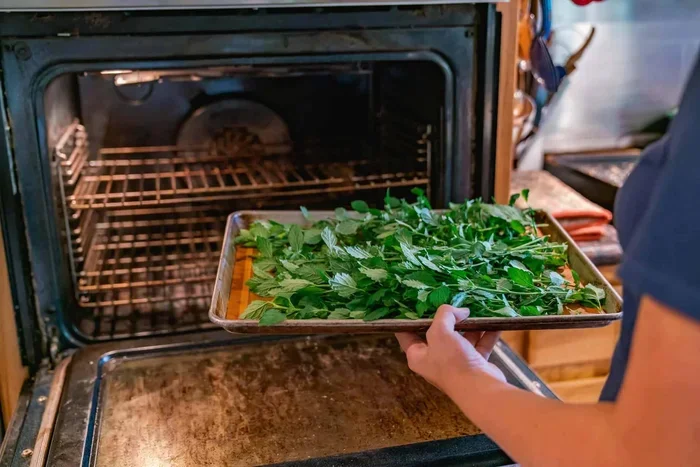
Line a large baking sheet with parchment paper or a silicone baking mat. This prevents sticking and makes cleanup a breeze. Arrange the pepper slices in a single layer with no overlapping. Air circulation is critical for even dehydration. If pieces touch, they will stick together and dry unevenly.
If you need to use multiple trays, rotate them halfway through the drying time. This ensures every slice gets equal exposure to the heat. A quick tip is to place a wooden spoon in the oven door to keep it slightly ajar. This allows moisture to escape and prevents the peppers from steaming instead of drying. Food dehydration depends on moving humid air away from the food, and this simple trick mimics the airflow of a dedicated dehydrator.
How To Dehydrate Jalapenos In Oven: The Step-by-Step Process
Setting the Perfect Oven Temperature
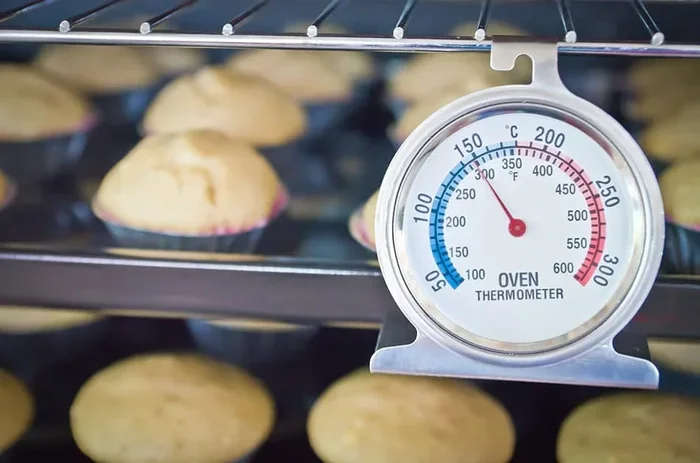
The most important factor in how to dehydrate jalapenos in oven is the temperature. Set your oven to its lowest possible setting, ideally between 170°F and 200°F. If your oven does not go that low, crack the door open with a wooden spoon or a folded towel. This releases the moisture and keeps the temperature from climbing too high.
High heat will cook the peppers instead of drying them. You want gentle, steady warmth to pull out the water content. The goal is shelf stable peppers that are completely dry and crisp, not leathery or burnt. Patience is your best friend here. Rushing the process with higher heat ruins the flavor and texture. Resist the urge to turn up the heat just to speed things along.
Timing and Checking for Doneness
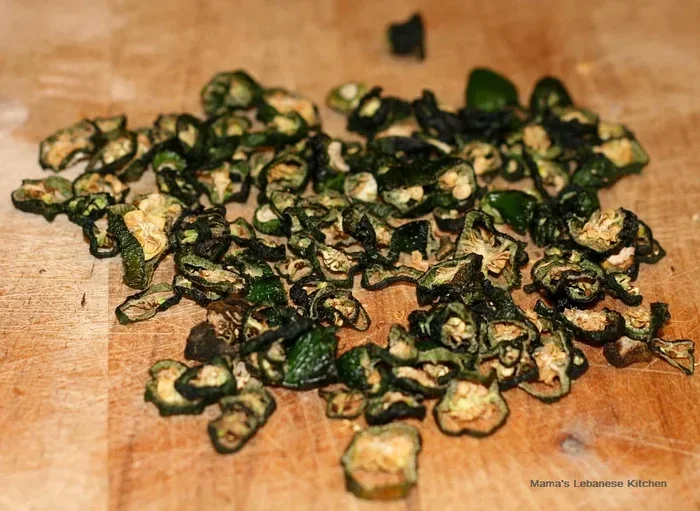
Most batches take between four and eight hours to dry completely. The exact time depends on the thickness of your slices and the humidity in your kitchen. Start checking after four hours. The peppers are done when they snap easily and feel completely dry to the touch.
They should not be brittle or crumbly, but they should break cleanly. If they still feel flexible or leathery, give them another one to two hours. You can also test a piece by letting it cool completely and then bending it. If it cracks, it is ready. If it folds, it needs more time. Spice preservation depends on removing enough moisture so that mold and bacteria cannot grow.
Common Mistakes That Ruin Your Batch
- Too high heat: This burns the outside while leaving the inside moist, leading to mold and spoilage.
- Overcrowding the tray: Blocking air flow creates uneven drying and sticky spots that never crisp up.
- Skipping the seed removal: Seeds can trap moisture and slow down the process significantly.
- Storing while warm: Condensation forms inside the container and causes spoilage within days.
- Ignoring humidity: On rainy or humid days, drying takes much longer. Be patient and adjust your timeline.
- Not labeling your jars: You will forget which batch is which, and older spices lose their potency.
Storing Your Dried Jalapenos for Long-Term Use
Choosing the Right Containers
Once your peppers are fully cooled, it is time to store them. The best containers are airtight and moisture-proof. Glass jars with tight-fitting lids work wonderfully. You can also use vacuum-sealed bags or Mylar bags with oxygen absorbers for maximum shelf life.
Avoid using plastic bags that are not sealed well. They allow air and humidity in, which can ruin your hard work. Label each container with the date and the type of pepper. This helps you keep track of your spice preservation efforts. A small piece of masking tape and a marker are all you need. I also like to write the expected shelf life on the label so I know when to use older batches first.
Shelf Life and Keeping Them Shelf Stable
Properly stored dried jalapenos can last up to 12 months in your pantry. Keep the containers in a cool, dark place away from direct sunlight. A cupboard or a spice rack is perfect. The key to long storage is ensuring zero moisture remains before sealing. Even a tiny amount of residual dampness can invite mold.
If you live in a humid climate, consider storing the jars in the refrigerator or freezer. They will last even longer there. Always check your stored peppers periodically. If you notice any discoloration, off smells, or moisture inside the jar, discard the batch immediately. Safe food dehydration practices keep your pantry healthy and your family safe.
Turning Dried Jalapenos Into Versatile Seasonings
Grinding Your Own Jalapeno Powder
One of the best uses for your dried harvest is making jalapeno powder. Break the dried slices into small pieces and place them in a clean coffee grinder or a high-powered blender. Pulse until you reach a fine, uniform powder. Sieve out any large chunks and re-grind them. The powder is incredibly potent, so a little goes a long way.
Store the powder in a small glass jar with a shaker lid. You can use it to rim cocktail glasses, sprinkle on avocado toast, or mix into homemade chili powder blends. Homemade pepper flakes and powder make your kitchen smell amazing and taste incredible. Once you grind your own, you will never go back to the store-bought version.
Creative Ways to Use Your Dried Peppers
- Flavor boosters: Toss a few whole dried slices into a pot of chili, soup, or broth for deep, slow heat.
- Spicy snacks: Eat them as crunchy, hot chips on their own or mixed with nuts and pretzels.
- Infused salt: Blend dried flakes with coarse sea salt for a finishing salt that elevates grilled meats.
- DIY seasoning blends: Combine with cumin, paprika, garlic, and oregano for a custom BBQ rub.
- Gift ideas: Fill small jars with your custom blends and tie with a ribbon for a thoughtful, homemade present.
Oven Drying vs. Other Dehydration Methods
A Quick Comparison
While this guide focuses on the oven, it helps to understand how it compares to other methods. A dedicated food dehydrator offers precise temperature control and consistent airflow. It can dry larger quantities at once. However, it takes up counter space and costs more money. Sun drying is the oldest method, but it depends entirely on weather and takes several days. It also risks contamination from insects and dust.
How To Dehydrate Jalapenos In Oven strikes the perfect balance between convenience, cost, and quality. You get reliable results without any extra investment. The table below summarizes the key differences.
| Method | Equipment Needed | Time Required | Best For |
|---|---|---|---|
| Oven Drying | Kitchen oven, baking sheet | 4–8 hours | Small to medium batches, beginners |
| Food Dehydrator | Dehydrator unit | 6–12 hours | Large batches, precise control |
| Sun Drying | Outdoor racks, sunny weather | 2–5 days | Hot, dry climates, large harvests |
| Microwave | Microwave, microwave-safe tray | 10–30 minutes | Very small batches, quick snacks |
Each method has its place, but the oven remains the most accessible and reliable for most home cooks. It gives you consistent shelf stable peppers with minimal effort.
Quick Tips for the Best Oven Drying Results
- Use convection if available: The fan helps circulate air and speeds up drying by up to 30 percent.
- Rotate trays: Switch the position of your trays every two hours for even drying.
- Cool completely before storing: Any residual heat creates condensation inside the jar.
- Start with a small batch: Practice on a few peppers before committing a large harvest.
- Keep a drying log: Note the temperature and time for each batch to improve your results next time.
- Wear gloves during prep: Capsaicin can irritate sensitive skin, and washing hands thoroughly afterward is essential.
Conclusion
How To Dehydrate Jalapenos In Oven is a simple, rewarding skill that puts you in control of your spice supply. You now know exactly how to select, prepare, dry, and store your peppers for maximum flavor and shelf life. The low-and-slow oven method preserves the natural heat and creates a delicious chili flakes product you can be proud of.
Give it a try this weekend with whatever jalapenos you have on hand. Once you taste the difference between homemade and store-bought, you will never go back. Drying your own peppers is a small kitchen project with big rewards. Your pantry will thank you, and your taste buds will dance with joy. Happy drying, and enjoy your spicy creations!
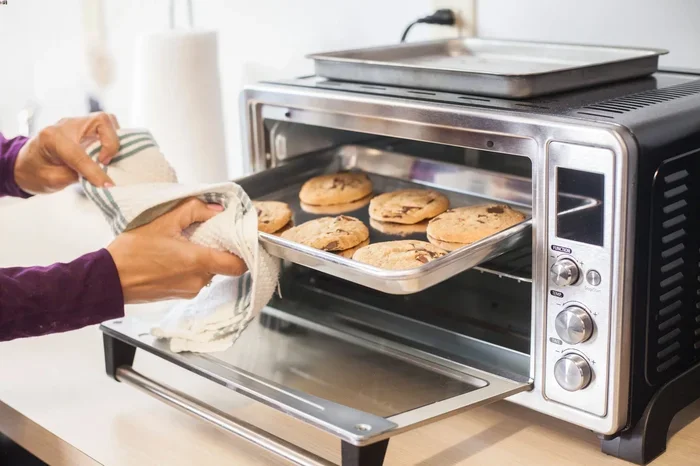
Can I dehydrate jalapenos in a toaster oven?
Yes, a toaster oven works perfectly for dehydrating jalapenos. Set it to the lowest heat setting, usually around 170°F, and prop the door open slightly. The smaller size means they may dry faster, so check them every hour.
Do I need to wear gloves when handling jalapenos?
It is a good idea to wear gloves, especially if you have sensitive skin. The capsaicin in jalapenos can cause irritation. If you do not use gloves, wash your hands thoroughly afterward and avoid touching your eyes.
How long do oven-dried jalapenos last?
When stored properly in airtight containers, oven-dried jalapenos can last up to 12 months. Keep them in a cool, dark place like a pantry or cupboard. If you notice any moisture or mold, discard them immediately.
Can I dehydrate jalapenos with the seeds and membranes?
Yes, leaving the seeds and membranes in will make your dried jalapenos hotter. If you prefer a milder flavor, remove them before slicing. The seeds and membranes contain most of the capsaicin that creates the heat.
What is the difference between dehydrating and oven drying?
Dehydrating and oven drying are essentially the same process. Oven drying uses your kitchen oven at low heat to remove moisture. A dedicated food dehydrator offers more precise temperature control, but an oven works just as well for home use.
Can I use dried jalapenos in a slow cooker or soup?
Absolutely. Dried jalapenos add a deep, smoky heat to soups, stews, and slow cooker recipes. Simply toss a few whole dried peppers into the pot and remove them before serving, or crumble them in for even heat distribution.
Frequently Asked Questions
What is How To Dehydrate Jalapenos In Oven?
How To Dehydrate Jalapenos In Oven is an important topic with many practical applications.