How Long Do U Preheat An Oven Before You Start Cooking
Preheating an oven properly is one of the simplest yet most overlooked steps in cooking. Most recipes call for a hot oven, but knowing how long do you preheat an oven makes all the difference in your results. Whether you use a conventional oven, a convection oven, or a toaster oven, the right preheating time ensures even cooking, a crispy crust, and better energy efficiency every single time.
Have you ever wondered how long do you preheat an oven before sliding your dish inside? It seems like a simple question, but the answer affects everything from texture to taste. Whether you are baking cookies, roasting a chicken, or making a homemade pizza, the preheating time sets the stage for success.
Many home cooks rush this step. They turn the dial, toss the food in after a couple of minutes, and wonder why the results are disappointing. The truth is, oven preheating is not just a suggestion on the recipe card. It is a critical step that changes how your food cooks. A hot oven sears the outside of meats, helps bread rise properly, and creates that perfect crispy crust everyone loves.
This guide breaks down everything you need to know about preheating an oven. We will cover the exact times for different oven types, the science behind why it matters, common mistakes to avoid, and plenty of practical tips you can use right away. By the end, you will never second-guess your preheating time again.
Key Takeaways
- Standard preheating time: Most ovens need 10 to 15 minutes to reach the target baking temperature.
- Oven type matters: A convection oven preheats faster than a conventional oven, while a toaster oven takes even less time.
- Use an oven thermometer: Your oven’s built-in temperature gauge can be off by 25 degrees or more.
- Don’t skip preheating: Putting food in a cold oven leads to uneven heat distribution and poor texture.
- Follow recipe instructions: Always check the recipe instructions for the specific preheating time and oven temperature needed.
- Place racks correctly: Proper oven rack positioning affects how evenly your food cooks.
- Patience pays off: Giving your oven the full warm-up period leads to even cooking and better results.
📑 Table of Contents
Why Preheating Your Oven Matters
Some people think preheating is just a formality. They believe the oven heats up quickly enough that it does not matter much. But that is far from the truth. Understanding why preheating matters changes the way you cook forever.
The Science Behind Oven Preheating
When you turn on your oven, the heating element starts warming the air inside. But air heats up slowly. The walls of the oven, the racks, and any baking stones or trays all need to absorb heat before the oven temperature stabilizes. This process is called reaching thermal equilibrium, and it takes time.
If you put food into a cold oven, the cooking process starts unevenly. The outside of the food may cook slowly while the inside stays raw. For baking, this means flat cookies, dense cakes, or bread that never rises properly. For roasting, it means meat that browns unevenly or steams instead of roasting.
A properly preheated oven delivers consistent heat distribution from the moment the food enters the cavity. This leads to better texture, more predictable cooking time, and results that look and taste professional.
What Happens When You Skip Preheating
Skipping the warm-up period might save a few minutes, but the cost is real. Here are the main problems you will face:
- Uneven cooking: Cold spots develop, leaving some parts undercooked and others overdone.
- Poor texture: Baked goods lose their rise and come out dense instead of fluffy.
- Longer total cook time: The oven has to heat up while cooking, which throws off the recipe instructions.
- Soggy results: Foods that should be crispy, like roasted vegetables or pastry, turn out limp.
- Wasted energy: A cold oven running longer uses more electricity or gas than a properly preheated one.
As you can see, the few extra minutes spent waiting pay for themselves many times over in better food and lower energy bills.
How Long to Preheat an Oven for Different Recipes
The right preheating time depends on what you are cooking. Different recipes call for different oven temperatures, and each temperature requires a different amount of time to reach. Let us break this down by category.
Preheating for Baking
Baking is the most unforgiving cooking method when it comes to oven temperature. Cakes, cookies, bread, and pastries all rely on precise heat from the very start. Most baking recipes call for an oven temperature between 325°F and 375°F.
For standard baking, you should preheat your oven for 10 to 15 minutes. This gives the oven walls and racks enough time to absorb heat. The thermal mass of the oven itself helps maintain a steady temperature once the food goes in.
If you are baking bread or pizza, you may need to preheat for a full 20 to 30 minutes. These recipes often require very high temperatures, and the extra time ensures the oven walls are fully saturated with heat. A pizza stone or baking steel inside the oven during preheating absorbs even more heat and releases it directly into the dough, creating that crispy crust you want.
Preheating for Roasting
Roasting meats and vegetables is slightly more forgiving than baking. Most roasting recipes call for temperatures between 375°F and 450°F. For roasting, 10 to 15 minutes of preheating is usually sufficient.
The key difference is that roasting relies more on the broil setting or high direct heat to create a browned exterior. A hot oven sears the surface of the meat quickly, locking in juices. If you place a roast in a cold oven, the meat spends too long in the danger zone, which affects both safety and texture.
For vegetables, preheating ensures they roast rather than steam. The high heat immediately evaporates surface moisture, leading to caramelization and that perfect golden exterior.
Preheating for Broiling
Broiling uses the top heating element to deliver intense direct heat. Most ovens need 5 to 10 minutes to reach broil setting temperatures, which can exceed 500°F. Because broiling cooks so quickly, you want the oven fully up to temperature before the food goes in.
Always preheat on the broil setting with the oven door slightly open if your model requires it. This prevents excessive heat buildup and keeps the temperature gauge accurate.
How Long Does It Take to Preheat Different Oven Types
Not all ovens are created equal. The type of oven you have plays a big role in determining how long do you preheat an oven. Let us compare the most common types.
Conventional Oven Preheating Time
A conventional oven uses heating elements at the top and bottom to warm the air inside. These ovens typically need 10 to 15 minutes to reach a standard baking temperature of 350°F. Some older models may take up to 20 minutes, especially if the oven racks are loaded with heavy dishes.
The heat distribution in a conventional oven relies on natural convection, meaning hot air rises and cooler air sinks. This process is slower than forced air systems, which is why conventional ovens generally take longer to preheat than their convection counterparts.
Convection Oven Preheating Time
A convection oven uses a fan to circulate hot air throughout the cavity. This forced air movement speeds up the heating process significantly. Most convection ovens reach the target oven temperature in 7 to 12 minutes.
The fan also improves heat distribution once cooking begins, which means food cooks more evenly. However, keep in mind that convection ovens often require a temperature reduction of about 25°F compared to conventional ovens. Always adjust your recipe instructions accordingly.
Toaster Oven Preheating Time
A toaster oven has a much smaller cavity than a full-size oven. This means it heats up incredibly fast. Most toaster ovens are ready in 3 to 8 minutes, depending on the target temperature.
Because of the small size, a toaster oven is excellent for quick tasks like reheating pizza, toasting bread, or baking a single serving of cookies. Just remember that the thermal mass is much smaller, so the oven temperature can fluctuate more when you open the door or add food.
Quick Tips for Perfect Oven Preheating
Getting the most out of your oven preheating routine is easier than you think. A few small changes can dramatically improve your results.
Use an Oven Thermometer
Most ovens have a built-in temperature gauge that is surprisingly inaccurate. Studies show that many ovens run 25°F or more off from the set temperature. This means your oven might be at 325°F when it says 350°F.
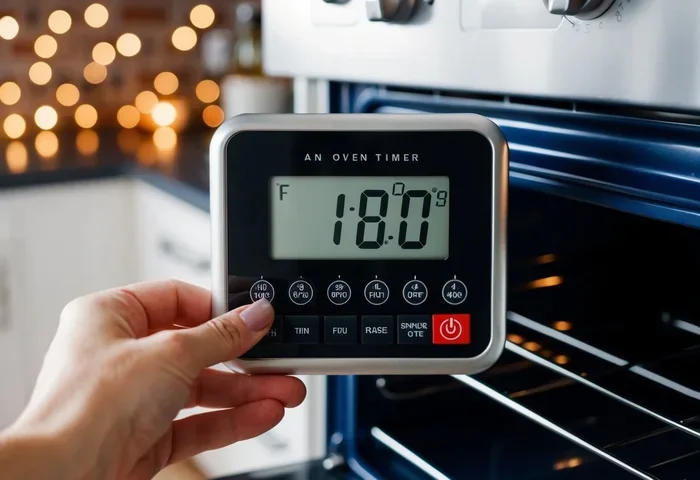
An inexpensive oven thermometer takes the guesswork out of the equation. Place it on the middle oven rack and check it during the warm-up period. Once you know your oven’s true temperature, you can adjust your baking temperature and cooking time accordingly.
Know When Your Oven Is Ready
Many ovens beep or show a light when they have reached the target temperature. But do not rely solely on this signal. If you are baking something sensitive like a soufflé or delicate pastry, wait an extra 2 to 3 minutes after the signal. This gives the thermal mass of the oven time to stabilize.
For pizza or bread baking, some experienced cooks use the “hand test.” They hold their hand a few inches from the top of the oven and count how long they can tolerate the heat. If you can only hold it there for 2 seconds, the oven is very hot and ready for high-heat cooking.
Position Your Oven Racks Correctly
Where you place the oven racks before preheating matters more than most people realize. For baking, the middle rack provides the most even heat distribution. For roasting, place the rack lower in the oven so the food is closer to the bottom heating element.
If you are using a pizza stone or baking steel, place it on the rack during preheating. This allows the stone to absorb heat and transfer it directly to the bottom of your dough for a crispy base.
Common Preheating Mistakes to Avoid
Even experienced cooks make mistakes when it comes to preheating an oven. Here are the most common errors and how to fix them.
Opening the Door Too Often
Every time you open the oven door during the warm-up period, you lose a significant amount of heat. The oven has to work harder and longer to recover the lost oven temperature. Try to resist the urge to peek inside. Use the oven light and the window to check on progress instead.
Not Giving It Enough Time
The biggest mistake is assuming the oven is ready after just 5 minutes. A cold oven needs adequate time to heat the walls, the racks, and the air inside. Rushing the preheating time leads to uneven heat distribution and disappointing results.
Set a timer and be patient. The extra 5 to 10 minutes make a real difference in the quality of your food.
Overcrowding the Oven
Overloading the oven with too many dishes blocks airflow and slows down heat distribution. This is especially true for convection ovens that rely on air circulation. Give each dish enough space, and if you need to cook multiple items, use two separate batches.
Energy Efficiency and Preheating
Did you know that preheating an oven also affects your energy bills? A cold oven that runs longer because it never reached the proper baking temperature uses more energy than one that was preheated correctly.
If you are cooking something for a long time, like a roast or a casserole, you can sometimes skip the full preheat and put the food in when the oven is still warming up. However, for anything that requires a hot oven from the start, always preheat fully. The energy efficiency gains from proper preheating are real and measurable.
For those who want to save even more energy, consider using a toaster oven for small meals instead of firing up the full-size oven. The smaller cavity heats up in just a few minutes, and the reduced cooking time saves both energy and money.
Expert Insights on Oven Preheating
Professional chefs and cooking instructors agree on one thing: preheating is non-negotiable. Chef Thomas Keller once said that patience in the kitchen is the single most underrated skill. The same applies to oven preheating.
Many culinary schools teach students to always preheat for at least 15 minutes, regardless of the recipe. This habit ensures that the thermal mass of the oven is fully charged and ready to deliver consistent heat. When you follow this practice at home, your even cooking results will improve noticeably.
Another expert tip is to preheat with the oven liner or a sheet of parchment on the bottom rack. This catches drips and makes cleanup easier, while also helping to maintain steady heat during the warm-up period.
For bakers, the pizza stone or baking steel is an essential tool. Place it in the oven during preheating and it will store enough heat to create steam when dough hits its surface. This steam is what gives artisan bread its crackling crispy crust and professional-quality rise.
Conclusion
How long do you preheat an oven before you start cooking? The answer depends on your oven type and what you are making, but the general rule is simple: give it 10 to 15 minutes for most recipes, and up to 30 minutes for high-heat baking. Preheating an oven is not a waste of time. It is the foundation of great cooking.
By understanding oven preheating basics, avoiding common mistakes, and using tools like an oven thermometer, you take control of your cooking time and your results. Every recipe you make will benefit from a properly heated oven. Start paying attention to your preheating time today, and you will taste the difference in every meal.
The next time you reach for a recipe, take those extra minutes to let the oven warm up fully. Your food will thank you with better texture, more flavor, and that beautiful golden finish that makes every dish look restaurant-quality. Happy cooking.
Frequently Asked Questions
How long do you preheat an oven to 350 degrees?
Most ovens need about 10 to 15 minutes to preheat to 350°F. If your oven runs cool, it may take closer to 20 minutes. Using an oven thermometer helps you confirm the actual temperature before you start cooking.
Can you put food in the oven while it is preheating?
It depends on the recipe. For most baking and roasting, you should wait until the oven reaches the target oven temperature. However, some recipes like certain casseroles or slow-roasted meats allow you to start in a cold oven and let it heat up with the food inside.
Does a convection oven preheat faster than a conventional oven?
Yes, a convection oven preheats faster because the fan circulates hot air throughout the cavity. Most convection ovens reach the target temperature in 7 to 12 minutes, compared to 10 to 15 minutes for a conventional oven.
Why does my oven take so long to preheat?
Several factors can slow down oven preheating. Older ovens with weak heating elements take longer. Overloaded oven racks with dishes inside also block heat flow. Additionally, if your temperature gauge is faulty, the oven may not actually be reaching the set temperature.
Do you need to preheat a toaster oven?
Yes, preheating a toaster oven is important for best results. A toaster oven typically preheats in 3 to 8 minutes. The small cavity heats up quickly, but giving it a few minutes ensures even heat distribution and better texture.
What temperature should I preheat my oven to for pizza?
For homemade pizza, preheat your oven to the highest setting, usually between 475°F and 500°F. If you have a pizza stone, place it inside during the preheating time of 20 to 30 minutes. This ensures the stone absorbs enough heat to create a crispy crust.