How To Dye Clothes With Coffee For Beautiful Results
Dyeing clothes with coffee is a simple, eco-friendly way to refresh old fabrics and create beautiful vintage tones. This guide shows you how to use brewed coffee as a natural dye for cotton, linen, and other natural fibers. You will learn the complete process from preparation to setting the color for long-lasting results.
Dye clothes with coffee and transform plain, dull fabrics into something beautiful and renewed. This simple technique uses one of the most common kitchen staples to create stunning earth-toned colors on natural fibers. Whether you want to refresh old clothing or create a vintage look, dye clothes with coffee offers a budget-friendly and eco-friendly solution. The process is surprisingly easy, and the results can be genuinely impressive. You do not need any special equipment or expensive supplies to get started.
Natural fabric dyeing has been around for centuries, and coffee has always been a popular choice for home dyers. It produces warm browns, tans, and rich amber shades that look elegant on many types of fabric. Best of all, this method is safe, non-toxic, and perfect for beginners. If you have ever wondered how to give your old clothes a new lease on life, dyeing clothes with coffee is the answer. The entire process takes less than an hour of active work, and the results last for many washes when done correctly.
In this guide, you will find everything you need to know about coffee fabric dyeing. We will cover the materials required, the step-by-step process, tips for different shades, and how to make the color last. By the end, you will feel confident enough to start your first project. Let us dive in and explore the wonderful world of natural fabric dye using everyday coffee.
Key Takeaways
- Coffee makes an excellent natural dye: It produces warm browns and ambers on natural fabrics without any chemicals.
- The process is beginner-friendly: You only need coffee, water, and a pot to get started.
- Different brew strengths create different shades: Stronger coffee gives deeper colors, while weaker brews produce lighter tones.
- Natural fibers work best: Cotton, linen, and wool absorb coffee dye much better than synthetic fabrics.
- Setting the dye matters: Using salt or vinegar helps lock in the color and improves wash durability.
- Multiple dips deepen the color: Repeating the dyeing process builds richer, more vibrant shades over time.
📑 Table of Contents
Why Dye Clothes With Coffee?
There are many reasons to try dye clothes with coffee as your go-to natural dyeing method. Understanding the benefits will help you appreciate just how great this technique really is.
Eco-Friendly and Safe
Unlike synthetic dyes that contain harsh chemicals, coffee is completely natural and non-toxic. You do not need to worry about harmful fumes or skin irritation. This makes it a perfect choice for families with children or people with sensitive skin. The eco-friendly dye process also means you are not releasing harmful chemicals into your waterways when you wash dyed fabrics. Coffee is biodegradable, so even the leftover grounds will not harm the environment.
Beautiful Earthy Tones
Coffee produces a range of warm, natural shades that are hard to replicate with synthetic dyes. You can achieve light tan, medium brown, deep espresso, and even rich amber tones depending on how you prepare the dye. These earthy colors look sophisticated and timeless on clothing. The natural dye effect gives fabrics a rustic, vintage charm that many people love. Each piece turns out slightly unique, which adds character and individuality to your wardrobe.
Budget-Friendly Clothing Refresh
One of the best things about dyeing fabric with coffee is how affordable it is. A bag of coffee grounds costs just a few dollars, and you can dye multiple items from a single batch. Instead of throwing away stained or faded clothes, you can give them a second life. This saves money and reduces textile waste. It is one of the easiest and most cost-effective ways to update your wardrobe without spending a fortune.
What You Need to Get Started
Before you begin, gather all the materials you will need. Having everything ready makes the process smooth and enjoyable.
Materials and Supplies
Here is a simple list of what you need for coffee dyeing clothes:
- Used or fresh coffee grounds: About 2 cups for a small project. Fresh grounds work best, but used grounds also produce good color.
- Water: Enough to fill a large pot, usually about 4 to 6 cups.
- A large pot or stainless steel basin: Do not use aluminum or cast iron, as they can react with the dye.
- White vinegar or salt: Used as a fixative to help set the color.
- Stainless steel tongs: For handling fabric during the dyeing process.
- Old towels or newspapers: To protect your work surface from stains.
- Natural fiber fabric: Cotton, linen, wool, or silk work best.
You can follow our guide on how to make coffee without filter or machine if you need help brewing a strong batch of coffee for your dye project. The stronger the brew, the deeper the color you will get on your fabric.
Best Fabrics for Coffee Dyeing
Not all fabrics absorb coffee dye the same way. Natural fibers take the color beautifully, while synthetic fabrics tend to resist the dye. Here is a quick look at how different fabrics respond to fabric dyeing with coffee.
Cotton: The best fabric for coffee dyeing. It absorbs the dye evenly and produces rich, warm tones. Cotton shirts, towels, and bed sheets work perfectly for this technique.
Linen: Similar to cotton, linen takes coffee dye very well. It produces a slightly lighter, more muted tone that looks very elegant. Linen dresses and tablecloths can look stunning after dyeing.
Wool: Wool absorbs coffee dye but may require a longer soaking time. The results are beautiful deep browns that look luxurious. Wool sweaters and scarves are great candidates for coffee dyeing.
Silk: Silk takes dye well but requires more care during the process. The resulting color is soft and luminous. Silk scarves dyed with coffee make wonderful gifts.
Polyester and synthetic blends: These fabrics do not absorb coffee dye effectively. The color will look faded and uneven. Stick to natural fibers like cotton and linen for the best results.
Step-by-Step Guide to Dyeing Clothes With Coffee
Now that you have your materials ready, let us walk through the complete process. Following these steps carefully will give you the best results every time you dye clothes with coffee.
Step 1: Brew a Strong Pot of Coffee
Start by brewing a very strong batch of coffee. Use twice the amount of grounds you would normally use for drinking. The stronger the brew, the deeper and richer the dye color will be. Let the coffee cool completely before you use it for dyeing. Hot coffee can damage some fabrics, so patience is important here. A dark roast works best because it produces the deepest color.
If you prefer not to brew coffee on the stove, you can use a drip coffee maker or even a French press. Just make sure the coffee is extra strong. Some people like to simmer the coffee grounds in water on the stove for about 30 minutes to extract maximum color. This method produces a more concentrated dye liquid that gives deeper shades on fabric.
Step 2: Prepare Your Fabric
Before dyeing, wash your fabric to remove any oils, dirt, or sizing that might prevent the dye from absorbing evenly. Do not use fabric softener, as it creates a coating that resists dye. Once washed, dampen the fabric with clean water. Wet fabric absorbs dye more evenly than dry fabric. This is a simple step that makes a big difference in the final result.
If you are dyeing a new piece of fabric for the first time, washing it once is usually enough. For older clothes that have been washed many times, you may want to soak them in warm water for about 15 minutes before dyeing. This opens up the fibers and helps them absorb the coffee dye more effectively.
Step 3: Create the Dye Bath
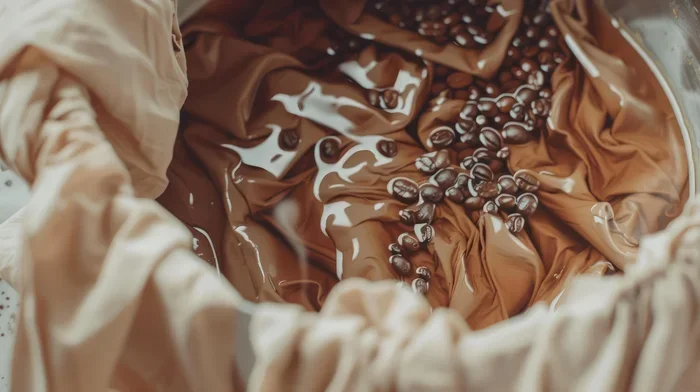
Pour your cooled, strong coffee into a large stainless steel pot. Add enough extra water so that the fabric can move freely in the liquid. The fabric should not be crammed together, as this leads to uneven coloring. A good ratio is about 4 parts water to 1 part coffee for a light shade, or equal parts water and coffee for a darker shade.
Place the pot on the stove and bring the mixture to a gentle simmer. Do not let it boil vigorously, as this can cause uneven dye absorption. A low, steady heat works best. Let the fabric simmer in the dye bath for about 30 to 45 minutes. Stir gently every 10 minutes to ensure even coloring throughout the fabric.
Step 4: Let It Soak
After simmering, turn off the heat and let the fabric soak in the dye bath. The longer it soaks, the deeper the color will become. For a light tan shade, one hour is enough. For a rich espresso tone, let it soak for several hours or even overnight. Check the color periodically by lifting a corner of the fabric with tongs.
Some dyers like to repeat the dye bath process two or three times to achieve very deep colors. Each additional dip adds more intensity. Just make sure to reheat the dye bath each time you add fabric. The fabric should always be in a warm dye solution for the best absorption and most even color distribution.
Step 5: Rinse and Dry
Once you are happy with the color, remove the fabric from the dye bath using tongs. Rinse it thoroughly in cool water until the water runs mostly clear. Do not wring or twist the fabric, as this can cause uneven color distribution. Instead, gently press out excess water and lay the fabric flat on an old towel. Roll the towel up with the fabric inside to absorb extra moisture without damaging the fibers.
Hang the fabric to dry in a shaded area. Direct sunlight can cause the coffee color to fade slightly during drying. Once the fabric is completely dry, you can wash it gently by hand or on a delicate machine cycle. Always wash dyed fabrics separately for the first few washes to prevent any remaining dye from bleeding onto other clothes.
Tips for Achieving Different Shades
One of the most exciting things about dyeing fabric with coffee is how easy it is to control the shade. With a few simple adjustments, you can create a whole range of colors from a single dye bath.
Light and Pastel Tones
For lighter shades, use more water and less coffee in your dye bath. A ratio of 8 parts water to 1 part coffee produces a very light tan or beige color. Shorten the soaking time to 30 minutes or less for a subtle wash of color. Light coffee-dyed fabrics look fresh and airy, perfect for summer tops and lightweight scarves. You can also dilute a strong dye batch with extra water to achieve a gentle, vintage wash effect.
Deep and Rich Tones
For deeper, richer shades, use less water and more coffee grounds. A 1-to-1 ratio of coffee to water gives you a medium to dark brown. Extend the simmering time to a full hour and let the fabric soak overnight for the deepest espresso tones. Dark coffee-dyed fabrics have a luxurious, warm appearance that works beautifully for winter clothing and home textiles like pillow covers and table runners. The rich tones look especially stunning on denim and heavyweight cotton.
Creating Patterns and Designs
You can create interesting patterns by using techniques similar to tie-dye. Before dyeing, scrunch, fold, or bind sections of the fabric with rubber bands or string. The areas that are tightly bound will resist the dye and stay lighter, creating a beautiful contrast with the dyed areas. This technique works wonderfully with coffee dye because the natural variations in coffee color create an organic, artistic look. You can also dip only portions of the fabric into the dye bath for a two-tone effect.
For a more controlled pattern, try using a resist technique. Apply a thin line of white school glue or wax to the fabric before dyeing. Once the fabric is dyed and dried, wash out the glue or wax to reveal clean, undyed lines against the coffee-colored background. This creates striking designs that look professional and artistic without any special skills.
How to Set and Fix the Coffee Dye
Making sure your coffee-dyed fabric holds its color is an important part of the process. Without proper fixing, the color may fade quickly with washing. Here are the best methods to set your coffee dye for long-lasting results.
Using Salt as a Fixative
Salt is one of the simplest and most effective ways to help coffee dye bond with natural fibers. Add about one cup of regular table salt to the dye bath before you begin simmering the fabric. The salt helps the coffee pigments attach to the fabric fibers more firmly. This method works especially well with cotton and linen. The salt does not change the color of the dye, so you will still get the same beautiful brown tones.
Vinegar Method
White vinegar is another excellent fixative for natural dyes. Add half a cup of vinegar to the dye bath after the fabric has simmered for 30 minutes. The acidity of the vinegar helps set the dye into the fibers. This method is particularly useful for wool and silk, which respond well to acidic fixatives. After dyeing, rinse the fabric in a solution of one part vinegar to four parts cool water for extra color protection. This simple step can significantly extend the life of your natural fabric dye.
How Long Does Coffee Dye Last?
Coffee-dyed fabrics can last for many washes if you follow the proper setting and care steps. On average, the color holds well for 10 to 15 washes before it starts to fade noticeably. Washing in cold water and using a gentle detergent helps extend the life of the color. Avoiding direct sunlight when drying also prevents premature fading. Over time, coffee-dyed fabrics may develop a slightly lighter, vintage appearance that many people find even more attractive than the original color.
Common Mistakes to Avoid
Even though dyeing fabric with coffee is simple, there are a few common mistakes that can ruin your results. Avoid these pitfalls to ensure success every time you dye clothes with coffee.
Using synthetic fabrics: Coffee dye simply does not work well on polyester or nylon. The color will look washed out and uneven. Always choose natural fibers like cotton, linen, or wool for the best results.
Skipping the pre-wash: Fabric that has not been washed may have oils or chemical finishes that resist the dye. Always pre-wash your fabric before dyeing to ensure even absorption of the coffee color.
Using too little coffee: A weak dye bath produces pale, uneven color. Make sure your coffee is strong and concentrated. When in doubt, brew extra strong and use more grounds than you think you need. It is better to have too much dye than too little.
Not stirring enough: Fabric that sits still in the dye bath will color unevenly. Stir gently but regularly to ensure every part of the fabric gets equal exposure to the dye solution.
Drying in direct sunlight: UV rays can break down coffee dye and cause fading. Always dry dyed fabrics in the shade or indoors to preserve the rich color you worked hard to achieve.
Washing with other clothes too soon: Even after rinsing, some dye may still bleed. Always wash coffee-dyed fabrics separately for at least the first three washes. Use cold water and a gentle cycle to protect the beautiful color you created.
Similarly, if you are exploring other natural dyeing methods, consider how you might dry basil in the oven to create herbal dyes or sachets. The principles of working with natural plant materials are very similar across different dyeing and preparation projects.
And just as eggplant skins can be used in cooking, they also work as a natural dye source. You can learn more about preparing vegetables for various uses by understanding how to bake eggplant in the oven, which shares the same low-and-slow heat principles used in natural dye extraction and color development.
Frequently Asked Questions
Can I use decaffeinated coffee for dyeing clothes?
Yes, you can use decaffeinated coffee for dyeing clothes. The caffeine content does not affect the dyeing ability of coffee. What matters is the color and concentration of the brew. Decaf coffee will produce the same beautiful brown tones as regular coffee. The only difference is that you will not get the subtle caffeine-related benefits, but those do not matter for fabric dyeing. Use the same strong brewing method regardless of whether the coffee is caffeinated or decaf.
How many times can I re-dye fabric to get a darker color?
You can re-dye fabric two to three times to achieve progressively darker shades. Each additional dip in the dye bath adds more color intensity. However, after three rounds, the fabric may start to feel stiff or slightly altered in texture. It is best to test a small piece of fabric first before committing to multiple rounds on your main project. This way, you can see how the fabric responds without risking your final piece.
Will coffee dye work on dark-colored clothes?
Coffee dye works best on light-colored or white fabrics. On dark clothes, the coffee color will be barely visible because it is already a dark shade. The dye adds subtle warmth and richness, but the change will not be dramatic. If you want to dye dark clothes, consider using a darker natural dye source or a commercial dye designed for dark fabrics. Coffee dye shines brightest on light-colored cotton, linen, and wool.
Can I dye clothes with coffee using a washing machine?
Yes, you can dye clothes with coffee using a washing machine, but the results may be less even than stovetop dyeing. Fill the washing machine with the hottest water safe for your fabric, add brewed coffee, and let the machine run on a gentle cycle. The main advantage is convenience, but you have less control over the dye distribution. For more consistent and vibrant results, stovetop dyeing is recommended. If you use the machine method, run an extra rinse cycle to remove excess dye.
Does coffee dye stain skin or hands?
Coffee can temporarily stain your skin, especially if you handle wet dyed fabric frequently. The stains on skin usually fade within a day or two. To prevent staining, wear rubber gloves while handling dyed fabric. If your hands do get stained, rub them with lemon juice or a paste of baking soda and water. The acidity or mild abrasion helps lift the coffee pigment from your skin quickly and effectively.
Can I use instant coffee for dyeing clothes?
Yes, instant coffee works for dyeing clothes, though the results may be slightly lighter than using brewed ground coffee. Instant coffee dissolves quickly and is convenient for small projects. Use about three tablespoons of instant coffee per cup of hot water for a strong dye solution. You can also simmer instant coffee with water on the stove to concentrate the color before using it as a dye bath. The color may be a bit less rich, but it still produces lovely warm brown tones on natural fabrics like cotton and linen.
Conclusion
Dye clothes with coffee is one of the most rewarding and accessible DIY projects you can try at home. It combines creativity, sustainability, and simplicity into one satisfying activity. From refreshing old favorites to creating entirely new pieces with unique character, coffee dyeing opens up a world of possibilities for anyone who loves natural crafting. The warm, earthy tones that coffee produces on fabric are timeless and elegant, and no two pieces ever turn out exactly the same.
Remember to choose natural fibers, brew strong coffee, and take your time with the process. The more you experiment with dyeing fabric with coffee, the better your results will become. Try different brew strengths, soaking times, and fabric types to discover your personal favorite combinations. Each project teaches you something new and brings you closer to mastering this beautiful craft.
Now that you know how easy and fun it is to dye clothes with coffee, there is no reason not to give it a try. Gather your supplies, pick out an old shirt or plain pillowcase, and start creating. The satisfaction of wearing or displaying something you made with your own hands using a simple kitchen ingredient is truly special. Happy dyeing!