How To Make A Perfect Turkish Coffee In Eight Steps
Turkish coffee is a rich, unfiltered brewing tradition that delivers bold flavor and a thick, velvety foam in every cup. In this guide, you will learn how to make a perfect Turkish coffee in just eight easy steps, from selecting the right beans to achieving the ideal froth. Whether you are a coffee enthusiast or a curious beginner, this method will bring authentic Middle Eastern coffee culture right into your kitchen.
There is something magical about a cup of Turkish coffee. It is thick, rich, and full of flavor in a way that few other brewing methods can match. Unlike the coffee you make in a drip machine or a French press, Turkish coffee is unfiltered, meaning you get every bit of the coffee grounds in your cup. This creates a uniquely bold experience that has been enjoyed for centuries across the Middle East and beyond.
If you have ever wondered how to make this traditional drink at home, you are in the right place. In this guide, we will walk you through how to make a perfect Turkish coffee in eight simple steps. You do not need any fancy equipment or years of experience. All you need is the right coffee, a small pot called a cezve, and a little patience. By the end of this article, you will know everything you need to brew authentic Turkish coffee that rivals what you would find in a traditional coffee house.
The beauty of Turkish coffee lies in its simplicity. There are no complicated machines, no paper filters, and no pumps. Just heat, water, coffee, and time. This brewing method has survived for hundreds of years because it works beautifully and produces a cup of coffee that is unlike anything else. Whether you are looking to explore coffee culture from around the world or simply want a stronger, more flavorful morning cup, Turkish coffee is the way to go.
Before we dive into the steps, it helps to understand a little about what makes this drink so special. Turkish coffee is not just about the beans or the water. It is about the ritual. The preparation, the slow heating, the careful pouring, and the thick foam on top all come together to create an experience. This is traditional coffee at its finest, and once you learn how to make it, you will never go back to your old routine.
One thing to note is that Turkish coffee is much stronger than regular drip coffee. The fine grounds and lack of filtration mean you get a concentrated burst of coffee flavor in every sip. If you are used to mild, filtered coffee, you may want to start with less sugar and adjust to your taste over time. The preparation style is also similar to other unfiltered methods, such as making coffee without a filter or machine. If you want to explore other ways to brew coffee without traditional equipment, check out our guide on how to make coffee without a filter or machine for more alternative brewing techniques.
Key Takeaways
- Use ultra-fine coffee grounds: Turkish coffee requires a much finer grind than regular drip coffee for the right texture and flavor.
- Never skip the froth: The creamy foam on top is a sign of authentic Turkish coffee and should be served with each cup.
- Heat slowly and patiently: Rushing the brewing process leads to bitter coffee and lost foam.
- Choose your cezve wisely: A proper Turkish coffee pot (cezve or ibrik) makes all the difference in brewing results.
- Serve with tradition: Turkish coffee is meant to be enjoyed slowly, often paired with sweets and conversation.
- Customize your sweetness: You can adjust sugar levels to match your personal taste from very sweet to completely unsweetened.
📑 Table of Contents
- What Is Turkish Coffee And Why It Is Beloved
- A Brief History And Cultural Significance
- What You Need To Make Turkish Coffee
- How To Make Turkish Coffee In Eight Steps
- Mastering The Perfect Turkish Coffee Froth
- Quick Tips For The Best Results
- Common Mistakes To Avoid When Making Turkish Coffee
- How To Serve And Enjoy Turkish Coffee
- Conclusion
What Is Turkish Coffee And Why It Is Beloved
Turkish coffee is one of the oldest and most beloved coffee brewing methods in the world. It originated in the Ottoman Empire and has been a cornerstone of Middle Eastern coffee culture for centuries. Unlike most modern coffee, Turkish coffee is brewed slowly in a small, long-handled pot known as a cezve (also called an ibrik). The coffee grounds are left in the water throughout the entire process, creating a dense, unfiltered cup that is packed with flavor.
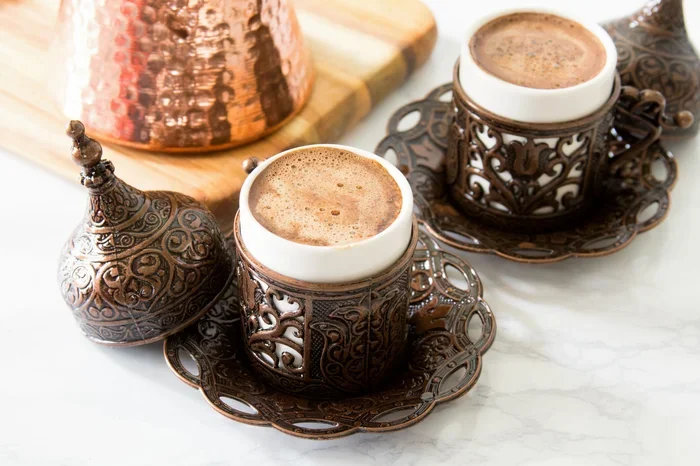
What sets Turkish coffee apart from other methods is the texture. A properly made cup has a layer of thick, creamy foam on top called kaimaki. This foam is a sign of a well-made brew and is considered essential by true coffee lovers. The grounds settle at the bottom of the cup, and the drink is sipped slowly, often accompanied by conversation and sweets.
This is not just a beverage. It is a social ritual. In many countries, serving Turkish coffee is a sign of hospitality and respect. Guests are welcomed with a small cup of strong coffee and often a piece of Turkish delight or chocolate. The entire experience is meant to be savored, not rushed. If you want to bring this tradition into your own home, learning the proper technique is the first step.
Another reason Turkish coffee has endured for so long is its versatility. You can adjust the strength, sweetness, and even add spices to create a drink that suits your personal taste. Some people enjoy adding cardamom for a warm, aromatic twist. Others prefer it plain to fully appreciate the pure coffee flavor. This flexibility is part of what makes the method so appealing to both newcomers and longtime coffee lovers.
A Brief History And Cultural Significance
The story of Turkish coffee begins in the 16th century in the Ottoman Empire. Coffee houses, known as kahvehane, became centers of social life where people gathered to drink coffee, play chess, and discuss politics and art. These establishments were so important that they were sometimes called “schools for the wise.”
The preparation method was perfected over centuries. Ottoman chefs and coffee masters developed the exact techniques for grinding, heating, and pouring that are still used today. The cezve itself became a symbol of hospitality and refinement. In many households, the cezve was passed down from generation to generation as a treasured family heirloom.
In 2013, Turkish coffee culture was added to the UNESCO Intangible Cultural Heritage list. This recognition celebrated the tradition as more than just a drink. It is a social practice that brings people together, fosters conversation, and creates a sense of community. When you brew a cup at home, you are participating in a tradition that spans hundreds of years and connects you to a rich cultural heritage.
Today, Turkish coffee is enjoyed not just in Turkey but around the world. Coffee lovers everywhere are discovering the unique depth and richness that this method provides. Whether you are hosting a small gathering or enjoying a quiet morning alone, a cup of traditional coffee made the Turkish way adds a special touch to any moment.
What You Need To Make Turkish Coffee
Making great Turkish coffee starts with having the right tools and ingredients. You do not need much, but each item plays an important role in getting the perfect result. Here is what you will need before you begin.
The Right Coffee Grinder
The most important tool for Turkish coffee is a grinder that can produce an ultra-fine grind. Regular coffee grinders often cannot achieve the powdery consistency needed for this style. You want your grounds to feel almost like flour or powdered sugar. If your grinder is not fine enough, the coffee will taste gritty and the foam will not form properly.
Many coffee shops can grind beans to the right fineness for you if you do not own a suitable grinder. Some people also use traditional mortar and pestle methods, though a quality burr grinder is the most consistent option. The goal is fine grind coffee that dissolves partially in water, creating that signature thick texture. If you are interested in other alternative coffee ingredients, you might also enjoy experimenting with functional mushrooms. Many people dry lion’s mane mushroom in the oven to create a unique coffee blend that adds an earthy, rich flavor. Learn more about the process in our guide on drying lion’s mane mushroom in the oven for tips on preparing mushroom-based coffee ingredients at home.
Choosing Your Coffee Beans
Traditionally, Turkish coffee is made with medium to dark roast Arabica beans. These beans have a naturally smooth and slightly sweet flavor that works perfectly for this brewing style. Some people also like to use a blend that includes a small amount of Robusta for extra body and strength.
Freshness matters a lot when making Turkish coffee. Always use beans that were roasted within the past two to four weeks. Pre-ground coffee from a store can work in a pinch, but freshly ground beans will always give you better coffee flavor and aroma. Store your beans in an airtight container away from light and heat. The coffee beans you choose will directly affect the final taste, so invest in quality beans from a reputable roaster whenever possible.
The Cezve (Turkish Coffee Pot)
The cezve is the specialized pot used to brew Turkish coffee. It is small, typically made of brass, copper, or stainless steel, and has a long handle. The shape of the cezve is designed to heat the coffee evenly and allow you to monitor the foam as it rises. Do not try to use a regular saucepan for this. The small size and narrow neck of a cezve are essential for controlling the brewing process and achieving the right coffee temperature.
If you are looking for a good all-in-one kitchen tool, some modern coffee maker brands now offer specialized pots for Turkish-style brewing. However, a traditional cezve remains the gold standard for authentic results. The long handle keeps your hand away from the heat, and the narrow opening helps trap the foam as it rises.
Additional Ingredients and Tools
Beyond the basics, you will need cold filtered water, sugar (optional), and a small thermometer if you want to be precise about coffee temperature. Some people like to add cardamom or other spices for extra flavor. You will also need a small cup, often called a fincan, which is shorter and wider than a regular coffee cup. The small size helps keep the coffee warm and concentrates the aroma. A small spoon for stirring and a heat-resistant surface for placing the cezve are also helpful.
How To Make Turkish Coffee In Eight Steps
Now comes the fun part. Follow these eight steps carefully, and you will have a perfect cup of Turkish coffee every time. Each step matters, so do not rush through them.
Step One: Measure Your Water
Start by measuring cold filtered water. For one cup of Turkish coffee, use about 100 milliliters (just under half a cup). Always use cold water, as hot water can affect the extraction and coffee flavor. Pour the water directly into your cezve. Using the cezve itself as your measuring tool makes this step easy and convenient. Cold water heats more evenly, which helps create a smoother extraction and better foam.
Step Two: Add Your Sugar
Turkish coffee is traditionally brewed with sugar, but you can adjust this to your preference. Add one to two teaspoons of sugar for a mild cup, three to four teaspoons for medium sweetness, or skip it entirely for unsweetened coffee, which is called sade in Turkish. The sugar goes into the cezve with the water before the coffee. Adding sugar at this stage allows it to dissolve fully during the slow heating process, creating a balanced sweetness throughout the cup.
Step Three: Add the Coffee Grounds
Add one heaping teaspoon of ultra-fine coffee grounds to the cezve. Do not stir yet. The grounds should float on top of the water at this stage. Using the right amount of grounds is crucial. Too much will make the coffee overly strong and bitter, while too little will produce a weak and watery cup. The fine grind is essential here. If the grounds are not fine enough, you will end up with a grainy texture and weak flavor.
Step Four: Stir Gently
Now, give the mixture a gentle stir with a small spoon. This helps the sugar dissolve and the grounds distribute evenly. Stir just once or twice. Over-stirring can prevent the foam from forming later, which is one of the most important parts of the process. The single gentle stir is all you need. After this, let the cezve sit undisturbed on the heat.
Step Five: Place on Low Heat
Set the cezve on a stove over low heat. This is where patience comes in. Turkish coffee must be heated slowly. High heat will scorch the grounds and destroy the foam before it has a chance to form. Use a flame that is just barely visible and let the coffee warm gradually. If you are using an electric stove, the lowest setting is usually perfect. The goal is a slow, gentle heat that allows the flavors to develop fully.
Step Six: Watch for the Foam to Rise
As the coffee heats, you will notice a dark foam beginning to rise toward the top. This is the kaimaki, and it is the hallmark of well-made Turkish coffee. Keep a close eye on the cezve at this stage. The foam will rise quickly once it starts, and you need to be ready for the next step. Do not walk away from the stove during this phase. The difference between perfect foam and a boiled mess is a matter of seconds.
Step Seven: Remove from Heat Before It Boils
Just as the foam reaches the rim of the cezve, remove it from the heat immediately. Do not let it boil. Boiling ruins the foam and creates a bitter, harsh taste. The goal is to catch the coffee just before it reaches a full boil. If you are using a gas stove, this happens very quickly, so stay close. Some brewers like to wait until the very first small bubbles appear and then remove the cezve, which produces the smoothest results.
Some experienced brewers like to repeat this process two or three times. They pour a small amount of coffee into the cup to distribute the foam, then return the cezve to the heat for another brief warming. This second cycle produces an even richer and more layered foam. For your first attempt, one careful cycle is perfectly fine. As you gain experience, you can experiment with multiple rounds for a more complex flavor profile.
Step Eight: Pour and Serve Immediately
Slowly pour the coffee into your small cup, making sure each cup gets an equal share of the foam. The grounds will settle at the bottom of the cup, which is completely normal. Do not drink the last sip, as the settled grounds are very concentrated and gritty. Pour at a slight angle to help preserve the foam on top.
Serve the Turkish coffee immediately while it is hot and the foam is still on top. The aroma and coffee temperature are at their peak right after brewing. Pair it with a small sweet treat like Turkish delight, chocolate, or a piece of baklava for the full traditional experience. When you are hosting guests, you might also want to keep your accompaniments warm and ready. Just as you would keep burgers warm in the oven for a casual gathering, having everything at the right temperature makes the experience more enjoyable. Check out our guide on keeping burgers warm in the oven for tips on maintaining food temperature during your coffee gatherings.
Mastering The Perfect Turkish Coffee Froth
The foam, or kaimaki, is what separates Turkish coffee from every other brewing method. Getting that perfect froth takes practice, but once you understand the technique, it becomes second nature.
The key to great foam is low heat and patience. When the coffee heats too quickly, the grounds sink before the foam can develop. You want a slow, gentle rise that creates tiny, uniform bubbles. This gives the foam its silky, velvety texture. The ideal foam should look like melted ice cream, smooth and glossy with no large bubbles.
Another important tip is to never stir the foam once it starts forming. Let it rise naturally. When you pour the coffee into the cup, tilt the cezve slightly and pour in a thin stream. This helps preserve the foam as it transfers from the pot to the cup. If you are making multiple cups, distribute the foam evenly by pouring a little coffee into each cup first, then returning the cezve to the heat for a brief second warming.
This second cycle produces additional foam and ensures every cup has that rich, creamy top layer. Some people wonder if they can reheat leftover Turkish coffee to get more foam. The answer is no. Reheating destroys the delicate foam structure and makes the coffee taste flat and bitter. Always brew fresh for the best results. With practice, you will develop an instinct for exactly when the foam is ready and how to pour it perfectly every time.
Quick Tips For The Best Results
- Always use cold filtered water. The quality of your water directly affects the taste of your coffee. Chlorinated or hard water can mask the delicate flavors of the beans.
- Do not rush the heating process. Low and slow is the golden rule of Turkish coffee. Patience is the single most important factor in achieving great foam and flavor.
- Use the right ratio. The standard ratio is one heaping teaspoon of grounds per 100 milliliters of water. Adjust to your taste, but this is a reliable starting point.
- Preheat your cups. A warm cup keeps the coffee at the right coffee temperature longer and helps preserve the foam.
- Experiment with spices. A small pinch of cardamom or a tiny piece of cinnamon stick can add a wonderful aromatic dimension to your coffee flavor.
- Clean your cezve after each use. Residual grounds can build up and affect the taste of your next brew. Rinse with warm water and dry thoroughly.
Common Mistakes To Avoid When Making Turkish Coffee
Even with the best recipe, mistakes can happen. Here are the most common errors people make when brewing Turkish coffee and how to avoid them.
Using the wrong grind size. This is the number one mistake. If your grounds are too coarse, the coffee will be weak and watery. If they are too fine, they will clog and create a gritty mouthfeel. You want a grind that is finer than espresso powder but not quite like flour. Practice makes perfect here, and investing in a quality burr grinder pays off quickly.
Using too high heat. Turkish coffee must be heated slowly. High heat scorches the grounds and ruins the foam. Always use the lowest setting on your stove and be patient. Good things come to those who wait. The slow heating allows the oils and flavors to extract evenly from the grounds.
Letting it boil. Allowing the coffee to reach a full boil destroys the foam and creates a bitter, harsh taste. Remove the cezve from heat just before boiling. Watch it closely during the final stages. The difference between a perfect cup and a ruined one often comes down to just a few seconds.
Stirring too much. Stir once to dissolve the sugar and distribute the grounds, then leave it alone. Excessive stirring prevents foam formation and disrupts the brewing process. Trust the process and resist the urge to stir.
Using old or stale beans. Freshness is critical for coffee flavor. Beans that have been sitting for more than a month will produce flat, uninspiring coffee. Always grind beans right before brewing for the best results. Store your beans properly to maintain their freshness and aroma.
Skipping the cezve. While you can technically brew Turkish coffee in other small pots, the cezve is designed specifically for this purpose. Its shape and size create the ideal conditions for foam development and even heating. Using the right tool makes a noticeable difference in your final cup.
How To Serve And Enjoy Turkish Coffee
Serving Turkish coffee is almost as important as brewing it. The presentation and accompaniments turn a simple drink into a memorable experience.
Always use small, handle-less cups called fincan. These traditional cups are designed to hold just the right amount of coffee and to keep it warm. The small size also ensures that the foam stays intact until the last sip. If you do not have fincan cups, small espresso cups or tea cups work as a substitute.
When you pour, go slowly and aim for an even distribution of foam in each cup. If you are making multiple cups, pour a little into each one first, then go back and finish filling them. This technique ensures everyone gets their share of the precious foam. The pour should be steady and controlled, not rushed.
Turkish coffee is traditionally served with something sweet on the side. Turkish delight (lokum) is the classic pairing, but you can also serve chocolate, dried fruits, or nuts. The sweetness of the treat balances the strong, slightly bitter flavor of the coffee. Some people also enjoy serving a small glass of water on the side to cleanse the palate between sips.
The most important rule of serving Turkish coffee is to let your guests take their time. This is not a drink to be gulped down. It is meant to be sipped slowly, savored, and enjoyed with conversation. A good cup of Turkish coffee can turn a simple visit into a cherished memory. The experience is about more than just the drink. It is about connection, warmth, and taking a moment to appreciate the simple pleasures in life.
Conclusion
Making Turkish coffee at home is easier than you might think. With the right coffee grounds, a proper cezve, and a little patience, you can brew a cup that is rich, flavorful, and full of authentic tradition. The eight steps we covered in this guide give you everything you need to get started, from measuring the water to serving the final cup.
The key to great Turkish coffee is slow, gentle heating and careful attention to the foam. Do not rush the process, and do not be discouraged if your first few attempts are not perfect. Like any skill, it improves with practice. Each cup you brew will teach you something new about the coffee brewing process and help you refine your technique.
Remember that Turkish coffee is about more than just caffeine. It is a cultural experience, a moment of calm, and a way to connect with centuries of tradition. So take your time, enjoy the process, and savor every sip. Your perfect cup of Turkish coffee is waiting for you.
Frequently Asked Questions
What kind of coffee beans are best for Turkish coffee?
Medium to dark roast Arabica beans are the traditional choice for Turkish coffee. They provide a smooth, slightly sweet flavor that complements the unfiltered brewing method. Fresh beans roasted within two to four weeks will give you the best coffee flavor and aroma.
Can I use an electric stove to make Turkish coffee?
Yes, you can use an electric stove to make Turkish coffee. The key is to use the lowest heat setting and heat the coffee slowly. Electric stoves can be more consistent than gas stoves, which makes it easier to control the temperature and protect the foam from burning.
Why is my Turkish coffee foam not forming?
The most common reason for missing foam is using too high a heat or stirring too much during the brewing process. Turkish coffee needs low, gentle heat and minimal stirring. Also make sure your coffee grounds are ultra-fine, as a coarse grind will prevent proper foam development.
Is Turkish coffee the same as Greek coffee?
Turkish coffee and Greek coffee are very similar in preparation and taste. Both use unfiltered, finely ground coffee brewed in a small pot. The main differences are cultural and regional, with slight variations in grind size, sugar preference, and serving traditions. Both are delicious examples of traditional coffee from the Eastern Mediterranean.
How do I know when to remove the cezve from the heat?
Remove the cezve from the heat just before the coffee reaches a full boil. Watch for the foam to rise to the rim of the pot, and then immediately take it off the stove. A few small bubbles forming on the surface is the perfect signal that your coffee temperature is right and it is time to pour.
Can I make Turkish coffee without sugar?
Absolutely. Unsweetened Turkish coffee, known as sade, is very common and allows you to fully appreciate the natural coffee flavor of the beans. You can also adjust the sweetness to your preference by adding more or less sugar before brewing. The choice is entirely yours based on personal taste.