Can You Drink Coffee After Gallbladder Surgery Now
Yes, you can drink coffee after gallbladder surgery, but timing matters a lot. Most doctors recommend waiting at least two to four weeks before reintroducing caffeine. Your digestive system needs time to heal, and drinking coffee too soon can cause discomfort, acid reflux, or diarrhea.
Gallbladder surgery changes your body in ways you might not expect. One thing many people wonder about is their morning coffee routine. Can you drink coffee after gallbladder surgery? The answer is not a simple yes or no. It depends on how far along you are in recovery, what type of coffee you drink, and how your body responds.
After gallbladder removal, your digestive system needs time to adjust. The gallbladder plays a role in storing bile, which helps break down fats. Without it, bile flows directly from your liver into your small intestine. This change can make certain foods and drinks harder to digest at first. Coffee is one of those drinks that can cause problems if you jump back into it too quickly.
This guide will walk you through everything you need to know. You will learn when it is safe to drink coffee again, what side effects to watch for, and how to ease back into your routine. We will also share tips on choosing the right type of coffee and what alternatives to try while you heal.
Whether you are days away from surgery or weeks into recovery, this article has practical advice you can use. Let us get into it.
Key Takeaways
- Wait before resuming: Most experts suggest waiting two to four weeks after surgery before drinking coffee again.
- Start small: Begin with small cups and low-acid options to test your tolerance.
- Watch for side effects: Diarrhea, acid reflux, and stomach cramps are common warning signs.
- Try alternatives: Herbal teas and decaf coffee can help you stay in the habit while you heal.
- Brewing method matters: Cold brew and filtered coffee are gentler on your stomach than espresso.
- Stay hydrated: Coffee can dehydrate you, so drink extra water during recovery.
📑 Table of Contents
- What Happens to Your Digestive System After Gallbladder Surgery
- Can You Drink Coffee After Gallbladder Surgery
- When Is It Safe to Start Drinking Coffee Again
- How Coffee Affects Your Digestive System After Surgery
- Best Practices for Drinking Coffee After Gallbladder Surgery
- Coffee Alternatives During Recovery
- Common Mistakes People Make After Surgery
- Key Takeaways
- Frequently Asked Questions
- Final Thoughts
What Happens to Your Digestive System After Gallbladder Surgery
The Role of Your Gallbladder
Your gallbladder is a small, pear-shaped organ sitting under your liver. Its main job is to store bile. Bile is a fluid your liver makes to help digest fats. When you eat a meal that contains fat, your gallbladder squeezes and releases bile into your small intestine.
After surgery, this system changes. Your body no longer has a storage tank for bile. Instead, bile drips continuously from your liver into your intestine. This means your body handles fats differently now. Some people notice more frequent bowel movements or softer stools after eating fatty foods.
How Surgery Changes Digestion
Gallbladder removal, also called cholecystectomy, is one of the most common surgeries performed today. Most people recover well and return to normal life within a few weeks. However, the digestive system needs time to adapt.
During the first few weeks after surgery, your gut is sensitive. The intestinal lining is healing. The bile flow is adjusting. Your body is also dealing with inflammation from the operation. All of these factors make your digestive system more vulnerable to irritation.
This is why doctors often recommend a bland, low-fat diet right after surgery. Foods and drinks that are acidic, caffeinated, or high in fat can trigger discomfort. Coffee falls into this category because it stimulates acid production in the stomach and can speed up bowel movements.
While you recover, you might also find yourself spending more time in the kitchen. If you are looking for easy meal ideas, you might want to check out how to make coffee without a filter or machine using simple methods that work well at home.
Can You Drink Coffee After Gallbladder Surgery
The Short Answer
Can you drink coffee after gallbladder surgery? Yes, but not right away. The short answer is that most people can enjoy coffee again once their digestive system has had time to recover. The key is patience and gradual reintroduction.
Drinking coffee too soon after surgery can lead to uncomfortable symptoms. Your stomach lining is still healing. The bile flow is still regulating. Coffee can irritate both of these systems. So it is best to give your body the time it needs.
Why Doctors Recommend Caution
Doctors advise caution with coffee after gallbladder surgery for a few reasons. First, coffee increases stomach acid production. This can cause heartburn or acid reflux, especially when your digestive system is already sensitive. Second, coffee stimulates the intestines. This can lead to diarrhea or loose stools, which you do not want while you are healing.
Third, caffeine can affect your sleep. Good sleep is essential for recovery after surgery. If coffee disrupts your rest, it can slow down the healing process. This is why many surgeons recommend avoiding all caffeine for at least the first two to four weeks.
Some people also experience caffeine sensitivity after surgery. Things that did not bother you before might affect you differently now. This is normal and usually temporary. Your tolerance may return as your body adjusts to the new digestive setup.
When Is It Safe to Start Drinking Coffee Again
The First Week After Surgery
The first week after gallbladder surgery is all about rest and healing. You should avoid coffee entirely during this time. Your body is focused on recovering from the operation. Introducing caffeine adds unnecessary stress to your digestive system.
During this week, stick to water, clear broths, and herbal teas. These drinks keep you hydrated without irritating your gut. If you miss the taste of coffee, try a warm mug of chamomile or peppermint tea. They are gentle on the stomach and can actually help with digestion.
Keeping your kitchen clean and organized during recovery is also important. After surgery, you may not have the energy for heavy cleaning. If you need to clean your oven or kitchen surfaces, you might want to check out whether you can use the pink stuff to clean your oven safely during this time.
Weeks Two Through Four
By weeks two through four, most people start feeling better. The incision sites are healing. Bowel movements are becoming more regular. This is when many doctors give the green light to slowly reintroduce coffee.
Start with half a cup of weak coffee. Choose a low-acid brand if possible. Drink it with food, not on an empty stomach. Pay attention to how your body reacts. If you notice any stomach pain, bloating, or changes in bowel habits, stop and wait another week or two.
You can also try decaf coffee during this phase. It gives you the ritual and taste of coffee without the caffeine. This can be a great middle ground as your body adjusts.
Long-Term Coffee Habits
Once you have fully recovered, most people can return to their normal coffee habits. However, some changes may be permanent. Some people find that their tolerance for coffee decreases after gallbladder surgery. They may need to drink less or switch to gentler options.
It is also worth noting that how you prepare your coffee matters. If you are exploring different brewing methods, you might want to learn more about whether you can use certain tools in the kitchen. For example, if you are curious about using metal utensils or cookware, check out whether you can use metal on a Dutch oven for preparing recovery-friendly meals.
How Coffee Affects Your Digestive System After Surgery
Caffeine and Bile Flow
Coffee has a direct effect on bile flow. Studies show that caffeine stimulates the gallbladder and promotes bile secretion. After surgery, this response changes because there is no gallbladder to store bile. Instead, bile flows continuously into the intestine.
For some people, this increased bile flow can cause diarrhea or urgency. Coffee amplifies this effect because it also stimulates the colon. The combination of extra bile and coffee-induced colon activity can lead to uncomfortable digestive episodes.
This is why it is so important to ease back into coffee slowly. Your body needs time to recalibrate its bile regulation. Rushing the process can set back your recovery.
Acid Reflux and Stomach Sensitivity
Coffee is naturally acidic. It raises the acid levels in your stomach. After gallbladder surgery, your stomach may already be more sensitive than usual. The combination of increased acid and a healing digestive tract can lead to heartburn and acid reflux.
Acid reflux happens when stomach acid flows back up into the esophagus. This can cause a burning sensation in your chest and throat. It is especially common after meals and when lying down. If you are recovering from surgery, you want to avoid anything that makes this worse.
To minimize acid reflux, avoid drinking coffee in the evening. Do not drink it right after waking up on an empty stomach. Wait at least 30 minutes after eating before having your coffee. These small changes can make a big difference.
Coffee and Digestive Side Effects
Common digestive side effects of coffee after gallbladder surgery include:
- Diarrhea or loose stools
- Bloating and gas
- Stomach cramps
- Nausea
- Heartburn
- Increased bowel urgency
If you experience any of these symptoms after drinking coffee, it is a sign that your body is not ready. Stop drinking coffee and give yourself more time. You can always try again in a week or two.
Meal planning during recovery can also help you manage these symptoms. If you are preparing meals in advance, you might find it helpful to use oven-safe bags for storing and cooking food. Learn more about what you can use to tie an oven bag for safe and easy meal prep during your recovery.
Best Practices for Drinking Coffee After Gallbladder Surgery
Choose Low-Acid Coffee Options
Not all coffee is created equal. Some brands are much less acidic than others. Low-acid coffee is gentler on your stomach and less likely to cause heartburn or irritation.
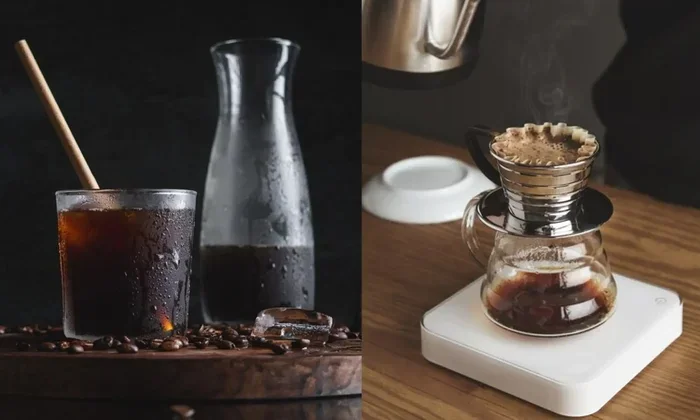
Look for coffee labeled as low-acid or stomach-friendly. Cold brew coffee is also naturally lower in acidity than hot-brewed coffee. The cold brewing process extracts less acid from the beans. This makes it a good option for people with sensitive stomachs.
You can also try adding a pinch of baking soda to your coffee. This neutralizes some of the acid and makes it easier on your stomach. It is a simple trick that many people swear by.
Start with Small Amounts
When you are ready to try coffee again, start small. A half cup is plenty for the first time. Do not go straight back to your usual large mug. Your body needs to adjust gradually.
Wait at least a day between each coffee trial. This gives you time to see how your body reacts. If everything feels fine, you can slowly increase the amount over the next week or two.
Think of it as a gentle reintroduction. You are not trying to prove anything. You are simply giving your body what it can handle right now.
Never Drink Coffee on an Empty Stomach
This is one of the most important rules for coffee drinkers after surgery. Drinking coffee on an empty stomach increases acid production and can irritate the stomach lining. Always eat something before you have your coffee.
Good options include oatmeal, toast, bananas, or scrambled eggs. These foods are gentle on the stomach and help buffer the acid from coffee. They also provide nutrients that support healing.
Avoid pairing coffee with sugary or fatty foods right after surgery. Your body is still learning to handle fats without a gallbladder. Keep your meals simple and balanced.
Try Alternative Brewing Methods
How you brew your coffee can affect how your stomach handles it. Some methods produce a smoother, less acidic cup of coffee. Others are more intense and can cause more irritation.
Cold brew is one of the best options for post-surgery coffee drinkers. It is smooth, low in acidity, and easy to make in large batches. You can also try pour-over methods with a paper filter, which removes some of the oils that can irritate the stomach.
Avoid espresso and French press coffee for now. These methods produce a heavier, more concentrated cup that can be harder on your digestive system. Stick to gentle brewing methods until you are fully recovered.
When you are ready to explore more kitchen tools and techniques for your recovery meals, you might want to learn about different cooking methods. For instance, you could look into when to use the broil setting on an oven for preparing light, easy meals during your healing journey.
Coffee Alternatives During Recovery
Herbal Teas for Healing
Herbal teas are a great substitute for coffee during recovery. They are warm, comforting, and easy on the stomach. Many herbal teas also offer health benefits that support healing.
Peppermint tea can help with digestion and reduce bloating. Chamomile tea is calming and can improve sleep. Ginger tea can ease nausea and support gut health. All of these are excellent choices while you recover from gallbladder surgery.
Just make sure to avoid herbal teas that are too spicy or acidic. Some teas contain ingredients that can irritate a sensitive stomach. Stick to gentle, soothing options.
Decaf and Half-Caf Options
Decaf coffee is not completely caffeine-free, but it has much less. A typical cup of decaf contains about 2 to 5 milligrams of caffeine, compared to 95 milligrams in a regular cup. This small amount is usually well tolerated during recovery.
Half-caf coffee is another option. It is a blend of half regular and half decaf coffee. This gives you a little caffeine without the full impact. It is a good stepping stone if you are not ready to go fully decaf.
When choosing decaf, look for brands that use natural decaffeination methods. Some decaf processes use chemicals that can be harsh on your stomach. Swiss water decaf is a clean, natural option that many people prefer.
Warm Beverages That Help Digestion
Warm drinks are especially soothing after surgery. They help relax the digestive tract and promote gentle movement through the intestines. Beyond tea, you can try warm lemon water, warm apple cider, or golden milk.
Golden milk is a turmeric-based drink that has anti-inflammatory properties. It can help reduce swelling and support healing. Simply warm milk with a teaspoon of turmeric, a pinch of black pepper, and a touch of honey. It is delicious and good for you.
Keeping your kitchen clean and ready for meal prep is important during recovery. When you are ready to get back to normal kitchen routines, make sure your cooking surfaces are sanitized. You can find out if it is safe to use cheesecloth in the oven for straining and cooking tasks during your meal preparation.
Common Mistakes People Make After Surgery
Recovery from gallbladder surgery is a journey. Many people make mistakes along the way that slow down the healing process. Here are some common pitfalls to avoid when it comes to coffee and diet.
Going back too soon. This is the number one mistake. Your body needs time to heal. Drinking coffee before you are ready can cause setbacks. Be patient and listen to your body.
Drinking too much too fast. Even after you get the green light, do not overdo it. Start with small amounts and increase gradually. Your tolerance may be lower than it was before surgery.
Ignoring warning signs. If coffee causes pain, diarrhea, or heartburn, stop drinking it. Do not push through the discomfort. Your body is telling you something. Respect that signal.
Skipping meals. Some people skip meals and drink coffee instead. This is a bad idea after surgery. Food is essential for healing. Coffee on an empty stomach can make you feel worse.
Not staying hydrated. Coffee is a diuretic, which means it makes you urinate more. This can lead to dehydration. During recovery, dehydration is especially dangerous. Always drink plenty of water alongside your coffee.
Choosing the wrong type of coffee. Not all coffee is the same. Regular coffee can be very acidic and harsh on your stomach. Choose low-acid options, cold brew, or decaf to give your digestive system a break.
Recovery also means taking care of your overall kitchen environment. If you are deep cleaning or reorganizing your kitchen during this time, make sure you are using safe and effective products. You might want to check if you can cover food with foil in the oven for easy, mess-free meal preparation while you heal.
Key Takeaways
- Wait before resuming: Most experts suggest waiting two to four weeks after surgery before drinking coffee again.
- Start small: Begin with small cups and low-acid options to test your tolerance.
- Watch for side effects: Diarrhea, acid reflux, and stomach cramps are common warning signs.
- Try alternatives: Herbal teas and decaf coffee can help you stay in the habit while you heal.
- Brewing method matters: Cold brew and filtered coffee are gentler on your stomach than espresso.
- Stay hydrated: Coffee can dehydrate you, so drink extra water during recovery.
Frequently Asked Questions
How long should I wait to drink coffee after gallbladder surgery?
Most doctors recommend waiting at least two to four weeks before drinking coffee again. The exact timeline depends on how quickly you heal and how your body responds. Always follow your surgeon’s specific advice. If you are unsure, wait a little longer to be safe.
Can coffee cause diarrhea after gallbladder surgery?
Yes, coffee can cause diarrhea after gallbladder surgery. Coffee stimulates the colon and increases bile flow. Without a gallbladder to regulate bile, this can lead to loose stools and digestive urgency. If this happens, stop drinking coffee and give your body more time to adjust.
Is decaf coffee safe after gallbladder surgery?
Decaf coffee is generally safer than regular coffee after surgery. It contains much less caffeine, which reduces the risk of acid reflux and digestive irritation. However, decaf is still acidic, so start with small amounts and see how your body reacts.
What type of coffee is best after gallbladder removal?
Low-acid coffee, cold brew, and filtered coffee are the best options after gallbladder removal. These methods produce a smoother cup that is gentler on your stomach. Avoid espresso and French press coffee, which are more concentrated and acidic.
Can I add milk or cream to my coffee after surgery?
You can add milk or cream, but be cautious. Dairy can be harder to digest for some people after surgery. If you notice bloating or discomfort, try plant-based milk instead. Also, avoid sugary creamers, which can irritate your stomach further.
What should I do if coffee hurts my stomach after surgery?
If coffee causes stomach pain after surgery, stop drinking it immediately. Switch to herbal tea or warm water. Give your body more time to heal. If the pain persists or gets worse, contact your doctor. Persistent stomach pain after surgery is not normal and should be evaluated.
Final Thoughts
Can you drink coffee after gallbladder surgery? Yes, you absolutely can. But the key is to be patient and smart about it. Your body went through a major procedure. It deserves time to heal and adjust to the new way bile flows through your digestive system.
Start by waiting at least two to four weeks before your first cup. When you do try coffee, choose low-acid options, drink it with food, and start with small amounts. Pay close attention to how your body responds. If something feels off, take a step back and try again later.
Coffee is more than just a drink for many people. It is a daily ritual, a comfort, and a source of joy. You do not have to give it up forever after surgery. You just need to ease back into it with care and awareness.
Remember that everyone recovers differently. What works for one person might not work for another. Trust your body. Listen to its signals. And do not be afraid to take it slow. The goal is a full, comfortable recovery that lets you enjoy all the things you love, including your morning coffee.
Stay hydrated, eat well, and give yourself grace during this time. Your body is doing incredible work to heal itself. With a little patience and the right approach, you will be back to your normal coffee routine before you know it.