How To Make Myself Like Black Coffee The Simple Way
Learning how to make yourself like black coffee is easier than you think. With the right beans, brewing method, and a few simple tricks, you can train your taste buds to enjoy black coffee every morning. This guide covers step-by-step methods to help you ditch cream and sugar for good.
Key Takeaways
- Start with fresh, quality beans: The flavor of your coffee beans makes a huge difference in how black coffee tastes.
- Try different roast levels: Light, medium, and dark roasts each offer unique flavors that may suit your palate better.
- Master your brewing temperature: Using the right water temperature prevents bitterness and brings out the best notes.
- Build a daily coffee ritual: Pairing your coffee with the right food and setting a routine helps you grow to love it.
- Avoid common mistakes: Stale grounds and wrong water temperature are the top reasons people dislike black coffee.
- Be patient with your palate: It takes time to adjust, but your taste buds will adapt faster than you expect.
📑 Table of Contents
- Why Black Coffee Is Worth the Effort
- Understanding Why People Struggle With Black Coffee
- How To Make Yourself Like Black Coffee Step by Step
- Easy Tricks To Make Black Coffee Taste Better
- Building a Daily Coffee Ritual
- Common Mistakes That Make Black Coffee Taste Bad
- When to Seek Help If You Cannot Stand Black Coffee
- Conclusion
Why Black Coffee Is Worth the Effort
If you have never tried drinking black coffee, you might wonder why so many people love it. The truth is, black coffee has a rich and complex flavor that reveals itself once you learn to appreciate it. Many coffee lovers say that switching to black coffee changed the way they experienced their morning cup forever.
There are real reasons to give black coffee a chance. First, it has zero calories when you drink it without sugar or cream. Second, black coffee lets you taste the true flavor of the beans. Third, it gives you a clean energy boost without the sugar crash that comes with sweetened drinks. When you learn how to make yourself like black coffee, you open the door to a healthier and more flavorful daily habit.
The journey to enjoying black coffee does not happen overnight. Your taste buds need time to adjust. But with the right approach, you can train your palate to love the natural taste of coffee. This guide will walk you through every step of the process in a simple and practical way.
Understanding Why People Struggle With Black Coffee
Before we dive into the tips, it helps to understand why black coffee tastes bitter to many people. Bitterness is the number one reason people add sugar or cream to their coffee. When you first try black coffee, the bitterness can feel overwhelming. But bitterness is not the only flavor in coffee.
Coffee contains hundreds of flavor compounds. These include notes of chocolate, fruit, nuts, caramel, and even floral hints. When you drink coffee with sugar or cream, you mask all of those flavors. The goal is to slowly expose your tongue to these flavors so you can start noticing them.
Another reason people struggle is that they use low-quality coffee or brew it incorrectly. Bad coffee grounds and wrong water temperature can make even the best beans taste terrible. Once you fix these basics, black coffee becomes much more enjoyable.
The Science Behind Your Taste Buds
Your taste buds regenerate every few weeks. This means your palate can change over time. When you stop adding sugar and cream, your taste buds slowly become more sensitive to the natural flavors in coffee. Studies show that people who drink black coffee regularly develop a stronger preference for it over time. So the more you drink it, the easier it gets.
How To Make Yourself Like Black Coffee Step by Step
Now let us get into the practical steps. These methods will help you ease into black coffee without feeling deprived. Each step builds on the last, so follow them in order for the best results.
Step 1: Start With Fresh, High-Quality Beans
The single most important factor in how your coffee tastes is the quality of the beans. Fresh beans taste completely different from old, stale ones. When you buy whole beans and grind them right before brewing, you get a much richer and smoother cup.
Look for beans that have a roast date on the bag, not just an expiration date. Beans that were roasted within the last two to four weeks taste the best. Choose beans from a reputable roaster if possible. The origin of the beans also matters. Ethiopian beans tend to have fruity and floral notes, while Colombian beans often taste nutty and chocolatey. Try a few different origins to find what you like.
If you currently buy pre-ground coffee, try switching to whole beans. A simple hand grinder or electric grinder makes this easy. The freshness alone can make you fall in love with black coffee for the first time.
Step 2: Choose the Right Roast Level
Not all coffee roasts taste the same. Light roasts preserve the original flavors of the bean. Medium roasts offer a balanced taste with mild sweetness. Dark roasts have a bold, smoky, and sometimes chocolatey flavor. If you are new to black coffee, a medium roast is often the best starting point.
Light roasts can taste fruity and acidic, which some people love and others find too sharp. Dark roasts taste bolder and less acidic, which can be easier on a beginner palate. Experiment with different roast levels until you find one that clicks with you. You might be surprised at how much you enjoy a well-made light roast.
When shopping, look for single-origin beans. These come from one specific region and have a more distinct flavor profile. This makes it easier to identify what you like and do not like.
Step 3: Master Your Brewing Temperature
The temperature of your water plays a huge role in how your coffee tastes. Water that is too hot will over-extract the grounds and create a bitter flavor. Water that is too cool will under-extract and leave your coffee tasting weak and sour.
The ideal brewing temperature is between 195 and 205 degrees Fahrenheit. If you do not have a thermometer, bring your water to a boil and then let it sit for about 30 seconds. This brings it into the sweet spot. Using a gooseneck kettle gives you more control over the pour and the temperature.
Many people who dislike black coffee have never brewed it at the right temperature. Once you get this right, the flavor improves dramatically.
Step 4: Find Your Perfect Grind Size
Grind size affects how fast the water extracts flavor from the grounds. A coarse grind works best for French press coffee. A medium grind is ideal for drip coffee makers. A fine grind is what you want for espresso. If your grind size does not match your brewing method, the coffee will taste off.
For beginners, a medium grind is the safest choice. It works well with most drip machines and pour-over setups. If you are using a method where you make coffee without filter or machine, the grind size becomes even more important. A coarse grind prevents over-extraction and keeps the cup smooth.
Invest in a burr grinder if you can. Blade grinders chop the beans unevenly, which leads to inconsistent extraction and a less enjoyable cup.
Step 5: Try Different Brewing Methods
Not all brewing methods produce the same taste. Some methods bring out sweetness, while others highlight acidity or body. Here are a few methods worth trying:
- Pour-over: This method gives you a clean and bright cup. It lets you control every variable, from water temperature to pour speed.
- French press: This method produces a full-bodied and rich cup. The metal filter lets more oils through, which adds depth to the flavor.
- AeroPress: This method is fast and versatile. It can produce a smooth and low-acidity cup that is great for black coffee beginners.
- Cold brew: This method uses cold water and a long steeping time. The result is a smooth, naturally sweet concentrate that is very low in acidity.
Each method highlights different flavor notes. Try at least two or three methods to see which one you enjoy the most. You might discover that you love cold brew black coffee but prefer pour-over for hot coffee.
Easy Tricks To Make Black Coffee Taste Better
If you have tried black coffee and still find it hard to enjoy, these tricks can help. They do not involve adding sugar or cream. Instead, they work with the natural flavors of the coffee to create a more enjoyable cup.
Add a Pinch of Salt
This might sound strange, but a tiny pinch of salt in your coffee grounds neutralizes bitterness. It does not make your coffee taste salty. Instead, it smooths out the harsh flavors and brings out the natural sweetness of the beans. Use just a pinch, about 1/8 teaspoon per cup. This is one of the oldest and most effective tricks for making black coffee more drinkable.
Experiment With Flavor Pairings
What you eat with your coffee matters. Certain foods bring out the best flavors in black coffee. A piece of dark chocolate, for example, complements the roasted notes in coffee beautifully. A warm buttery scone or a slice of toast can also enhance the experience.
Some people enjoy warming up pita bread in the oven as a simple coffee companion. The mild, slightly toasty flavor of warm pita pairs well with the bold taste of black coffee. It creates a small ritual that makes the morning feel special and encourages you to sit down and savor your cup.
Use Filtered Water
Coffee is about 98 percent water. If your tap water tastes chlorinated or hard, it will affect the flavor of your coffee. Using filtered water makes a noticeable difference. It removes impurities and lets the true flavor of the beans shine through. This is one of the simplest changes you can make, and it costs almost nothing.
Try Dried Herbs for Flavor
Some people enjoy adding dried herbs to their coffee for a subtle flavor twist. Dried basil, for example, can add a light and aromatic note to your cup. You can dry basil in the oven at a low temperature and then crumble a small amount into your grounds before brewing. This works best with medium and light roasts where the herbal notes complement the coffee flavor rather than overpower it.
Just a tiny pinch is enough. Too much will make the coffee taste like tea. Start small and adjust to your liking. This is a fun way to make black coffee feel more interesting without adding calories or sweetness.
Building a Daily Coffee Ritual
One of the most powerful ways to learn how to make yourself like black coffee is to build a ritual around it. Rituals create positive associations. When your brain connects black coffee with comfort, warmth, and a good start to the day, you begin to crave it.
Morning Coffee Habits That Help
Try drinking your black coffee at the same time every morning. Pair it with a quiet moment before the rush of the day begins. Sit at a table instead of drinking it on the go. Use your favorite mug. These small details train your brain to associate black coffee with pleasure.
Some coffee lovers find that the aroma of fresh brewing coffee is almost as enjoyable as drinking it. The smell of coffee triggers positive feelings and anticipation. Let yourself breathe in the aroma before taking your first sip. This mindful approach can transform your relationship with black coffee.
Track Your Progress
Keep a simple journal of your black coffee journey. Write down what roast you tried, what brewing method you used, and how it tasted. Over time, you will see patterns emerge. You might notice that you prefer medium roasts brewed with a French press. Or you might find that cold brew is your clear favorite.
Tracking also helps you stay motivated. When you look back after a few weeks, you will see how far you have come. Each day you drink black coffee, your palate adjusts a little more.
Give Yourself Grace
Not every cup of black coffee will be perfect. Some days the coffee might taste too bitter or too weak. That is completely normal. Do not give up just because one cup was not great. Keep experimenting with beans, roasts, and brewing methods until you find your perfect match.
Common Mistakes That Make Black Coffee Taste Bad
Many people give up on black coffee too quickly because they make avoidable mistakes. Here are the most common ones and how to fix them.
Using Stale Coffee Grounds
Stale grounds are the number one enemy of good black coffee. Once coffee is ground, it starts to lose its flavor within minutes. Pre-ground coffee that has been sitting on a shelf for weeks or months will taste flat and lifeless. Always grind your beans right before brewing for the freshest possible flavor.
Using the Wrong Water Temperature
Boiling water is too hot for most brewing methods. It scorches the grounds and creates a harsh, bitter taste. Let your water cool slightly after boiling, or use a kettle with temperature control. The right temperature makes a world of difference.
Using Too Much Coffee
More coffee does not mean better coffee. Using too many grounds can over-extract the coffee and make it taste bitter and harsh. Follow the recommended ratio, which is usually about two tablespoons of grounds per six ounces of water. Adjust to your taste from there.
Skipping the Clean Equipment
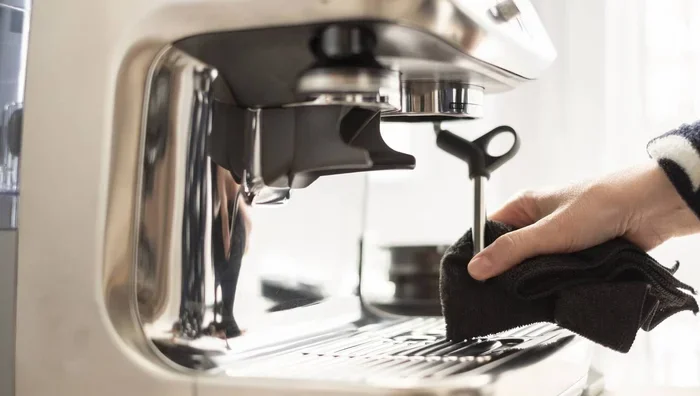
Dirty coffee equipment builds up old oils and residue that go rancid over time. This makes every cup taste off. Clean your grinder, brewer, and mug regularly. A simple rinse after each use and a deeper clean once a week keeps your equipment in top shape.
When to Seek Help If You Cannot Stand Black Coffee
Sometimes, despite your best efforts, black coffee just does not work for you. That is perfectly okay. Not everyone is meant to drink black coffee, and there is no shame in that. If you have tried all the tips and still cannot enjoy it, there are other ways to get the benefits of coffee without the bitter taste.
Consider trying very lightly sweetened coffee as a middle ground. You can add just a half teaspoon of honey or a splash of oat milk. This reduces the bitterness while still keeping the drink mostly black. Over time, you might find you can reduce the sweetener even further.
Another option is to try coffee alternatives that mimic the taste of black coffee. Chicory root coffee, for example, has a roasted and slightly bitter flavor that is similar to coffee. It contains no caffeine and can be a great substitute for people who want the ritual without the taste of coffee beans.
The most important thing is to find a coffee routine that you genuinely enjoy. Whether that is black coffee, lightly sweetened coffee, or a coffee alternative, the goal is to build a habit that makes your mornings better.
Conclusion
Learning how to make yourself like black coffee is a journey, not a destination. It takes patience, experimentation, and a willingness to step outside your comfort zone. Start with fresh beans, master your brewing method, and try different roasts until you find what works for you. Use the tricks and tips in this guide to make the transition smoother. Before long, you may find that you genuinely crave your morning cup of black coffee. The natural flavors, the clean energy, and the simple ritual all become part of what you love about starting your day. Give it time, stay curious, and enjoy the process.
Frequently Asked Questions
How long does it take to start liking black coffee?
Most people notice a shift in their taste preferences within two to four weeks of drinking black coffee daily. Your taste buds adapt gradually, so be patient and give yourself time to adjust to the new flavors.
Can I add cinnamon to black coffee?
Yes, cinnamon is a great natural way to add sweetness and warmth to black coffee without any calories or sugar. Just a small sprinkle on top or stirred into your cup can make a big difference in flavor.
Is black coffee better for you than coffee with cream and sugar?
Black coffee has zero calories and no added sugar, which makes it a healthier choice for most people. It also allows you to experience the full range of flavors that the coffee beans have to offer.
What is the best time of day to drink black coffee?
Most coffee experts recommend drinking black coffee in the morning, about 90 minutes after waking up. This is when your cortisol levels naturally dip, and coffee can provide the most effective energy boost.
Does the type of water matter for black coffee?
Yes, water quality has a significant impact on coffee taste. Filtered water removes chlorine and minerals that can alter the flavor. Using clean, filtered water helps the true taste of the coffee beans come through.
Can cold brew help me learn to like black coffee?
Absolutely. Cold brew coffee is naturally smoother and less bitter than hot brewed coffee because of the long steeping process. It is often a great starting point for people who are new to drinking black coffee.