How To Choose Coffee Grind Size And Get Perfect Results
Choosing the right coffee grind size is the single most important step you can take to improve your daily cup. Whether you prefer espresso, French press, or drip coffee, the grind size directly affects flavor, extraction, and brew time. This guide breaks down every grind level, matches each to your preferred method, and shares expert tips to get perfect results every time.
If you have ever wondered why your morning coffee tastes off, the answer might be simpler than you think. Coffee grind size is one of the most overlooked factors in brewing great coffee. Many people focus on bean quality, water temperature, and brew time but completely ignore how coarse or fine their grounds are. The truth is that grind size affects everything from flavor to extraction. Once you understand the basics, you will never settle for a mediocre cup again.
In this guide, we will walk you through every grind size, explain how each one works with different brewing methods, and share practical tips to help you get consistent, delicious results. Whether you are a complete beginner or a coffee enthusiast looking to fine-tune your routine, this article has something for you. Let us dive in and help you master the art of grinding coffee beans the right way.
Key Takeaways
- Grind size controls extraction: Too fine or too coarse leads to over- or under-extracted coffee that tastes bitter or sour.
- Match grind to brewing method: Each method requires a specific grind size for optimal flavor and brew time.
- Burr grinders beat blade grinders: They produce consistent particle sizes that lead to even extraction.
- Freshness matters: Grind your beans just before brewing for the best flavor and aroma.
- Small adjustments make big differences: Even a slight change in grind size can transform your cup.
- Water temperature and brew time work together with grind size: Adjust all three for the perfect cup.
- Practice makes perfect: Keep a coffee journal to track what works best for your taste.
📑 Table of Contents
- Why Coffee Grind Size Matters So Much
- The Different Coffee Grind Sizes Explained
- How to Match Grind Size to Your Brewing Method
- Burr Grinder vs Blade Grinder
- Common Coffee Grind Size Mistakes to Avoid
- Tips for Perfect Grind Consistency Every Time
- Final Thoughts on Choosing the Right Coffee Grind Size
Why Coffee Grind Size Matters So Much
Think of coffee grind size as the gateway to flavor. When water touches coffee grounds, it extracts oils, acids, and sugars from the beans. The speed and efficiency of this process depend heavily on how big or small the particles are. Too much extraction leads to bitter, harsh coffee. Too little extraction leaves your cup sour and thin.
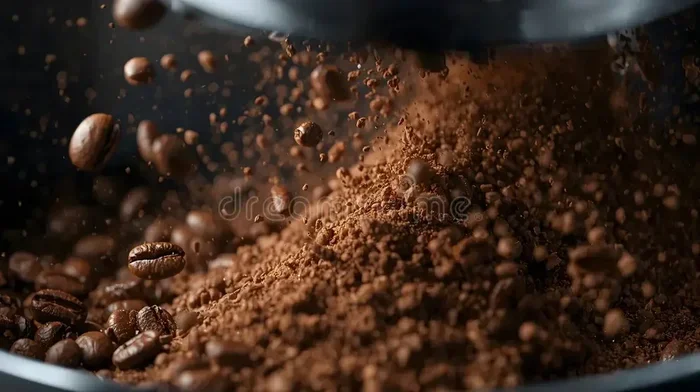
The size of your grounds controls the surface area that water contacts. Fine grinds have more surface area, which means faster extraction. Coarse grinds have less surface area, so extraction takes longer. This is why grind consistency is so important. Uneven particles extract at different rates, creating a messy, unbalanced flavor profile. A burr grinder helps solve this problem by producing uniform particles, while a blade grinder often crushes beans into a random mix of sizes.
Your brew time also plays a role. Espresso extracts in about 25 to 30 seconds, so it needs a very fine grind. French press brews for four minutes, so it requires a coarse grind. If you use the wrong size for the wrong method, you will end up with disappointing results no matter how good your beans are.
The Science Behind Extraction
Coffee extraction is a balancing act. You want to pull out the right compounds at the right time. The sweet spot is typically between 18 and 22 percent extraction. Below that range, your coffee tastes sour and weak. Above it, the brew becomes bitter and harsh. Grind size is one of the easiest levers you can adjust to hit that sweet spot.
Other factors like water temperature, coffee-to-water ratio, and agitation also matter. But grind size is the first thing you should check when your coffee does not taste right. A small tweak can make a huge difference. Many home baristas find that simply adjusting their grind solves most flavor problems without changing anything else.
The Different Coffee Grind Sizes Explained
Not all grinds are created equal. There are several distinct sizes, and each one serves a specific purpose. Understanding these sizes is the foundation of great brewing. Let us break them down one by one.
Extra Coarse Grind
Extra coarse grounds look like rough chunks or small pebbles. They are the largest grind size available and are used primarily for cold brew coffee. Because cold brew steeps for 12 to 24 hours, the grounds need to be large to avoid over-extraction. If you use a finer grind for cold brew, your coffee will turn out muddy and overly bitter.
Coarse Grind
A coarse grind resembles sea salt or kosher salt. This is the standard for French press coffee. The large particles slow down extraction, which matches the four-minute steeping time perfectly. Coarse grinds also work well for percolators. When you use a French press, the mesh filter allows some fine particles through, so keeping the grind coarse helps reduce sediment in your cup.
Medium-Coarse Grind
Medium-coarse sits between sea salt and regular sand. It works beautifully with pour over coffee makers like the Chemex. The slightly larger particles prevent clogging while still allowing enough extraction during the brew cycle. If you find your pour over coffee tastes watery or takes too long to drip, try adjusting to this grind size.
Medium Grind
Medium grind is the most versatile size. It looks like regular sand and is ideal for drip coffee makers and auto drip machines. Most pre-ground coffee sold in stores uses this size. It strikes a good balance between extraction speed and flavor clarity. If you use a standard coffee maker at home, medium grind is almost certainly what you want.
Medium-Fine Grind
Medium-fine grind is slightly smoother than sand. It is the go-to size for cone-shaped pour over brewers like the V60 and Kalita Wave. It also works well for siphon brewers. This size allows a bit faster extraction than medium grind while still producing a clean, flavorful cup. Many coffee lovers prefer this grind for its clarity and brightness.
Fine Grind
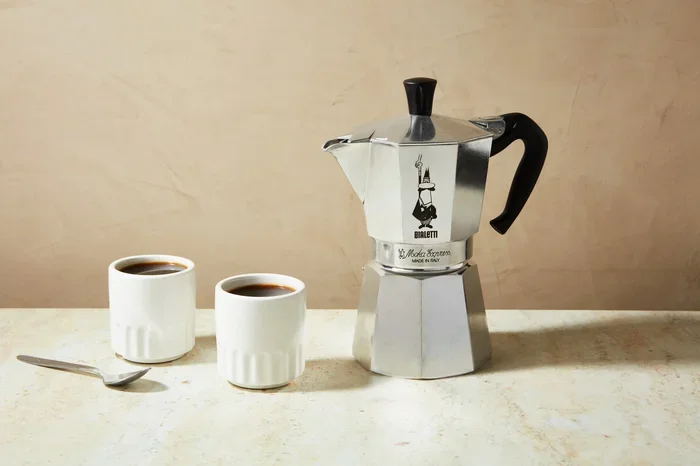
Fine grind looks like table salt or powdered sugar. It is essential for espresso and Moka pots. The small particles create resistance against water, which builds the pressure needed for proper extraction. Espresso typically extracts in 25 to 30 seconds, and a fine grind makes that possible. If your espresso tastes sour or runs too fast, your grind is probably too coarse.
Extra Fine Grind
Extra fine grind is almost like flour. It is used for Turkish coffee, which is brewed without any filtration. The grounds settle to the bottom of the cup, creating a thick, strong, and unfiltered beverage. This is the most intense coffee brewing method and requires very careful attention to grind size. Too coarse, and the coffee will be weak. Too fine, and it will be gritty and over-extracted.
How to Match Grind Size to Your Brewing Method
Now that you know the different sizes, let us talk about how to pair them with your favorite brewing method. Matching the right grind to the right method is the key to unlocking the best flavor. Here is a simple guide to get you started.
Espresso
Espresso demands a fine grind. The machine forces hot water through tightly packed grounds at high pressure. A fine grind creates the resistance needed to produce a rich, concentrated shot with a layer of crema on top. If your espresso tastes watery or sour, try grinding finer. If it tastes bitter and slow, go a bit coarser.
French Press
For French press, stick with a coarse grind. The full-immersion method means the grounds sit in water for several minutes. A coarse size prevents over-extraction and keeps your cup clean. After brewing, simply press the plunger down and pour. The metal filter catches most of the large particles, leaving you with a full-bodied, rich cup.
Pour Over
Pour over coffee works best with a medium-coarse to medium-fine grind, depending on the dripper you use. Chemex prefers a coarser medium grind, while V60 does well with a finer medium. The water flows through a paper filter, which catches most sediment. This method produces a clean, bright cup that highlights the unique flavors of single-origin beans.
Drip Coffee Makers
Standard drip coffee makers work well with a medium grind. The machine pushes hot water through a basket of grounds, and the brew drips into a carafe. A medium size ensures even extraction without clogging the filter. If your coffee maker is brewing too fast and producing weak coffee, your grind may be too coarse. Slow it down with a finer setting.
Cold Brew
Cold brew requires an extra coarse grind. The long steeping time of 12 to 24 hours means the water extracts flavors slowly. Large particles prevent the coffee from becoming over-extracted and bitter. After steeping, you simply strain the grounds out through a fine mesh or cheesecloth. The result is a smooth, mellow concentrate that you can dilute with water or milk.
Turkish Coffee
Turkish coffee uses an extra fine grind that is almost powdery. The coffee is brewed in a small pot called a cezve, and the grounds are not filtered out at all. The result is a thick, strong, and aromatic cup. This method requires patience and precision. The grind must be very consistent, which is why a quality burr grinder is essential for Turkish coffee lovers.
Burr Grinder vs Blade Grinder
Choosing the right grinder is just as important as choosing the right grind size. There are two main types: burr grinders and blade grinders. They work very differently, and the difference shows in your final cup.
What Is a Burr Grinder?
A burr grinder uses two rotating surfaces to crush beans between them. The distance between the burrs controls the grind size. This mechanism produces uniform particles, which leads to even extraction and a balanced cup. Burr grinders come in both manual and electric versions. They are the preferred choice of serious coffee lovers and professional baristas alike.
The main advantage of a burr grinder is consistency. Every particle is roughly the same size, which means every bit of coffee extracts at the same rate. This consistency gives you better control over flavor and makes it easier to reproduce your favorite cup day after day. Burr grinders are also more durable and last longer than blade models.
What Is a Blade Grinder?
A blade grinder works like a small blender. A spinning blade chops the beans into pieces, but the size of those pieces varies widely. Some particles are powder-fine, while others remain large and chunky. This inconsistency leads to uneven extraction. Some grounds over-extract and turn bitter, while others under-extract and taste sour.
Blade grinders are cheaper and more widely available, which makes them a popular choice for beginners. However, they are hard to use for consistent results. If you only have a blade grinder, try pulsing it in short bursts instead of running it continuously. This helps reduce the variation in particle size. But for serious coffee brewing, investing in a burr grinder is one of the best decisions you can make.
Quick Comparison
Here is a simple look at how the two types compare:
- Burr grinder: Consistent particles, adjustable settings, better flavor, higher price, longer lifespan.
- Blade grinder: Inconsistent particles, limited control, uneven extraction, lower price, shorter lifespan.
If you are serious about your coffee, a burr grinder is worth every penny. It gives you the control and consistency needed to truly master grinding coffee beans. Many entry-level burr grinders are affordable now, so there is no excuse not to upgrade.
Common Coffee Grind Size Mistakes to Avoid
Even experienced coffee drinkers make mistakes with their grind size. Knowing what to avoid can save you a lot of frustration and wasted beans. Here are the most common errors and how to fix them.
Using Pre-Ground Coffee for Too Long
Once you grind coffee beans, they start losing flavor quickly. The oils and aromas that give coffee its character begin to evaporate within minutes of grinding. Pre-ground coffee from the store can sit on shelves for weeks or even months. By the time you brew it, much of the flavor is already gone. For the best results, always grind your beans just before brewing.
Ignoring the Relationship Between Grind and Brew Time
Grind size and brew time are inseparable partners. If you change one, you need to adjust the other. A finer grind slows water flow, which increases brew time. A coarser grind speeds things up. If your coffee tastes bitter, it may be over-extracted because the grind is too fine or the brew time is too long. If it tastes sour, the opposite may be true.
Not Cleaning Your Grinder
Old coffee oils and fine particles build up inside grinders over time. This residue can go rancid and taint the flavor of fresh grounds. Clean your grinder regularly to keep your coffee tasting its best. Most burr grinders have removable parts that can be washed, and a quick brush after each use goes a long way. Taking care of your equipment ensures consistent results every time.
Using the Same Grind for Every Method
This is one of the biggest mistakes coffee lovers make. Using a medium grind for everything might seem convenient, but it means you are never getting the best possible flavor from any method. Each brewing technique has a specific ideal grind size. Taking the extra minute to adjust your grinder pays off in a much better cup.
Overlooking Water Temperature
Water temperature works hand in hand with grind size. Water that is too hot can over-extract even the right grind, while water that is too under-extracted. The ideal temperature for most brewing methods is between 195 and 205 degrees Fahrenheit. If you combine the right grind size with the right temperature, you are already ahead of most home brewers.
Tips for Perfect Grind Consistency Every Time
Getting a great grind every time takes a little practice and attention. Here are some practical tips to help you dial in your coffee grind size like a pro.
Start Fresh with Quality Beans
Always use freshly roasted, whole bean coffee. Beans that are more than a few weeks old lose much of their flavor and aroma. Buy from a local roaster or a reputable online source that roasts in small batches. Store your beans in an airtight container away from light and heat. Good beans are the foundation of great coffee.
Keep a Coffee Journal
One of the best habits you can build is tracking your brewing variables. Write down the grind size, coffee-to-water ratio, water temperature, and brew time for each cup. Note what you liked and what you did not. Over time, you will start to see patterns and learn exactly what works best for your taste. A simple notebook or a phone app works great for this.
Invest in a Quality Grinder
Your grinder is just as important as your brewing method. A good burr grinder with precise adjustable settings will transform your coffee experience. Look for grinders with a wide range of size adjustments and a reputation for consistency. Brands like Baratza, Fellow, and Eureka make excellent options at various price points. The investment pays for itself in better coffee every single day.
Experiment and Adjust
Do not be afraid to experiment. Coffee is personal, and what works for one person may not work for another. Try adjusting your grind by just one setting and taste the difference. Make small changes and give each adjustment a fair chance. Over time, you will develop a feel for what works best with your beans, your equipment, and your palate.
Grind at the Right Time
Grind your coffee as close to brewing as possible. Even the best grinder cannot stop the clock on flavor loss. If you grind in the morning, brew within a few minutes. If you prep the night before, store the grounds in an airtight container. The fresher the grind, the brighter and more flavorful your cup will be.
Use the Right Amount of Coffee
Grind size matters, but so does the amount of coffee you use. A general rule is two tablespoons of ground coffee per six ounces of water. Adjust this ratio to your taste, but always start with a consistent measurement. Using a kitchen scale to weigh your coffee grounds gives you the most precise and repeatable results.
Final Thoughts on Choosing the Right Coffee Grind Size
Choosing the right coffee grind size is one of the simplest yet most powerful things you can do to improve your daily brew. From extra coarse for cold brew to extra fine for Turkish coffee, every size has a purpose and a perfect match. The key is understanding your brewing method, using a quality grinder, and making small adjustments until you find your sweet spot.
Remember that great coffee is all about balance. Grind size, water temperature, brew time, and coffee-to-water ratio all work together to create the perfect cup. When one variable changes, the others may need to follow. But once you find your rhythm, brewing great coffee becomes second nature. Start with the tips in this guide, trust your taste buds, and enjoy the journey of discovering your perfect cup. Happy brewing!
Frequently Asked Questions
What is the best coffee grind size for a drip coffee maker?
A medium grind works best for most drip coffee makers. It allows water to flow through the grounds at the right speed for even extraction. If your coffee tastes weak, try a slightly finer grind. If it tastes bitter, go a bit coarser.
Can I use a blade grinder for espresso?
It is not recommended. Blade grinders produce inconsistent particle sizes, which leads to uneven extraction in espresso. A burr grinder is essential for achieving the fine, uniform grind that espresso demands.
How long before brewing should I grind my coffee?
Grind your coffee as close to brewing as possible, ideally within a few minutes. Freshly ground coffee retains more flavor and aroma than pre-ground coffee that has been sitting out.
Why does my French press coffee taste bitter?
Bitter French press coffee is often caused by a grind that is too fine. Try using a coarser grind to slow down extraction. Also make sure you are not steeping the coffee for too long.
What is the difference between medium and medium-fine grind?
Medium grind looks like regular sand and is used for drip coffee makers. Medium-fine grind is slightly smoother and is best for pour over brewers like the V60. The difference is subtle but makes a noticeable impact on flavor.
How can I tell if my grind size is correct?
Taste your coffee. If it is sour and thin, your grind is probably too coarse. If it is bitter and harsh, it is likely too fine. Adjust one setting at a time and taste again until you find the sweet spot.
=== CONCLUSION ===
Mastering coffee grind size is one of the easiest ways to elevate your home brewing game. With the right grind matched to the right method, you can unlock flavors and aromas you never knew were possible. Remember to use a quality burr grinder, grind fresh, and make small adjustments until you find your perfect cup. Keep experimenting, keep tasting, and most importantly, enjoy every sip of the journey.