How To Make Coffee Crema Without A Machine For Beginners
Making coffee crema without a machine is easier than you think and requires only simple kitchen tools. This guide walks you through proven methods like the moka pot, French press, and whisk technique to create rich, golden crema at home. You will learn the best tips, common mistakes, and FAQs to master coffee crema without a machine like a pro.
Making coffee crema without a machine is totally doable and surprisingly simple. Whether you use a stovetop moka pot, a French press, or just a good whisk, you can create that golden, velvety layer on top of your espresso. Coffee crema without a machine is not just a budget-friendly alternative, it is a fun and rewarding way to upgrade your daily brew. In this guide, you will learn the best methods, tools, and tips to achieve rich, creamy crema coffee right in your own kitchen. By the end, you will know exactly how to make crema without any fancy equipment and impress everyone with your barista skills.
There is something magical about a perfect cup of coffee with a thick, golden layer of crema sitting on top. It adds beauty, flavor, and a touch of elegance to every sip. For years, people thought you needed an expensive espresso machine to get that signature crema. But that is simply not true. You can create stunning homemade crema using tools you probably already have in your kitchen.
This article walks you through everything you need to know about making coffee crema without a machine. From understanding what crema actually is to mastering different brewing methods, you will find all the information you need right here. We will cover simple techniques, helpful tips, and common mistakes to avoid. Whether you are a complete beginner or a coffee lover looking for a new challenge, this guide has you covered.
Key Takeaways
- Multiple methods work: You can make crema with a moka pot, French press, whisk, or immersion blender, no expensive machine needed.
- Fresh beans are essential: Always use beans roasted within two weeks for the best crema formation and flavor.
- Temperature control matters: Keep your water between 195 and 205 degrees Fahrenheit for optimal extraction and crema quality.
- Avoid common mistakes: Skip old beans, wrong grind sizes, and boiling water to get consistent results every time.
- Experiment freely: Try different beans, roast levels, and techniques to find your perfect homemade crema.
- Crema is achievable at home: With the right approach, you can create café-quality crema on a budget.
📑 Table of Contents
What Is Coffee Crema and Why Does It Matter
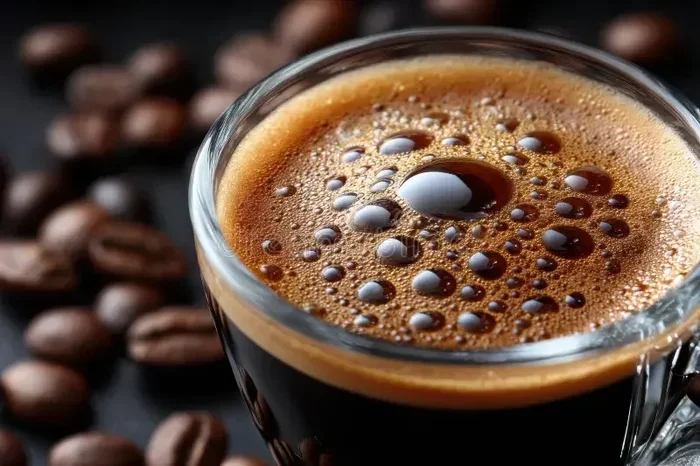
Crema is the thin, creamy layer that forms on top of a properly brewed espresso shot. It has a reddish-golden color and a velvety texture that adds to the visual appeal of your coffee. When you make coffee crema without a machine, you are essentially trying to recreate this natural byproduct of high-pressure coffee extraction.
Crema forms when carbon dioxide gas trapped in freshly roasted coffee grounds gets released during brewing. The gas emulsifies with the oils and solids in the coffee, creating that signature foamy layer. The quality of your crema depends on several factors, including the freshness of your beans, the grind size, the water temperature, and your brewing methods.
What Makes Good Crema
Good crema should be thick, creamy, and last for at least a minute or two after brewing. It should have a rich, golden-brown color with tiny tiger-striped patterns, which coffee experts call “tiger striping.” The flavor of crema adds a pleasant bitterness and sweetness that balances the strong coffee underneath.
If your homemade crema is thin and disappears quickly, something is off with your technique or ingredients. The good news is that fixing it is usually simple. You might need fresher beans, a finer grind, or more water pressure. We will explore all of these solutions in the sections below.
Crema vs Foam: What Is the Difference
Many people confuse crema with regular foam or coffee foam, but they are quite different. Foam is created by trapping air in liquid, like when you steam milk for a latte. Crema, on the other hand, is created by the natural gases in coffee during coffee extraction. It is denser, more flavorful, and has a unique oily texture that foam simply cannot replicate.
Understanding this difference is important because it helps you know what to expect when you try how to make crema at home. You are not making foam, you are coaxing out the natural crema that exists in freshly roasted coffee. This distinction will help you troubleshoot when things do not go as planned.
Why Make Coffee Crema Without A Machine
There are many reasons to explore coffee without machine options. An espresso machine can cost hundreds or even thousands of dollars. They also take up counter space, require maintenance, and can be intimidating for beginners. Making espresso crema without a machine removes all these barriers and opens up a world of possibilities.
When you learn to make crema without a machine, you gain more control over your coffee brewing process. You can experiment with different beans, grind sizes, and techniques until you find your perfect cup. It is also much more affordable and accessible. You do not need special equipment, just a few simple tools and some good-quality coffee beans.
Cost Savings and Accessibility
One of the biggest advantages of making coffee crema at home without a machine is the cost savings. A basic moka pot costs around 30 to 50 dollars, while a quality French press is even cheaper. Compare that to an espresso machine that can cost 500 dollars or more. The savings add up quickly, especially if you drink coffee every day.
Accessibility is another major benefit. You can make great crema on a camping trip, at a friend’s house, or in a small apartment with limited kitchen space. All you need is a heat source and your favorite coffee grounds. This makes coffee brewing more flexible and enjoyable no matter where you are.
Creative Freedom and Experimentation
Without the constraints of a machine, you have more creative freedom to experiment. You can try different coffee beans from around the world, adjust your grind size, change your water temperature, and tweak your brewing time. Each variable affects the final coffee flavor and crema quality in unique ways.
This experimentation is part of the fun. You might discover that a medium roast from Colombia produces a thicker crema than a dark roast from Ethiopia. Or you might find that a slightly coarser grind gives you better results. The point is, making an espresso alternative at home lets you become a true coffee craftsman.
Methods To Make Coffee Crema At Home
Now that you understand what crema is and why making it without a machine is worth your time, let us dive into the actual methods. There are several effective ways to achieve great crema at home. Each method has its own strengths, and you might find that you prefer one over the others.
The Stovetop Moka Pot Method
The moka pot is the most popular espresso alternative for home brewing, and for good reason. It uses steam pressure to force water through coffee grounds, creating a strong, rich brew with a natural layer of crema. A moka pot is affordable, durable, and easy to use, making it the top choice for many coffee lovers.
To get the best moka pot crema, start with freshly roasted whole beans and grind them to a medium-fine consistency. Fill the bottom chamber with water up to the valve, add the ground coffee to the filter basket, and assemble the pot. Place it on medium heat and wait for the coffee to start flowing into the upper chamber. The crema will form naturally as the coffee emerges.
Here are some quick tips for moka pot success:
- Use fresh beans: Beans roasted within the last two weeks produce the best crema.
- Do not tamp the grounds: Just level them off in the basket for even extraction.
- Remove from heat early: Take the pot off the stove as soon as you hear a hissing sound to avoid burning the coffee.
- Preheat your water: Starting with hot water speeds up the process and reduces the metallic taste some moka pots produce.
If you are new to setting up your kitchen, you might want to learn how to use a brand new oven first if this is your first time brewing at home. Having a good heat source is essential for getting the right temperature with a moka pot.
The French Press Technique
A French press is another excellent tool for making homemade crema without a machine. While it does not produce the same high-pressure extraction as an espresso machine, it can still create a lovely, creamy layer on top of your coffee. The key is to use the right beans and technique.
Start by using a coarse grind and fresh, medium-dark roasted beans. Add the grounds to the French press, pour in hot water at about 200 degrees Fahrenheit, and let it steep for four minutes. Press the plunger down slowly and steadily. The resulting coffee will have a natural oiliness and a thin layer of crema on top.
The French press method produces a different style of crema compared to a moka pot. It is lighter and more delicate, but still adds a pleasant texture and flavor to your cup. This method is great for people who prefer a milder coffee flavor with a smooth, creamy finish.
The Whisk and Brew Method
If you do not have a moka pot or French press, do not worry. You can still make a convincing coffee crema recipe using just a whisk and a strong brew. This method works by combining a freshly brewed strong coffee with a manually frothed cream or milk layer on top.
First, brew a very strong cup of coffee using any method you prefer. A dark roast works best for this technique. While the coffee is hot, warm a small amount of cream or milk and whisk it vigorously until it becomes frothy and slightly thickened. Pour the frothed cream over the coffee and watch the crema-like layer form on top.
This method is not true crema in the espresso sense, but it creates a similar visual and textural effect. It is perfect for people who want to enjoy a crema-topped coffee without any special equipment. The coffee topping adds a beautiful presentation and a rich, creamy taste.
The Immersion Blender Approach
An immersion blender is a surprisingly effective tool for creating coffee foam and crema-like layers. This method works well if you already have an immersion blender in your kitchen. Simply brew a strong cup of coffee, pour a small amount of cream into a tall narrow container, and use the immersion blender to froth it until it forms stiff peaks.
Pour the frothed cream gently over your strong coffee, and you will have a beautiful crema-like layer on top. The immersion blender creates finer, more stable bubbles than a whisk, resulting in a creamier and longer-lasting topping. This is one of the easiest coffee without machine methods for beginners who want quick and consistent results.
You can also try this technique with milk instead of cream for a lighter option. The milk will froth up nicely and create a nice layer on your coffee. It is a simple trick that makes a big difference in the presentation and enjoyment of your cup.
Tips For Perfect Coffee Crema Every Time
Getting great crema every time comes down to a few key factors. Once you understand these variables, you can fine-tune your process and achieve consistent, beautiful results. Here are the most important tips to keep in mind.
Start with Fresh, Quality Beans
The single most important factor in making great crema is using fresh, high-quality coffee beans. Look for beans that have been roasted within the past two weeks. Fresh beans contain more carbon dioxide, which is essential for crema formation. Check the roast date on the bag rather than the expiration date for the best results.
Medium to dark roasts generally produce more crema than light roasts. This is because darker roasts release more carbon dioxide during brewing. However, the origin and blend of the beans also matter. Beans from Brazil, Sumatra, and Italy tend to produce excellent crema due to their higher oil content and density.
Grind Size Matters
Your grind size plays a huge role in coffee extraction and crema quality. For methods like the moka pot, a medium-fine grind works best. If the grind is too coarse, the water passes through too quickly and you get weak coffee with little crema. If it is too fine, the water struggles to pass through and the coffee becomes bitter.
Invest in a good burr grinder if you can. Blade grinders create inconsistent particle sizes, which leads to uneven extraction. A burr grinder gives you a uniform grind that extracts more evenly and produces better crema. If you do not have a grinder, many coffee shops will grind beans for you if you ask.
Water Temperature and Quality
The temperature of your water affects everything from extraction to crema formation. Water that is too hot will over-extract the coffee and produce bitter flavors. Water that is too cool will under-extract and give you weak, thin crema. The sweet spot is between 195 and 205 degrees Fahrenheit for most brewing methods.
Water quality is often overlooked but matters just as much. Use filtered or spring water instead of tap water when possible. Chlorine and minerals in tap water can affect the coffee flavor and the appearance of your crema. Clean, fresh water lets the true flavors of the coffee shine through.
Just like you need to warm things gently when you learn how long to warm mashed potatoes in oven to preserve their texture, you need to be gentle with your water temperature when brewing coffee to preserve the delicate compounds that create crema.
Practice Good Technique
Technique matters just as much as ingredients when you are learning how to make crema without a machine. Be consistent with your measurements, water temperature, and brewing time. Keep a notebook if needed to track what works and what does not. Small adjustments can make a big difference in your final cup.
Also, preheat your cup before brewing. A cold cup can cool the coffee too quickly, which prevents crema from forming properly. Simply rinse your cup with hot water before you start brewing. This small step can significantly improve the quality and longevity of your crema.
Common Mistakes To Avoid
Even experienced home baristas make mistakes when trying to get great crema. Knowing what to avoid can save you a lot of frustration and wasted coffee. Here are the most common errors people make when trying to create crema on coffee without a machine.
Using Old or Stale Beans
This is the number one mistake people make. Old beans lose their carbon dioxide content, which means less crema and weaker flavor. If your coffee has been sitting in the pantry for more than a month, it is time to buy fresh beans. Always check the roast date and buy only what you can use within two to three weeks.
Using the Wrong Grind Size
Using pre-ground coffee from a supermarket is convenient but rarely produces great crema. The grind is often inconsistent and has been exposed to air for too long. If you must use pre-ground coffee, store it in an airtight container and use it within a few days of opening. Better yet, invest in a simple hand grinder for fresh grounds every time.
Skipping the Preheating Step
Skipping the preheating step for your cup and your equipment is a common mistake that affects crema quality. Cold equipment causes the temperature to drop too quickly during brewing, which prevents proper extraction and crema formation. Always preheat your cup, your moka pot, and your water before you start.
Keeping things warm is important in coffee just as it is in cooking. If you want to keep your coffee warm while you prepare the rest of your drink, think about the same principles as how to keep burgers warm in oven low and gentle heat preserves quality and keeps everything at the right temperature.
Overheating the Water
Boiling water is too hot for coffee brewing and will ruin your crema. Water at a rolling boil is around 212 degrees Fahrenheit, which is too hot for optimal extraction. Let the water cool for 30 to 60 seconds after boiling before using it. This small wait makes a noticeable difference in the flavor and crema quality of your final cup.
Frequently Asked Questions
Can I make coffee crema without any special equipment at all?
Yes, you absolutely can. The whisk and brew method and the immersion blender approach both require minimal equipment beyond what most kitchens already have. You just need a strong brew of coffee and something to froth cream or milk with. While the results will not be identical to machine-made espresso crema, they are still delicious and impressive.
How long does homemade crema last on coffee?
Homemade crema typically lasts for one to three minutes on the surface of your coffee, depending on the method you used and how fresh your beans are. Moka pot crema tends to last longer than French press crema because of the higher pressure involved in the brewing process. The freshness of your beans is the biggest factor in crema longevity.
What type of coffee beans are best for making crema?
Medium to dark roasts produce the most crema because they release more carbon dioxide during brewing. Look for beans labeled as espresso roast or Italian roast for the best results. Freshness is equally important, so always choose beans with a recent roast date, ideally within two weeks of when you plan to brew them.
Can I make crema with decaffeinated coffee?
Yes, you can make crema with decaf beans, but the results may be slightly different. Decaf beans still contain oils and some residual carbon dioxide, which contribute to crema formation. However, the decaffeination process can reduce the overall oil content, which might result in a thinner crema layer. Using very fresh decaf beans will give you the best results.
Is coffee crema healthy to consume?
Crema itself is mostly made up of carbon dioxide, coffee oils, and fine particles. It is not harmful and contains many of the same antioxidants found in coffee. However, if you add cream or milk to create a crema-like topping, the nutritional content changes based on what you use. Overall, crema is a natural and safe part of the coffee drinking experience.
Can I store leftover crema for later use?
Crema is best enjoyed fresh and does not store well. The delicate bubbles and oils break down quickly, usually within minutes. If you have extra brewed coffee with crema, store the coffee separately and reheat it gently when ready to drink. Reheating will not restore the original crema, but the coffee will still taste good. For the best experience, always make your crema fresh and enjoy it immediately.
Conclusion
Making coffee crema without a machine is a rewarding and enjoyable process that anyone can master. Whether you choose the moka pot method, the French press technique, or a simple whisk approach, the key is to start with fresh beans, use the right water temperature, and practice good technique. Each method has its own charm and produces a unique style of crema that you can enjoy every morning.
Do not be afraid to experiment and find what works best for you. The beauty of making coffee at home is that there are no strict rules, only guidelines to help you along the way. With a little practice and patience, you will be pulling shots with beautiful, golden crema in no time. Your kitchen will smell amazing, your coffee will taste incredible, and you will have a new appreciation for the art of coffee brewing.
So grab your favorite beans, pick a method, and start creating your own homemade crema today. You might just discover your new favorite way to enjoy coffee. Happy brewing!