Do Built In Coffee Machines Need Plumbing In Kitchen
Do built in coffee machines need plumbing in kitchen? The short answer is it depends on the model. Some built-in coffee machines require a direct water line connection, while others work perfectly with just a removable water tank. Understanding your options helps you choose the right setup for your kitchen and avoid costly installation mistakes.
This is a comprehensive guide about Do Built In Coffee Machines Need Plumbing In.
Key Takeaways
- Not all built-in coffee machines need plumbing: Many models come with detachable tanks that eliminate the need for a water line entirely.
- Plumbed machines offer convenience: A direct water connection means you never have to refill the tank manually during busy mornings.
- Installation costs vary widely: Simple countertop units need no plumbing work, while full under-counter setups may require professional installation.
- Space and kitchen layout matter: Your kitchen design and available space play a big role in deciding between a plumbed and non-plumbed machine.
- Maintenance differs between types: Plumbed machines need regular descaling, while tank-based models require tank cleaning and refilling.
- You can switch later: Many built-in machines offer flexible setup options, so you can add plumbing after purchase if needed.
[FEATURED_IMAGE_PLACEHOLDER]
Do Built In Coffee Machines Need Plumbing In Kitchen?
Have you ever walked past a sleek built-in coffee machine in a kitchen showroom and wondered, do built in coffee machines need plumbing in kitchen? It is a question many homeowners ask before committing to a kitchen upgrade. The truth is that the answer is not as straightforward as a simple yes or no.
Some built-in coffee machines absolutely require a plumbing connection to function. These plumbed-in units tap directly into your kitchen water supply, giving you fresh water on demand every time you brew a cup. Other models work just fine with a built-in water tank that you fill by hand. And then there are hybrid options that let you choose either method.
This guide breaks down everything you need to know. We will cover what built-in coffee machines are, which ones need plumbing, which ones do not, and how to decide what is best for your kitchen. By the end, you will feel confident making the right choice for your home and your morning coffee routine.
What Is a Built In Coffee Machine?
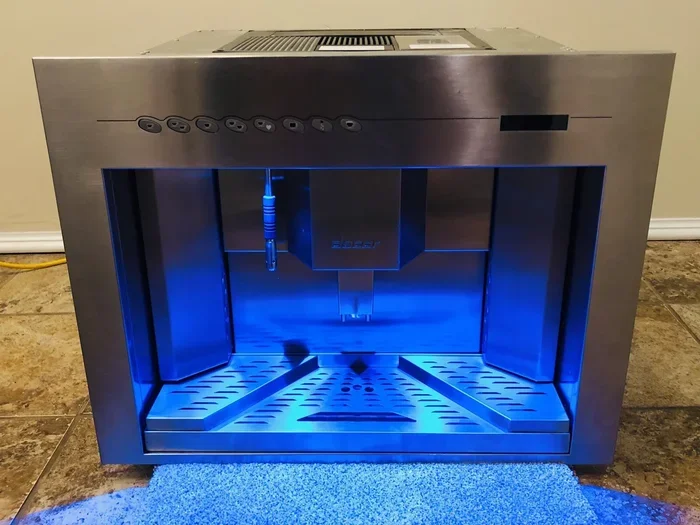
A built-in coffee machine is a unit that gets installed directly into your kitchen cabinetry or countertop. Unlike a freestanding coffee maker that sits on the counter, a built-in machine is flush with your kitchen design. It looks clean, integrated, and part of the kitchen itself.
These machines come in many shapes and sizes. Some are compact units that fit under a counter. Others are full-size espresso systems that take up a cabinet space. You can find built-in drip coffee makers, built-in espresso machines, and even built-in bean-to-cup systems. Each type has different plumbing needs.
Many homeowners choose built-in machines because they save counter space. Kitchens these days are often small, and every inch matters. A built-in coffee machine frees up valuable counter area while still giving you access to great coffee at the touch of a button. If you have ever wondered how to make your kitchen look more streamlined, a built-in coffee machine is a great starting point.
Types of Built In Coffee Machines
Not all built-in coffee machines are the same. Here are the main types you will encounter:
- Under-counter drip coffee makers: These sit beneath your countertop and brew into a carafe or cup dispenser. Many models use a standard water tank.
- Built-in espresso machines: These are more complex. They often include a grinder, frothing wand, and multiple brew settings. Some need plumbing; others do not.
- Bean-to-cup built-in systems: These grind whole beans and brew fresh coffee on demand. They are popular in modern kitchens for their convenience.
- Built-in coffee centers: These are premium units that combine drip brewing, espresso, and hot water functions in one cabinet-ready package.
Each type has different requirements when it comes to water supply. This is where the plumbing question becomes really important.
Which Built In Coffee Machines Need Plumbing?
So, which built-in coffee machines actually need a plumbing connection? The answer depends on the machine type, size, and design. Here is a clear breakdown.
Machines That Require a Water Line
Larger built-in coffee machines almost always need a direct water supply. If you are looking at a full-size under-counter espresso machine or a high-end coffee center, chances are it will need plumbing. These machines use a lot of water throughout the day, and constantly refilling a tank would be impractical.
A plumbed coffee machine connects directly to your kitchen cold water line. A small valve and hose run from the water pipe behind your cabinet into the machine. This setup means the machine always has fresh water ready to go. You never have to remember to fill a tank the night before.
Plumbed machines also tend to have larger water reservoirs internally. This allows them to brew multiple cups in a row without stopping. If your household drinks a lot of coffee in the morning, a plumbed setup is a game changer.
You may have noticed that some kitchens have a small water valve under the sink specifically for a coffee machine. That is the plumbing connection we are talking about. It is usually a simple T-fitting on the cold water line under the sink. Installation is straightforward for a plumber, but it does require some kitchen planning.
Machines That Do Not Need Plumbing
Many built-in coffee machines work perfectly without any plumbing at all. These units have a removable or internal water tank that you fill from the top or back. You simply fill the tank each morning or evening, and the machine does the rest.
Compact under-counter drip coffee makers are a great example. They usually hold enough water for 4 to 12 cups and do not need any water line connection. These are perfect for smaller kitchens or for homeowners who do not want to deal with plumbing at all.
Some built-in bean-to-cup machines also come with tanks instead of plumbing connections. These are often marketed as no-plumb coffee machines or tank-only built-in coffee makers. They are easy to install and can go almost anywhere in your kitchen, as long as there is an electrical outlet nearby.
If you are renting your home or do not want to make permanent changes to your kitchen, a non-plumbed built-in machine is a smart choice. You get the sleek built-in look without the plumbing work.
Hybrid Machines: The Best of Both Worlds
Here is an interesting option that many people overlook. Some built-in coffee machines are designed to work both with and without plumbing. They come with a water tank as standard, but you can optionally connect a water line if you want the convenience of a plumbed setup.
These hybrid machines give you flexibility. You can start without plumbing and add a water line later if your needs change. This is a great option if you are unsure whether you want to commit to a plumbed installation right away.
When shopping, look for machines that mention optional water line connection or plumb-ready in the product description. You might also want to check how to warm pita bread in the oven if you are planning a kitchen remodel that involves multiple appliance upgrades.
Pros and Cons of Plumbed Built In Coffee Machines
Before you decide, it helps to weigh the real benefits and drawbacks of a plumbed coffee machine. Let us break it down clearly.
Advantages of a Plumbed Setup
- Never run out of water: The machine draws fresh water directly from your supply. You can brew cup after cup without stopping to refill.
- Less daily maintenance: No need to carry water jugs or remember to fill the tank every morning.
- Better for high-volume use: If your family drinks a lot of coffee, a plumbed machine keeps up with demand effortlessly.
- Cleaner look: Without a visible water tank, the machine sits flush in your cabinet for a seamless built-in appearance.
- Fresh water every time: Direct plumbing means fresh cold water for each brew, which can improve coffee taste.
Disadvantages of a Plumbed Setup
- Installation cost: Hiring a plumber to install a water line adds to the upfront cost. Depending on your kitchen layout, this can range from a simple job to a more complex renovation.
- Requires kitchen planning: You need to position the machine near a water source or plan for a new water line during a kitchen remodel.
- Harder to move: Once plumbed in, the machine is fixed in place. Moving it later means reworking the plumbing.
- Potential for leaks: Any water connection carries a small risk of leaks. Proper installation and regular checks help prevent this.
- More complex maintenance: Plumbed machines need regular descaling to prevent mineral buildup from the continuous water supply.
Pros and Cons of Non-Plumbed Built In Machines
Non-plumbed machines have their own set of advantages and drawbacks.
- Easy to install: No plumbing work needed. Just place it in your cabinet, plug it in, and fill the tank.
- Portable within the kitchen: You can move the machine if you rearrange your kitchen layout.
- Lower upfront cost: No plumber fees or plumbing materials needed.
- Good for renters: No permanent changes to your kitchen plumbing.
On the downside, you need to refill the tank regularly. If you brew multiple cups daily, this can become a minor annoyance. The tanks also need regular cleaning to prevent mold or bacteria buildup. And some people find the machine less convenient because of the manual filling step.
How to Decide if You Need Plumbing for Your Built In Coffee Machine
Deciding whether to plumb in your coffee machine comes down to a few key factors. Let us walk through them one by one.
Consider Your Daily Coffee Habits
How many cups of coffee do you drink each day? If you are a one-cup-a-day person, a non-plumbed machine with a tank will work just fine. But if you brew multiple cups every morning or run a coffee station for your family, plumbing becomes much more practical.
Think about your morning routine too. Do you want to walk into the kitchen and press one button for fresh coffee? A plumbed machine makes that experience seamless. You just press start, and the machine draws water automatically.
Look at Your Kitchen Layout
Where will the coffee machine be installed? If it is going under a counter near the sink, plumbing is relatively easy to add. If it is in a far corner of the kitchen away from water lines, the cost and complexity of plumbing go up.
Some homeowners choose to install a small shut-off valve behind the cabinet specifically for the coffee machine. This makes it easy to turn off the water supply when the machine is not in use or during maintenance. It is a small addition that adds a lot of convenience and safety.
Think About Your Budget
Plumbed machines cost more upfront because of the installation work. A simple under-counter unit without plumbing might cost a few hundred dollars. Add plumbing, and you could be looking at an extra $200 to $500 depending on your location and the complexity of the job.
However, many homeowners find that the long-term convenience outweighs the upfront cost. If you drink coffee every day, the time saved not refilling tanks adds up over months and years.
Think About Future Kitchen Plans
Are you planning a full kitchen renovation? If so, adding plumbing for a coffee machine during the renovation makes a lot of sense. It is much easier and cheaper to add plumbing during a remodel than to do it later. You might also want to explore how to reheat snow crab legs in the oven if you are planning a kitchen that handles both everyday coffee and entertaining.
Check the Machine Specifications
Before you buy any built-in coffee machine, check the product specifications carefully. Look for information about water supply requirements. Some machines clearly state whether they need plumbing or can work with a tank only. If you are unsure, contact the manufacturer directly. They can confirm whether a specific model supports a plumbed setup.
You should also check if the machine has a built-in water filter. Many plumbed machines include a filtration system that removes chlorine and minerals from the water. This improves the taste of your coffee and protects the machine from scale buildup. It is a feature worth looking for.
Installation Tips for Plumbed Built In Coffee Machines
If you have decided to go with a plumbed setup, here are some practical tips to make the installation smooth.
Plan the Water Line Path
Before you start, plan where the water line will run. The simplest setup connects to the cold water line under your sink. A small tee fitting splits the water line, sending some water to the sink and some to the coffee machine.
Make sure the water line is long enough to reach from the plumbing behind the sink to the location of your built-in coffee machine. Use flexible tubing to make connections easier and to allow for minor adjustments during installation.
Install a Shut-Off Valve
Always install a shut-off valve near the coffee machine. This lets you turn off the water supply quickly if you need to service the machine or if a leak occurs. It is a small investment that adds a big layer of safety.
Use a Water Filter
Even if your coffee machine does not have a built-in filter, consider installing an inline water filter on the supply line. This removes impurities and minerals before they reach the machine. Your coffee will taste better, and the internal components will last longer.
Hire a Professional if Needed
Plumbing under the sink is not always simple. If you are not comfortable working with water lines, hire a licensed plumber. The cost is usually reasonable, and it ensures the job is done safely and correctly. A bad DIY plumbing job can lead to water damage, which is far more expensive than hiring a pro.
Test Before You Close Up the Cabinet
After installation, run the machine several times to check for leaks. Look at every connection point. Make sure the water flows properly and the machine fills its internal reservoir correctly. Only close up the cabinet once you are confident everything is dry and secure.
Maintenance Tips for Built In Coffee Machines
Whether your built-in coffee machine is plumbed or tank-based, regular maintenance keeps it running well. Here are the essentials.
For Plumbed Machines
- Descale regularly: Mineral deposits build up faster in plumbed machines because of the constant water flow. Descale every 1 to 3 months depending on your water hardness.
- Check connections: Inspect the water line connections every few months for signs of wear or leaks.
- Run water through the system: Even if you are not brewing coffee, run a cycle of plain water through the machine weekly to keep the lines clear.
- Replace filters on schedule: If your machine has a water filter, replace it according to the manufacturer’s recommendations.
For Tank-Based Machines
- Clean the tank weekly: Wash the water tank with warm water and mild soap. Dry it thoroughly before refilling.
- Use filtered water: This reduces mineral buildup inside the tank and the machine.
- Do not let water sit: Empty and refill the tank every few days to prevent stale water or mold growth.
- Descale the machine: Even tank-based machines need periodic descaling to maintain performance and coffee taste.
Taking care of your built-in coffee machine extends its lifespan and keeps your coffee tasting great. It is worth the small effort each week.
Common Mistakes People Make with Built In Coffee Machine Plumbing
Avoid these common pitfalls when setting up your built-in coffee machine.
- Skipping the water filter: Many people connect the water line directly without a filter. This leads to faster scale buildup and can affect coffee taste.
- Using the wrong tubing: Not all tubing works with hot water systems. Use tubing rated for hot water and food-safe materials.
- Forgetting the shut-off valve: Without a shut-off valve, you cannot easily turn off the water supply for maintenance or in case of a leak.
- Placing the machine too far from the water source: This makes the plumbing job harder and increases the risk of leaks at connection points.
- Ignoring water pressure: Some machines need a specific water pressure range. Too much or too little pressure can affect brewing performance. Check the machine specifications before connecting.
Also, if you are doing a full kitchen update, you might be curious about other kitchen questions too, like whether you can put cheesecloth in the oven. These small kitchen details all add up to a well-planned space.
How Much Does It Cost to Plumb In a Built In Coffee Machine?
The cost of plumbing in a built-in coffee machine varies quite a bit. Here is a general breakdown to help you budget.
| Item | Estimated Cost |
|---|---|
| Under-counter coffee machine (no plumbing) | $300 – $800 |
| Plumbed under-counter coffee machine | $500 – $1,200 |
| Plumber labor for water line installation | $150 – $400 |
| Materials (tubing, fittings, valves, filter) | $30 – $100 |
| Full kitchen remodel with coffee machine plumbing | $2,000 – $5,000+ |
These are rough estimates. Your actual cost depends on your location, kitchen layout, and the complexity of the installation. If you are already planning a kitchen renovation, adding plumbing for a coffee machine during the remodel is usually the most cost-effective approach.
Frequently Asked Questions
Can I install a built in coffee machine myself?
Yes, you can install a non-plumbed built-in coffee machine yourself if you are comfortable with basic cabinet installation. However, plumbing a water line usually requires some DIY plumbing skills or a professional. If you are not confident working with water lines, it is best to hire a licensed plumber to avoid leaks or water damage.
Do all under-counter coffee machines need plumbing?
No, not all under-counter coffee machines need plumbing. Many models come with built-in water tanks that you fill manually. Before purchasing, check the product specifications to confirm whether the machine supports a plumbed setup, a tank-only setup, or both.
Is it expensive to add plumbing for a coffee machine in an existing kitchen?
Adding plumbing to an existing kitchen is generally affordable. A simple connection to the cold water line under the sink usually costs between $150 and $400 for labor and materials. The cost goes up if you need to run a new water line from a distant source or if your kitchen layout makes access difficult.
Can I use a built in coffee machine without a water filter?
You can use a built-in coffee machine without a water filter, but it is not recommended. Without filtration, minerals and chlorine from your tap water can build up inside the machine and affect coffee taste. A simple inline filter on the water supply line is a small investment that pays off in better coffee and longer machine life.
What is the difference between a plumbed and a non-plumbed coffee machine?
A plumbed coffee machine connects directly to your kitchen water supply through a small water line. It never needs manual refilling. A non-plumbed machine has a water tank that you fill by hand. Plumbed machines offer more convenience for daily use, while non-plumbed machines are easier and cheaper to install.
How long does it take to install plumbing for a built in coffee machine?
A professional plumber can typically install a coffee machine water line in 1 to 2 hours for a straightforward setup. More complex installations, such as running a new water line to a distant cabinet, may take longer. If you are doing it yourself, allow extra time for testing and ensuring there are no leaks.
Final Thoughts
So, do built in coffee machines need plumbing in kitchen? The answer is that it depends entirely on the machine you choose and your personal preferences. Some built-in coffee machines thrive with a direct water connection, while others work beautifully with just a simple water tank.
If you drink coffee daily and want a hands-free morning routine, a plumbed setup is hard to beat. It offers convenience, consistent performance, and a clean built-in look. If you prefer simplicity, lower upfront costs, or are renting your home, a tank-based machine gets the job done just as well.
The most important thing is to choose a machine that fits your kitchen, your budget, and your coffee habits. Take your time, compare options, and do not be afraid to ask the manufacturer questions before you buy. A well-chosen built-in coffee machine can transform your morning routine and add real value to your kitchen.
Whether you go plumbed or tank-based, you are making a smart investment in your daily comfort. Your morning coffee will taste better, your kitchen will look sharper, and every cup will feel like a small luxury. That is what a great built-in coffee machine brings to your home.
Frequently Asked Questions
What is Do Built In Coffee Machines Need Plumbing In?
Do Built In Coffee Machines Need Plumbing In is an important topic with many practical applications.