How To Make Starbucks Colombia Coffee Like a Barista
Making Starbucks Colombia coffee at home is easier than you think. This guide walks you through selecting the right beans, grinding them perfectly, and brewing a rich cup that rivals your favorite cafe. You will learn barista secrets for achieving that smooth, balanced Colombian flavor in your own kitchen.
There is something special about a cup of Starbucks Colombia coffee. It is smooth, balanced, and rich without being overpowering. Whether you drink it black or with a splash of milk, this coffee has a way of making your morning feel just right.
If you have ever wondered how to make Starbucks Colombia coffee at home, you are in the right place. This guide breaks down everything a barista knows about brewing this popular drink. From choosing the right beans to mastering your technique, you will find all the tips you need. Let us get started.
Key Takeaways
- Choose the right beans: Starbucks Colombia coffee uses 100% Colombian beans with a smooth, medium roast profile.
- Grind size matters: Matching your grind to your brewing method is the single biggest factor in great coffee.
- Water temperature is key: Brewing between 195°F and 205°F extracts the best flavors without bitterness.
- Freshness counts: Store beans properly and grind just before brewing for maximum aroma and taste.
- Milk and sweetener options: Baristas use specific techniques for steaming milk and balancing sweetness.
- Practice makes perfect: Even small adjustments to ratio, time, and temperature can transform your cup.
📑 Table of Contents
- What Makes Starbucks Colombia Coffee Special
- Choosing the Right Beans for Your Brew
- Grinding Your Beans the Right Way
- Brewing Methods That Replicate the Starbucks Taste
- Water Temperature and Ratio: The Barista Secrets
- Enhancing Your Starbucks Colombia Coffee at Home
- Common Mistakes to Avoid When Brewing at Home
- Final Thoughts on Brewing Starbucks Colombia Coffee
What Makes Starbucks Colombia Coffee Special
Starbucks Colombia coffee stands out for a few key reasons. It is not just about the brand name. The flavor profile, the sourcing, and the roasting process all play a role. Understanding what makes this coffee unique helps you recreate it at home with confidence.
The Origin of Starbucks Colombia Beans
Starbucks Colombia coffee comes from the coffee-growing regions of Colombia. The country is known for producing high-quality Arabica beans. These beans grow in volcanic soil with plenty of rainfall and ideal temperatures. The result is a coffee with natural sweetness and a clean, smooth finish.
What sets Starbucks apart is their roasting approach. They use a medium roast that brings out the beans’ natural chocolate and caramel notes. This roast level avoids the burnt, bitter taste that many people associate with dark roasts. Instead, you get a balanced cup that is approachable and satisfying.
The Flavor Profile You Should Expect
When you sip a properly brewed Starbucks Colombia coffee, you should notice these flavor characteristics:
- Smooth and mellow: No harsh bitterness or acidity.
- Chocolate and caramel notes: A natural sweetness from the roast.
- Nutty undertones: A subtle richness that lingers on the palate.
- Clean finish: The taste does not linger unpleasantly.
These qualities make Starbucks Colombia coffee a great choice for both black coffee lovers and those who prefer adding milk or cream. The flavor holds up well even when combined with other ingredients.
Choosing the Right Beans for Your Brew
The foundation of any great cup of coffee starts with the beans. If you want to replicate that Starbucks Colombia taste, your bean selection matters more than anything else. Here is what you need to know.
Buy 100% Colombian Arabica Beans
Look for bags that clearly state “100% Colombian Arabica.” This ensures you are getting the same type of beans Starbucks uses. Avoid blends that mix Colombian beans with lower-quality Robusta beans. Those blends often taste harsh and lack the smooth character you are looking for.
Many grocery stores now carry single-origin Colombian beans. If you can find a medium roast specifically labeled as Colombian, that is your best bet. The packaging should also include the roast date. Freshness is critical for achieving the best flavor.
Whole Beans vs. Pre-Ground
Always buy whole beans when possible. Pre-ground coffee loses its aroma and flavor within days of being ground. Whole beans stay fresh much longer and give you control over the grind size.
If you must buy pre-ground, choose a bag with a recent roast date and store it in an airtight container. But for the best results, invest in a simple burr grinder. Grinding your beans just before brewing makes a noticeable difference in taste.
How to Store Your Beans Properly
Proper storage keeps your Colombian beans fresh for longer. Follow these simple rules:
- Store beans in an airtight container at room temperature.
- Keep them away from direct sunlight and heat sources.
- Do not store beans in the refrigerator or freezer, as moisture can damage the flavor.
- Use beans within two to four weeks of opening the bag.
Good storage preserves the natural oils in the beans. These oils are what create the rich aroma and full flavor you love in Starbucks Colombia coffee.
Grinding Your Beans the Right Way
Grinding is one of the most overlooked steps in home brewing. The size of your coffee grounds directly affects how water flows through them and how flavors extract. Getting this step right brings you much closer to that perfect barista-style cup.
Understanding Grind Sizes
Different brewing methods require different grind sizes. Here is a quick guide:
- Coarse grind: Best for French press and cold brew. The grounds look like sea salt.
- Medium grind: Ideal for drip coffee makers and pour-over methods. Think of the texture of sand.
- Fine grind: Used for espresso machines. The grounds are finer than table salt.
For Starbucks Colombia coffee, a medium grind works best for most home brewing methods. It allows for even extraction without clogging or under-extracting the grounds.
Why Burr Grinders Are Worth It
A burr grinder crushes beans evenly, creating consistent particle sizes. Blade grinders, on the other hand, chop beans unevenly. This inconsistency leads to some grounds being over-extracted and others under-extracted. The result is a cup that tastes both bitter and weak at the same time.
You do not need an expensive grinder to get good results. Even a basic burr grinder in the $30 to $50 range will make a noticeable improvement. Consistency is the goal, and a burr grinder delivers that every time.
Grinding Tips for the Best Flavor
Here are a few quick tips to keep in mind when grinding your beans:
- Grind just before brewing for maximum freshness.
- Measure your beans first, then grind the exact amount you need.
- Do not grind too far in advance. Even 15 minutes of exposure to air reduces flavor.
- Clean your grinder regularly to prevent old oils from affecting the taste.
These small habits add up to a big difference in your final cup. Freshly ground Colombian beans release a beautiful aroma that pre-ground coffee simply cannot match.
Brewing Methods That Replicate the Starbucks Taste
Starbucks uses commercial drip coffee machines in their stores. You cannot buy one of those for home use, but you can achieve similar results with the right method. Several home brewing techniques work well for Starbucks Colombia coffee.
Drip Coffee Maker (Closest to Starbucks)
A quality drip coffee maker is the easiest way to replicate the Starbucks taste at home. Here is how to do it right:
- Use filtered water for the cleanest taste.
- Set your machine to brew at the proper temperature (between 195°F and 205°F).
- Use a medium grind setting.
- Follow the ratio of 1 to 2 tablespoons of ground coffee per 6 ounces of water.
- Brew for the full cycle without rushing the process.
The key is to not rush the brew. A good drip machine takes about 5 to 6 minutes to complete a full cycle. If your machine is too fast, the water may not have enough contact time with the grounds, resulting in weak coffee.
Pour-Over Method for Control
If you want more control over your brew, the pour-over method is excellent. It mimics the slow, steady extraction of a commercial drip machine. You will need a dripper, a paper filter, and a gooseneck kettle.
Start by wetting the filter with hot water. This removes the paper taste and preheats the dripper. Add your medium-ground coffee and pour water slowly in circular motions. Let the coffee drip through at a steady pace. The entire process should take about 3 to 4 minutes.
French Press for a Richer Cup
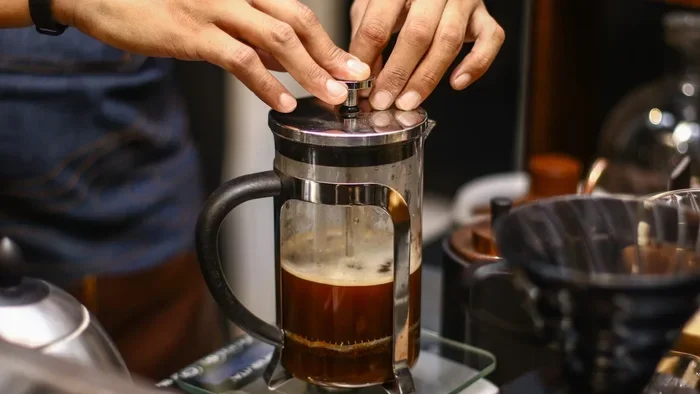
A French press produces a heavier, more full-bodied cup. It does not filter out the natural oils like paper filters do. If you enjoy a richer texture in your Starbucks Colombia coffee, the French press is worth trying.
Use a coarse grind and steep the coffee for 4 minutes. Press the plunger down slowly and evenly. Pour immediately to avoid over-extraction. The result is a bold, satisfying cup with more depth than drip coffee.
Espresso Machine for Concentrated Flavor
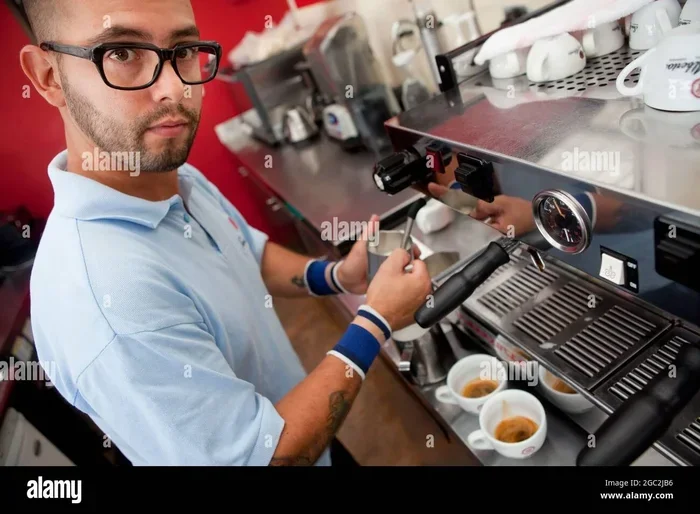
For those who enjoy espresso-based drinks, a home espresso machine can produce excellent results with Colombian beans. Use a fine grind and tamp the grounds firmly. A double shot of espresso from Starbucks Colombia beans will have a beautiful crema on top and a rich, balanced flavor.
Keep in mind that espresso machines require more technique and investment. If you are new to espresso, start with a simple machine and practice your technique. The learning curve is worth it for the incredible cups you can produce.
Water Temperature and Ratio: The Barista Secrets
Two factors separate a good cup of coffee from a great one: water temperature and the coffee-to-water ratio. Professional baristas pay close attention to both. Here is how to master them at home.
The Ideal Brewing Temperature
Water that is too hot will over-extract the coffee, creating bitterness. Water that is too cool will under-extract, resulting in a flat, weak taste. The sweet spot for brewing Starbucks Colombia coffee is between 195°F and 205°F.
If you do not have a thermometer, bring your water to a boil and then let it rest for 30 to 45 seconds. This brings it down to the ideal range. Using water straight off the boil is one of the most common mistakes home brewers make.
Getting the Ratio Right
The standard ratio used by most baristas is 1:16. This means 1 gram of coffee for every 16 grams of water. In practical terms, that is about 2 tablespoons of ground coffee for every 6 ounces of water.
However, this ratio is a starting point. Some people prefer a slightly stronger cup and will use a 1:14 ratio. Others like it lighter and go with 1:18. Experiment with small adjustments until you find your perfect balance.
Quick Tips for Perfect Brewing
- Always use fresh, filtered water. Tap water contains minerals and chlorine that can affect taste.
- Preheat your mug or carafe before brewing. Cold vessels absorb heat and lower the brewing temperature.
- Weigh your coffee and water with a kitchen scale for consistency.
- Keep a brewing journal to track what works best for your taste preferences.
These small details make a big impact. When you pay attention to temperature and ratio, your home-brewed coffee starts to taste remarkably close to what you get at the cafe.
Enhancing Your Starbucks Colombia Coffee at Home
Once you have mastered the basics of brewing, you can start experimenting with ways to enhance your cup. Starbucks baristas use specific techniques for milk, sweeteners, and flavor additions. You can apply many of these same methods at home.
Steaming Milk Like a Barista
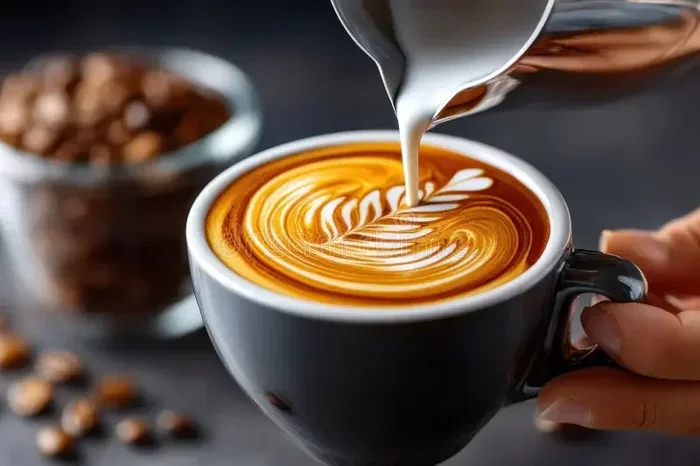
If you enjoy latte or cappuccino-style drinks, learning to steam milk is a game-changer. The goal is to create microfoam, which is smooth, velvety milk with tiny air bubbles. This gives your coffee that creamy, professional texture.
You will need a milk frother or steam wand. Start with cold milk and steam it until it reaches about 150°F to 155°F. The milk should feel hot to the touch but not burning. Pour it gently into your coffee for a beautiful layered drink.
Natural Sweeteners and Flavor Additions
Starbucks Colombia coffee has natural sweetness from the roasting process. You may not need much added sugar. Try these options to enhance the flavor without overpowering it:
- A small drizzle of honey brings out the caramel notes.
- A dash of cinnamon adds warmth and complexity.
- A splash of vanilla extract gives a sweet, aromatic touch.
- A pinch of cocoa powder complements the chocolate notes in the coffee.
Start with small amounts and adjust to your taste. The goal is to enhance the natural flavors of the Colombian beans, not mask them.
Making Iced Starbucks Colombia Coffee
Iced coffee is hugely popular, and making it at home is simple. Brew your coffee using the methods above, but use slightly less water since melting ice will dilute the flavor. Let the coffee cool to room temperature, then pour it over a full glass of ice.
For a creamier iced version, try pouring the cooled coffee over milk and ice. This creates a refreshing drink that is perfect for warm days. You can also add flavored syrups if you enjoy something sweeter.
One tip: avoid reheating coffee that has already been brewed and cooled. If you need to warm up leftover coffee, do so gently. Some people even use their oven to warm mugs or dishes, similar to how you might reheat snow crab legs in the oven gently to preserve quality. The same principle applies to coffee, though a microwave works fine for quick warming.
Common Mistakes to Avoid When Brewing at Home
Even experienced home brewers make mistakes from time to time. Knowing what to avoid saves you from wasting good beans and frustrating yourself with bad cups. Here are the most common errors people make when trying to brew Starbucks Colombia coffee at home.
Using Stale Beans
This is the number one mistake. Coffee beans start losing their freshness within two weeks of roasting. If your beans have been sitting in the pantry for months, they will produce flat, lifeless coffee. Always check the roast date and buy in smaller quantities more frequently.
Using the Wrong Grind Size
As mentioned earlier, grind size affects extraction dramatically. Using a fine grind in a French press, for example, will create gritty, over-extracted coffee. Using a coarse grind in an espresso machine will result in weak, sour-tasting shots. Match your grind to your method every time.
Skipping the Preheating Step
Many people forget to preheat their brewing equipment and mugs. Cold surfaces absorb heat from the water, dropping the brewing temperature below the ideal range. This leads to under-extraction and a weak, sour cup of coffee.
Simply rinsing your brewer and mug with hot water before starting makes a real difference. It also warms the glass or ceramic, keeping your coffee at the perfect drinking temperature longer.
Using Tap Water Without Filtering
Water makes up over 98% of your cup of coffee. If your tap water tastes chlorinated or has a strong mineral content, it will affect the flavor of your coffee. Using filtered water is one of the easiest ways to improve your brew without changing anything else.
Final Thoughts on Brewing Starbucks Colombia Coffee
Making Starbucks Colombia coffee at home is a rewarding experience. Once you understand the basics of bean selection, grinding, brewing temperature, and ratio, you can consistently produce cups that rival your favorite cafe. The process is simple, but the results are impressive.
Remember that great coffee is about attention to detail. Every step matters, from storing your beans properly to pouring your milk with care. Take your time, enjoy the process, and savor each cup. With practice, you will develop an intuition for what works best for your palate.
Do not be afraid to experiment. Try different beans, adjust your grind, change your water ratio, and explore new brewing methods. The journey of learning to brew great coffee is just as enjoyable as the final cup. Your mornings will never taste the same again.
And if you ever find yourself with leftover food that needs warming up, remember that gentle reheating is the key, much like how you would keep burgers warm in the oven at a low temperature to preserve their quality. The same care and attention you give to your coffee will elevate every part of your kitchen routine.
Now that you have all the tools and knowledge, it is time to brew your first perfect cup of Starbucks Colombia coffee at home. Enjoy the process, and cheers to great coffee.
Frequently Asked Questions
What type of beans should I use to make Starbucks Colombia coffee?
You should use 100% Colombian Arabica beans with a medium roast. Look for beans labeled as single-origin Colombian for the most authentic taste. Avoid blends that mix in Robusta beans, as they can make the coffee taste harsh and bitter.
Can I use a regular drip coffee maker to brew Starbucks Colombia coffee?
Yes, a drip coffee maker works very well for brewing this type of coffee. Use a medium grind, a ratio of 1 to 2 tablespoons per 6 ounces of water, and brew with water between 195°F and 205°F. This method produces a clean, balanced cup similar to what you would get at Starbucks.
How fresh do my coffee beans need to be for the best flavor?
For the best flavor, use beans within two to four weeks of the roast date. Coffee starts losing its aroma and complexity shortly after roasting. Store your beans in an airtight container at room temperature, away from sunlight and heat.
What is the best way to froth milk for a Starbucks-style latte at home?
Use a milk frother or steam wand and start with cold milk. Steam the milk to about 150°F to 155°F, creating a smooth microfoam. Pour the frothed milk gently into your brewed coffee for a creamy, barista-style latte. Practice makes perfect with milk frothing.
Can I make iced Starbucks Colombia coffee at home?
Absolutely. Brew your coffee slightly stronger than normal to account for dilution from melting ice. Let the coffee cool completely, then pour it over a glass full of ice. You can add milk, cream, or flavored syrup to customize your iced drink to your liking.
Why does my home-brewed coffee taste different from Starbucks?
The difference usually comes down to grind consistency, water temperature, and bean freshness. Starbucks uses commercial equipment that maintains precise temperatures and extraction times. At home, focus on using a burr grinder, filtered water, and the correct brewing temperature to get closer to that cafe-quality taste.
=== INTERNAL LINKS ===
If you are also experimenting with other kitchen techniques, you might enjoy learning how to reheat snow crab legs in the oven for a delicious seafood dish. For keeping your favorite warm foods ready, check out how to keep burgers warm in the oven using low and steady heat. And to maintain a clean kitchen setup, learn how to clean the bottom tray of your toaster oven easily and effectively.