Your Guide to Finding the Perfect Residential Coffee Machine
Finding the right residential coffee machine can transform your mornings and save you money. This guide covers every type of home brewer, from simple drip machines to advanced espresso systems. You will learn how to choose the perfect machine based on your budget, taste, and lifestyle. We also share practical tips, common mistakes, and expert advice to help you make the best decision.
Nothing beats the smell of fresh coffee brewing in your own kitchen. A residential coffee machine makes that possible every single morning. Whether you are a casual coffee drinker or a true enthusiast, the right machine can change your daily routine completely.
But with so many options on the market, choosing the best one feels overwhelming. There are drip machines, pod brewers, espresso makers, and fancy bean-to-cup systems. Each one promises great coffee, but they work very differently. This guide breaks it all down for you in simple terms.
By the end of this article, you will know exactly which home coffee maker fits your life. You will understand the pros and cons of each type. You will also learn what features really matter and which ones are just marketing tricks. Let us get started.
Key Takeaways
- Know your needs first: Pick a residential coffee machine based on how often you drink coffee and what style you prefer.
- Drip, pod, espresso, and bean-to-cup are the main types. Each one suits different budgets and skill levels.
- Budget machines start around $50, while premium models can go above $1,000. You do not need to spend a lot to get great coffee.
- Maintenance matters a lot. Regular cleaning keeps your coffee tasting fresh and your machine lasting longer.
- Read reviews and compare features before buying. Look at brew strength, capacity, ease of use, and durability.
- Start simple and upgrade later if needed. A basic home coffee maker is perfect for beginners.
📑 Table of Contents
Why a Residential Coffee Machine Is Worth It
Many people still buy coffee from cafes every day. A cup here, a latte there, and before you know it, you have spent hundreds of dollars a month. A residential coffee machine lets you make café-quality drinks at home for a fraction of the cost.
Think about it. A good home coffee maker pays for itself within a few weeks. You also gain convenience. No more waiting in line. No more rushing out the door without your favorite drink. You just press a button and enjoy.
Beyond savings and convenience, there is the quality factor. When you control the beans, the water temperature, and the brew time, you get a cup tailored to your taste. That is something no cafe can always guarantee.
Save Money Over Time
The average coffee shop drink costs around $5. If you buy one every day, that adds up to $150 a month. A residential coffee machine might cost $100 to $300 upfront. After a month or two, you are already saving money. Over a year, the savings are huge.
Enjoy More Variety
With a good coffee brewing system at home, you can try different beans, roasts, and drinks. Want a strong espresso shot? Make one. Feel like a smooth latte? Just add steamed milk. The variety at home is almost endless.
Types of Residential Coffee Machines
Not all coffee machines are the same. They use different methods to brew coffee, and each method creates a different flavor and experience. Let us look at the main types of residential coffee machines available today.
Drip Coffee Makers
The drip coffee maker is the most popular type for homes. You add water to the reservoir, put ground coffee in the filter, and press start. The machine heats the water and drips it through the grounds into a carafe below.
Drip machines are simple to use. They are affordable. Most models cost between $30 and $150. They work great for making multiple cups at once. If you brew coffee for a family or a group, a drip kitchen coffee machine is a smart choice.
However, drip machines do have limits. They usually make standard-strength coffee. They do not make espresso or specialty drinks. And the coffee can cool down quickly if the carafe does not have a warming plate.
Single Serve Pod Machines
Single serve coffee makers use small pods or capsules filled with pre-ground coffee. You insert a pod, add water, and the machine brews one perfect cup in seconds. Brands like Nespresso and Keurig are very popular in this category.
The biggest advantage of a coffee pod machine is convenience. You get a fresh cup every time without measuring or cleanup. They are perfect for people who drink one cup a day or who have different taste preferences in a household.
On the downside, pod machines can be expensive to run over time. Coffee pods cost more per cup than regular ground coffee. There is also the environmental concern with single-use pods. Some brands now offer reusable pods to help with this issue.
Espresso Machines
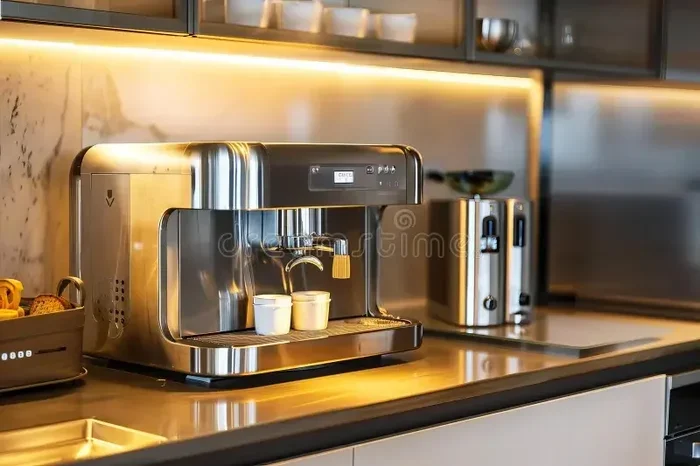
An espresso machine uses high pressure to force hot water through finely ground coffee. This creates a strong, concentrated shot with a creamy layer on top called crema. Espresso machines range from simple stovetop models to fully automatic systems.
If you love cappuccinos, lattes, and flat whites, an espresso machine is a great investment. You can pull perfect shots at home and experiment with different recipes. Some models come with a built-in milk frother, which makes latte art possible right in your kitchen.
Espresso machines require a bit of a learning curve. You need to grind your beans finely, tamp the grounds properly, and master the extraction time. But once you get the hang of it, the results are amazing.
Bean-to-Cup Machines
A bean-to-cup machine does everything for you. You add whole coffee beans, and the machine grinds them, tamps them, and brews a fresh cup automatically. These are the most advanced automatic coffee machines for home use.
Bean-to-cup systems are incredibly convenient. They give you café-quality drinks with minimal effort. Most models let you adjust strength, size, and temperature. Some even have touchscreens and custom drink profiles.
The trade-off is price. Good bean-to-cup machines usually start around $300 and can go well above $1,000. They also need regular cleaning and descaling. But if you want the best home coffee experience without the manual work, they are hard to beat.
Key Features to Look For
Not all residential coffee machines are created equal. Some have features that make a big difference in taste and convenience. Here are the most important things to consider before you buy.
Brew Strength and Customization
Everyone has different taste preferences. Some people like bold, strong coffee. Others prefer a milder, smoother cup. The best home coffee maker lets you control the strength and flavor of your brew.
Look for machines with adjustable settings. A machine with a strength selector or brew temperature control gives you more flexibility. This is especially important for espresso machines and bean-to-cup systems.
Capacity and Speed
Think about how much coffee you drink each day. If you only make one cup, a small pod machine works perfectly. If you brew for a family, a large drip machine or a bean-to-cup machine with a big water tank makes more sense.
Speed also matters. Some machines brew a cup in under a minute. Others take several minutes. If you are in a rush every morning, speed is a key factor.
Ease of Use and Cleaning
A complicated machine that sits unused is worthless. Choose a residential coffee machine that is easy to operate. The controls should be clear and intuitive.
Cleaning is just as important. Look for machines with removable parts that are dishwasher safe. Automatic coffee machines often have self-cleaning cycles, which saves time. A coffee maker with a removable drip tray and easy-to-access water tank makes daily maintenance much simpler.
Build Quality and Durability
Your coffee brewing system should last for years. Check the materials and read reviews about long-term reliability. Stainless steel bodies tend to be more durable than plastic ones. Brands with good warranty coverage also give you peace of mind.
Price Ranges and What You Get
One of the first questions people ask is about coffee machine price. The good news is that there are great options at every budget level. Let us break down what you can expect.
Budget: $30 to $80
At this price range, you will find basic drip coffee makers and simple pod machines. They get the job done. The coffee is decent, but the features are limited. You might not get much control over brew strength or temperature. These are great for people who just want a quick cup without any fuss.
Mid-Range: $80 to $300
This is the sweet spot for most households. You can get a quality drip machine, a reliable pod brewer, or a basic espresso machine. Mid-range models offer better build quality, more features, and improved taste. Many programmable coffee makers fall in this category.
Premium: $300 to $1,000+
Premium residential coffee machines include high-end bean-to-cup systems and professional-grade espresso machines. They offer full customization, built-in grinders, and advanced features. If coffee is a big part of your life and you want the best possible experience, this is where to look.
Common Mistakes People Make When Buying
Buying a residential coffee machine should be exciting, not confusing. Unfortunately, many people make avoidable mistakes. Here are the ones to watch out for.
Buying Based on Looks Alone
A beautiful machine on your countertop does not mean it makes great coffee. Always look past the design. Check the brewing technology, the build quality, and real user reviews. A home coffee maker should perform well first and look good second.
Ignoring Ongoing Costs
The purchase price is only part of the story. Think about the cost of coffee pods, filters, or beans over time. Some coffee capsule machines seem cheap to buy but become expensive to run. Factor in these recurring costs before you decide.
Skipping Maintenance
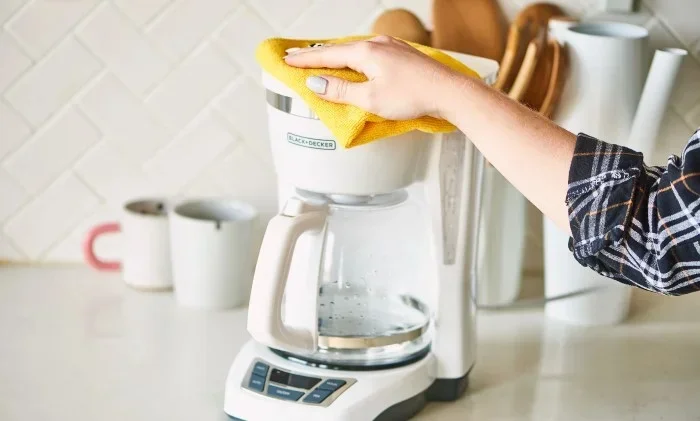
Even the best coffee machine for home use will perform poorly if you do not clean it. Oils build up, mineral deposits form, and parts wear out. Descale your machine regularly. Replace filters as needed. Clean the milk frother after every use. Simple maintenance goes a long way.
Overcomplicating Your Choice
You do not need a fancy machine if you just want a simple cup of coffee. A basic drip coffee maker might be all you need. Start with what fits your actual habits and upgrade later if your tastes evolve.
Expert Tips for Getting the Best Results
Owning a great residential coffee machine is only half the battle. How you use it matters just as much. Here are some tips from coffee experts to help you get the most out of your machine.
Use Fresh, Quality Beans
The flavor of your coffee starts with the beans. Buy whole beans from a reputable roaster. Store them in an airtight container away from light and heat. Grind them just before brewing for the freshest possible cup.
Use Filtered Water
Water makes up over 90% of your coffee. If your tap water tastes bad, your coffee will too. Use filtered water for a cleaner, better-tasting brew. This is one of the simplest ways to improve your coffee at home.
Follow the Right Ratio
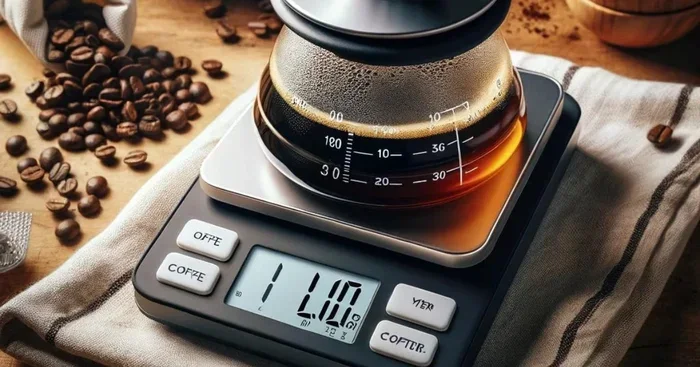
Too much coffee or too little water can ruin even the best coffee brewing system. A general rule is two tablespoons of ground coffee per six ounces of water. Adjust to your taste from there.
Clean Your Machine Regularly
Run a cleaning cycle or descale your machine every one to two months. Wash removable parts with warm soapy water. A clean residential coffee machine brews better coffee and lasts longer.
Experiment and Have Fun
Do not be afraid to try new things. Adjust the grind size, change the coffee-to-water ratio, or try a different bean origin. Part of the joy of having a home coffee maker is discovering what you like best.
Which Residential Coffee Machine Should You Choose?
The right residential coffee machine depends on your lifestyle, budget, and coffee preferences. Here is a quick guide to help you decide.
If you want simplicity and speed, go with a single serve pod machine. If you drink multiple cups and want something easy, choose a drip coffee maker. If you love espresso drinks and do not mind learning the craft, pick an espresso machine. If you want the ultimate convenience with minimal effort, invest in a bean-to-cup machine.
No matter which type you choose, focus on quality, ease of use, and long-term value. The best coffee machine for home use is the one that fits your routine and makes you happy every morning.
Take your time. Read a few coffee maker reviews. Compare models side by side. And remember, the perfect machine is the one that makes you look forward to your first cup of the day.
Conclusion
A residential coffee machine is more than just a kitchen appliance. It is a daily ritual, a small luxury, and a smart financial choice. Whether you prefer a simple drip brewer or a high-end espresso machine, there is a perfect option for you.
Use this guide to narrow down your choices. Focus on the features that matter most to you. Set a realistic budget and stick to it. And most importantly, enjoy the process of finding your perfect brew.
The world of home coffee making is fun, rewarding, and full of delicious possibilities. Start your journey today, and never settle for a mediocre cup again.
Frequently Asked Questions
What is the best residential coffee machine for beginners?
A simple drip coffee maker or a single serve pod machine is ideal for beginners. They are easy to use, affordable, and require very little learning curve. You can always upgrade to a more advanced machine later.
How much should I spend on a residential coffee machine?
It depends on your needs and budget. Basic home coffee makers start around $30. Mid-range machines with more features cost $80 to $300. Premium bean-to-cup systems and espresso machines can go above $500. Set a budget that feels comfortable and look for the best quality within that range.
How often should I clean my coffee machine?
You should clean removable parts after every few uses. Descale the machine every one to two months, depending on how often you use it and how hard your water is. Regular cleaning keeps your coffee brewing system performing at its best.
Can I use regular ground coffee in a pod machine?
Yes, you can use reusable pods with regular ground coffee. This saves money and reduces waste. Just make sure the grind size matches your machine. A medium-fine grind works best for most coffee pod machines.
What is the difference between a bean-to-cup machine and an espresso machine?
A bean-to-cup machine grinds, tamps, and brews coffee automatically from whole beans. An espresso machine requires you to grind and tamp the coffee manually, then extract the shot. Bean-to-cup machines are more convenient, while espresso machines offer more control over the brewing process.
Do I need a separate coffee grinder for my machine?
It depends on the type of machine. Drip coffee makers and pod machines work with pre-ground coffee. Espresso machines and bean-to-cup systems benefit greatly from freshly ground beans. Some residential coffee machines have built-in grinders, which saves you from buying a separate one.