What To Use To Grind Coffee Beans For A Perfect Brew
Choosing the right tool to grind coffee beans makes a huge difference in taste and aroma. Whether you prefer a burr grinder, a blade grinder, or a manual hand grinder, each option has unique benefits for your brew. This guide covers everything you need to know about grinding coffee beans at home, from equipment choices to best practices for the perfect cup.
There is nothing quite like the smell of freshly ground coffee beans filling your kitchen in the morning. But if you want that perfect cup, the tool you use to grind coffee beans matters just as much as the beans themselves. A good grinder unlocks flavors and aromas that pre-ground coffee simply cannot match.
Whether you are a casual coffee drinker or a serious home brewer, picking the right grinder can feel overwhelming. There are so many options on the market. Burr grinders, blade grinders, manual grinders, electric grinders, and more. Each one brings something different to the table. This guide breaks it all down so you can find the best tool for your needs.
We will walk you through the types of grinders, how to choose the right one, and tips for getting the most out of every brew. By the end, you will feel confident about your choice and ready to make better coffee at home.
Key Takeaways
- Burr grinders deliver the most consistent grind size for even extraction and better flavor.
- Blade grinders are affordable and accessible but produce uneven grounds that can affect taste.
- Manual coffee grinders give you full control over grind size and are perfect for travel or small kitchens.
- Grind size matters a lot, and it should match your brewing method for the best results.
- Freshly ground coffee always tastes better than pre-ground beans stored on a shelf.
- Regular cleaning and maintenance keeps your grinder performing at its best for years.
📑 Table of Contents
- Why Grinding Your Own Coffee Beans Matters
- Types of Coffee Grinders You Can Use
- How to Choose the Right Grinder for Your Brew Method
- Best Practices for Grinding Coffee Beans
- Common Mistakes to Avoid When Grinding Coffee Beans
- Maintaining Your Coffee Grinder for Long-Lasting Performance
- Expert Insights: What the Pros Recommend
- Final Thoughts
Why Grinding Your Own Coffee Beans Matters
When you grind coffee beans right before brewing, you unlock a world of flavor. Pre-ground coffee starts losing its freshness within minutes of being ground. Oxidation breaks down the aromatic oils that give coffee its rich, complex taste. The result is a flat, dull cup that does not do justice to the beans.
Grinding at home gives you full control over grind size, which directly impacts extraction. Too fine, and your coffee turns bitter. Too coarse, and it tastes weak and sour. When you grind your own beans, you can dial in the perfect setting for your brewing method. This simple change can transform your daily coffee routine.
Freshly ground coffee also smells incredible. That first whiff of aroma when you open the grinder is one of the best parts of starting the day. If you have ever wondered why coffee shop coffee tastes so much better, the answer is almost always freshly ground beans.
Beyond taste, grinding your own beans is also more economical. Whole beans stay fresh longer than pre-ground coffee. You buy less often and waste less. It is a small change that adds up to real savings over time.
Types of Coffee Grinders You Can Use
Not all coffee grinders are created equal. The type of grinder you choose shapes the consistency of your grounds, the flavor of your coffee, and even your morning routine. Here is a look at the main types you can use to grind coffee beans.
Burr Grinders: The Gold Standard
Burr grinders are widely considered the best option for home coffee brewing. They use two revolving surfaces, called burrs, to crush beans into consistent particles. The distance between the burrs controls the grind size, giving you precise adjustability.
There are two main types of burr grinders:
- Conical burr grinders use a cone-shaped burr inside a ring-shaped burr. They are quieter, produce less heat, and are great for most brewing methods.
- Flat burr grinders use two parallel discs that grind beans between them. They tend to produce even more consistent grounds and are favored by espresso enthusiasts.
Burr grinders are more expensive than blade grinders, but the consistency and flavor payoff is worth it. If you drink coffee daily and care about quality, a burr grinder is the best investment you can make.
Blade Grinders: The Budget-Friendly Option
Blade grinders are the most common and affordable type of coffee grinder. They use a spinning blade, similar to a blender, to chop the beans. You press a button, and the blade spins, breaking the beans into smaller pieces.
The problem with blade grinders is consistency. The spinning blade creates a mix of fine dust and larger chunks. This uneven grind leads to uneven extraction, which means some parts of your coffee taste over-extracted and bitter while others taste under-extracted and sour.
That said, blade grinders still get the job done. They are compact, easy to use, and very affordable. If you are just getting started with home brewing or have a tight budget, a blade grinder is a perfectly fine place to begin. Many people also use a blade grinder for tasks beyond coffee, like grinding spices or nuts.
Manual Coffee Grinders: Portable and Simple
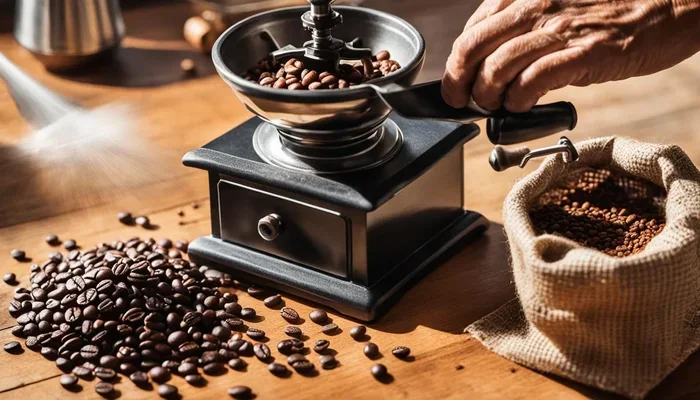
Manual coffee grinders are hand-operated devices that let you grind beans without electricity. You load the beans into a hopper, turn a crank, and the burrs crush the beans into grounds that fall into a collection chamber below.
Manual grinders have surged in popularity in recent years. They are quiet, portable, and do not generate heat during grinding, which helps preserve flavor. Many coffee enthusiasts consider a good hand grinder essential for travel, camping trips, or office use.
The trade-off is effort. Grinding enough coffee for a full pot by hand takes time and energy. But if you enjoy the ritual of making coffee, a manual grinder adds a satisfying hands-on element to your routine.
Electric Coffee Grinders: Convenience at Your Fingertips
Electric coffee grinders include both burr and blade models that run on electricity. They offer speed and convenience, making them ideal for busy mornings when you want fresh grounds without the manual effort. Most electric burr grinders come with programmable settings so you can save your preferred grind size.
Some people also use a Farberware Air Fryer Toaster Oven in their kitchen for other tasks, but when it comes to coffee grinding, a dedicated electric grinder is the way to go. These machines handle large batches efficiently and produce consistent results every time.
How to Choose the Right Grinder for Your Brew Method
The best grinder for you depends on how you brew your coffee. Different brewing methods require different grind sizes, and the right grinder gives you the control to match each one perfectly.
Match Your Grind Size to Your Brew Method
Here is a simple breakdown of grind sizes and the brewing methods they work best with:
- Extra coarse grind: Best for cold brew coffee. The grounds look like rough sea salt.
- Coarse grind: Perfect for French press. Think of the texture of coarse sea salt or breadcrumbs.
- Medium-coarse grind: Works well for Chemex and drip coffee makers. Similar to rough sand.
- Medium grind: The go-to size for most drip machines and pour over setups. Looks like regular sand.
- Medium-fine grind: Great for pour over cones and siphon brewers. Finer than sand but not powdery.
- Fine grind: Essential for espresso. The texture is like powdered sugar or flour.
- Extra fine grind: Used for Turkish coffee. Almost powdery, like cornstarch.
If your grind size does not match your brewing method, the flavors will suffer. A burr grinder makes this easy because you can adjust the setting precisely. A blade grinder makes it much harder to achieve a consistent size.
Consider Your Budget and Lifestyle
Budget plays a big role in choosing a grinder. Blade grinders can be found for under $20, while quality burr grinders range from $50 to $300 or more. Manual grinders fall somewhere in between, with excellent options available for $30 to $100.
Think about your lifestyle too. Do you need something fast and easy? An electric burr grinder is your best bet. Do you travel often or have limited counter space? A manual grinder fits the bill perfectly. Do you brew for a large household? Look for a grinder with a larger bean hopper and grounds container.
Best Practices for Grinding Coffee Beans
Even the best grinder will not deliver great results if you do not use it correctly. Follow these simple practices to get the most out of every grind.
Measure Your Beans Before Grinding
A good starting point is about two tablespoons of whole beans per six ounces of water. Use a kitchen scale for the most accurate measurements. Weighing your beans ensures consistency from cup to cup, which makes it easier to dial in your perfect recipe.
Grind Just Before Brewing
Ground coffee starts losing its freshness almost immediately. For the best flavor, grind only what you need for each brew. This might sound like a small extra step, but it makes a noticeable difference in taste and aroma.
Clean Your Grinder Regularly
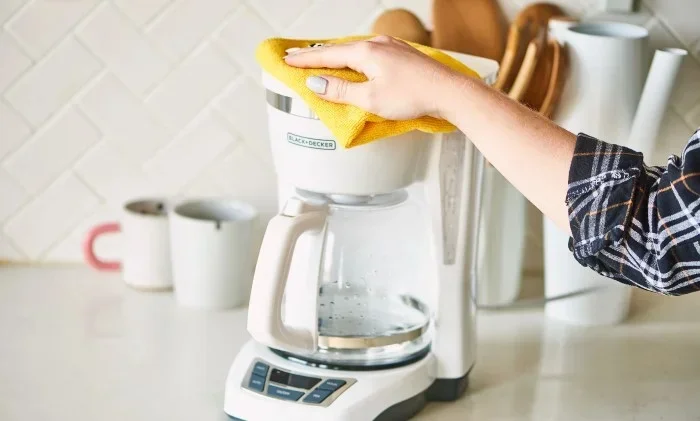
Coffee oils build up inside your grinder over time, which can turn rancid and affect the flavor of your next cup. Clean your grinder at least once a month. For burr grinders, use a soft brush to remove grounds from the burrs. For blade grinders, wipe out the interior with a dry cloth after each use.
If you also use other kitchen appliances like a toaster oven, keeping everything clean helps your kitchen run smoothly. Check out our guide on how to clean the bottom tray of a toaster oven for tips on maintaining all your kitchen tools.
Store Your Beans Properly
Whole coffee beans stay fresh longer when stored in an airtight container in a cool, dark place. Avoid storing beans in the refrigerator or freezer, as moisture and odors can affect the flavor. A simple airtight canister on your counter works perfectly for most people.
Common Mistakes to Avoid When Grinding Coffee Beans
Even experienced coffee lovers make mistakes when grinding beans. Here are the most common ones to watch out for.
Using the Wrong Grind Size
This is the number one mistake people make. Using a fine grind for a French press, or a coarse grind for espresso, leads to disappointing results. Always match your grind size to your brewing method. If your coffee tastes bitter, it might be too fine. If it tastes weak or sour, it might be too coarse.
Grinding Too Much at Once
Grinding a large batch and storing the extra grounds in the freezer might seem convenient, but it is not ideal. Coffee loses its freshness fast after grinding. It is better to grind small amounts as you need them.
Neglecting Grinder Maintenance
A dirty grinder produces off-flavors. Old coffee oils and residue build up and taint the taste of fresh grounds. Make cleaning part of your routine. A few minutes of maintenance each month keeps your grinder running smoothly and your coffee tasting great.
Buying Pre-Ground Coffee as a Permanent Solution
Pre-ground coffee is convenient, but it cannot compete with freshly ground beans in terms of flavor and aroma. If you want to improve your coffee, switching to whole beans and grinding them yourself is the single biggest step you can take.
Maintaining Your Coffee Grinder for Long-Lasting Performance
A good grinder is an investment, and proper care helps it last for years. Whether you own a burr grinder, a blade grinder, or a manual hand grinder, regular maintenance keeps it performing at its best.
Start by cleaning the burrs or blades after every few uses. A small brush or a puff of compressed air removes trapped grounds. For a deeper clean, some burr grinders come with cleaning tablets designed to dissolve oils and residue inside the grinding chamber.
Check for wear and tear regularly. Burr grinders have moving parts that dull over time, especially if you grind a lot of coffee. Replace burrs when you notice a decline in grind consistency. Blade grinder blades also wear out and should be replaced when they become dull or chipped.
Keeping your grinder clean is similar to maintaining other kitchen tools. Just as you would care for your cooking equipment, regular attention keeps everything working well. For more on kitchen appliance care, you can explore tips on drying herbs at the right temperature and other kitchen techniques that help you get the most from your tools.
Expert Insights: What the Pros Recommend
Professional baristas and coffee roasters agree on one thing: the grinder is just as important as the coffee maker. Many coffee shops invest heavily in high-quality burr grinders because they know that consistent grind size is the foundation of a great cup.
When asked about the best grinder for home use, most experts recommend a conical burr grinder in the $100 to $200 range. This price point offers excellent consistency, durability, and adjustability without breaking the bank. Brands like Baratza, Fellow Ode, and Eureka are frequently praised by coffee professionals.
For those on a tighter budget, a basic blade grinder still works for drip coffee and French press. Just be aware that the results will not be as consistent. And for the true coffee enthusiast, a manual hand grinder offers a meditative ritual and surprisingly great results at a fraction of the cost of an electric burr grinder.
If you are curious about other kitchen tools and how to get the most out of them, learning about proper techniques makes a big difference. For example, understanding how to use kitchen appliances effectively, like a brand new oven, helps you build confidence in the kitchen. The same mindset applies to coffee grinding: start with the right tool, learn the basics, and refine your process over time.
Final Thoughts
Grinding your own coffee beans is one of the simplest and most impactful changes you can make for better coffee at home. The right tool, the right grind size, and a little attention to freshness transform an ordinary cup into something extraordinary.
Whether you choose a burr grinder, a blade grinder, or a manual hand grinder, the key is consistency and care. Invest in a quality grinder, match your grind size to your brewing method, and always grind just before you brew. Your taste buds will thank you every single morning.
Fresh coffee is a joy worth pursuing. With the right grinder in your kitchen, that perfect brew is always just a few minutes away.
Frequently Asked Questions
What is the best tool to grind coffee beans at home?
A burr grinder is widely considered the best tool for grinding coffee beans at home. It produces consistent particle sizes, which leads to even extraction and better flavor. If you are on a budget, a blade grinder works but produces less uniform grounds.
Can I use a blender to grind coffee beans?
Yes, you can use a blender in a pinch, but it works like a blade grinder and produces uneven results. It is not ideal for consistent coffee grinding, but it can get the job done if you do not have a dedicated grinder.
How fine should I grind coffee beans for espresso?
For espresso, you need a very fine grind, similar to powdered sugar or flour. A burr grinder with fine adjustment settings gives you the control needed to achieve the right consistency for proper espresso extraction.
Is a manual coffee grinder worth it?
Absolutely. Manual coffee grinders are portable, quiet, and produce consistent grounds. They are especially great for people who travel, have limited counter space, or enjoy the hands-on ritual of making coffee by hand.
How often should I clean my coffee grinder?
You should clean your coffee grinder at least once a month. For heavy daily use, clean it every two weeks. Regular cleaning removes built-up coffee oils and residue that can go rancid and affect the flavor of your next brew.
Can I grind other spices in my coffee grinder?
Yes, you can grind spices, herbs, and nuts in a coffee grinder. However, it is best to have a separate grinder for coffee and spices to avoid flavor transfer. If you do use the same grinder, clean it thoroughly between uses.