What Does A Gas Oven Look Like Inside When You Open It
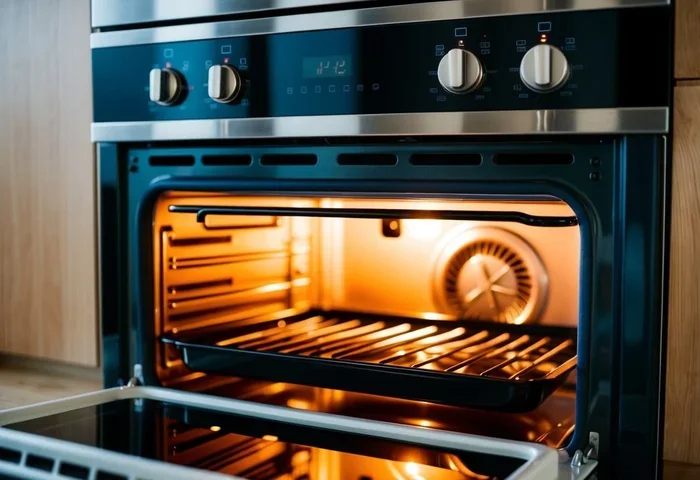
When you open a gas oven, you will see a bake burner at the bottom, a broil burner at the top, and metal oven racks for holding your food. The oven cavity features a thermostat, igniter, and an interior light that helps you monitor your cooking. Understanding the inside of your gas oven helps you cook better, clean smarter, and spot issues early before they become costly repairs.
Have you ever wondered what a gas oven looks like inside when you open the door? Most people rarely think about the inner workings of their oven until something goes wrong. But understanding the interior of your gas oven can change the way you cook, clean, and troubleshoot.
The inside of a gas oven is more than just an empty metal box. It is a carefully designed space with burners, racks, and sensors that all work together to cook your food evenly. Whether you are a beginner cook or a seasoned home chef, knowing your oven interior helps you get the best results every time.
In this article, we will take a close look at what a gas oven looks like inside. We will explore every component, explain how they work, and share practical tips for keeping your oven in great shape. By the end, you will feel much more confident about what is happening inside that closed door.
Key Takeaways
- A gas oven interior has two main burners: a bake burner at the bottom and a broil burner at the top, each serving a different cooking purpose.
- The oven rack system is adjustable: you can move racks to different positions for better heat distribution and cooking results.
- The igniter and thermostat control heat: these components work together to regulate temperature and light the gas safely.
- A gas oven interior window lets you monitor food: most ovens have a small glass pane in the door for checking on dishes without opening the door.
- Regular cleaning prevents buildup: grease and food debris collect inside the oven cavity and should be cleaned regularly for safety and performance.
- Gas ovens heat differently than electric ovens: the flame-based system creates unique heat patterns and moisture levels inside the cavity.
- Safety features protect you: modern gas ovens include flame failure devices and child locks that are visible inside the oven interior.
📑 Table of Contents
- The Basic Layout of a Gas Oven Interior
- Key Components You Will See Inside
- How the Burner System Works Inside
- What the Oven Looks Like During Cooking
- Gas Oven vs Electric Oven Interior Comparison
- Tips for Maintaining Your Gas Oven Interior
- Common Issues You Might Notice Inside the Oven
- Safety Considerations for the Oven Interior
- Final Thoughts
The Basic Layout of a Gas Oven Interior
When you first open your oven door, the layout is fairly simple to understand. The inside of a gas oven follows a standard design across most brands and models. Once you know the basic layout, everything else makes more sense.
The oven cavity is the main space where food goes. It is the enclosed metal area bounded by the oven walls, floor, and ceiling. The oven door seals this space tightly to keep heat inside. A small glass window in the door lets you peek inside without losing heat.
The Oven Floor and Ceiling
The floor of the oven houses the bake burner. This is the primary heat source for baking and roasting. The ceiling contains the broil burner, which provides high, direct heat from above. Both burners are hidden behind a metal cover plate or drip pan.
The oven walls are lined with insulation and heat-resistant materials. This keeps the exterior of the oven cool to the touch while maintaining high temperatures inside. The insulation also helps with even heat distribution across the entire cavity.
The Oven Door and Window
The oven door is one of the most important parts of the interior design. It seals tightly to prevent heat from escaping. Most oven doors have a double-pane glass window that lets you watch your food cook. This window is insulated to prevent the outer surface from becoming too hot.
The door also has a handle and sometimes a lock mechanism. Some newer models include a child safety lock. The door hinge allows the door to swing open downward or sideways, depending on the oven design.
Key Components You Will See Inside
Now that you understand the basic layout, let us look at the specific components you will notice inside a gas oven. Each part plays a vital role in how your oven cooks food.
The Bake Burner
The bake burner sits at the bottom of the oven cavity. When you set your oven to bake mode, the igniter heats up and opens the gas valve. Gas flows to the burner and ignites, creating a steady flame across the bottom of the oven.
The bake burner looks like a metal tube with small holes along its length. These holes release the gas and create an even flame pattern. The flame should be blue when the burner is working correctly. A yellow or orange flame can indicate a problem that needs attention.
The Broil Burner
The broil burner is located at the top of the oven cavity. It provides intense, direct heat from above, much like a grill. When you use the broil setting, only the top burner activates.
The broil burner is usually narrower than the bake burner. It creates a strong downward heat that is perfect for browning, melting cheese, or finishing dishes. Some ovens have a single broil element while others have a wider broil area for more even cooking.
The Oven Racks
Oven racks are the metal shelves where you place your baking sheets, pots, and pans. Most gas ovens come with at least two racks that can be adjusted to different positions. The rack placement affects how food cooks and how evenly heat reaches your dish.
Racks slide in and out through grooves on the oven walls. They are typically made of chrome-coated steel or porcelain-coated metal. The middle rack position is often considered the best for general baking because it allows for the most even heat distribution.
The Igniter and Thermostat
The igniter is a small electronic component that lights the gas burner. When you turn the oven on, the igniter glows orange and heats up. Once it reaches a certain temperature, it signals the gas valve to open. Gas then flows out and the igniter lights it.
The thermostat is the temperature control system. It monitors the oven cavity temperature and tells the burner when to turn on or off. A working thermostat ensures your oven maintains the right temperature for baking and roasting.
The Oven Interior Light
Almost every gas oven has an interior light. This small bulb sits near the top of the cavity and illuminates the inside when the door is open or when the oven is running. The light helps you check on food without opening the door and losing heat.
The interior light is usually covered by a small protective cover or shield. Over time, this cover can become greasy and dim. Cleaning it regularly helps maintain good visibility inside your oven.
How the Burner System Works Inside
The burner system is the heart of any gas oven. Understanding how it works helps you troubleshoot cooking problems and maintain your oven properly.
The Ignition Process
Here is how the ignition process works step by step:
- You turn the oven knob or press the control panel to set a temperature.
- The igniter begins to glow and heat up.
- Once the igniter reaches a specific temperature, it sends a signal to open the gas valve.
- Gas flows through the burner tubes and exits through the small holes.
- The igniter lights the gas, creating a steady flame.
- The thermostat monitors the temperature and controls the flame to maintain your set temperature.
This entire process happens within seconds of you turning the oven on. If any part of this system fails, the oven will not heat properly.
Flame Patterns and What They Mean
The flame inside your gas oven tells you a lot about its condition. A healthy flame is blue with a small yellow tip. It should be steady and even across the burner.
Here is what different flame patterns can indicate:
- Blue flame: Everything is working correctly. The gas is burning cleanly and efficiently.
- Yellow or orange flame: This could mean the burner holes are clogged or there is not enough air mixing with the gas.
- Weak or small flame: The gas pressure may be too low or the igniter may be failing.
- No flame at all: The igniter may be broken, the gas valve may be stuck, or there could be a gas supply issue.
Checking your flame occasionally is a simple way to keep your oven running smoothly. If you notice any unusual flame colors or patterns, it is worth investigating further.
What the Oven Looks Like During Cooking
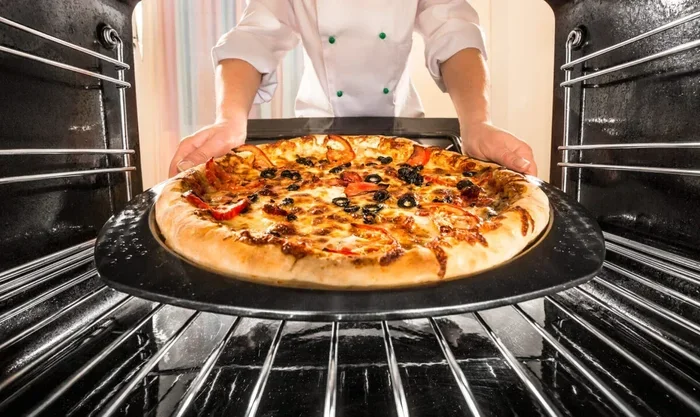
When your gas oven is in use, the interior looks quite different from when it is cold and empty. The flames are visible through the burner cover plate, and the oven glows with heat. The interior light helps you monitor your food from outside through the door window.
Heat Distribution Patterns
Gas ovens tend to have slightly different heat patterns than electric ovens. The bottom burner creates most of the heat, which means the lower part of the oven is usually hotter. The top broil burner provides intense heat from above.
This heat pattern is why rack position matters so much. Placing your food on the middle rack gives you the most balanced cooking. If you need more bottom heat for crispy pizza or bread, move the rack lower. For more top browning, move it higher.
Moisture Levels Inside the Oven
Gas ovens produce more moisture inside the cavity than electric ovens. This is because the combustion of gas creates water vapor as a byproduct. The extra moisture can actually be beneficial for baking bread and pastries, as it helps create a crispier crust.
However, too much moisture can be a problem for some recipes. If you are trying to achieve a very dry or crispy result, you may need to adjust your cooking time or temperature slightly compared to what an electric oven would require.
Quick Tip: If you notice excessive condensation inside your oven, check that the oven door seal is intact. A worn gasket can let moisture escape and reduce cooking efficiency.
Gas Oven vs Electric Oven Interior Comparison
It is helpful to understand how the interior of a gas oven differs from an electric oven. Each type has unique features that affect cooking performance and maintenance needs.
| Feature | Gas Oven Interior | Electric Oven Interior |
|---|---|---|
| Heat Source | Gas burners (bake and broil) | Electric heating elements |
| Moisture Level | Higher moisture from combustion | Drier heat environment |
| Temperature Recovery | Faster recovery after door opening | Slower recovery time |
| Burner Visibility | Visible flame inside cavity | No visible flame |
| Components Inside | Burner tubes, igniter, gas valve | Heating elements, thermal fuse |
| Cleaning Needs | Drip pans under burners need regular cleaning | Heating elements need gentle cleaning |
| Flavor Impact | Slight smokiness from gas combustion | Neutral flavor profile |
Both types of ovens have their strengths. Gas ovens are often preferred by professional bakers for their moisture and temperature responsiveness. Electric ovens are known for their dry, consistent heat that works well for roasting and dehydrating.
Tips for Maintaining Your Gas Oven Interior
Keeping the inside of your gas oven clean and well-maintained extends its life and improves cooking performance. Here are some practical tips you can follow.
Clean the Drip Pans Regularly
The metal pans that sit beneath the bake burner collect grease and food spills. These should be removed and cleaned every few weeks, depending on how often you cook. Built-up grease can cause smoke and unpleasant odors during cooking.
Soak the drip pans in hot soapy water, then scrub away any hardened residue. Replace drip pans if they become rusted or warped beyond cleaning.
Wipe Down the Oven Walls
The interior walls of your oven accumulate grease and food splatter over time. Use a mild oven cleaner or a mixture of baking soda and water to wipe down the walls after the oven has cooled.
Avoid using abrasive scrubbers that could damage the oven’s interior coating. A soft sponge or cloth works best for regular cleaning.
Check the Oven Gasket
The gasket is the rubber seal around the oven door. It keeps heat sealed inside the cavity. Over time, the gasket can wear out, crack, or become loose.
Inspect the gasket regularly. If you feel heat escaping when the oven is running, the gasket may need replacing. A damaged gasket wastes energy and affects cooking performance.
Clean the Oven Window
The glass window on your oven door can become greasy and cloudy over time. Clean it with a glass cleaner or a paste of baking soda and water. A clear window makes it much easier to monitor your food while it cooks.
Common Mistakes to Avoid:
- Never use water to clean the igniter or burner tubes. Moisture can damage electrical components and cause ignition problems.
- Do not use harsh chemical cleaners inside the oven while it is hot. Wait for the oven to cool completely first.
- Avoid placing foil directly on the oven floor. It can block airflow and damage the bake burner.
Common Issues You Might Notice Inside the Oven
Even with regular maintenance, you may notice some issues inside your gas oven from time to time. Here are the most common problems and what they mean.
Uneven Cooking
If your food is cooking faster on one side than the other, the oven racks may not be positioned correctly. Try rotating your pans halfway through cooking. If the problem persists, the bake burner may not be distributing heat evenly, or the thermostat may need calibration.
Strange Odors When First Heating
A slight gas or burning smell when you first turn on the oven is normal. This is usually dust or residue burning off the interior surfaces. If the smell persists or is strong, open a window and check for gas leaks immediately.
Visible Rust Inside the Oven
Rust inside the oven cavity can develop over time, especially if moisture accumulates and is not dried properly after cleaning. Small spots of rust can be treated with a rust converter. Large areas of rust may require professional inspection.
The Igniter Glows But the Oven Does Not Heat
This is a common issue in older gas ovens. The igniter may glow but not get hot enough to open the gas valve. In this case, the igniter needs replacement. This is a relatively affordable repair that a technician can handle quickly.
Expert Insight: According to appliance repair professionals, most gas oven problems inside the cavity come down to three things: a failing igniter, a clogged burner port, or a worn-out thermostat. Regular inspection of these three components can prevent most common issues.
Safety Considerations for the Oven Interior
Your gas oven includes several safety features that are visible inside the cavity. Understanding these features helps you use your oven safely and confidently.
Most modern gas ovens have a flame failure device. This sensor detects whether the burner flame is lit. If the flame goes out unexpectedly, the gas valve closes automatically to prevent gas from leaking into your kitchen.
Never ignore a gas smell coming from your oven. If you detect a strong gas odor inside the oven or around your kitchen, turn off the oven, open windows, and leave the area. Contact your gas provider or emergency services immediately.
Child safety locks on oven doors are another important feature. These prevent children from opening the hot oven door and reaching the interior components. Make sure this feature is engaged if you have young children in the home.
It is also important to never store items inside the oven cavity when it is not in use. Items left on the oven floor can melt, catch fire, or block the burner when you next turn on the oven.
Final Thoughts
Understanding what a gas oven looks like inside when you open it gives you a real advantage in the kitchen. From the bake burner at the bottom to the broil burner at the top, every component has a specific job to do. The oven racks, thermostat, igniter, and interior light all work together to create the perfect cooking environment.
Taking care of your oven interior through regular cleaning and inspection pays off in better-tasting food, lower energy bills, and fewer repair costs. Now that you know what to look for inside your gas oven, you can cook with more confidence and troubleshoot problems faster.
Next time you open your oven door, take a moment to look inside with fresh eyes. Appreciate the engineering that goes into every component. And remember, a well-maintained oven interior is the foundation of great cooking at home.
Frequently Asked Questions
Why does my gas oven have a yellow flame instead of blue?
A yellow flame usually means the burner ports are clogged or there is not enough air mixing with the gas. Try cleaning the burner holes with a toothpick or compressed air. If the flame stays yellow after cleaning, you may need to adjust the air shutter or call a technician for help.
How often should I clean the inside of my gas oven?
It is best to give your oven interior a light wipe-down every month and a deeper clean every three to four months. If you bake frequently or notice grease buildup, you may need to clean more often. Keeping drip pans clean should be part of your regular routine.
Can I use the oven interior light while cooking?
Yes, most oven interior lights are designed to stay on while the oven is running. In fact, using the light to check on your food instead of opening the door helps maintain a consistent temperature inside the cavity and can improve cooking results.
Is it normal to see the gas flame inside the oven when cooking?
Yes, seeing the flame on the bake burner is completely normal. The flame should be contained within the burner assembly and hidden behind the cover plate. If you can see flames outside the burner area, turn off the oven and contact a professional immediately.
What causes rust to form inside a gas oven?
Rust inside a gas oven is usually caused by moisture that is not dried properly after cleaning or from steam released during cooking. Over time, this moisture can cause metal surfaces to rust. Wiping the interior dry after cleaning and using the oven regularly can help prevent rust buildup.
How do I know if my oven thermostat is working correctly?
An oven thermometer placed inside the oven can help you check if the thermostat is accurate. If the oven temperature is consistently off by more than 25 degrees, the thermostat may need recalibration or replacement. Most ovens allow for a 10 to 15 degree variance before it becomes a noticeable cooking problem.