How Long To Cook Tuna Steak In Oven At 350 Degrees
How long to cook tuna steak in oven at 350 is a quick question with a simple answer: just 10 to 15 minutes for a juicy, medium-rare finish. The exact time depends on thickness, starting temperature, and your oven’s accuracy. This guide walks you through every step so you can bake tuna steak perfectly every time.
There is something magical about a tuna steak cooked in the oven. It sizzles, it smells incredible, and it turns out tender in just minutes. If you have ever wondered how long to cook tuna steak in oven at 350, you are in the right place. This guide gives you the exact timing, the simple steps, and the tips that turn a basic fillet into a restaurant-worthy meal.
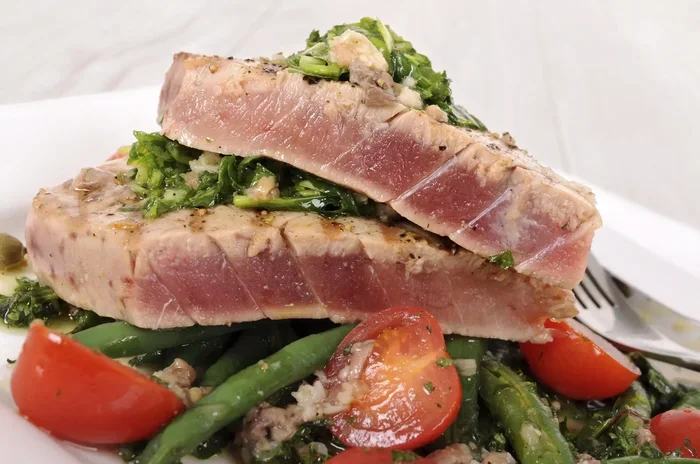
Oven-baked tuna steak is one of the fastest weeknight dinners you can make. Unlike grilled tuna, which demands high heat and constant attention, the oven method is hands-off and forgiving. You set the temperature, set the timer, and walk away. The result is a steak with a lightly browned crust and a cool, rose-red center that melts in your mouth.
Whether you are a beginner cook or a seasoned home chef, mastering the tuna steak oven time at 350°F will change your dinner routine. You will learn how thickness affects baking time, why resting matters, and what seasonings pair best. By the end, you will never order takeout on a busy Tuesday again.
Key Takeaways
- Prep time is short: Seasoning takes only 5 minutes before the tuna hits the oven.
- 350°F is the sweet spot: This temperature cooks tuna evenly without drying it out.
- Thickness drives the clock: A 1-inch steak needs about 10 minutes; a 1.5-inch steak may need 15.
- Use a meat thermometer: Pull the tuna at 125°F for medium-rare or 130°F for medium.
- Let it rest: A 3-minute rest keeps the juices locked inside.
- Frozen works too: You can bake frozen tuna steak directly, just add a few extra minutes.
- Simple seasonings shine: Olive oil, salt, pepper, and garlic bring out the best flavor.
📑 Table of Contents
Why Cook Tuna Steak in the Oven at 350°F?
The Benefits of Oven-Baked Tuna
Baking tuna steak in the oven offers a gentle, even heat that prevents the edges from overcooking. At 350°F, the air circulates around the fish and cooks it from all sides at a steady pace. This means you can skip the constant flipping required on a stovetop. The oven also frees up your burner for side dishes like roasted vegetables or a quick garlic bread.
Another big plus is consistency. A gas grill can have hot spots that char one side while leaving the other raw. Your home oven delivers uniform heat, so every bite of tuna steak comes out the same. You also get a beautiful sear without the smoke and splatter of a skillet. All you need is a sheet pan and a little foil.
When to Choose 350 Degrees
350°F is a versatile temperature that works for many fish fillets, but it is especially perfect for tuna. It is hot enough to brown the surface quickly, yet gentle enough to keep the inside from turning chalky. If you set the oven hotter, the outside will burn before the center reaches a perfect medium-rare. If you go lower, the steak will dry out while waiting for the heat to penetrate.
This temperature also fits well with frozen tuna steak. You can place a frozen fillet straight into a 350°F oven, and the gradual thawing and cooking happen at the same time. That is a huge time-saver when you forgot to move the fish to the fridge earlier in the day.
How Long to Cook Tuna Steak at 350 Degrees
Timing by Thickness
The single most important factor for tuna steak oven time at 350 is the thickness of the cut. A thin steak, about ¾ inch, will bake in roughly 8 to 10 minutes. A standard 1-inch steak needs 10 to 12 minutes. A thick 1.5-inch steak may require 14 to 16 minutes. These times assume you start with room-temperature fish and a fully preheated oven.
Here is a quick reference table to help you plan:
- ¾-inch thick: 8–10 minutes for medium-rare
- 1-inch thick: 10–12 minutes for medium-rare
- 1.5-inch thick: 14–16 minutes for medium-rare
- 2-inch thick: 16–18 minutes for medium-rare
These numbers are for fresh tuna. Frozen tuna steak will add about 3 to 5 extra minutes because the center must thaw before it can cook through.
Fresh vs. Frozen Tuna Steak
Fresh tuna steak cooks faster and more evenly than frozen. If you have the luxury of buying fresh, pat it dry, season it, and place it in the oven right away. The surface will begin to sear the moment the hot air hits it. You will get a beautiful crust without needing to pre-sear in a pan.
Frozen tuna steak is just as good, and you do not need to thaw it first. In fact, cooking from frozen can help you avoid the dreaded mushy texture that happens when tuna sits too long at room temperature. Simply add a few minutes to the baking time and use a meat thermometer to check doneness. The oven will slowly bring the center up to a perfect temperature while the outside stays moist.
Step-by-Step Oven Tuna Steak Recipe
Ingredients and Prep
Keep it simple. A great tuna steak needs only a few ingredients to shine. You will want:
- Two tuna steaks, about 1 to 1.5 inches thick
- 1 tablespoon olive oil per steak
- Salt and freshly ground black pepper
- Optional: minced garlic, smoked paprika, or a squeeze of lemon
Remove the tuna from the fridge 10 to 15 minutes before cooking. This lets the fish warm up slightly so it cooks evenly from edge to center. Pat the steaks dry with paper towels. Moisture is the enemy of a good sear, and dry surfaces brown faster in the oven.
Baking Instructions
Preheat your oven to 350°F. While it is warming, line a sheet pan with foil or parchment paper for easy cleanup. Lightly brush the tuna steaks with olive oil and season both sides generously with salt, pepper, and any spices you like.
Place the steaks on the prepared pan, leaving space between them so the hot air can flow. Slide the pan into the center rack. Set a timer for the time that matches your steak thickness. At the halfway point, you can open the oven and give the pan a quick turn for even browning, but it is not strictly necessary.
When the timer goes off, check the internal temperature. For a rare to medium-rare finish, pull the tuna at 120°F to 125°F. For medium, aim for 130°F. The steak will continue to rise a few degrees as it rests. Transfer it to a clean plate and let it sit for 3 minutes before slicing.
Achieving the Perfect Internal Temperature
Medium-Rare vs. Medium
Tuna steak doneness is a matter of personal preference, but most chefs recommend medium-rare. At 125°F internal temperature, the center is still deep red and silky. The texture is buttery and almost raw in the very middle, which is exactly what makes tuna so special. If you prefer a more cooked center, 130°F gives you a medium steak that is still moist but firmer.
Avoid cooking tuna to well-done. Tuna dries out quickly once it passes 140°F, and the delicate flavor turns bland and chalky. The goal is to keep the inside as cool and tender as possible while the outside gets a light golden crust.
Using a Meat Thermometer
A digital instant-read thermometer is the best tool for perfect tuna steak every time. Insert the probe into the thickest part of the steak, angled toward the center. Do not touch the bone or the pan, because that will give a false reading. The thermometer should slide in easily and give you a number within 10 seconds.
If you do not have a thermometer, you can use the touch test. Press the center of the steak with your finger. A very soft, squishy feel means rare. A slight give with some spring means medium-rare. A firmer press means medium. But a thermometer removes all guesswork, and it is especially helpful when you are baking tuna steak for the first time.
Common Mistakes to Avoid
Overcooking and Drying Out
The biggest mistake people make is leaving tuna in the oven too long. Tuna is lean fish, and it has very little fat to keep it moist once overcooked. Even an extra two minutes can turn a beautiful steak into a dry, chalky disc. Set your timer, stay nearby, and pull the fish the moment it hits the target temperature.
Another trap is using a cold steak straight from the fridge. Cold fish takes longer to cook through, which means the outside overcooks before the center warms up. Always let the tuna sit at room temperature for 10 to 15 minutes before baking.
Skipping the Rest
Resting is not just for steaks on the grill. When you remove tuna from the oven, the internal temperature continues to rise by a few degrees as the heat redistributes. Cutting into it immediately releases those precious juices onto the plate instead of keeping them in the meat. A quick 3-minute rest on a warm plate makes a noticeable difference in tenderness.
Flavor Variations and Serving Ideas
Seasoning Blends
While salt and pepper are classic, you can elevate your tuna steak with simple seasoning blends. A mix of smoked paprika, garlic powder, and a pinch of cayenne adds a subtle heat. Fresh herbs like dill, parsley, or cilantro sprinkled on top just before serving bring a bright, aromatic finish. A drizzle of sesame oil and a sprinkle of sesame seeds give the steak an Asian-inspired twist.
For a Mediterranean flavor, rub the steak with olive oil, lemon zest, and dried oregano. Top with a few sliced olives and a splash of white wine vinegar right after baking. The possibilities are endless, but the rule is simple: do not overpower the natural flavor of the fish.
Side Dishes and Pairings
Tuna steak pairs beautifully with light, fresh sides. A simple cucumber salad with rice vinegar and sesame oil balances the richness of the fish. Roasted asparagus, garlic sautéed spinach, or a warm quinoa salad are all excellent choices. For a heartier meal, serve the tuna over a bed of coconut rice or with a side of sweet potato mash.
If you like a little crunch, a quick salad of shredded cabbage, carrots, and a ginger dressing makes a perfect contrast. The idea is to keep the sides light so the tuna steak remains the star of the plate.
Expert Tips for the Best Oven-Baked Tuna Steak
Professional chefs share a few secrets that take your tuna from good to great. First, always preheat the oven fully. A cold oven will cook the fish unevenly and extend the baking time. Second, use a high-quality tuna steak. Look for bright red or deep red flesh with a fresh sea smell. Avoid any tuna that looks brown or dull, as it will not taste as good no matter how well you cook it.
Another tip is to brush the steak with a thin layer of Dijon mustard before seasoning. The mustard adds a subtle tang that complements the tuna without masking its flavor. If you are feeling fancy, top each steak with a small pat of herb butter right after it comes out of the oven. The residual heat will melt the butter into a rich, aromatic glaze.
Finally, do not be afraid to experiment with temperatures. Some cooks prefer to sear the tuna steak in a hot skillet for one minute per side and then finish it in the oven at 350°F for 4 to 5 minutes. This hybrid method gives you a deep crust and a perfectly rare center. It takes a little more effort, but the results are outstanding.
Conclusion
Learning how long to cook tuna steak in oven at 350 is one of the easiest kitchen skills you can pick up. With a 350°F oven, a simple seasoning blend, and a reliable timer, you can serve a restaurant-quality tuna steak in under 20 minutes. The key is to respect the thickness of the cut, use a meat thermometer, and pull the fish as soon as it reaches the right internal temperature.
Whether you are cooking fresh tuna steak or frozen tuna steak, the oven method delivers consistent, juicy results every time. Remember to let the steak rest, keep your sides light, and enjoy the process. Once you master this basic technique, you will find yourself making tuna steak the go-to dinner for busy evenings and dinner parties alike.
So preheat that oven to 350°F, grab your favorite tuna steaks, and give it a try. You will be amazed at how a little time and attention can turn a simple fillet into a meal you will crave again and again.
Frequently Asked Questions
Can you bake frozen tuna steak at 350°F?
Yes, you can bake frozen tuna steak directly at 350°F without thawing it first. Simply add 3 to 5 extra minutes to the cooking time compared to fresh tuna. Use a meat thermometer to ensure the center reaches a safe temperature, and let the steak rest for 3 minutes before serving.
What is the best internal temperature for tuna steak?
For a medium-rare tuna steak, pull it from the oven at an internal temperature of 125°F. For medium doneness, aim for 130°F. The temperature will continue to rise a few degrees as the steak rests, so factor that in when checking with a thermometer.
How do I prevent my tuna steak from drying out?
The easiest way to keep tuna steak moist is to not overcook it. Use a timer and a meat thermometer, and remove the steak as soon as it hits 125°F to 130°F. Brushing the surface with olive oil before baking also helps create a moisture barrier that keeps the fish tender.
Should I cover tuna steak with foil while baking?
Covering tuna steak with aluminum foil is optional. If you prefer a more steamed, gently cooked center, loosely tent the foil over the steak for the first half of baking. For a better sear and crust, bake the steak uncovered so the surface can brown directly in the hot oven air.
What seasonings work best with oven-baked tuna steak?
Simple seasonings like salt, pepper, garlic, and a drizzle of olive oil are classic and effective. For extra flavor, try smoked paprika, lemon zest, fresh herbs like dill or parsley, or a light brush of sesame oil. Keep the seasoning light so the natural taste of the tuna shines through.
How long should I let tuna steak rest after baking?
Let the tuna steak rest for 3 minutes on a warm plate after removing it from the oven. This resting period allows the juices to redistribute throughout the steak, making each bite more tender and flavorful. Cutting too early causes the juices to run out onto the plate instead of staying in the meat.